By
By 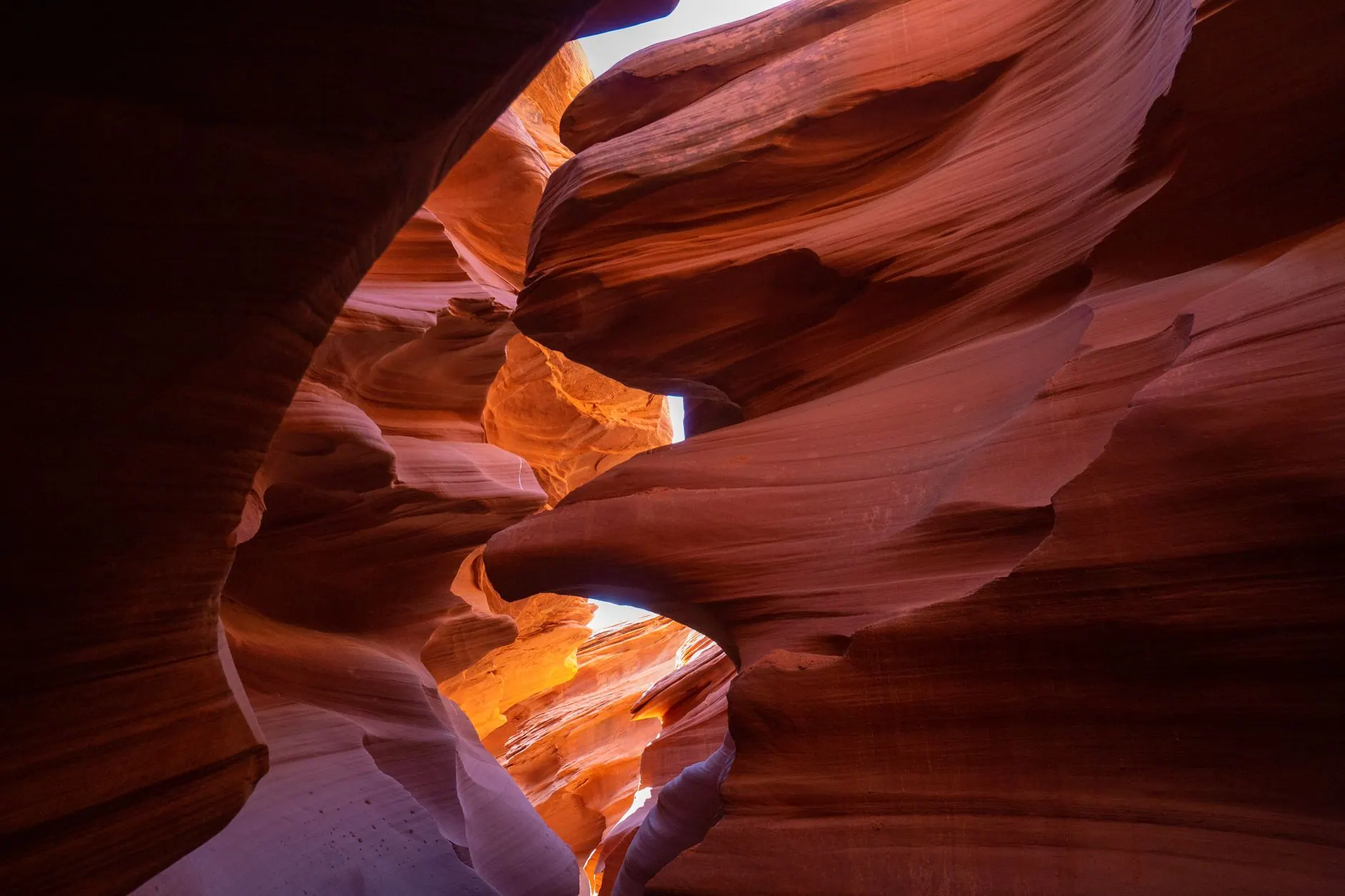
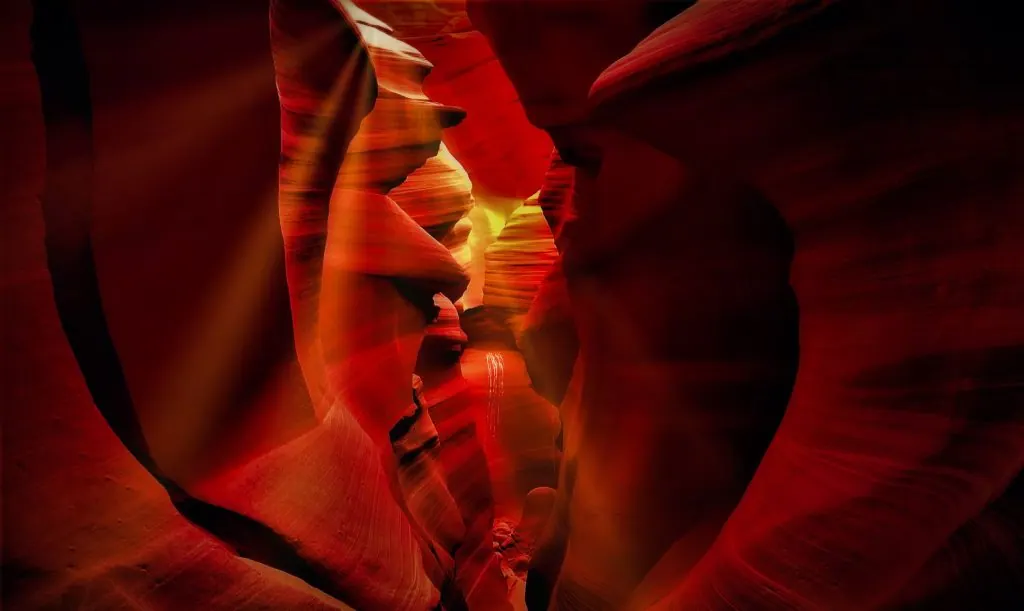
You have likely seen the images before. Vertical walls of orange and pink sandstone glowing in shafts of sunlight, crowded with selfie sticks and camera tripods. That is the famous Upper Antelope Canyon experience. But if you step away from the paved paths and the large bus tours, there is a quieter, more rugged version of this landscape waiting just a few miles away. This is Secret Canyon, a hidden slot canyon that offers the same geological drama without the intense crowds.
Located east of Page, Arizona, this lesser-known area is part of the broader Navajo Nation land that straddles the border of Arizona and Utah. While Upper Antelope Canyon draws millions of visitors annually to its light-beam hotspots, Secret Canyon remains a best-kept secret for those willing to trade comfort for adventure. It is accessed primarily via off-road vehicles, allowing you to traverse rough terrain and reach sections of the canyon that larger buses cannot touch. The result is a more intimate connection with the red rock corridors, where the sunlight casts brilliant shadows on auburn walls, and the silence is broken only by the wind and the crunch of boots on sand.
For travellers seeking a genuine experience of the American Southwest, avoiding the tour-bus queues is often the difference between a memorable trip and a crowded checklist item. Here is a practical guide to navigating Secret Canyon, from logistics to photography, ensuring you get the most out of your visit.
Secret Canyon vs. Upper Antelope Canyon
Understanding the difference between these two nearby landmarks is the first step in planning your day. Both are slot canyons carved into Navajo sandstone by flash floods and wind erosion over hundreds of years. Both offer stunning visual experiences. However, the way you experience them is fundamentally different.
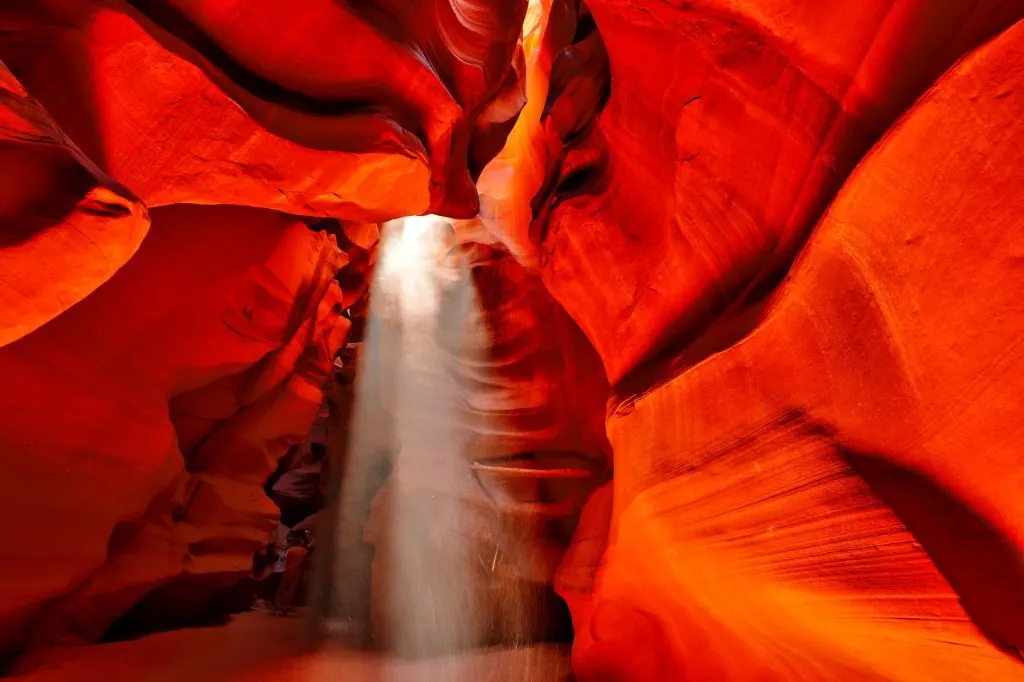
Upper Antelope Canyon is the celebrity of the region. It is famous for its "light beams" that pierce through narrow openings in the canyon ceiling during midday. Because of this specific optical phenomenon, it attracts large numbers of visitors. Access is primarily via large, air-conditioned buses that drive down paved roads to the canyon entrance. From there, you walk on constructed wooden walkways and flat sandy paths. It is accessible, comfortable, and incredibly photogenic, but it can feel crowded and commercialised, especially during peak season.
Secret Canyon, by contrast, is for the adventurous. It is not a single, defined channel like Upper Antelope but rather a network of slot canyons and washes. The journey to get there is part of the experience. You will typically ride in a 4x4 Jeep or similar off-road vehicle, bouncing over rocky terrain and navigating steep inclines. This rugged approach allows guides to take you to secluded spots where the crowds rarely venture. The walls are often taller and more imposing, and the light is less predictable but often more dramatic because you are not confined to a single viewing platform.
If you want a quick, easy photo op with minimal physical effort, Upper Antelope is the choice. If you want to feel like an explorer discovering a hidden world, Secret Canyon is the superior option. The trade-off is comfort for exclusivity. You will get dirtier, hotter, and more tired, but you will also have the canyon largely to yourself. The geological formations are similar, but the context changes entirely when you are surrounded by silence rather than the murmur of hundreds of other tourists.
How to Get to Secret Canyon
Reaching Secret Canyon requires a bit more logistical planning than booking a direct bus tour from a major city. While you can drive to the general region yourself, accessing the specific canyon areas often requires a guided tour due to Navajo land restrictions and the rugged nature of the terrain.
Most visitors base themselves in Las Vegas or Phoenix, both of which serve as major transport hubs. Las Vegas is particularly popular for tour departures, with daily services leaving from the Strip. These tours typically use luxury motor coaches for the initial leg of the journey, covering the distance to Page, Arizona, before transferring to 4x4 vehicles for the final approach into the canyon. This two-stage transport system is common: the bus handles the long-distance travel on paved highways, while the Jeep handles the rough, unpaved tracks leading to the canyon entrances.
If you are coming from Phoenix, the drive is longer but offers a different scenic route through the desert landscape. However, the vast majority of organised tours depart from Las Vegas due to its status as a primary tourist gateway. When booking, ensure you understand the transport included. Some tours might offer a direct 4x4 pickup from Las Vegas, but this is less common due to the distance and fuel costs.
It is crucial to remember that much of the land around Page is Navajo Nation land. This means you cannot simply drive your rental car into Secret Canyon and park. You need a guided tour or a specific permit to access these areas. The guides know the terrain, the weather patterns, and the exact locations of the best sections. They also handle the necessary permits, which can be confusing for independent travellers.
When planning your journey, consider the time of day. Tours often start early in the morning to catch the best light and avoid the midday heat. This means an early start, often before sunrise. If you are staying in Las Vegas, this involves an overnight drive or an early morning pickup. Factor this into your itinerary. Do not underestimate the travel time. The journey from Las Vegas to Page is significant, and the final leg into the canyon adds another layer of time.
Choosing Your Tour Operator
Not all tours are created equal. The difference between a large-group bus tour and a small-group 4x4 experience is stark, and it directly impacts your experience of Secret Canyon.
Large bus tours, typically accommodating thirty or more people, are efficient and comfortable. They are ideal for older travellers or those with mobility issues. However, they are limited in where they can go. The buses cannot navigate the rough, rocky trails that lead to the most secluded parts of Secret Canyon. Consequently, these tours often visit a few standard spots that are well-known and easy to access. The experience is safe and educational, but it lacks the sense of discovery.
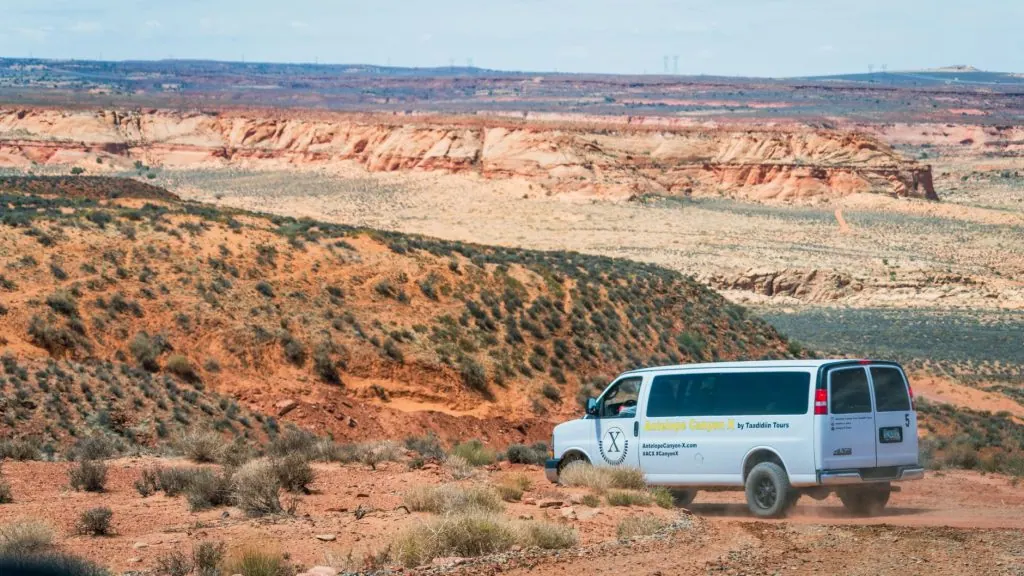
Small-group 4x4 Jeep tours, on the other hand, are the gold standard for Secret Canyon. These tours usually limit groups to six to eight people, allowing for a more personalised experience. The guides are often Navajo locals who provide deep cultural insights and historical context. The vehicles are equipped with safety features like roll bars and harnesses, but the ride is still bumpy and exciting. The guides know the land intimately, knowing exactly where the light hits the walls at different times of day and which routes offer the best photography opportunities.
When choosing a tour, look for operators that specialise in off-road adventures. Read reviews specifically mentioning the quality of the guide and the size of the group. A large group can feel impersonal, with guides shouting over the noise of the engine to give instructions. A small group allows for questions and a more relaxed pace.
Also, consider the vehicle type. Some tours use standard SUVs, while others use purpose-built Jeeps or trucks. The latter offer better suspension and ground clearance, making the ride smoother and less exhausting. This is important because you will be in the vehicle for a significant portion of the tour. A smooth ride means less fatigue and more energy for exploring the canyon on foot.
Another key factor is the inclusions. Some tours include lunch, while others do not. Given the remote location, having a meal provided can be a significant bonus. Check if water and snacks are included, as the desert environment can be dehydrating. Also, ask about the photography policy. Some operators allow you to bring your own camera, while others provide professional photography services as part of the package.
Best Time to Visit for Photography
Timing is everything when it comes to slot canyon photography. The interplay of light and shadow is what makes these landscapes so captivating, and this changes dramatically with the seasons and the time of day.
The best months to visit are March to May and September to November. During these periods, the weather is mild, with daytime temperatures in the comfortable range. The air is clear, and the light is soft, creating beautiful contrasts in the canyon walls. Summer months, particularly July and August, can be intensely hot, with temperatures soaring. While the heat can create dramatic, warm tones in the sandstone, it can also be exhausting and increase the risk of dehydration. Additionally, summer brings the monsoon season, which can cause flash floods and temporarily close the canyon.
Winter visits are possible but come with their own challenges. Temperatures can drop below freezing, especially in the early morning and late afternoon. The ground can be slippery, and the wind can be biting. However, the winter light is often clearer, and the crowds are thinner. If you visit in winter, pack extra layers and dress for the cold.
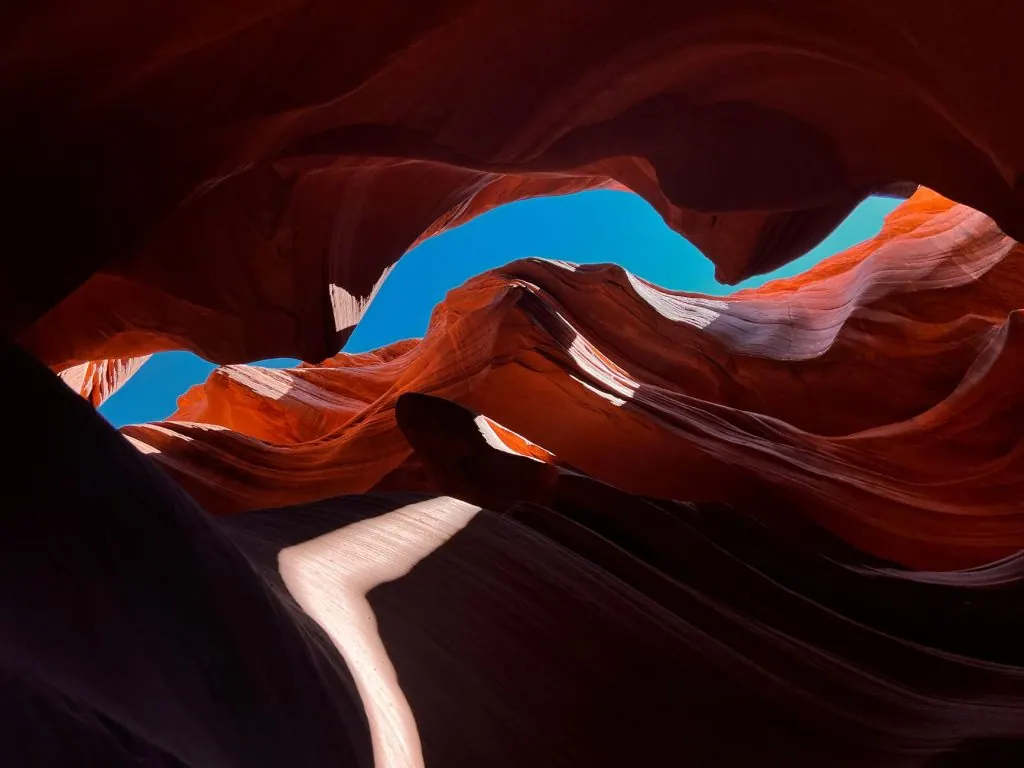
The time of day is equally important. For Secret Canyon, the golden hours just after sunrise and before sunset offer the most dramatic lighting. The sun is low in the sky, casting long shadows that highlight the texture of the rock. Midday light can be harsh and flat, washing out the colours and creating deep, dark shadows that obscure details. However, some sections of the canyon are designed to catch midday light beams, similar to Upper Antelope Canyon. If your primary goal is to capture these iconic light beams, you may need to adjust your schedule accordingly.
Photography tips for Secret Canyon include bringing a wide-angle lens to capture the towering walls and a telephoto lens for detailed shots of the rock textures. A tripod is useful for low-light conditions, but be mindful of the uneven terrain when setting it up. Polarising filters can help reduce glare and enhance the saturation of the red rocks. Remember that the canyon floor is sandy and often uneven, so protect your camera gear from dust and moisture.
What to Pack and Wear
The environment of a desert slot canyon is deceptively harsh. The combination of sun, sand, and uneven terrain requires careful preparation. Dressing and packing correctly can make the difference between a comfortable adventure and a miserable ordeal.
Footwear is the most critical item. Avoid sandals or flat sneakers. The canyon floor is composed of loose sand and sharp rocks, which can be difficult to walk on. Sturdy hiking boots with good ankle support are essential. They provide stability on uneven ground and protect your feet from sharp stones. Break in your boots before the trip to avoid blisters.
Clothing should be layered. Temperatures can fluctuate significantly between the shade of the canyon and the open desert. A lightweight, moisture-wicking base layer is ideal for hot days. Bring a long-sleeved shirt to protect your arms from the sun and scrapes against the rock. A light jacket or fleece is useful for early morning tours or winter visits. Avoid cotton, as it retains moisture and can make you cold if it gets wet.
Sun protection is non-negotiable. The desert sun is intense, and the canyon walls reflect light, increasing exposure. A wide-brimmed hat is highly recommended. Sunglasses with UV protection will reduce eye strain. Apply sunscreen generously, even on cloudy days, as UV rays penetrate clouds. A scarf or buff can be useful for covering your neck and face from dust and sun.
For photography, bring a camera bag with good protection. Sand is everywhere and can get into lens mechanisms. Use a blower or brush to clean your lens regularly. Bring extra batteries, as cold weather can drain them faster. A memory card with ample storage is also essential, as you will likely take many photos.
Don’t forget hydration. Carry at least two litres of water per person, even if the tour provides some. Electrolyte packets can help maintain balance in the heat. Snacks like nuts or energy bars are useful for keeping your energy levels up during the physical activity of walking and climbing.
The Navajo Experience and Culture
Secret Canyon is not just a geological wonder; it is a living part of Navajo culture. The land has been home to the Navajo people for centuries, and their connection to it is deep and spiritual. Understanding this context enriches the experience significantly.
Navajo guides are the heart of the tour. They are not just drivers or interpreters; they are custodians of the land. They share stories about the formation of the canyon, the plants and animals that inhabit it, and the traditional uses of the land. Listen closely to their narratives. They often point out specific features in the rock that have cultural significance, such as places where spirits are believed to reside or where traditional medicines are found.
The concept of "hózhó," or balance and harmony, is central to Navajo philosophy. This is reflected in the way the land is treated and the way visitors are expected to behave. Respect for the land is paramount. When you visit Secret Canyon, you are a guest in their home. Follow the guide’s instructions carefully, especially regarding where you can walk and where you can touch the rock. Some areas are fragile and can be damaged by foot traffic.
Photography etiquette is also part of the cultural experience. Some guides may ask for permission before taking photos of you, while others may prefer to take your photo themselves. Be respectful of their requests. Some areas may be considered sacred, and photography might be restricted or discouraged. Always ask before taking pictures in these zones.
The tour often includes a visit to a traditional Navajo home or a cultural demonstration. This is a chance to see how the Navajo people live today, blending tradition with modern life. You might see weaving, pottery, or other crafts. Purchasing these items directly from the artisans supports the local community and preserves traditional skills.
Understanding the history of the Navajo Nation adds depth to the landscape. The land has seen wars, relocation, and resilience. The guides often share these stories with sensitivity and pride. Listening to them provides a perspective that goes beyond the visual beauty of the canyon. It connects you to the people who have shaped and been shaped by this land for generations.
Costs and What to Expect
Tours to Secret Canyon vary in price depending on the operator, the size of the group, and the inclusions. This range reflects the difference between a basic 4x4 ride and a premium experience with gourmet lunch and professional photography.
The price typically includes transport from the departure point, the guided tour, and often lunch or snacks. It may also include the necessary permits for entering Navajo land. However, it is important to check what is excluded. Gratuities for the guide and driver are usually not included and are appreciated for good service. Parking fees at the tour operator’s lot may also be extra.
Professional photography services are often an additional cost. Some tours include a few digital photos in the price, while others charge per image or per package. If photography is a priority, clarify this when booking.
Be aware of cancellation policies. Weather conditions can affect the tour, especially during the monsoon season. Some tours may be cancelled or rescheduled due to flash flood risks. Ensure you have travel insurance that covers weather-related cancellations, especially if you are on a tight itinerary.
Payment methods vary. Most operators accept credit cards, but some may require a deposit to secure your booking. Check the payment terms carefully. Some tours may require full payment at the time of booking, while others allow payment on the day.
The value of the tour lies in the expertise of the guide and the exclusivity of the access. A cheap tour might save money upfront but could involve a larger group, less comfortable transport, or a less experienced guide. Consider the overall experience when comparing prices. A slightly more expensive tour with a smaller group and a better guide often provides a more memorable experience.
Common Mistakes to Avoid
Even with good planning, travellers can make mistakes that detract from their Secret Canyon experience. Avoiding these common pitfalls will ensure a smoother and more enjoyable visit.
One of the biggest mistakes is booking the wrong type of tour. If you are expecting a rugged off-road adventure but book a large bus tour, you will miss the essence of Secret Canyon. Conversely, if you have mobility issues and book a 4x4 tour, you might find the ride too bumpy. Read the tour description carefully. Look for keywords like "4x4," "off-road," "small group," and "Jeep" if you want the authentic experience.
Another common error is wearing inappropriate footwear. Sandals are a common sight among tourists, but they offer little protection on the rocky canyon floor. You will likely encounter sharp stones and uneven ground. Sturdy hiking boots are a must. Also, avoid wearing flip-flops, as they can easily slip off or get stuck in the sand.
Ignoring the weather forecast is another mistake. The desert can be deceptive. A sunny day in the city does not guarantee clear skies in the canyon. Flash floods can occur even without rain in the immediate area. If the guide advises cancelling or altering the route due to weather, trust their judgment. Safety is paramount.
Photography mistakes are also frequent. Many travellers bring large, cumbersome cameras that are difficult to handle in tight spaces. A compact mirrorless camera or even a high-quality smartphone can be more practical. Also, forget to bring a lens cloth. The sand gets everywhere, and a dirty lens will ruin your photos.
Respecting Navajo customs is crucial. Some areas are sacred, and photography may be restricted. Always ask before taking pictures of people or specific landmarks. Do not touch the rock formations unnecessarily, as oils from your skin can damage the delicate surface over time. Listen to the guide’s instructions about where you can walk and where you can go.
Finally, do not underestimate the physical demands of the tour. Walking in sand requires more effort than walking on pavement. Pace yourself and take breaks when needed. Hydrate regularly, even if you do not feel thirsty. The dry air can mask dehydration until it is too late.
By avoiding these common mistakes, you will be well-prepared for a memorable and respectful visit to Secret Canyon. The combination of natural beauty, cultural depth, and physical adventure makes it a standout destination for any traveller visiting the American Southwest.
Official sources and further reading
Opening times, entry rules and prices change, so check them on the official sites before you travel:
- Navajo Nation Parks and Recreation: Official information and rules for Antelope Canyon visits.