By
By 
Standing shoulder-to-shoulder with thousands of other people in a sea of selfie sticks is a rite of passage for modern travel. It is exhausting, loud, and often overwhelming, yet we do it because we want to see the places that define a destination. Whether you are chasing the neon glow of a major city centre or the fantasy architecture of a theme park, the world’s most-visited tourist hotspots offer a unique energy that you simply cannot find elsewhere. The trick to enjoying them is not just showing up, but understanding the rhythm of the crowd.
This guide cuts through the hype to give you practical, usable advice for eight of the most iconic locations on the planet. You will find concrete tips on timing, navigation, and avoiding common pitfalls, helping you turn a chaotic experience into a memorable one. By planning ahead, you can sidestep the worst of the congestion and focus on what really matters: the experience itself.
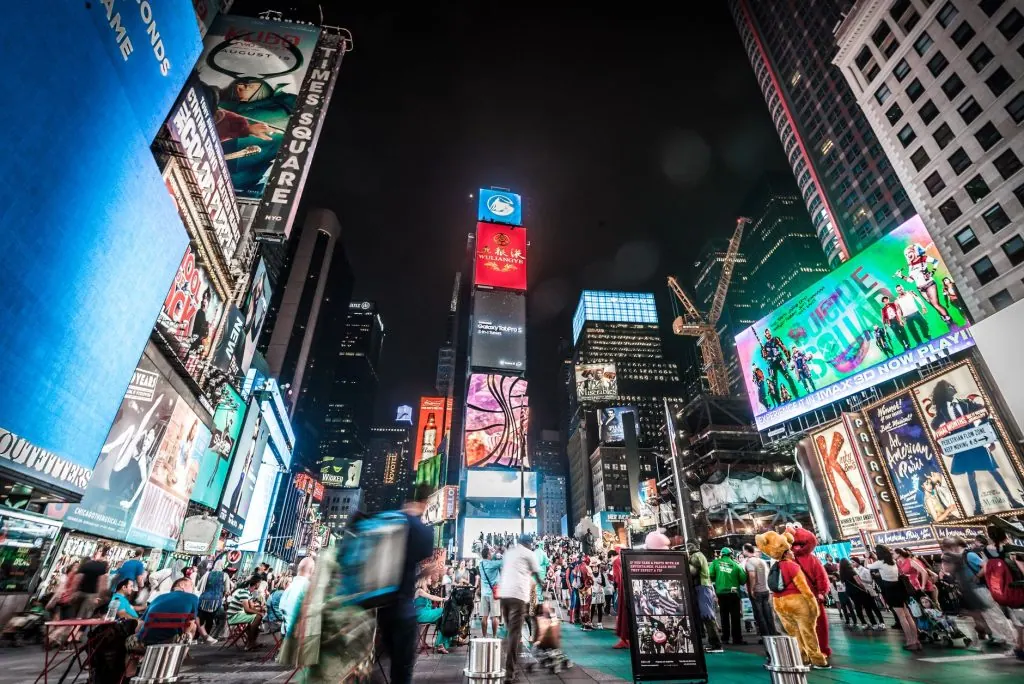
Times Square: Navigating the Neon Heart of New York
Times Square sits at the epicentre of Midtown Manhattan, a pedestrian-heavy zone defined by towering digital billboards and relentless energy. With tens of millions of visitors descending on the area annually, the sheer density of people can feel suffocating if you arrive at the wrong time. To avoid the peak crush, aim for midweek mornings or late evenings outside of major holiday periods. The area transforms significantly after 10 pm, when the crowds thin out and the atmosphere becomes far more manageable for photography and exploration.
Getting there is straightforward but requires awareness. The subway system serves multiple lines that stop at Times Square-42nd Street, making it a central hub. However, the underground concourses can be labyrinthine and confusing for first-timers. Stick to the main thoroughfares like Broadway and Seventh Avenue to keep your bearings. If you prefer walking, the pedestrian plazas in the middle of the street allow you to sit on café tables and people-watch without fighting for space on the sidewalks.
For dining, the immediate vicinity is dominated by chain restaurants with inflated prices and long queues. A better strategy is to walk a few blocks north or south to find more authentic, affordable eats that offer better value. The Broadway theatres are the main draw here, so book tickets in advance for popular shows to avoid disappointment. While the area feels commercial, it is undeniably the beating heart of the city. For more ideas on what to do in this region, consider looking at Best Tourist Destinations in the USA to build a broader itinerary that balances these high-energy zones with quieter neighbourhoods.
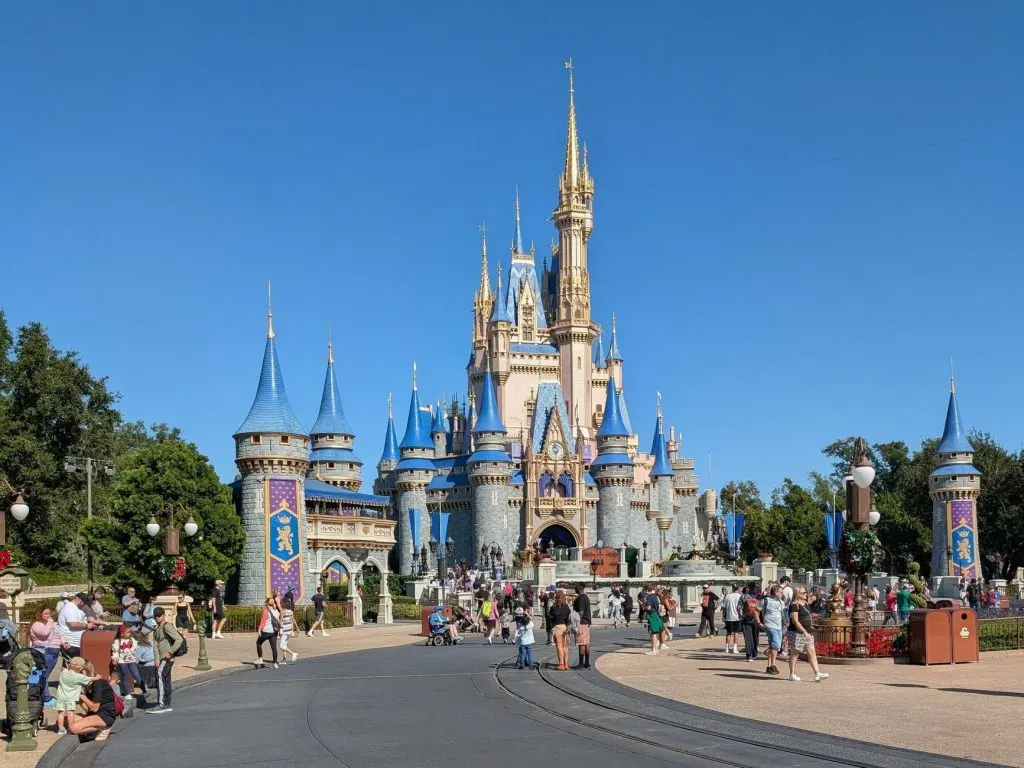
Magic Kingdom: Mastering the Orlando Theme Park Experience
Magic Kingdom in Orlando is a massive undertaking that requires physical stamina and strategic planning. With millions of visitors each year, the queue times for popular attractions can stretch to hours if you do not plan ahead. The park is designed around Cinderella’s Castle, which serves as the visual anchor and a central meeting point. To make the most of your day, arrive before the gates open. The first hour often offers shorter wait times for major rides like Space Mountain and Seven Dwarfs Mine Train before the main crowds arrive.
Understanding the queue system is crucial. While standard lines exist for every attraction, paid skip-the-line options like Genie+ or Lightning Lanes can significantly reduce your waiting time, though they come at an additional daily fee. Weigh the cost against your patience; if you are visiting with young children who tire easily, these passes often pay for themselves by reducing stress. Conversely, if you are on a tight budget, arrive early and target the less popular rides first, saving the headliners for later in the day when queue lines sometimes move faster due to lower demand.
Dining inside the park can be expensive and time-consuming. Look for quick-service locations that offer sit-down style meals without the wait, such as the Crystal Palace or Casey’s Corner. For a more special occasion, book table-service restaurants well in advance. The park is generally family-friendly, with attractions suitable for all ages, but the heat and walking can be draining. Take breaks in air-conditioned shops or shows, and keep hydrated. The magic is in the atmosphere, so allow time just to wander and soak in the details rather than rushing from ride to ride.
Grand Bazaar: Bargaining and Shopping in Istanbul
The Grand Bazaar is a covered market spanning 61 streets and more than 4,000 shops, making it easy to get lost. With millions of visitors annually, it is a sensory overload of colours, sounds, and scents. The layout is not grid-like but rather a winding network of corridors that open into large domed halls. To navigate efficiently, enter through the main gates and keep a map handy, as landmarks like the clock tower and the Egyptian Spice Bazaar can help you orient yourself.
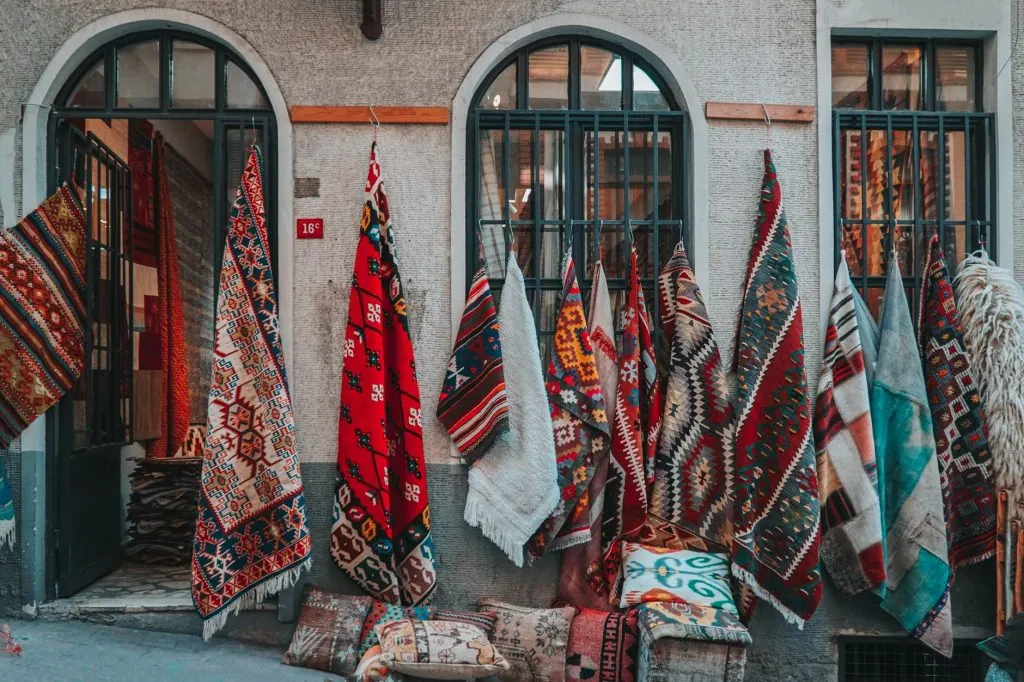
Shopping here is an art form. You will find intricate Turkish lamps, hand-painted ceramics, copperware, and traditional carpets. When purchasing textiles or jewellery, expect to haggle. Start by offering around half the initial price and negotiate with a smile and patience. It is a social interaction, not a battle. Avoid buying from the first shop you see; walk around to compare prices and quality. Authentic Turkish coffee is available in many small kiosks throughout the bazaar, offering a perfect respite from the noise.
Food stalls selling doner kebab and other local delicacies are scattered throughout the complex. Be cautious of tourist-trap restaurants that look busy but serve generic food. Instead, look for places where locals are eating or where the food is prepared fresh in front of you. The bazaar closes on Sundays, so plan your visit accordingly. If you find the crowds overwhelming, retreat to the nearby Sultanahmet square for a clearer view of the architecture before re-entering. The key to a successful visit is setting a budget before you enter and sticking to it, regardless of how persuasive the sales pitches become.
Notre-Dame Cathedral: Visiting Paris’s Gothic Masterpiece
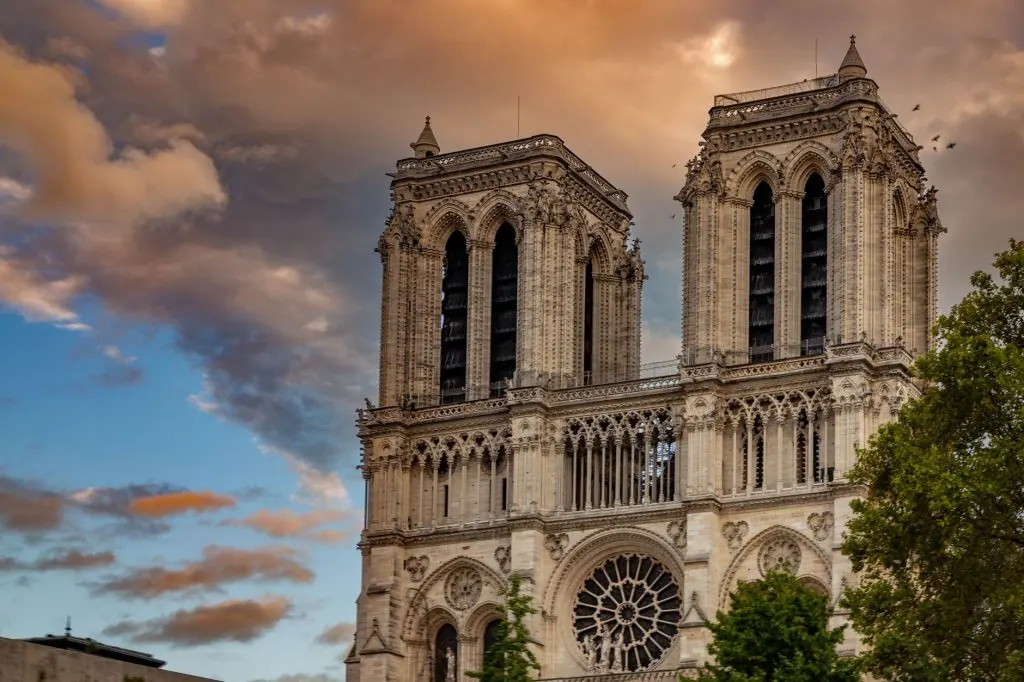
Notre-Dame Cathedral is a masterpiece of French Gothic architecture, drawing millions of visitors each year to see its soaring buttresses, intricate rose windows, and famous gargoyles. Following the fire damage, the cathedral has undergone extensive restoration. While the interior may have limited access depending on the current restoration schedule, the exterior remains a stunning display of medieval craftsmanship. The flying buttresses, which support the high walls, are a testament to the engineering prowess of the 13th century.
For the best photographic angles, move away from the main tourist throng on the parvis. Walk along the banks of the Seine to capture the cathedral’s profile against the sky, or head to the left bank for a classic view that includes the water in the foreground. The south porch offers detailed sculptural carvings that are often overlooked by hurried visitors. If you want to go inside, check the official website for the latest entry procedures and ticket requirements, as these can change frequently during restoration works.
Combine your visit with a Seine river cruise for a different perspective of the city. These cruises offer a relaxing way to see other landmarks like the Eiffel Tower and the Louvre from the water, providing a break from the walking. The area around the cathedral, Île de la Cité, is rich in history, with nearby sites like the Conciergerie offering further insight into Paris’s past. Whether you are interested in architecture, history, or simply the atmosphere, Notre-Dame offers a profound sense of continuity amidst a modern city.
Tokyo Disneyland: Blending Tradition with Fantasy
Tokyo Disneyland offers a unique twist on the classic American theme park formula, infused with distinct Japanese cultural touches and exceptional service. The attention to detail is meticulous, from the cleanliness of the pathways to the friendliness of the cast members. Seasonal events, particularly Halloween and Christmas, transform the park with special decorations, parades, and limited-time food offerings. These periods are incredibly popular, so expect larger crowds and potentially higher prices for accommodations if you plan to stay on-site.
Transportation to the park from central Tokyo is efficient via the JR Keiyo Line or the Tokyo Metro. The journey takes roughly an hour, so factor this into your daily plan. Once inside, navigate the park by prioritizing your must-do attractions early in the day. The park is divided into themed lands, each with its own atmosphere. Fantasyland is particularly appealing for families with young children, featuring gentle rides and character meet-and-greets.
For those traveling with small children, the park is very accommodating, with baby care centres and nursing rooms available throughout. However, the sheer size can be daunting. Focus on one or two lands per day rather than trying to see everything. The food options range from quick-service counters to character dining experiences. Be aware that alcohol is served only in specific restaurants, which can be a surprise for visitors used to standard theme park conventions. The blend of Western fantasy and Japanese hospitality creates a unique experience that feels both familiar and distinctly different from its counterparts.
Golden Gate Bridge: San Francisco’s Iconic Landmark
The Golden Gate Bridge is more than just a structure; it is a symbol of San Francisco. To get the best experience, avoid the peak summer afternoons when crowds and traffic are at their worst. Early morning is ideal for clear views and fewer people, though be prepared for the characteristic fog that often rolls in later in the day. The bridge is a marvel of engineering, painted in its iconic International Orange colour to stand out against the grey sky and water.
For the best views, walk or bike across the bridge. There are dedicated pedestrian paths on both sides, but the western side offers slightly better vistas of the Marin Headlands. Parking at the bridge is limited and often requires a fee during peak times. A better strategy is to park at one of the lots in the Presidio or near the Visitor Centre and take the shuttle bus or walk the short distance. This avoids the stress of circling for a spot and the additional daily fees.
Combine your visit with a trip to Fisherman’s Wharf, located just south of the bridge. This area offers seafood restaurants, street performers, and views of sea lions. However, it can be tourist-heavy and expensive. For a more local feel, head north to the Marina District or south to the Presidio for hiking trails and green spaces. The bridge is a living structure, subject to wind and weather changes. Always check the wind conditions if you plan to cycle, as strong gusts can make the ride challenging. The experience is best enjoyed with patience and an appreciation for the natural beauty surrounding the steel giants.
The Forbidden City: Exploring Beijing’s Imperial Palace
The Forbidden City served as the imperial palace for nearly five centuries and remains one of the largest ancient palatial structures in the world. With millions of visitors annually, the central axis can become congested. To avoid the summer crowds, visit during the shoulder seasons of spring or autumn, or choose a weekday morning. The complex is vast, spanning nine hundred buildings, so wear comfortable shoes and plan your route in advance.
Etiquette inside the palace is relatively relaxed, but be mindful of your surroundings. Photography is permitted in most areas, but tripods and selfie sticks may be restricted in certain sensitive zones. Check the current rules upon entry, as they can vary. The architecture is symmetrical and imposing, designed to reflect the power of the emperor. Focus on the Hall of Supreme Harmony for the most impressive scale, and then explore the inner quarters to understand the daily life of the imperial household.
Nearby cultural sites include the Temple of Heaven, which offers a different architectural style and a more local atmosphere. The Temple of Heaven is a great place to see Beijing’s residents practicing tai chi and playing traditional games. If you visit the Forbidden City, consider booking a guided tour to gain deeper insights into the history and symbolism of the structures, as the sheer volume of buildings can be overwhelming. The site is closed on Mondays, so plan accordingly. The experience is as much about the history as it is about the visual spectacle.
Sacré-Cœur Basilica: Climbing to Views of Paris
The Sacré-Cœur Basilica sits atop Montmartre hill, offering panoramic views of Paris that are hard to beat. The basilica is Roman Catholic, not a cathedral, and its white travertine stone glows brightly in the sunlight. There are two ways to experience the building: the nave is free to enter, while climbing the dome or visiting the crypt requires a ticket. The dome climb is steep and narrow, so it may not be suitable for those with mobility issues or claustrophobia. However, the view from the top is unparalleled, especially at sunset when the city turns golden.
Montmartre is a historic artistic district, once home to Picasso and Dalí. The streets around the basilica are filled with artists selling their work in the Place du Tertre. It is a charming area to explore, though it can be crowded with tourists. Be vigilant against pickpockets, especially on the steps leading up to the basilica and in the nearby metro stations. Keep your belongings close and avoid flashing expensive items.
The best time to visit is late afternoon, allowing you to see the city during the day and at night. The fountains at the bottom of the hill are a nice place to relax after the climb. The area has a village-like feel, with quaint cafes and bistros that offer a respite from the bustling city centre. If you are interested in art, consider visiting the nearby Musée de Montmartre to learn more about the district’s creative history. The climb is worth the effort for the perspective it provides on the City of Light.
Official sources and further reading
Opening times, entry rules and prices change, so check them on the official sites before you travel:
- GOV.UK: foreign travel advice: Entry rules, safety and health notices for every country, kept up to date by the UK government.