By
By 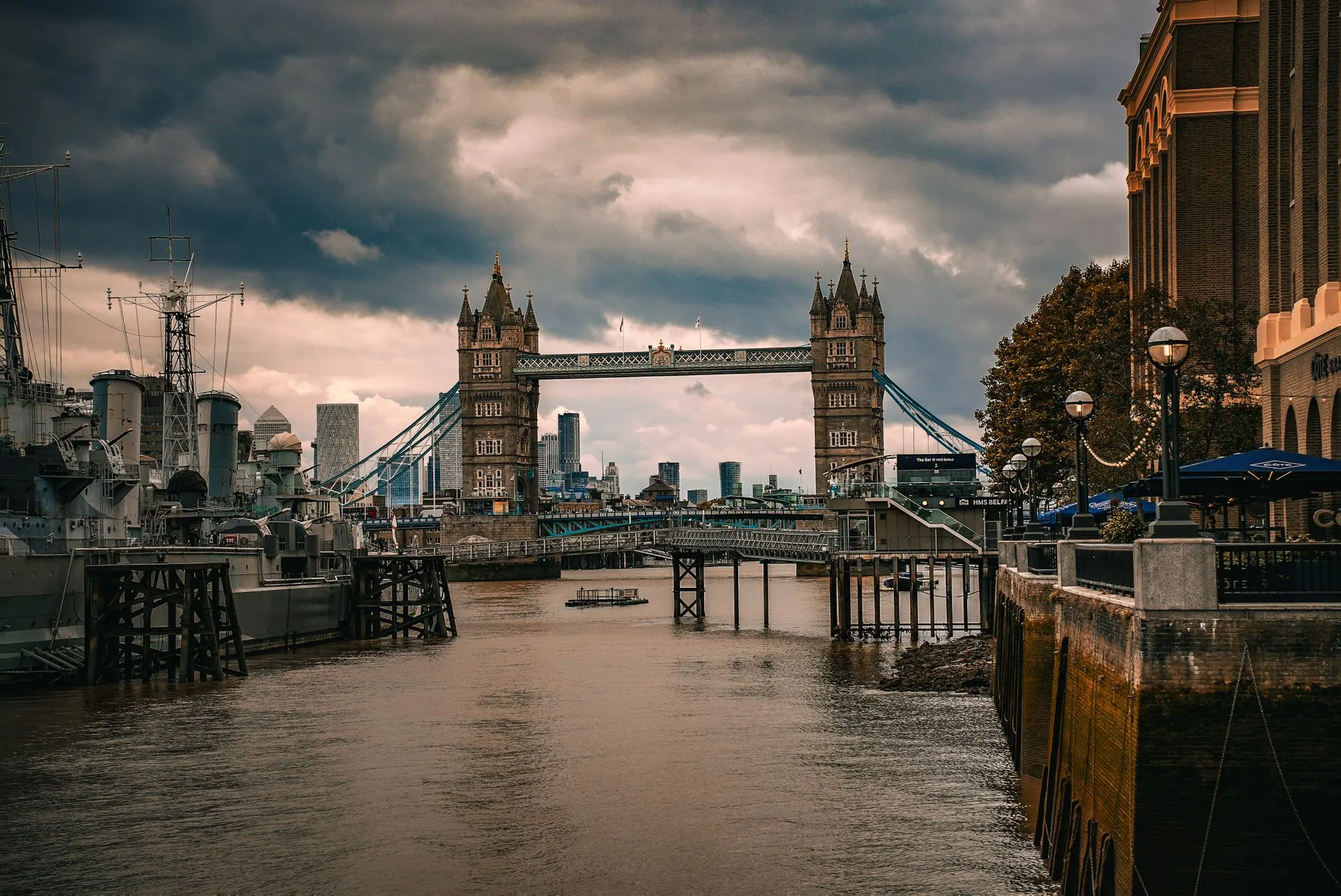
London is a city that demands strategy. You could spend weeks wandering its streets and still only scratch the surface, but for a first-time visitor, the sheer volume of options can be paralyzing. The difference between a frustrating trip and a memorable one often comes down to logistics rather than luck. Knowing where to start, how to move between sites, and which attractions justify the queue time is what separates a good trip from a great one. This guide breaks down the essential experiences, focusing on practical advice to help you structure your days efficiently and see the city’s highlights without burning out.
Planning Your London Itinerary
A London itinerary works best when it respects geography. The city is dense, and trying to zigzag across the Thames or between distant boroughs in a single day wastes precious hours in transit. Group nearby attractions into logical clusters. For instance, pair a morning at the Tower of London with an afternoon stroll along the Thames Path towards the Tate Modern. This minimizes travel time and keeps the momentum going.
Booking timed entry tickets for major sites is non-negotiable during peak seasons. The Tower of London and the London Eye often sell out days in advance. Arriving without a ticket can mean waiting in a queue that stretches for an hour or more, cutting into your sightseeing time. Check availability as soon as you book your accommodation. If you are visiting during school holidays or summer, secure these slots weeks ahead.
Be realistic about how much you can see. Two major museums in one day is often enough; trying to cram three in can lead to decision fatigue. Prioritise the sites that excite you most and leave buffer time for unexpected discoveries or a longer lunch break. Flexibility is key. If a museum is packed, swap it for a nearby park or a quiet gallery.
Getting Around the Capital
Navigating London is straightforward once you understand the rules of the road. The Underground, or Tube, is the fastest way to cover long distances. However, it can be crowded and confusing for first-timers. For shorter journeys, or when you want to see the city, buses are a better option. They run on the same streets as the traffic, offering a grounded perspective of the architecture and street life.
Payment is simple and uniform. Use a contactless bank card or a mobile device for both Tube and bus travel. This system automatically applies a daily fare cap, ensuring you never pay more than the cost of a day travelcard. An Oyster card works identically but offers no financial advantage for short stays; it is mainly useful if you need a physical card for ease of use. Avoid buying single paper tickets, which are significantly more expensive.
Walking is often the best way to connect clustered attractions. The South Bank, stretching from Westminster Bridge to Tower Bridge, is flat, scenic, and full of street performers, markets, and views. Similarly, wandering through Covent Garden or the streets around Soho offers a more immersive experience than hopping on a bus. Just be aware that popular walking routes can get congested. Keep to the left on pavements and be mindful of cyclists on cycle lanes.
For longer trips or when the Tube is delayed, ride-hailing apps and black cabs are available. They are more expensive but offer door-to-door convenience, especially late at night or when carrying heavy luggage.

Where to Base Yourself
Choosing the right area to stay affects both your budget and your daily rhythm. Westminster is ideal if your priority is proximity to major landmarks like the Houses of Parliament and Buckingham Palace. It is central and walkable, but hotels here command a premium price and can feel tourist-heavy.
Covent Garden offers a vibrant atmosphere with easy access to theaters, independent shops, and diverse dining options. It is lively, sometimes noisy, and centrally located. If you enjoy being in the heart of the action, this is a strong choice. However, expect higher accommodation costs and busy streets well into the evening.
Shoreditch appeals to those seeking a trendier, local vibe. It is known for its creative scene, street art, and nightlife. Staying here puts you in East London, which feels less formal and more contemporary. However, you are further from the classic West End landmarks, meaning longer commutes to the main tourist sites.
A practical compromise is to stay just outside Zone 1, in areas like King’s Cross, Camden, or Pimlico. These locations offer good transport links via the Tube and buses. You can reach central London in fifteen to twenty minutes, but accommodation is noticeably cheaper midweek. This trade-off allows you to splurge on experiences rather than sleeping arrangements. Check the specific tube line connections for your potential hotels, as some stations are closer to attractions than others.
Royal London and Iconic Landmarks
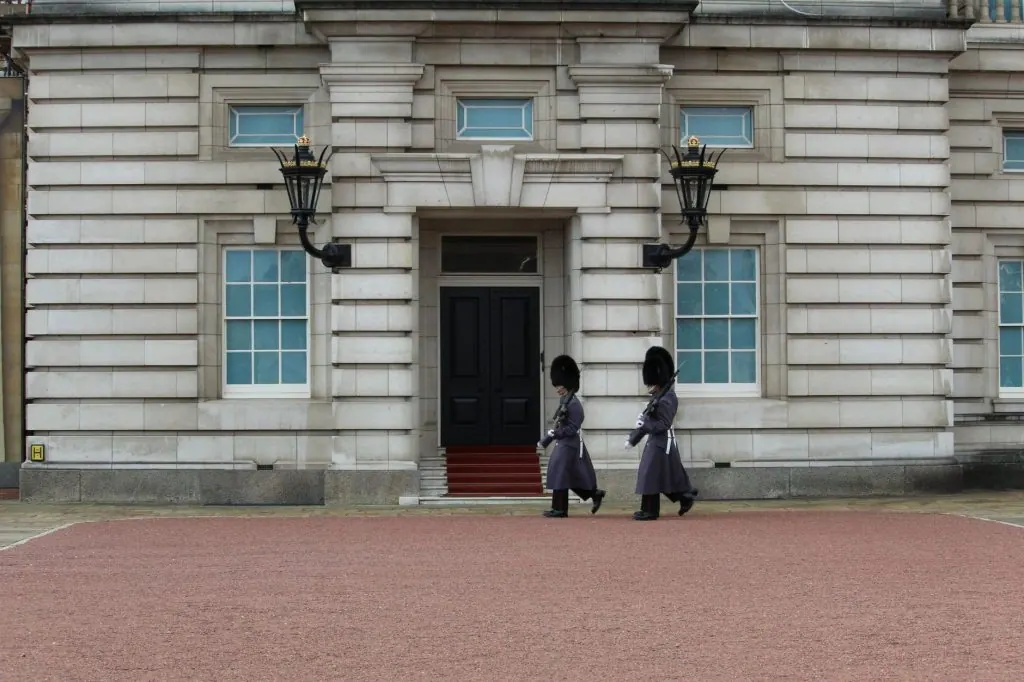
Buckingham Palace is the monarch’s official London residence. The Changing of the Guard ceremony is a daily spectacle that draws large crowds. It is free to watch from outside the palace gates, but you will need to arrive early to secure a good viewing spot. Inside the State Rooms, you can tour the palace during summer months when the monarch is not in residence. This requires a paid ticket and offers a glimpse into royal life, but the experience is more about historical grandeur than intimate insight.
Westminster Abbey and the Houses of Parliament stand nearby. The exterior of Westminster Abbey is stunning, with intricate Gothic architecture that tells the story of British history. You can view it from the outside for free, which is often less crowded than entering. If you do visit inside, you will see the tombs of historical figures and attend services, but the exterior architecture is sufficient for most visitors.
The Houses of Parliament, or the Palace of Westminster, offer guided tours that provide insight into the UK’s political system. These are popular and should be booked in advance. The Elizabeth Tower, commonly known as Big Ben, is visible from the Thames Path. Crossing the Thames via Westminster Bridge offers one of the best panoramic views of this cluster of landmarks.
The London Eye provides a different perspective. This giant observation wheel offers 360-degree views of the city. It is best visited in the late afternoon to see the city in daylight and then at dusk as lights come on. The queue can be long, so pre-booked tickets are advisable. The views are impressive, but the experience is short, lasting about thirty minutes.
World-Class Museums and Galleries
London’s museum scene is a major draw, and the fact that most major institutions are free to enter is a significant advantage. The British Museum houses a vast collection of world art and artifacts, including the Rosetta Stone and Egyptian mummies. It is easy to spend an entire day here, so focus on specific galleries to avoid overwhelm. The Egyptian and Greek sections are highlights.
The Natural History Museum is another free gem, particularly engaging for families. Its dinosaur skeletons and natural world exhibits are world-class. The building itself is a masterpiece of Victorian architecture. Like the British Museum, it can be crowded, so visiting early in the day or on a weekday is preferable.
For contemporary art, the Tate Modern is essential. Located in a former power station on the South Bank, it houses works by artists like Picasso and Warhol. The building’s turbine hall often features large-scale installations. The views from the viewing level over the Thames are stunning and free, offering a great alternative to paid observation decks.
Other notable free museums include the Victoria and Albert Museum for design and the National Gallery in Trafalgar Square for old masters. While entry is free, special exhibitions often have a charge. Check the website for current displays before you go. These institutions are climate-controlled, making them a good option on rainy or hot days.
Historic Fortresses and Literary History
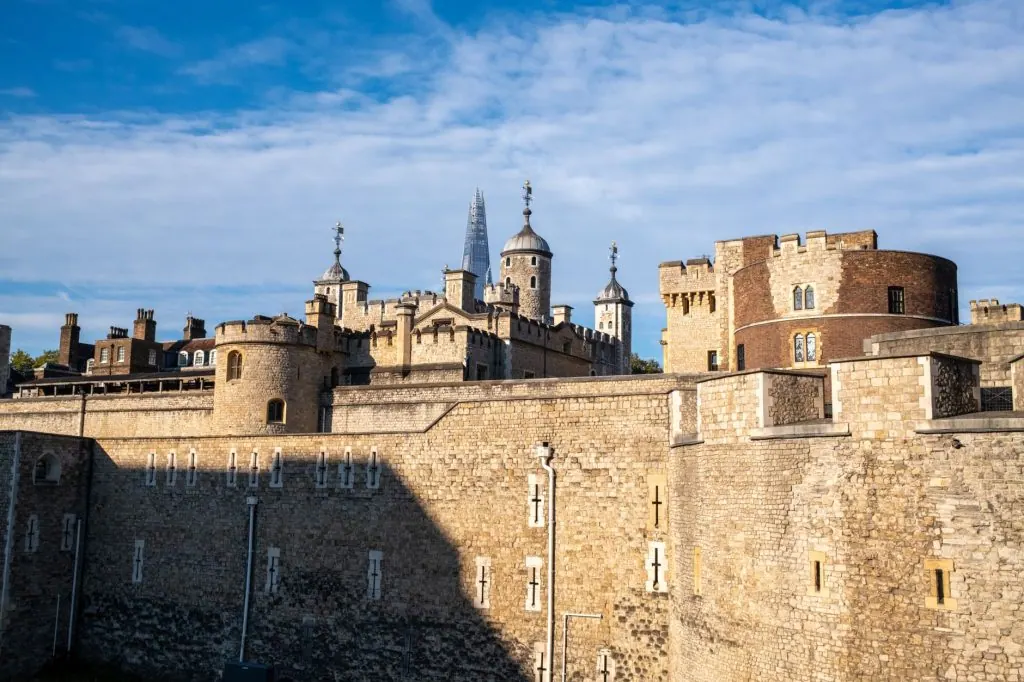
The Tower of London is a historic castle on the north bank of the River Thames. It has served as a palace, a prison, and an execution site. The Crown Jewels are housed here, and seeing them is a highlight. The Yeoman Warders, or Beefeaters, lead tours that add personality and historical context to the visit. These tours are informative and entertaining, covering centuries of royal intrigue.
The Tower’s history is deep and sometimes brutal. The White Tower, the original Norman keep, houses armor and weapons. The chapel of St Peter ad Vincula holds the graves of executed figures, including Anne Boleyn. The ravens are a famous feature; legend says that if they leave, the kingdom will fall. They are well-cared for and visible in the outer grounds.
Shakespeare’s Globe Theatre is a reconstruction of the original Elizabethan playhouse. It sits near the original site, offering an immersive experience of Tudor theater. You can take a guided tour of the theater to understand its architecture and history, or watch a play performed in the style of Shakespeare’s time. The open-air design and standing room for groundlings provide a unique perspective on how plays were experienced in the 16th century.
Both sites benefit from guided tours. The Tower’s warders provide context that self-guided visits might miss, while the Globe’s guides explain the theatrical conventions of the era. Booking ahead is recommended, especially for summer visits.
London’s Culinary Scene
London’s food scene is diverse and vibrant, offering everything from traditional pub grub to international street food. A traditional Sunday roast is a must-try experience. Look for pubs that serve roast beef with Yorkshire pudding, vegetables, and gravy. This is a quintessential British dish, often enjoyed in a cozy, historic setting.
Fish and chips remain a classic. While chains abound, independent shops often provide higher quality ingredients. Look for fresh, locally sourced fish and proper batter. Pair it with mushy peas and tartar sauce for an authentic taste.
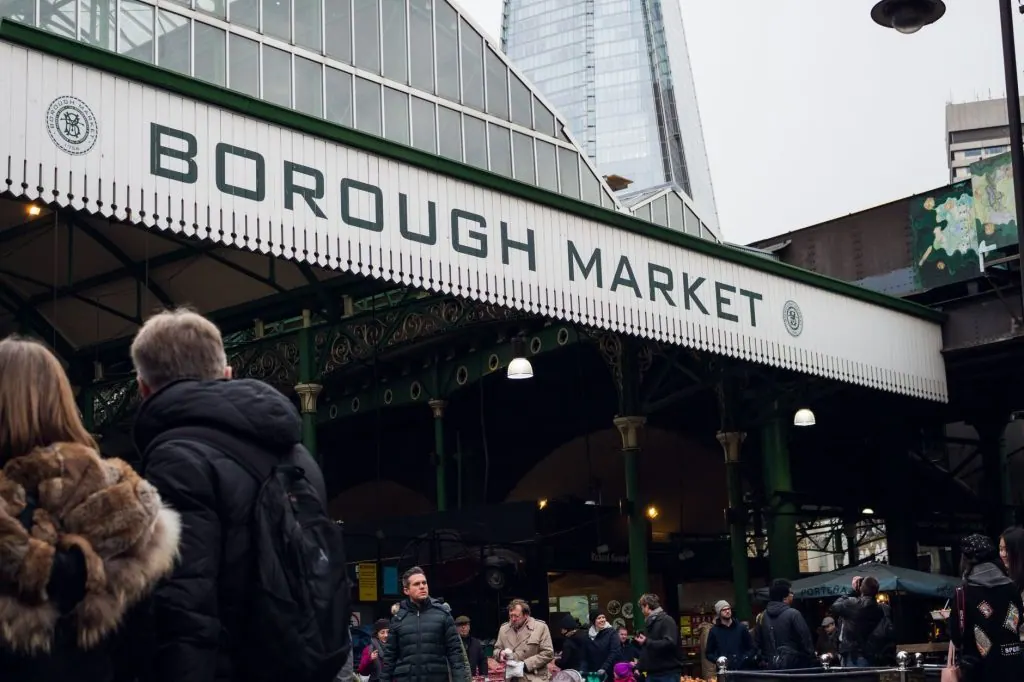
Borough Market is a food lover’s paradise. Located near London Bridge, it offers a wide variety of street food, fresh produce, and artisan goods. It is perfect for a quick lunch or a snack while exploring. The market is bustling, so go early to avoid the biggest crowds. Try samples of cheese, bread, and ready-to-eat dishes from different vendors.
Chinatown offers a different culinary experience, with dim sum, noodles, and roasted meats. It is located in the heart of the West End, making it easy to combine with theater visits. The area is vibrant and colorful, with decorations that reflect its cultural heritage.
For a Foodie’s Guide To The Best Eats in London, explore specific neighborhoods known for particular cuisines. East London is known for its diverse immigrant communities and innovative food markets. West London offers more upscale dining options. Always check reviews and opening hours, as popular spots can have long queues.
Green Spaces and Relaxation
London is surprisingly green, with numerous parks offering respite from the urban hustle. Hyde Park is the largest of the Royal Parks, covering 350 acres. It features the Serpentine lake, where you can rent boats, and Speaker’s Corner, where people gather to debate on Sundays. The park is ideal for walking, cycling, or simply relaxing on the grass. Visit early in the morning for the most peaceful experience.
Kew Gardens, the Royal Botanical Gardens, is a UNESCO World Heritage Site. It houses one of the most extensive collections of living plants in the world. The gardens are sprawling, so wear comfortable shoes. The tropical glasshouses are impressive, housing plants from around the globe. It is a great destination for nature lovers and families.
Hampstead Heath offers panoramic views of the city from Parliament Hill. It is less manicured than Hyde Park, with woodlands, ponds, and wildflower meadows. It feels more rural and is popular with locals. The area is large, so plan your route in advance.
Other notable green spaces include Regent’s Park, with its beautiful rose gardens, and Richmond Park, known for its deer herds. Parks are free to enter, making them a budget-friendly way to enjoy nature. Visit during weekdays to avoid weekend crowds. Bring a picnic and enjoy the scenery.
Shopping and Entertainment
Oxford Street is London’s premier shopping district, featuring over 300 shops. It is home to major high-street brands and department stores like Selfridges and John Lewis. The street is busy and can be congested, especially during sales. Use the Underground to access the area, as parking is expensive and limited.
Covent Garden offers a different shopping experience. It is known for independent boutiques, street performers, and artisan crafts. The area is pedestrian-friendly and visually appealing. It is a great place to find unique souvenirs and gifts. The nearby Popular Neighbourhoods To Explore In London offer more shopping options in a more relaxed setting.
The West End is the heart of London’s theater district. It hosts world-class shows, from musicals to plays. Tickets can be expensive, but there are ways to save. TKTS booths in Leicester Square offer discounted same-day tickets for many shows. Mobile apps also provide last-minute deals. Book in advance for popular productions, especially during peak seasons.
For 3 Places for a Great Night out In London, explore areas like Soho and Shoreditch for bars and clubs. Soho is known for its vibrant nightlife and diverse venues. Shoreditch offers a more alternative scene with indie bars and live music. Always check venue capacities and dress codes.
Practical Tips for a Smooth Trip
London is a city of layers, and the best experiences come from balancing iconic sights with local flavor. Use the Tube for speed, walk for discovery, and book ahead for key attractions. Keep your accommodation central but consider staying slightly outside Zone 1 for better value. Eat like a local by trying traditional dishes and exploring markets. Enjoy the parks for free relaxation and catch a West End show for entertainment. With these strategies, you can navigate London with confidence and make the most of your visit.
Official sources and further reading
Opening times, entry rules and prices change, so check them on the official sites before you travel:
- Visit London: The official visitor guide to London.
- Transport for London: Maps, fares and live service updates for the Tube, buses and trains.