 By
By 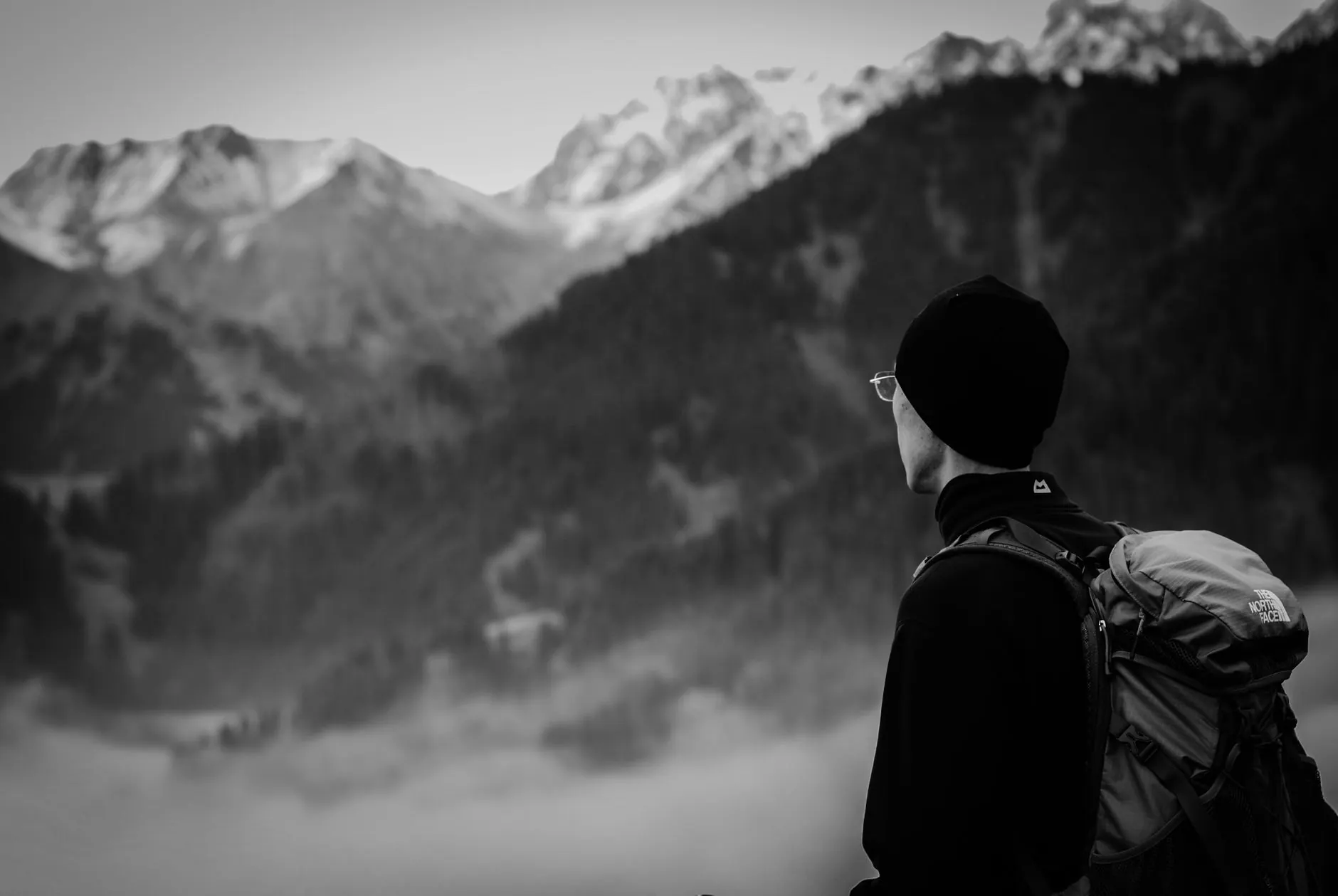
You arrive in a new city, check into your hotel, and immediately pull out your phone to check the weather, look up the nearest café, and post a photo to social media. You are ready to go. But as the days pass, you realise you are merely occupying space in a new location rather than truly experiencing it. You are collecting moments, not insights.
To truly broaden your mind whilst travelling, you need to shift from being a consumer of tourism to a participant in daily life. It is about moving beyond the surface-level sights and engaging with the rhythm of a place. This approach requires a deliberate change in mindset. You must be willing to be uncomfortable, to make mistakes, and to listen more than you speak. It is not about visiting more countries or checking off landmarks; it is about depth over breadth. By slowing down, engaging with locals, and simplifying your experience, you can transform a standard holiday into a period of significant personal growth. This guide offers practical, actionable steps to help you achieve that shift, ensuring your travels leave you changed rather than just tired.
Beyond sightseeing
Sightseeing is passive. It involves looking at things that have been curated for your consumption. Museums, monuments, and guided tours are designed to give you a clear, digestible narrative. While valuable, they rarely challenge your assumptions. Mind-broadening travel, by contrast, is active and often messy. It involves stepping off the beaten path and engaging with the uncurated reality of a place.
This shift starts with intention. Before you book, ask yourself what you want to learn, not just what you want to see. Are you interested in the local history, the food culture, or the social dynamics? Let that interest guide your itinerary. Instead of rushing through a museum, spend time in a local park watching how residents spend their weekends. Instead of eating at a tourist-trap restaurant, find where the locals queue for dinner.
A key element of this approach is removing the safety net of constant connectivity. If you are always plugged in, you are viewing the world through a screen, not with your own eyes. Try to disconnect. Let yourself get lost. When you are lost, you are forced to interact with your surroundings and the people in them. This vulnerability is where growth begins. You stop seeing a place as a backdrop for your photos and start seeing it as a living, breathing community with its own rules and rhythms.
Learn some of the language
You do not need to become fluent to benefit from learning the local language. Even a handful of phrases can change how locals perceive you and, more importantly, how you perceive them. It signals respect and a genuine desire to connect. When you speak even a few words of the local tongue, you move from being a tourist to being a guest.
Start with the essentials: greetings, please, thank you, and apologies. These are the building blocks of interaction. However, the real value lies in the humility that comes with struggling to communicate. When you make a mistake, you are reminded of your own ignorance, which is a powerful mind-broadening experience. It forces you to listen closely, to read body language, and to be patient.
Use a language learning app to build a foundation before you go, but rely on practice to solidify your skills. Carry a small notebook or use a notes app to jot down new words you hear. Ask locals to correct your pronunciation. Do not be afraid of sounding silly. The goal is communication, not perfection. This process of learning and failing is a microcosm of the broader travel experience: it is about being open to new ways of doing things.
Eat and drink like locals
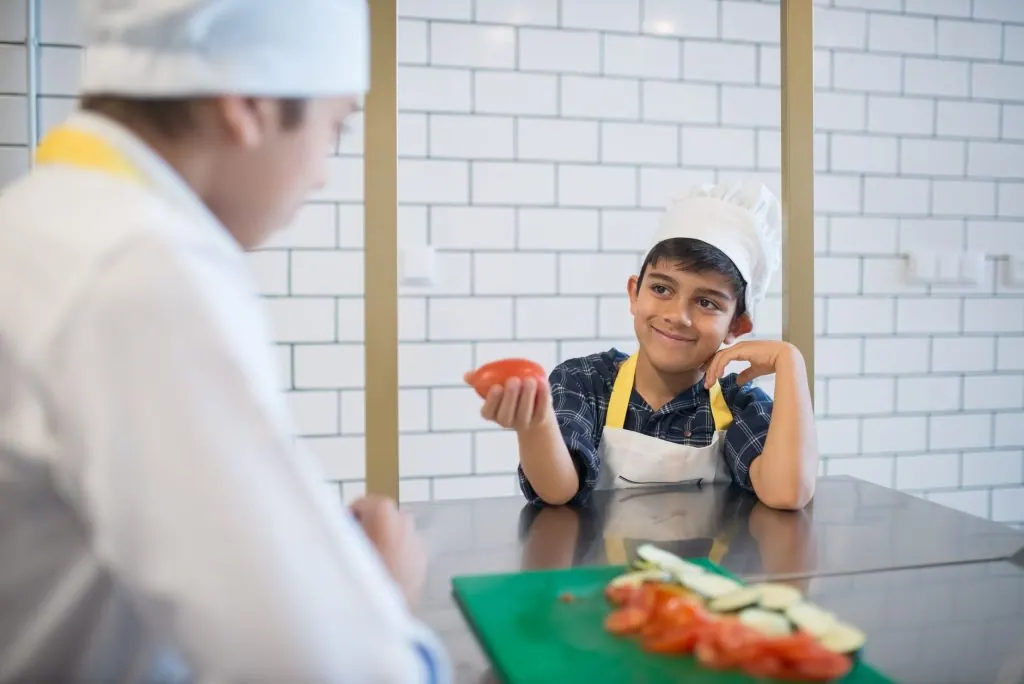
Food is one of the most direct ways to access a culture. It is tied to history, geography, and social customs. To broaden your mind through food, you need to move beyond the standard restaurant menu and engage with the local food ecosystem.
Start at the market. Markets are the heart of many communities. They are places where people live their daily lives, where bargaining happens, and where seasonal ingredients are celebrated. Visit a market early in the day to see the fresh produce and interact with the vendors. Ask them about the ingredients. How do they cook them? What is the best way to prepare them? This is a form of cultural immersion that is both delicious and educational.
Try to eat where the locals eat. This often means smaller, less glamorous establishments. Look for places with a local clientele. If you are unsure, follow the crowd. Also, consider taking a cooking class, but choose one that focuses on traditional, home-style cooking rather than tourist-oriented experiences. Learn the techniques and the stories behind the dishes.
Pay attention to etiquette. In some cultures, it is rude to finish your plate; in others, it is polite. In some places, you eat with your hands; in others, cutlery is essential. Observing and adapting to these norms shows respect and helps you understand the values of the culture.
Stay longer and slow down
The modern travel trend is often one of speed: more cities, more countries, more experiences. This "fast travel" model leaves little time for deep engagement. Slow travel, by contrast, is about staying in one place for a longer period. It allows you to move beyond the tourist bubble and into the neighbourhood.
Instead of moving every two or three days, consider staying in one location for a week or more. This gives you the chance to establish a routine. You can find your favourite café, learn the rhythm of the local bus network, and become a regular at a local shop. This familiarity breeds comfort, which in turn allows for deeper interactions.
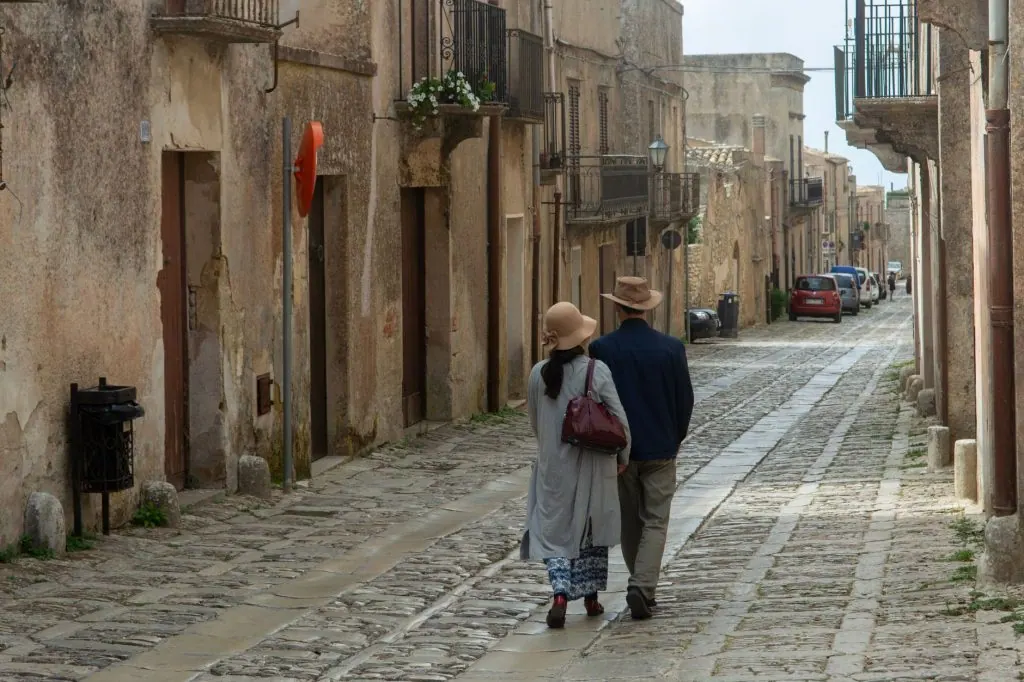
Living like a local, even temporarily, changes your perspective. You see the city not as a collection of sights, but as a home. You notice the small details: the architecture of the side streets, the sounds of the neighbourhood, the pace of life. This depth of experience is far more rewarding than the superficial breadth of a multi-city tour.
If you are planning a longer trip, consider Spend The Gap Year In The Best Possible Way to structure your time effectively. A longer duration allows for a more profound impact on your worldview. You have time to read, to reflect, and to form genuine connections.
Talk to people
Conversation is the most direct way to broaden your mind. It challenges your assumptions and exposes you to different viewpoints. However, many travellers struggle with small talk or fear rejection. The key is to be curious and open.
Start with simple observations. Comment on something in the environment: the weather, the architecture, the food. Use these as icebreakers. Then, move to open-ended questions. Instead of "Where are you from?", ask "What is your favourite thing about this neighbourhood?" or "What is a hidden gem that tourists usually miss?"
Listen actively. Do not just wait for your turn to speak. Pay attention to what the person is saying and how they say it. Body language, tone, and pauses can convey as much as words. Show genuine interest in their answer. Ask follow-up questions. This builds rapport and encourages deeper sharing.
Do not limit your conversations to other tourists. Engage with shopkeepers, bus drivers, and people in parks. These interactions offer a slice of everyday life that is often more authentic than curated tourist experiences.
Visit places that tell the story
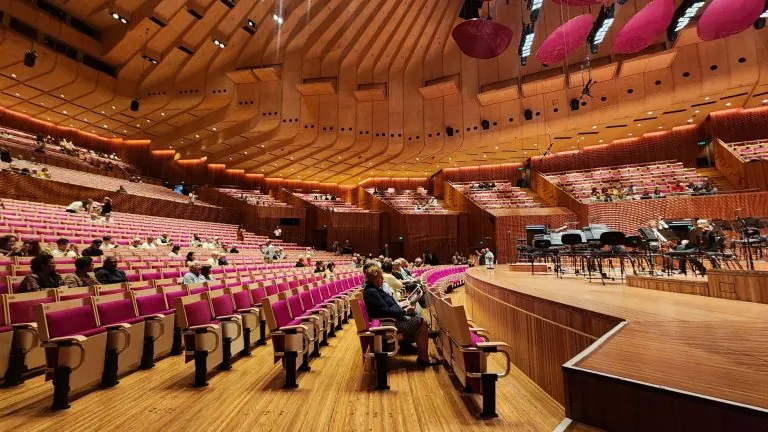
Museums and memorials are often overlooked by travellers who prefer outdoor activities. However, these institutions provide crucial context. They tell the story of a place: its history, its struggles, its triumphs. Understanding the history of a location helps you understand its current culture and social dynamics.
Choose museums that offer more than just exhibits. Look for those with interactive elements or guided tours that provide deeper insight. Visit memorials and historical sites that mark significant events. These places often evoke strong emotions and provoke thought.
Consider hiring a local guide for a walking tour. A guide can provide context and anecdotes that you would not find in a guidebook. They can point out details you would otherwise miss and explain the significance of certain buildings or streets. This adds a layer of understanding that transforms a simple walk into a narrative journey.

Try something unfamiliar
Stepping out of your comfort zone is essential for personal growth. This does not have to be a extreme adventure like skydiving. It can be as simple as trying a new type of music, attending a local festival, or learning a traditional craft.
Research local events before you go. Look for festivals, markets, or performances that are specific to the region. Attend them. Even if you do not fully understand the tradition, the experience of being present and participating is valuable. It immerses you in the cultural fabric of the place.
Consider volunteering or taking a class. Teaching yourself a new skill, whether it is pottery, dance, or a sport, connects you to the community in a meaningful way. It also challenges your mind in a new way, forcing you to be a beginner again.
Travel responsibly
Broadening your mind also involves understanding your impact on the places you visit. Responsible travel is about respect for the local culture, environment, and people. It is about being a guest, not a conqueror.
Be mindful of your consumption. Support local businesses by eating at local restaurants, buying from local artisans, and using local transport. This ensures that your money benefits the community rather than international chains.
Respect local customs and norms. Dress appropriately, follow local etiquette, and be aware of cultural sensitivities. This shows respect and helps you integrate better into the community.
Be mindful of your environmental impact. Reduce waste, conserve water and energy, and choose sustainable options where possible. Travel leaves a footprint; make it a light one.
Consider How to Document Your Travels to reflect on your responsible practices and share your experiences in a way that promotes awareness.
Capture and reflect
Travel is not just about seeing; it is about processing what you see. Reflection is the bridge between experience and insight. Without reflection, experiences are just fleeting moments.
Keep a journal. Write down your thoughts, observations, and feelings. Do not just record what you did; record how you felt and what you learned. This practice helps you process your experiences and identify patterns in your thinking.
Take photographs, but with intention. Instead of snapping random pictures, take photos that tell a story or capture a specific moment of connection. This forces you to observe more closely and think about what is worth preserving.
Share your experiences, but be selective. Sharing your journey with others can help you articulate your thoughts and gain new perspectives. However, avoid the trap of performing for an audience. Focus on the experience itself.
Bring it home
The true test of travel is not what you do abroad, but how you carry those lessons back home. Broadening your mind is not a one-time event; it is a continuous process.
Reflect on what you learned about yourself. Did you discover new strengths? Did you overcome fears? How did your perspective change? Use these insights to inform your daily life. Try to incorporate some of the habits or practices you adopted abroad into your routine at home.
Stay connected with the people you met. Maintain those relationships. They can provide ongoing perspectives and remind you of the wider world.
Finally, remain curious. Let the experience of travelling spark a lifelong interest in other cultures, histories, and ways of life. Use this curiosity to drive further learning and exploration, whether through future trips or through books, films, and conversations.
Travel is a powerful tool for personal growth. By slowing down, engaging deeply, and reflecting constantly, you can ensure that your travels do more than just fill a calendar. They can fill your mind and heart with new understanding and empathy.
How to Overcome Homesickness Whilst Traveling can provide additional support if you find the transition back to routine challenging, ensuring that the mindset you developed abroad is maintained.
The world is vast and complex. By approaching it with humility, curiosity, and respect, you can broaden your mind and return home a different person. This is the true value of travel.