By
By 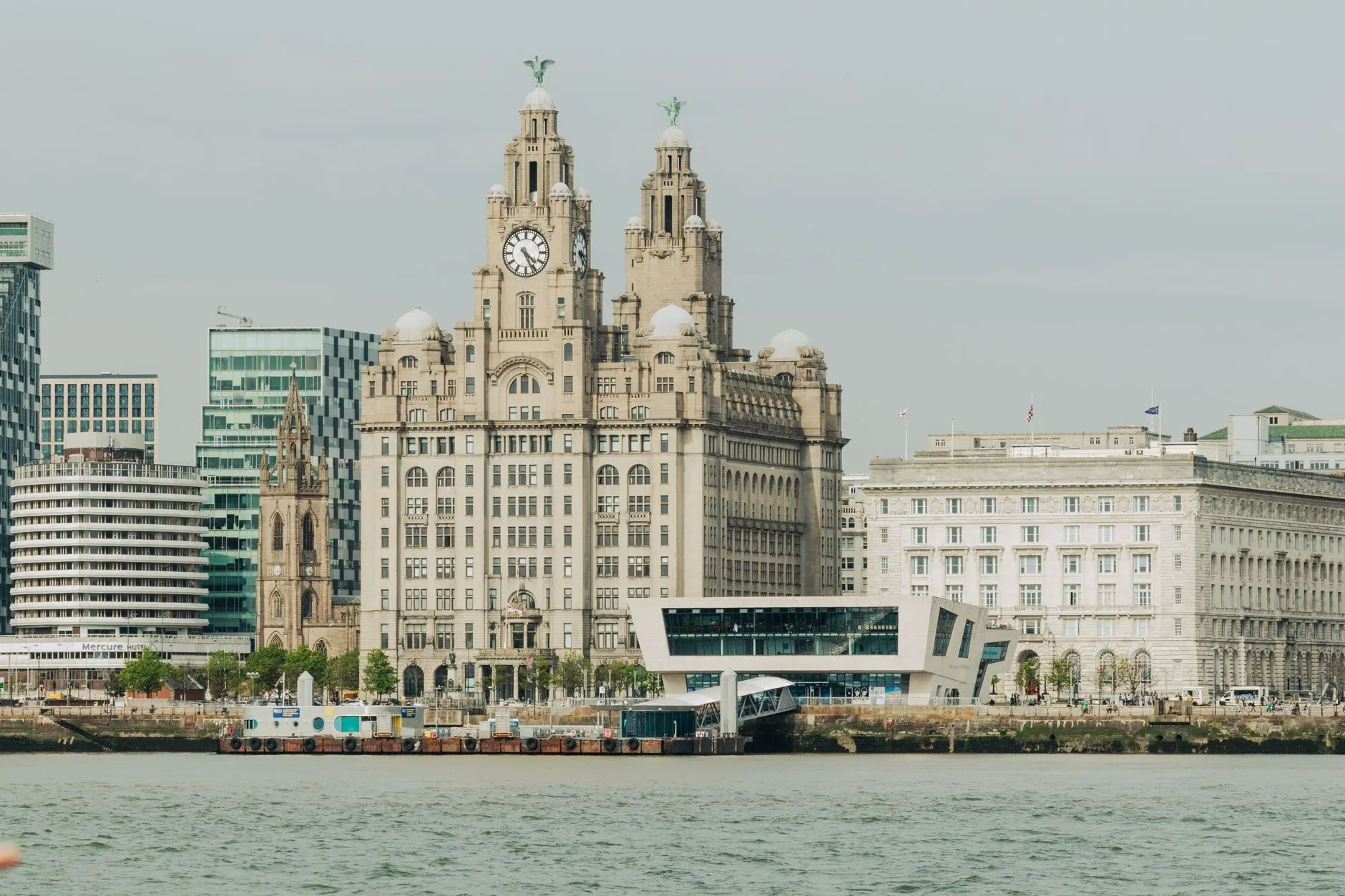
You are standing on a cobbled street in the city centre, feeling the distinct shift in atmosphere that comes with entering a place that has completely reinvented itself. Liverpool is no longer just the postcard city of shell suits and football chants, though those elements remain deeply woven into its identity. It is a city that has taken its industrial past, from shipbuilding to trade, and transformed it into a vibrant cultural engine. This transformation was catalysed by major cultural milestones, but the energy here is sustained by a genuine, grassroots pride that feels accessible rather than performative.
For travellers planning a trip, the question is rarely whether Liverpool is worth the journey, but rather how to navigate its sprawling cultural landscape without feeling overwhelmed. The city offers a dense concentration of world-class attractions, from the global fame of the Beatles to a maritime heritage that rivals any port city in the world. Whether you are interested in fine art, modern design, football history, or simply wandering through beautifully restored Victorian warehouses, the city delivers.
This guide cuts through the hype to give you a clear, practical overview of the essential experiences. You will find details on the key attractions, how to move around efficiently, where to eat without breaking the bank, and how to structure your time for maximum impact. Liverpool rewards those who take the time to look beyond the famous four-piece band and explore the wider tapestry of the city. If you are looking for a destination that offers history, culture, and a distinct sense of place, these are the things to do in Liverpool that define the experience.
Why Liverpool Deserves a Spot on Your Itinerary
Liverpool’s narrative is one of resilience and reinvention. Once a dominant global port, the city faced significant industrial decline in the late twentieth century. The docks closed, the industries left, and the city centre suffered. Yet, the architecture remained, and the spirit of the people did not waver. The turning point for many was the Capital of Culture award, which injected new life into the city’s infrastructure and cultural programming. This was not a temporary fix but a foundational shift that repositioned Liverpool as a serious player in the global cultural arena.
The UNESCO World Heritage Site is the physical manifestation of this rise. Stretching along the waterfront and through the city centre, the architecture tells the story of a city that once held more wealth than London. The preservation of these buildings ensures that the industrial heritage is not just remembered but experienced in real time. Walking through the city, you are surrounded by structures that speak to a time when Liverpool was the gateway to the world.
This cultural confidence has spilled over into every sector. The city is known for its music, but that label barely scratches the surface. There is a thriving contemporary art scene, a growing food industry, and a reputation for creativity that feels organic rather than imposed. The local population, often referred to as Scousers, are known for their warmth and directness. This makes the city feel welcoming to visitors who want an authentic experience rather than a curated tourist bubble.
For travellers, this means there is always something happening. From street art in the Baltic Triangle to classical concerts in historic churches, the city offers variety without the overwhelming scale of larger metropolises. It is a place where history is tangible. You can touch the walls of buildings that stood when ships were launched into the Mersey, and walk the same streets that inspired writers and musicians. This connection to the past, combined with a forward-looking attitude, makes Liverpool a compelling destination. It is a city that respects its roots while aggressively pursuing a creative future.
The Beatles Trail: A Pilgrimage for Music Lovers
No discussion of Liverpool is complete without addressing the Fab Four. The city’s connection to John, Paul, George, and Ringo is profound, but it is easy to get lost in the commercialisation if you do not plan carefully. The Beatles attractions in Liverpool are central to the city’s identity, yet they represent just one facet of a much larger musical heritage.
The Beatles Story is the primary destination for understanding the band’s journey. Located at the Albert Dock, it offers a chronological journey through their career, from their early days in local clubs to global domination. The exhibit is immersive and well-curated, providing context that goes beyond the music. It explains the cultural shift they caused and the social environment of the 1960s. For many visitors, this is the starting point, offering a solid foundation before exploring the physical locations associated with the band.
A short walk away is the Cavern Club on Mathew Street. The current building is a reconstruction of the original, but the atmosphere remains electric. Live music is performed here daily, ranging from Beatles tribute acts to contemporary bands. It is a place where the history feels immediate. The queue can be long, so arriving early is advisable if you want to secure a ticket for the main experience, though the club is often open for general entry to enjoy the ambiance and the bar.
Further afield is Strawberry Field, the childhood home of John Lennon. Now managed by the Salvation Army, it offers a more reflective experience. The grounds are beautiful, with manicured gardens and the famous "Lennon Wall" covered in graffiti and messages from fans. It is a quieter, more poignant site compared to the bustling Cavern. The connection to Lennon’s early life adds a human dimension to the global fame, showing the boy behind the legend.
While the Beatles are the biggest draw, they are not the only music heritage in the city. The Beatles Story is a must, but visitors should also consider that the city’s musical influence extends to genres like rock, indie, and electronic. The infrastructure that supported the Beatles, venues, studios, and a supportive local culture, remains in place. Exploring these sites gives a deeper understanding of why Liverpool became such a fertile ground for musical talent. It is a pilgrimage that connects personal history with global cultural impact.
Maritime History and the UNESCO World Heritage Site
The waterfront is the heart of Liverpool’s historical identity. The Pier Head and Albert Dock form a UNESCO World Heritage Site, recognised for their architectural and historical significance. This area was once the hub of the British Empire, handling trade from across the globe. The buildings here are not just pretty facades; they are functional relics of a time when ships carried cotton, tobacco, and slaves across the Atlantic.
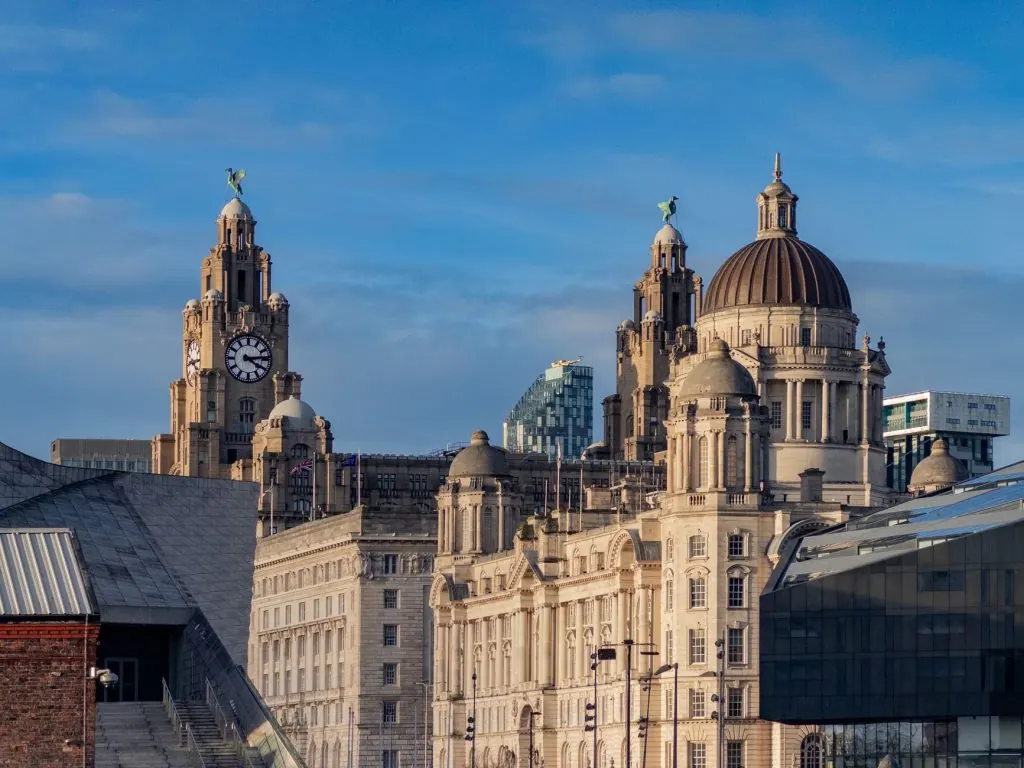
The Three Graces dominate the view at the Pier Head. These are the Royal Liver Building, the Cunard Building, and the Port of Liverpool Building. Their grandeur is unmistakable. The Royal Liver Building, with its twin towers topped by the Liver Birds, is an icon. The Cunard Building, now a hotel, retains its opulent interiors. The Port of Liverpool Building, currently undergoing restoration, showcases the sheer scale of ambition in the late nineteenth century. Standing here, you can imagine the bustle of agents, merchants, and sailors who once filled these streets.
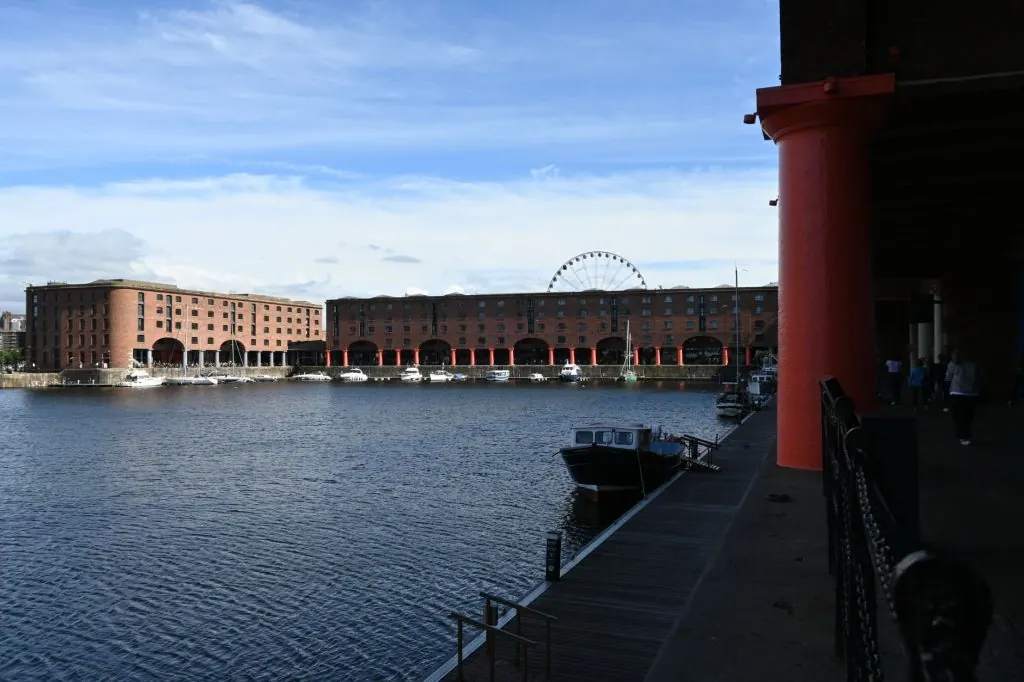
The Albert Dock, just a short distance away, is a masterpiece of Victorian engineering. It was the first dock in the world to be built entirely of iron and brick, making it fireproof. Today, it houses a collection of museums and galleries. The International Slavery Museum, located here, provides a crucial perspective on the city’s role in the transatlantic slave trade. It is often described as the only museum of its kind dedicated to this history, and it offers a sobering, well-researched account of the human cost of the city’s wealth.
The connection to the RMS Titanic is also significant. The ship was built in Belfast, but Liverpool was its port of registry and the headquarters of the White Star Line. The plans for the Titanic were stored in Albion House, now 30 James Street. This building, restored and converted into a hotel, offers a unique tribute to the White Star Line. Each room is dedicated to a passenger or crew member, preserving their memory. The rooftop restaurant offers views that hint at the maritime past, though the experience is more about the elegance of the restoration than the tragedy itself.
Visiting these sites requires a bit of walking, but the route is scenic and well-signposted. The Mersey Ferry provides a different perspective, offering views of the skyline from the water. It is a practical way to travel between Liverpool and the Wirral, but also a tourist attraction in its own right. The ferry has been operating since the twelfth century, making it one of the oldest transport services in the UK. Using it gives you a sense of the river’s importance to the city’s development.
World-Class Museums and Galleries Beyond the Beatles
Liverpool has more museums per capita than any city outside London, and this density of cultural institutions is a major asset for visitors. While the Beatles Story draws the crowds, the broader museum scene offers a rich, diverse experience that appeals to a wider range of interests. From fine art to science, the city’s collections are world-class and often free to enter, making them accessible to budget travellers.
The Walker Art Gallery is a cornerstone of the city’s art scene. Housed in a magnificent Victorian building, it features an extensive collection of British and European art. The Pre-Raphaelite collection is particularly strong, with works by Millais and Rossetti. The gallery also hosts temporary exhibitions, keeping the content fresh and engaging. It is a place where you can spend hours, losing track of time as you move from room to room. The architecture itself is a work of art, with ornate ceilings and grand staircases that complement the paintings within.
The Museum of Liverpool tells the story of the city and its people. It is located in a striking building designed by David Chipperfield, which blends modern architecture with historical context. The museum explores the city’s industrial, sporting, and cultural history. It covers everything from the construction of the docks to the rise of football and music. The exhibitions are well-researched and emotionally resonant, offering a deep dive into the local identity. It is an essential visit for anyone wanting to understand the soul of the city.
Tate Liverpool brings the contemporary art scene to the waterfront. Located in the Albert Dock, it showcases modern and contemporary art from the UK and around the world. The building itself is a former warehouse, repurposed with a large glass façade that lets in plenty of light. The exhibitions are often provocative and thought-provoking, reflecting the city’s creative energy. It is a place where traditional art history meets modern expression, offering a contrast to the more historical museums in the city.
The Merseyside Maritime Museum, also in the Albert Dock, focuses on the city’s relationship with the sea. It covers shipbuilding, navigation, and the lives of those who worked on the water. The exhibits include models of ships, navigational instruments, and personal stories of sailors. It is a detailed and engaging exploration of maritime history, complementing the broader themes of the UNESCO site. For those interested in the technical aspects of shipbuilding or the social history of port life, this museum is a must-see.
The World Museum offers a different kind of experience, with exhibits ranging from natural history to space exploration. It is a family-friendly destination, with interactive displays that engage children and adults alike. The planetarium is a highlight, offering shows that cover the cosmos and our place within it. The museum’s collection of natural specimens is extensive, providing a window into the natural world. It is a place where curiosity is rewarded, and learning feels like an adventure.
These museums are not just repositories of objects; they are active spaces where history and art come alive. They offer a counterweight to the Beatles tourism, showing that Liverpool’s cultural depth is far greater than its pop culture fame. Visiting them in a logical sequence, perhaps starting with the Museum of Liverpool for context and then moving to the art galleries, can help create a cohesive narrative of your trip.
Where to Eat: From Traditional Pies to Modern Dining
Liverpool’s food scene has evolved significantly in recent years. While it is still known for its traditional dishes, the city now offers a diverse range of culinary experiences that cater to every taste and budget. From the historic St. John’s Market to the trendy Baltic Triangle, food is a central part of the Liverpool experience.
St. John’s Market is a Victorian market that sells fresh produce, meats, and fish. It is a working market, so it is best visited in the morning when the traders are setting up. The atmosphere is authentic, with the sounds of vendors calling out and the smell of fresh food in the air. It is a great place to buy ingredients for a picnic or to try local specialties like salt beef sandwiches. The market is a testament to the city’s long history as a trading port, and it offers a glimpse into the daily lives of Liverpudlians.
For a more modern dining experience, the Baltic Triangle is the place to go. This former industrial area has been transformed into a hub of independent bars, restaurants, and creative spaces. The food here is innovative, with chefs experimenting with global flavours and local ingredients. The area has a vibrant nightlife, with live music and street art adding to the atmosphere. It is a popular spot for young professionals and tourists looking for something different from the high street chains.
Traditional Scouse is a must-try dish. It is a hearty stew made with meat, potatoes, carrots, and onions. The name comes from the word "stew," and it has been a staple of the local diet for centuries. It is often served with bread and cheese, and it is a comforting dish that reflects the city’s working-class roots. Many pubs and restaurants serve Scouse, and it is a affordable and filling option for travellers.
Other traditional dishes include black pudding and fish and chips. The city has a strong fishing heritage, so fresh seafood is readily available. The docks area offers several restaurants that specialise in seafood, with views of the water. It is a romantic setting for a meal, especially in the evening when the lights reflect on the Mersey.
For those with dietary restrictions, Liverpool offers a wide range of options. Vegan and vegetarian dishes are common, and many restaurants cater to gluten-free and other dietary needs. The diversity of the city’s population has led to a variety of international cuisines, from Indian and Caribbean to Italian and Chinese. This means that there is something for everyone, regardless of their preferences.
Eating in Liverpool is not just about sustenance; it is about experiencing the culture. The food reflects the city’s history, its trade connections, and its creative energy. Whether you are eating in a historic pub or a modern restaurant, the quality of the food and the warmth of the service are consistent. It is a place where food is celebrated, and where every meal is an opportunity to discover something new.
Navigating the City: Getting There and Getting Around
Getting to Liverpool is straightforward, with excellent transport links from across the UK and beyond. The city is well-connected by rail, road, and air, making it accessible to a wide range of travellers. Once you arrive, navigating the city is relatively easy, thanks to a comprehensive public transport network and a compact city centre.
By train, Liverpool Lime Street is the main station, located in the heart of the city. It is served by direct services from major UK cities, including London, Manchester, and Birmingham. The journey from London takes around two hours, making it a convenient option for a weekend break. The station is well-signposted, and there are plenty of taxis and buses available outside for those who need to continue their journey.
The Merseyrail network is the backbone of public transport in the city. It consists of two main lines, the Northern and Wirral Lines, which cover much of the city and the surrounding areas. The trains are frequent, clean, and affordable, making them a popular choice for both commuters and tourists. The network extends to the airport, providing a direct link for those flying in. Using the Merseyrail is a practical way to reach attractions like the Albert Dock and the city centre, and it avoids the hassle of parking.
The Mersey Ferry is a unique mode of transport that offers scenic views of the city. As mentioned earlier, it runs between Liverpool and the Wirral Peninsula. The crossing takes only a few minutes, but the views of the skyline and the Three Graces are worth the fare. It is a great way to see the city from a different angle, and it is a popular activity for tourists. The ferry is also a practical way to reach attractions on the Wirral side, such as Crosby Beach.
Walking is a viable option for exploring the city centre and the waterfront. The main attractions are within walking distance of each other, and the streets are pedestrian-friendly. The Albert Dock is a pleasant walk from the city centre, taking about twenty minutes. The route is flat and well-maintained, making it suitable for all ages. Walking allows you to discover hidden gems, like street art and small parks, that you might miss if you were in a hurry.
For those who prefer to drive, there are several car parks in the city centre, but they can be expensive and fill up quickly during peak times. Parking on the street is also limited, so it is advisable to use a public car park or drop off your luggage at your hotel before heading out. The city centre is congested, so driving can be stressful, especially during rush hour.
Ride-hailing apps are available and provide a convenient alternative to taxis. They are useful for late-night returns or for reaching areas that are not well-served by public transport. However, they can be more expensive than other options, so it is worth comparing prices before booking.
Overall, Liverpool is a walkable city with good public transport. Planning your route in advance, using the Merseyrail map or a local transport app, will help you make the most of your time. The city is compact, but the attractions are spread out along the waterfront, so allowing enough time to travel between them is important.

Where to Stay: Best Neighborhoods for Different Travelers
Choosing where to stay in Liverpool depends on your priorities, whether it is convenience, nightlife, or family-friendly amenities. The city offers a range of accommodation options, from luxury hotels to budget hostels, located in different neighbourhoods. Each area has its own character and advantages, so it is important to choose wisely based on your itinerary.
The city centre is the most convenient option for first-time visitors. It is within walking distance of the main attractions, including the Albert Dock, the museums, and the shopping districts. Hotels here are often housed in historic buildings, offering a blend of modern comfort and architectural charm. The convenience of being in the centre means you can easily return to your hotel for a break or to drop off luggage. However, these hotels can be more expensive, especially during peak seasons.
The Baltic Triangle is ideal for travellers who want to experience the city’s nightlife and creative scene. This area is home to many independent bars, restaurants, and venues, making it a hub of activity in the evenings. Accommodation here includes boutique hotels and guesthouses, often with a trendy, modern aesthetic. It is a popular choice for younger travellers and those looking for a vibrant atmosphere. The area is also close to the waterfront, so it is still within walking distance of the main attractions.
For families, the area near the docks offers a quieter alternative to the city centre. There are several hotels and apartments that cater to families, with spacious rooms and kitchen facilities. The proximity to the museums and the Albert Dock makes it easy to plan a day of sightseeing without long journeys. The area is also safer and quieter in the evenings, which is a plus for those with children.
The Wirral Peninsula, across the river, offers a different experience. It is quieter and more residential, with good transport links to the city via the Mersey Ferry. Accommodation here can be more affordable, and it offers a chance to experience local life away from the tourist hubs. It is a good option for those who prefer a relaxed pace and do not mind a short commute to the city centre.
Whichever area you choose, it is advisable to book in advance, especially during festivals and events. Prices can rise significantly, and availability can be limited. Reading reviews and checking the location on a map will help you avoid unpleasant surprises. Look for hotels that offer free Wi-Fi and breakfast, as these can add value to your stay.
Consider the noise levels if you are a light sleeper. The city centre and Baltic Triangle can be noisy at night, so request a room facing away from the street if possible. Also, check if your accommodation is close to a Merseyrail station or a bus stop, as this will make getting around easier.
In summary, the city centre is best for convenience, the Baltic Triangle for nightlife, and the docks for families. The Wirral is a good option for budget-conscious travellers who do mind a ferry ride. Each area has its own charm, and choosing the right one will enhance your overall experience.
Planning Your Visit: Best Time to Go and Budget Tips
Timing your visit to Liverpool can significantly impact your experience and budget. The city is popular year-round, but certain seasons offer better weather and fewer crowds. Understanding the seasonal patterns and costs will help you plan a trip that fits your preferences and finances.
Spring and autumn are often the best times to visit. The weather is mild, and the crowds are thinner than in summer. This makes it easier to visit popular attractions without long queues. The city’s parks and gardens are beautiful during these seasons, offering pleasant spots for a walk or a picnic. The cultural programme is also active, with many festivals and events taking place.
Summer is the peak tourist season, with warm weather and a full schedule of events. The city is vibrant and energetic, but it is also more crowded and expensive. Accommodation prices can be higher, and attractions may have longer waiting times. If you visit in summer, book your hotels and tickets well in advance. The extra cost may be worth it if you want to experience the city at its most lively, but be prepared for the hustle and bustle.
Winter can be chilly and rainy, but it has its own charm. The city is decorated for Christmas, and there are festive markets and lights. The crowds are smaller, and prices are lower. The museums and galleries are warm and inviting, making them a good option for a rainy day. If you do not mind the cold, winter can be a peaceful and affordable time to visit.
Budgeting for a trip to Liverpool is relatively straightforward, as many of the main attractions are free. The Walker Art Gallery, the Museum of Liverpool, and the Tate Liverpool do not charge an entry fee, allowing you to spend your money on food and experiences. The Beatles Story and the Cavern Club do have entry fees, but they are reasonably priced compared to similar attractions in other cities.
Food costs can vary widely, depending on where you eat. Eating at St. John’s Market or grabbing a pie from a local bakery is affordable, while dining in the Baltic Triangle or a high-end restaurant will cost more. Setting a daily budget for food and entertainment will help you manage your spending. Many hotels offer breakfast included, which can save money in the morning.
Transport costs are also manageable. A daily travel card for the Merseyrail can be cost-effective if you plan to travel extensively. Walking is free, and many attractions are close together, reducing the need for public transport. The Mersey Ferry is reasonably priced, and the views make it a worthwhile expense.
To maximise value, focus on the free attractions and use them to plan your days. Visit the museums in the morning when they are less crowded, and save the evenings for dining and nightlife. This approach allows you to experience the best of Liverpool without overspending.
Common Mistakes to Avoid and Final Tips
Visiting Liverpool is generally a smooth experience, but there are a few common pitfalls that travellers can avoid with a bit of planning. Being aware of these can save you time, money, and frustration, ensuring a more enjoyable trip.
One mistake is underestimating the size of the city’s cultural offerings. Many visitors focus solely on the Beatles attractions and miss out on the rich maritime and art history. The UNESCO site and the museums offer a depth of experience that rivals any city in the UK. Taking the time to explore these areas will give you a more rounded view of Liverpool.
Another mistake is ignoring the Mersey Ferry. It is often viewed as just a transport link, but it is a key part of the Liverpool experience. The views from the river are unique and provide a perspective of the city that you cannot get from the streets. It is a short ride, but it offers a memorable view of the Three Graces and the skyline.
Visitors also tend to overlook the Baltic Triangle. It is easy to stick to the city centre and the docks, but the Baltic Triangle offers a different, more contemporary vibe. It is a great place for dinner and nightlife, and it showcases the city’s creative side. Exploring this area adds variety to your itinerary.
Packing for the weather is crucial. Liverpool can be windy and rainy, even in summer. Bringing waterproof clothing and comfortable walking shoes is essential. The city is best explored on foot, so comfortable footwear will make a big difference. Also, bring a light jacket, as the evenings can be cool, even in warmer months.
Finally, do not rush your meals. Liverpool’s food scene is worth savouring. Whether it is a quick bite at St. John’s Market or a leisurely dinner in the Baltic Triangle, take the time to enjoy the food and the atmosphere. It is a part of the local culture, and skipping it would be a missed opportunity.
Liverpool is a city that rewards curiosity and patience. It is not just a destination for Beatles fans or football fans; it is a vibrant, culturally rich city with a history that is both profound and accessible. By planning ahead, choosing the right neighbourhood, and exploring beyond the obvious, you will find a city that is full of character and charm. It is a place where the past and present coexist, and where every street corner offers a new discovery. Whether you are staying for a weekend or a week, Liverpool will leave a lasting impression.
Official sources and further reading
Opening times, entry rules and prices change, so check them on the official sites before you travel:
- Visit Liverpool: The official visitor site for Liverpool.