You have landed in the Kingdom of Bahrain, expecting the glitzy, high-octane spectacle of a global tourism hub, but instead you find a city that moves at a slightly more measured, sophisticated pace. This is not a place of endless queues and neon overload; it is a capital that balances modern ambition with deep-rooted tradition. For travellers seeking a base that offers genuine cultural immersion without the overwhelming crowds of its Gulf neighbours, Manama delivers. It is compact enough to explore on foot, yet diverse enough to offer everything from ancient forts to sleek skyscrapers.
If you are planning a short break, this guide breaks down exactly how to navigate the city. We will cover the practicalities of getting around, where to stay, and, most importantly, the specific things to do in Manama Bahrain that give you a real feel for the place, rather than just looking at it from a bus window.
Why Manama Deserves a Spot on Your Gulf Itinerary
Many travellers fly into the region and head straight for the coastal resorts, skipping the capital entirely. This is a mistake. Manama is not just a transit point; it is the cultural and administrative heart of the nation. Located on the northwest coast of the main island, the city has transformed significantly in recent decades, driven by its role as a financial hub and its hosting of major international events, such as the Formula One Grand Prix. This infrastructure investment means the urban planning is logical, the roads are wide, and the public spaces are well-maintained.
The appeal of Manama lies in its duality. You can spend your morning wandering through ancient archaeological sites and your afternoon sipping coffee in a district that feels distinctly European in its café culture. It is an ideal base for a two or three-day trip because it offers a concentrated dose of Bahrain’s history and modernity. Unlike the sprawling resort strips elsewhere, Manama invites you to walk, browse, and engage with local life. The city is safe, the locals are generally welcoming to tourists, and the layout makes it easy to orient yourself. You are never far from the sea, and the blend of white-paved promenades with traditional architecture creates a unique atmosphere that is neither fully traditional nor fully modern, but a distinct hybrid of the two.
When to Visit Manama for the Best Weather
The climate is the single biggest factor in planning a trip to the Gulf. Manama can be intensely hot and humid for much of the year. If you visit during the peak summer months, the heat can be oppressive, making outdoor activities like walking the corniche or exploring the souqs feel like a chore rather than a pleasure. The humidity rises, and the sun beats down relentlessly, often forcing people indoors to air-conditioned malls or hotels.
The optimal window for visiting is between October and April. During these months, the weather is noticeably cooler, the humidity drops, and the skies are generally clear. This is the time when the city truly comes alive. Outdoor dining becomes pleasant, evening strolls along the waterfront are enjoyable, and day trips into the desert are feasible without the risk of heat exhaustion. Even within this window, there is variation; early autumn can still retain some warmth, while late winter evenings can be cool enough to require a light jacket.
If you must travel during the hotter months, plan your days around the midday peak. Keep your outdoor activities to early mornings or late afternoons. Museums and shopping malls are your best refuges during the heat of the day. The difference in experience between visiting in November versus July is stark; in the cooler months, you can comfortably explore the city’s open-air landmarks, while in summer, you are largely confined to indoor spaces.
Getting to Manama and Navigating the City
Bahrain International Airport is located just south of the city centre, making arrival straightforward. Taxis are available directly outside the terminal, and ride-hailing apps are widely used. These apps offer a transparent pricing model and the convenience of tracking your ride, which is particularly useful if you are unfamiliar with the local roads or language. Traditional taxis are also available, but they often rely on meters or negotiated fares, so it is worth clarifying the method before you get in.
Once you are in the city, navigation is generally easy. Manama is well-structured, and landmarks are clearly signposted. For those who enjoy walking, the Financial District and parts of the Corniche are pedestrian-friendly. The wide pavements and lack of heavy traffic in specific zones make strolling a viable option. However, in busier commercial areas, sidewalks can be narrower, and the heat makes walking less appealing during the day.
Cycling is another option, with public bike stations available in central areas. These provide a flexible way to cover short distances, especially along the waterfront. For longer distances or if the weather turns, public transport exists but may require some planning. Ride-hailing remains the most reliable and stress-free method for getting between districts, particularly if you are carrying shopping or heading to the airport.
Where to Stay: Financial District vs. Historic Core
Choosing where to stay depends on what kind of experience you want. The city is broadly divided into two distinct zones: the modern Financial District to the west and the historic core to the east.
The Financial District is home to the major international hotel chains and high-rise buildings. Staying here puts you in the heart of modern Manama. It is convenient for business travellers and those who prefer a polished, international standard of service. The area is close to major shopping centres like The Avenues Mall and offers easy access to the Corniche. It is also near the King Faisal Mosque, which is a striking architectural landmark. If you prefer your accommodation to be sleek, modern, and within walking distance of corporate offices and upscale dining, this is the area to choose. However, it can feel somewhat sterile outside of working hours, and the vibe is more corporate than cultural.
In contrast, the historic core offers a different kind of appeal. This area is closer to the traditional markets and older parts of the city. Accommodation here tends to be more varied, ranging from boutique hotels to smaller guesthouses. Staying in the historic district immerses you in the daily rhythm of local life. You are closer to the souqs, the older mosques, and the narrower streets that define Manama’s heritage. It is often more budget-friendly than the Financial District and offers a more authentic feel. If you want to wake up to the call to prayer and have the market within a short walk, choose the historic core. Be aware that the streets here can be narrower and noisier, and the buildings may not have the modern amenities of the newer hotels.
Exploring the Corniche and Seaside Promenade
The Manama Corniche is the city’s living room. This long, paved seaside promenade is the central hub for both locals and visitors. It is the best place to start your day with a jog or a brisk walk, as the air is freshest in the morning. The Corniche stretches along the water, offering uninterrupted views of the Persian Gulf. It is a place for relaxation, with benches, green spaces, and playgrounds.
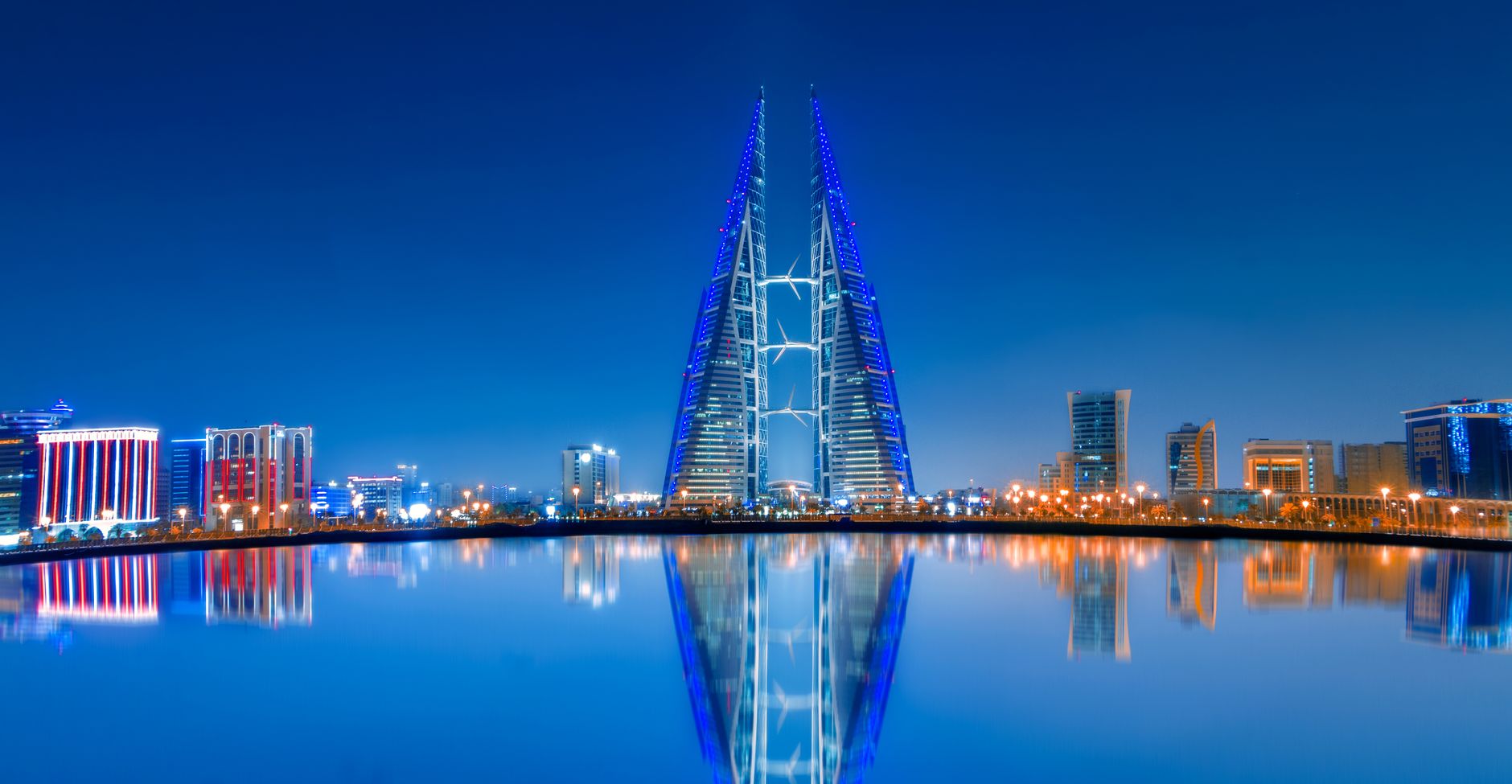
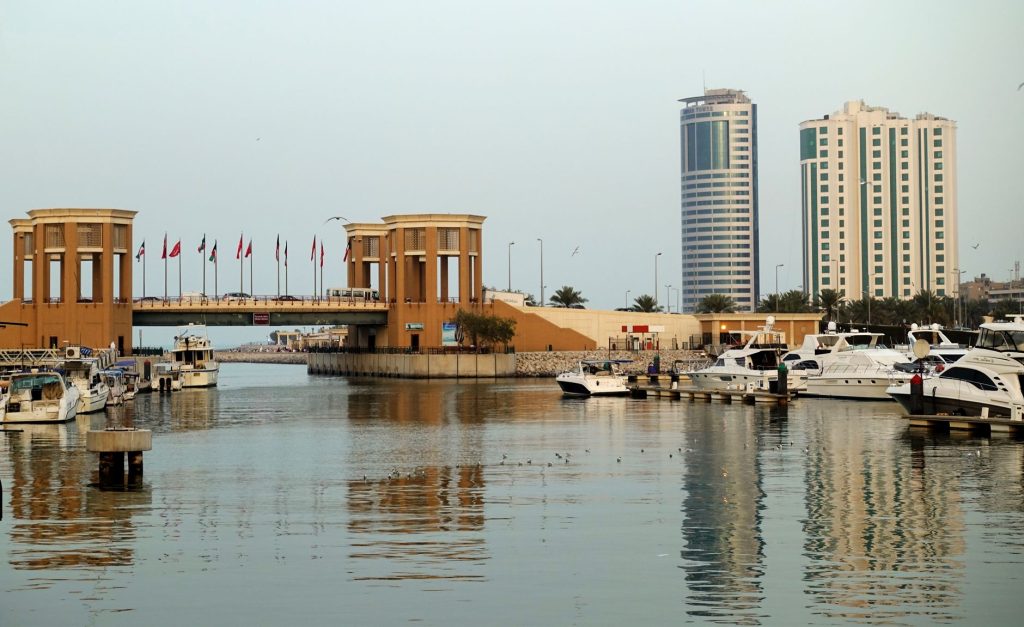
The real draw of the Corniche, however, is the skyline. As you walk, you can see the city’s modern face rising against the horizon. The Bahrain World Trade Center, with its distinctive twin towers connected by skybridges, is a key landmark visible from the promenade. Further along, you can spot the floating post office, a unique building that sits directly on the water. These structures are not just architectural curiosities; they represent the city’s ambition and innovation.
Evening is when the Corniche truly comes alive. The heat of the day fades, and families, couples, and friends gather to stroll, dine, and people-watch. The lighting along the promenade is pleasant, and the sea breeze makes it a comfortable spot for long walks. It is also a great place to take photographs of the skyline without the crowds that gather closer to the main attractions. The Corniche connects various parts of the city, so it is easy to walk from one end to the other, passing by parks and public art installations. It is a safe, well-maintained area that offers a perfect blend of leisure and sightseeing.
Diving into Bahrain’s Culinary Scene
Food is a central part of Bahraini culture, and Manama offers a diverse culinary landscape. You will find everything from traditional home-style cooking to high-end international cuisine. The local food scene is vibrant, with a strong emphasis on fresh ingredients and bold flavours.
Start with the national dishes. Machboos is a spiced rice dish often served with meat or seafood, reflecting the country’s maritime heritage. Harees, a wheat and meat porridge, is another staple, particularly during special occasions. These dishes are widely available in local restaurants and offer an authentic taste of the region. For a more casual experience, visit the street food areas where you can find grilled meats, fresh juices, and traditional sweets.
Adliya is a district known for its café culture. It is lined with coffee shops and restaurants that attract a younger crowd. Here, you can enjoy modern interpretations of traditional dishes, along with specialty coffees and pastries. The atmosphere is lively, and it is a great place to people-watch and soak in the local vibe.
For those who prefer a more upscale dining experience, the Financial District and the areas around the Corniche offer numerous options. Many restaurants here serve international cuisine, from Italian to Asian, often with a local twist. The quality is high, and the service is professional. If you are looking for a specific type of food, it is worth exploring different neighbourhoods, as each area has its own culinary character. Don’t be afraid to ask locals for recommendations; they are often proud of their food scene and can point you towards hidden gems.
Shopping and Souvenirs: From Malls to Souqs
Shopping in Manama is a tale of two worlds: the modern and the traditional. If you prefer air-conditioned comfort and brand-name stores, The Avenues Mall is the place to go. Located near the Financial District, it is one of the largest shopping centres in the country. It houses a wide range of international brands, fashion boutiques, and restaurants. It is a convenient stop if you have limited time and want to buy souvenirs or gifts. The mall is well-organized, and you can find everything from jewellery to electronics under one roof.
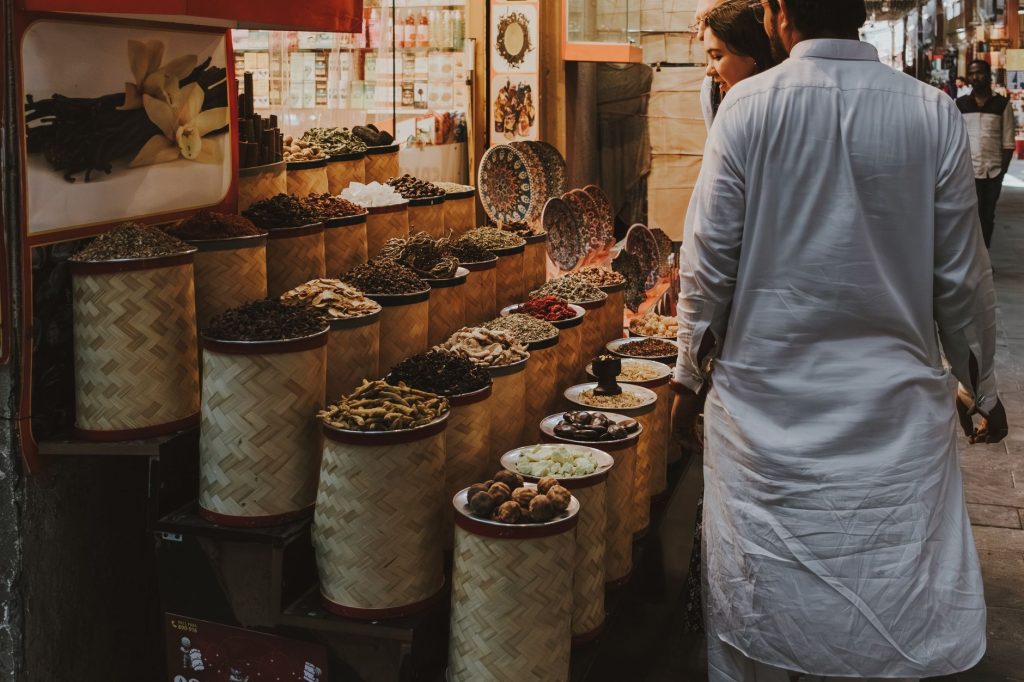
For a more authentic experience, head to the souqs. The Manama Souq is a bustling market where you can find spices, textiles, gold jewellery, and daily necessities. The atmosphere is vibrant, with vendors calling out to passersby and the air filled with the scent of incense and spices. It is a great place to haggle for prices, although many shops now have fixed prices, it is still polite to ask. The Riffa Souq, located further south, is another option, offering a more traditional market experience. It is less touristy and feels more like a local community hub.
Gold jewellery is a popular souvenir. Bahrain has a long history of gold trading, and the souqs are filled with intricate designs. Be sure to check the weight and purity if you are making a significant purchase. Spices and textiles are also good buys, offering a tangible connection to the local culture. Whether you shop in a mall or a souq, you will find that Manama caters to all tastes and budgets.
Cultural Highlights: Museums and Mosques
Manama is rich in history, and visiting its cultural sites provides context for the city’s development. The Bahrain National Museum is a must-visit. It offers a comprehensive overview of the country’s history, from ancient civilisations to the modern era. The exhibits are well-curated, and the building itself is an architectural highlight. It is a great starting point for understanding the cultural heritage of the region.
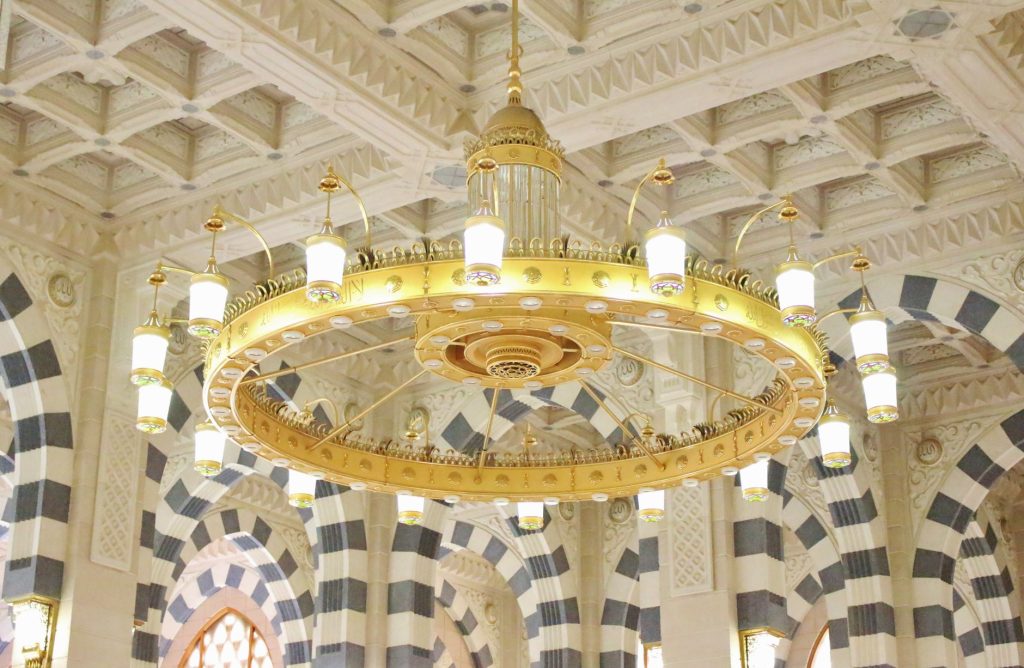
The Al Fateh Grand Mosque is another key site. It is one of the largest mosques in the world and a stunning example of Islamic architecture. Visitors are welcome, but you must adhere to the dress code. Women are required to cover their hair, arms, and legs, and men should wear long trousers. It is best to visit during non-prayer times to ensure you have access. The interior is beautiful, with intricate designs and a sense of peace that contrasts with the busy city outside.
For a taste of ancient history, visit the Bahrain Fort (Qal'at al-Bahrain). This archaeological site has been inhabited for thousands of years and offers a glimpse into the Dilmun civilisation. The ruins are set in a park-like environment, and the site provides a tangible connection to the past. It is a smaller attraction compared to the museum or mosque, but it is worth a visit for those interested in archaeology and history. These sites are spread across the city, so plan your route to minimise travel time.
Common Mistakes to Avoid and Practical Tips
Navigating Manama is straightforward, but there are a few cultural nuances and practicalities to be aware of. Bahrain is a Muslim country, and while it is relatively liberal compared to some of its neighbours, respecting local customs is important. Dress modestly in public areas, especially when visiting religious sites or older neighbourhoods. While shorts and t-shirts are acceptable in malls and hotels, covering your shoulders and knees is a sign of respect. Women should be mindful of their attire in more conservative areas, avoiding very short skirts or revealing tops.
Cash is still king in many places, particularly in the souqs and smaller eateries. While credit cards are widely accepted in malls and hotels, small vendors may not take them. Carry small notes and coins to avoid issues. If you need cash, ATMs are available in most areas, including outside the airport. However, it is wise to check your balance and inform your bank of your travel plans to avoid card declines.
Timing your visits to popular sites can help you avoid crowds. The Corniche and the souqs can be busy in the evenings, especially on weekends. If you prefer a quieter experience, go early in the morning or late in the afternoon. Also, be aware that some sites may have limited opening hours, particularly on Fridays when they may be closed for prayer or religious observances. It is always a good idea to check the official websites or contact the sites directly before you go.
Another common mistake is underestimating the heat. Even in the cooler months, the sun can be strong. Carry water, wear sunscreen, and wear a hat. If you are walking, take breaks in shaded areas. Finally, don’t be afraid to ask for help. Bahrainis are generally friendly and helpful, and they are often happy to assist tourists with directions or recommendations. By keeping these tips in mind, you can navigate Manama with confidence and enjoy a smooth, enjoyable trip.