 By
By 
You are walking through a bustling market square, the air thick with the scent of spices and the sound of distant music. You reach into your jacket pocket for your phone, only to find it missing. Or perhaps you are lying in a hotel bed, suddenly struck by a fever that feels far more serious than a simple stomach bug, and you realise you have no idea where the nearest hospital is or how to pay for it without draining your savings. These moments of panic are what ruin otherwise perfect breaks. They are also entirely avoidable with a little foresight.
Having a safe holiday does not mean living in constant fear or packing like you are going to war. It simply means understanding the risks, preparing for them, and knowing exactly what to do if things go sideways. Whether you are heading to a busy city centre or a remote beach, the principles remain the same. By focusing on practical preparation and mindful behaviour, you can protect your health, your money, and your peace of mind. Here is how to ensure your next trip is memorable for the right reasons.
Safety is part of the holiday
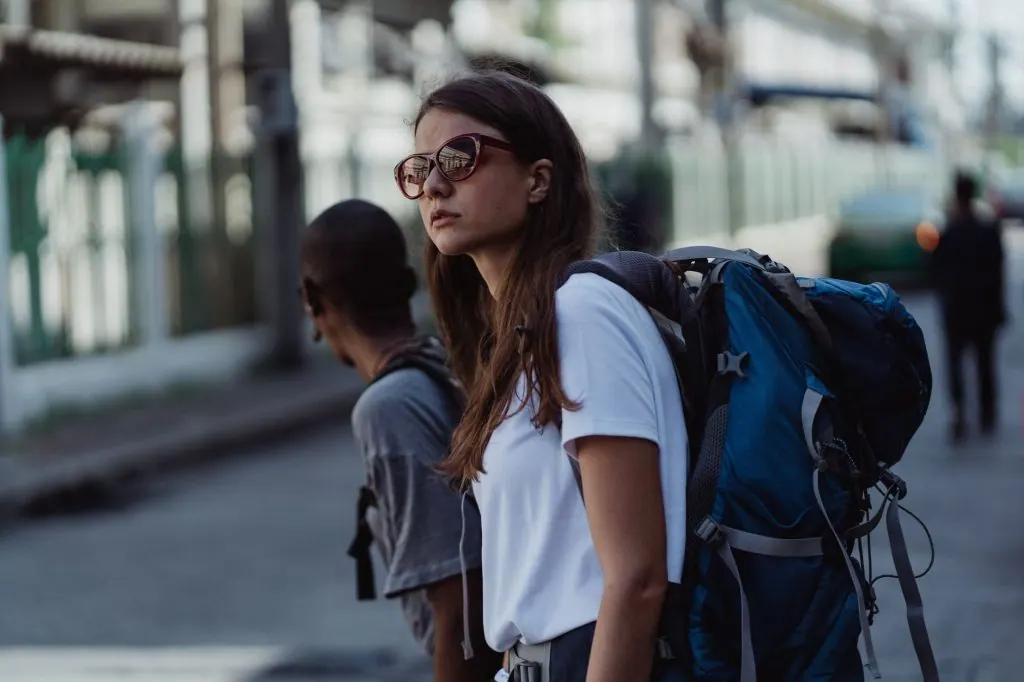
Mindset is the foundation of travel safety. Many travellers adopt a "holiday mode" where they drop their normal guard, assuming that being abroad makes them immune to everyday risks. This is a mistake. Safety is not a separate activity you do before or after the fun; it is woven into how you move through the world.
Start by adjusting your expectations. You are in a new environment with different rhythms, languages, and social norms. This unfamiliarity is where most errors occur. For instance, you might instinctively grab your bag by the strap in a crowd, not realising that in some cities, bag snatchers operate with incredible speed and precision. Or you might assume that a quiet street is safe because it looks quiet, without noticing the uneven paving that could cause a trip and fall.
Being aware also means understanding your own limits. If you are prone to anxiety in large crowds, a packed festival or a massive transport hub might be more stressful than you expect. If you have a medical condition, such as diabetes or a heart condition, the stress of travel can trigger issues even if you are generally fit. Acknowledging your physical and mental boundaries allows you to plan around them rather than fighting against them.
It is also worth considering who you are travelling with. If you are with family, your safety responsibilities multiply. You need to account for children who might wander off or elderly relatives who might struggle with long walks or hot climates. If you are travelling solo, you become your own security detail, which requires a different kind of vigilance.
A practical way to build this mindset is to visualise your day before you go. Walk through your itinerary in your head. Where will you be? How will you get there? What could go wrong? If you are taking public transport, identify the exits and the nearest emergency button. If you are walking, note the well-lit routes. This mental rehearsal primes your brain to notice anomalies. When you are relaxed and observant, you are less likely to become a target. You are also less likely to make careless mistakes, like leaving your passport on the table while you enjoy a drink.
Research your destination
Knowledge is your best defence against the unexpected. Before you even pack your bags, you should know the specific risks associated with your destination. This goes beyond reading the weather forecast. You need to understand the local landscape, both physically and socially.
Start with government travel advice. Most countries have official travel websites that provide up-to-date information on health risks, political stability, and crime rates. These are not just bureaucratic documents; they contain practical warnings. For example, they might tell you that a specific neighbourhood is safe during the day but becomes a hotspot for pickpockets at night. They might also highlight areas to avoid due to civil unrest or natural hazards.
Next, look into local customs and rules. In some cultures, it is rude or illegal to take photographs of certain buildings or people. In others, dressing modestly is not just a courtesy but a requirement to avoid unwanted attention. Understanding these norms helps you blend in. When you look like a local, you are less likely to be targeted by scammers who prey on tourists who stand out.
Scams are a major part of the local landscape in many tourist hotspots. Common tricks include the "friendship bracelet" scam, where someone ties a bracelet on your wrist and then demands payment, or the "overcharge taxi" scam, where the meter is rigged or the driver takes a longer route. Researching these beforehand allows you to spot them instantly. If you know that a certain type of taxi is notorious for overcharging, you can insist on using a ride-hailing app or negotiating the price firmly before getting in.
Also, check the local emergency numbers. In some countries, the police number is 999, in others it is 112 or 911. Knowing which number to dial can save precious minutes in an emergency. You should also identify the location of your country’s embassy or consulate. While they cannot solve all your problems, they can provide assistance in cases of lost passports, major medical emergencies, or civil unrest.
Finally, look at recent traveller reviews and news articles. Sometimes, a specific issue might be affecting a destination right now, such as a water supply contamination or a transport strike. This information is often more current than official government advice. By doing this homework, you enter your trip with your eyes open, ready to adapt rather than surprised by change.
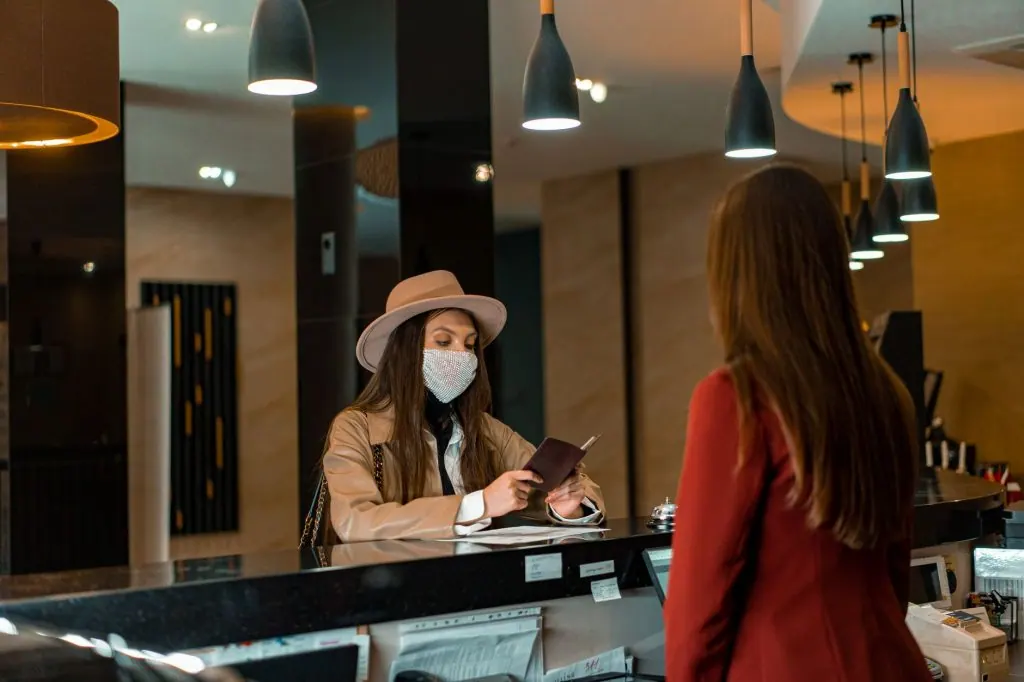
Keep valuables and documents safe
Your passport and money are your lifelines abroad. Losing them can turn a two-week holiday into a month of logistical headaches. Protecting them requires a multi-layered approach. Never rely on a single point of failure.
First, deal with your documents. Make photocopies of your passport’s main page and your visa, if applicable. Keep these copies in a separate location from the originals. A good rule is to keep one set in your hotel safe, one in your luggage, and one on your person in a hidden pocket or a separate small bag. You should also scan these documents and email them to yourself or store them in a secure cloud folder. This way, if your physical copies are lost, you still have digital access to your details.
When carrying your passport, only take it out when you need it. If you are just walking around a hotel or a local beach, leave it in the safe. The same goes for your main credit cards and a large amount of cash. Use a hotel safe whenever possible. If the room safe is small, ask reception if they have a larger safe for valuables. Always ensure the safe is locked and, if possible, set a code that only you know.
For items you need to carry, consider using a money belt or a hidden pouch worn under your clothes. These are discreet and keep your cash and cards close to your body. If you prefer a bag, choose one with anti-theft features, such as slash-proof straps and locking zippers. Wear your bag on your front in crowded areas. This simple change in posture makes it much harder for a thief to snatch it.
Be careful with your bags in transit. At airports and train stations, keep your bag in your line of sight. Never leave it unattended, even for a second. If you are sitting at a cafe, loop the strap of your bag around your leg or arm. This physical connection means you will feel any tug immediately.
Also, consider your digital valuables. Your phone is a target for theft because it contains your bank apps and personal data. Keep it in a secure pocket, not an outer bag pocket that is easy to reach. When using your phone in public, be aware of your surroundings. Thieves often work in pairs; one distracts you while the other lifts your phone.
Finally, do not make your luggage obvious. Avoid using bright, branded suitcases that scream "tourist." Plain, durable bags are less likely to be stolen or mistaken for valuable items. By keeping your valuables secure and your documents accessible but safe, you reduce the risk of a catastrophic loss.
Be careful with money
Money management is a key part of a safe holiday. It is not just about not losing cash; it is about avoiding excessive fees, fraud, and being left stranded with no access to funds. A strategic approach to your money ensures you can pay for what you need without compromising your security.
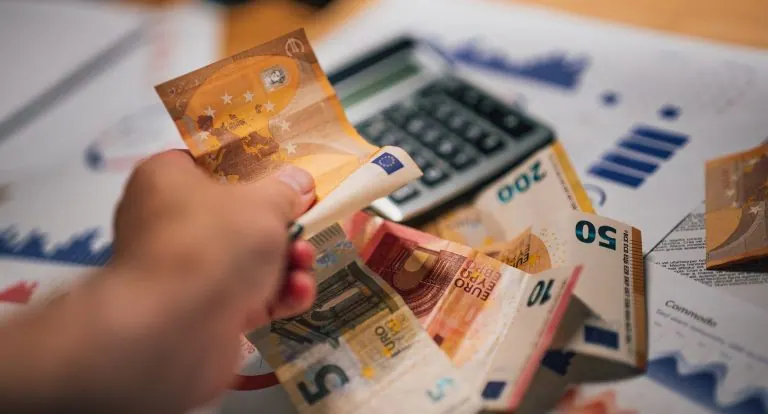
Start by splitting your money. Do not keep all your cash in one place. Divide it into several stash points. Keep a small amount in your wallet for immediate expenses, another in your money belt, and a third in your luggage. If your wallet is stolen, you still have access to funds. This also allows you to carry less cash on your person, making you a less attractive target.
When it comes to cards, use a mix of types. Carry one credit card and one debit card from different banks if possible. This way, if one card is blocked due to suspicious activity, you have a backup. Notify your bank of your travel plans before you leave. This prevents them from flagging your transactions as fraudulent and blocking your card unexpectedly. It is also wise to know the contact numbers for your banks’ international fraud departments, just in case you need to call them while abroad.
Be cautious with ATMs. Use machines located inside banks or well-lit, busy areas rather than standalone machines on quiet streets. Stand behind people while they use the machine to watch for shoulder-surfing. Check for skimming devices on the card slot and keypad. If the machine looks unusual or has loose parts, use a different one. Always shield your PIN with your hand.
Avoid dynamic currency conversion. When paying by card, you might be offered to pay in your home currency instead of the local currency. This is usually a bad deal because the exchange rate is poor. Always choose to pay in the local currency. Your bank will handle the conversion at a better rate.
Cash is still king in many places, but it can be risky. Avoid carrying large notes that are difficult to break. Keep small denominations handy for tips, taxis, and small purchases. When paying, do not display your cash prominently. Count your change discreetly. If you are using a lot of cash, consider using a prepaid travel card. These can be loaded with a fixed amount and are easier to replace if lost than a traditional bank card.
Be aware of your spending limits. Some cards have daily limits on withdrawals or purchases. Know these limits before you travel so you do not find yourself stuck with cash but unable to make a larger purchase. Also, keep an eye on foreign transaction fees. Some cards charge a percentage on every purchase. If you are travelling for an extended period, a card with no foreign transaction fees can save you a significant amount of money.
By being strategic with your money, you avoid the double hit of losing funds and paying high fees to replace them. It also reduces the amount of cash you carry, making you less of a target for theft.
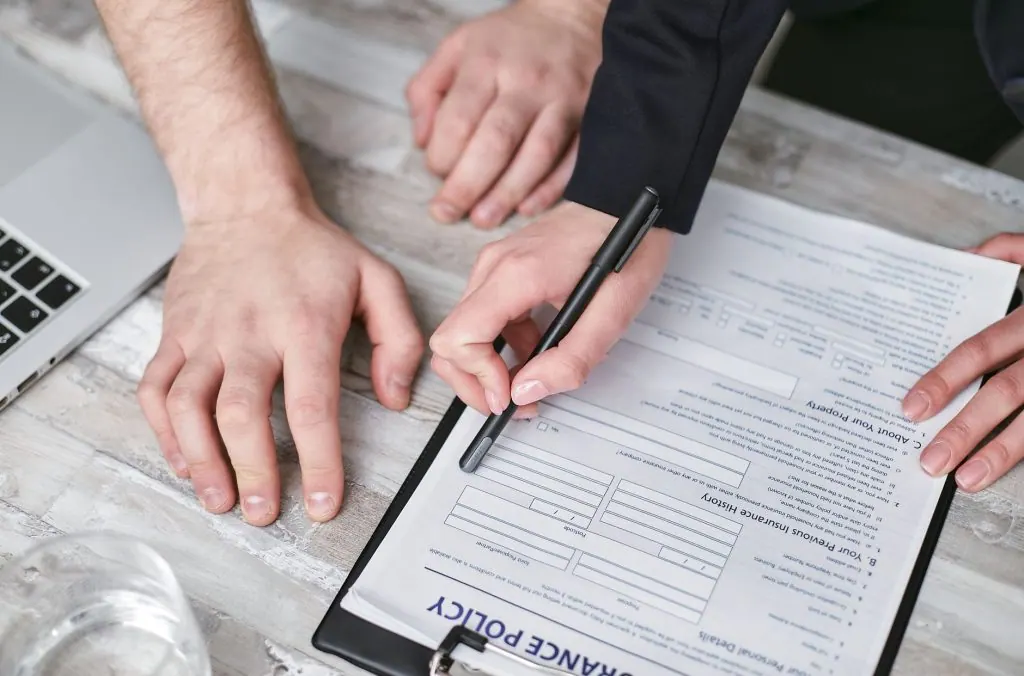
Protect your health
Your health is the most important asset on holiday. If you get sick, your trip is over, and you may face huge medical bills. Protecting your health involves preparation before you go and caution while you are there.
Start with vaccinations. Check the requirements for your destination well in advance. Some countries require proof of vaccination for entry, such as yellow fever. Even if it is not required, recommended vaccines can protect you from common local diseases. Consult your doctor or a travel health clinic at least six weeks before your trip to allow time for vaccines to take effect.
Medication is another critical area. If you take regular medication, bring enough for the entire trip, plus a few days extra in case of delays. Keep your medication in its original packaging with the prescription label. This makes it easier to pass through customs and proves that it is for personal use. Carry a copy of your prescription in case you need to replace your medication or prove its legitimacy.
Food and water are common sources of illness. In many destinations, tap water is not safe to drink. Stick to bottled water, even for brushing your teeth. Be cautious with ice in drinks; if it is made from tap water, it can be contaminated. Eat food that is cooked thoroughly and served hot. Avoid raw or undercooked meat and seafood. Peel fruits yourself, such as bananas and oranges, to ensure they are clean.
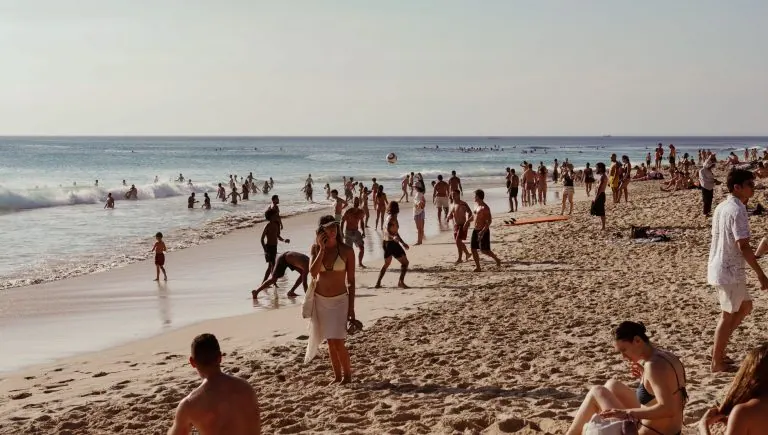
Sun protection is vital, especially in tropical climates. Sunburn can ruin a holiday and lead to more serious health issues. Use a high-factor sunscreen and reapply it regularly, especially after swimming. Wear a hat and sunglasses to protect your face and eyes. Stay hydrated, even if you do not feel thirsty. Heat exhaustion is a real risk, particularly if you are active or drinking alcohol.
Alcohol can exacerbate dehydration and impair your judgment. Drink water between alcoholic drinks. Be aware of how alcohol affects you in a new environment; you might feel less inhibited and more prone to taking risks, such as walking to your hotel late at night in an unfamiliar area.
Mosquito-borne diseases are a concern in many parts of the world. Use insect repellent containing DEET or picaridin. Wear long sleeves and trousers in the evening when mosquitoes are most active. Sleep under a mosquito net if you are in an area with malaria or dengue fever.
Finally, have a plan for minor illnesses. Pack a basic first aid kit with plasters, antiseptic wipes, painkillers, anti-diarrhoeal medication, and rehydration salts. Knowing how to treat a simple stomach bug or a cut can save you a trip to a clinic, which can be expensive and time-consuming.
Stay connected and let people know
Being connected is not just about checking social media; it is about having a reliable way to communicate in an emergency and letting someone back home know you are safe. Isolation can be dangerous, especially if you get lost or sick.
Start by telling someone your itinerary. Share your flight details, hotel addresses, and planned activities with a family member or friend. If you change your plans, let them know. This way, if something goes wrong, someone knows where to look for you. You do not need to share every detail, but a general overview is helpful.
Set up communication before you arrive. Decide how you will stay in touch. Will you use a local SIM card, a roaming package, or Wi-Fi? Local SIM cards are often the cheapest option and give you a local number, which can be useful for calling taxis or hotels. Roaming packages are more convenient but can be expensive. Whichever you choose, ensure you have a way to receive calls and texts.
Download essential apps before you go. Map apps are crucial for navigation. Offline maps are particularly useful if you have limited data. Translation apps can help you communicate in areas where English is not widely spoken. Ride-hailing apps can provide a safer and more transparent way to get around than hailing random taxis.
Keep your phone charged. Carry a portable charger. A dead phone in a foreign city can leave you stranded. Know the location of power outlets in your hotel and public spaces. If you are outdoors all day, keep your phone in a pocket to conserve battery.
Emergency numbers vary by country. Save the local emergency number in your phone, along with the number for your country’s embassy or consulate. You might also want to save the number of your travel insurance provider. If you need to make a claim, having this number handy speeds up the process.
Regular check-ins can provide peace of mind. Send a quick message to your family or friends at the end of each day. This simple habit confirms you are safe and allows them to notice if you go silent. If you are travelling with others, agree on a check-in schedule. If someone does not hear from you by a certain time, they can take action.
Being connected also means being aware of local news and alerts. Follow local news sources or your government’s travel alerts for updates on weather, strikes, or political events. This information can help you adjust your plans if conditions change.
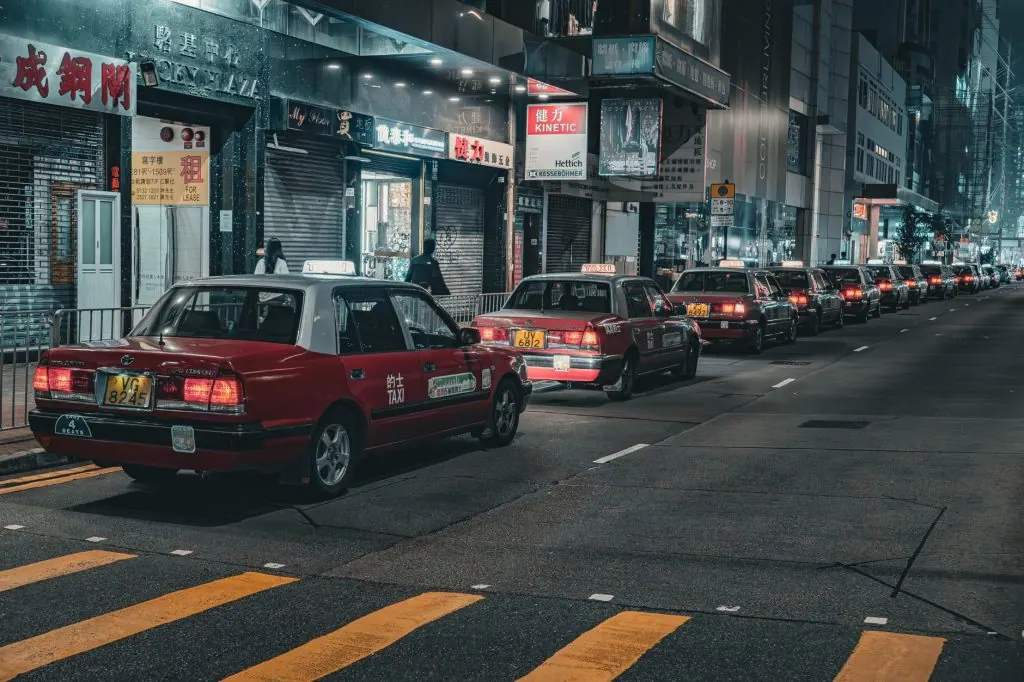
Transport and nights out
Transport is a major part of travel, and it is also a common site for theft and accidents. Nites out offer fun but come with their own set of risks, particularly regarding alcohol and unfamiliar environments. Navigating these safely requires awareness and caution.
When using public transport, be vigilant. Pickpockets often target buses, trains, and trams, especially during rush hour. Keep your bags in front of you and your hands on them. Be aware of your surroundings, especially when doors are opening and closing, as this is a common moment for snatch-and-run thefts. If you are carrying a large bag, consider holding it on your lap rather than on the seat next to you.
Taxis can be convenient but risky if you do not know the local system. Use official taxis from designated ranks or book through a reputable app. If you hail a taxi on the street, ensure it has a visible meter or agree on a price before getting in. Avoid taxis that offer fixed prices that seem unusually high. Ride-hailing apps provide a record of your journey and the fare, which can be useful if there is a dispute.
Walking at night requires extra caution. Stick to well-lit, busy streets. Avoid shortcuts through parks or alleys, even if they are shorter. If you are in an unfamiliar area, consider using a taxi or ride-hailing service, even for short distances. It is safer to pay a small fee than to risk getting lost or mugged.
When going out for drinks or dinner, watch your drink. Do not leave it unattended, and be wary of strangers offering you a drink. If you are drinking alcohol, pace yourself. Alcohol impairs your judgment and makes you more vulnerable to theft or accidents. Keep your phone and wallet in a secure pocket, not on the table.
Be aware of your group dynamics. If you are with friends, stick together. If someone leaves the group, let the others know. If you are travelling solo, be friendly but cautious. It is easy to strike up a conversation, but be mindful of how much information you share. Do not reveal that you are staying alone or where your accommodation is.
Transport accidents are a leading cause of death for travellers. If you are renting a car, ensure you are comfortable with the local driving rules. In some countries, driving is on the left, in others on the right. Be cautious of local driving styles, which can be more aggressive than what you are used to. If you are on a scooter or motorbike, always wear a helmet. These vehicles are less stable and offer less protection in an accident.
Finally, be aware of your physical limits. If you are tired, do not drive or ride a bike. Fatigue slows reaction times and increases the risk of accidents. Plan your outings to allow for rest, especially if you are in a new time zone.
Online safety on the road
Your digital life is as important as your physical safety. When you are travelling, you are often connected to public Wi-Fi networks that may not be secure. This exposes you to risks such as data theft, phishing, and identity fraud. Protecting your online presence is a key part of a safe holiday.
Public Wi-Fi is convenient but risky. When you connect to a free Wi-Fi network in a cafe, airport, or hotel, your data can be intercepted. Hackers can set up fake Wi-Fi networks with similar names to steal your login credentials. To mitigate this, use a Virtual Private Network (VPN) when connecting to public networks. A VPN encrypts your data, making it harder for someone to intercept it. If you do not have a VPN, avoid accessing sensitive accounts, such as your bank or email, on public Wi-Fi.
Be cautious with your devices. Lock your phone and laptop when you are not using them. Use a strong password or biometric lock. If you lose your device, you want to ensure that someone cannot easily access your personal information. Enable "Find My Device" features so you can locate or remotely wipe your device if it is stolen.
Phishing attacks are common on the road. You might receive an email or text that appears to be from your bank or airline, asking you to click a link and enter your details. These messages often create a sense of urgency, such as "your flight is cancelled" or "unusual activity detected." Always verify the sender’s email address and look for spelling mistakes. Do not click on links in unsolicited messages. Instead, go directly to the website or app and log in there.
Social media can also pose a risk. If you post your location in real-time, you are telling thieves that your home is empty. It is safer to post photos and updates after you have left a location. If you do post from a hotel, be vague about which hotel it is. This prevents strangers from knowing exactly where you are staying.
Consider your digital footprint. Some countries monitor internet activity more closely than others. If you are travelling to a country with strict internet censorship, be aware of the laws regarding what you can access and post. Using a VPN can help bypass these restrictions, but it is worth checking the local regulations.
Backup your data regularly. Cloud storage is convenient, but ensure your files are encrypted. If your device is stolen, your cloud data might still be safe, but you want to ensure that any sensitive documents, such as photos of your passport or credit cards, are protected.
Finally, keep your software updated. Regular updates often include security patches that protect against new threats. Ensure your phone and laptop are running the latest operating system and apps. This reduces the risk of vulnerabilities being exploited while you are travelling.
If something goes wrong
Despite your best efforts, things can still go wrong. A passport might be lost, a card might be stolen, or you might fall ill. How you handle these situations can make the difference between a minor inconvenience and a major disaster. Stay calm and follow a clear plan.
If you lose your passport, do not panic. Check all your bags and pockets again. If it is truly lost, report it to the local police and get a police report. This document is often required by your embassy and your insurance provider. Contact your country’s embassy or consulate immediately. They can issue an emergency travel document. Have a copy of your passport ready to speed up the process. Bring a passport-sized photo if possible, or take one at the embassy if they allow it.
If your credit cards are stolen, call your bank immediately to block them. Most banks have 24-hour international call centres. Ask them to issue replacement cards. Depending on your location, you might be able to have them delivered to your hotel or a local branch. If you have a backup card, start using it. Notify your travel insurance provider as well, as you may be able to claim for the stolen cards or any fraudulent transactions.
If you get sick or injured, seek medical help. Your travel insurance should cover medical expenses, so contact your insurance provider as soon as possible. They can direct you to approved hospitals or clinics and may even arrange for your treatment costs to be paid directly. Keep all receipts and medical reports, as you will need them for your claim. If you have a serious condition, your insurance might arrange for medical evacuation back to your home country.
If you are in an accident, gather as much information as possible. Take photos of the scene, the vehicle, and any injuries. Get the names and contact details of witnesses. If it involves a transport service, get the company name and vehicle number. Report the incident to the police and get a report. This evidence will be crucial for any insurance claim or legal action.
If you lose your luggage, file a claim with the airline or transport provider immediately. Get a property irregularity report. Keep a list of the contents of your luggage, especially valuable items. Take photos of the items before you travel to prove their value. Follow up with the airline regularly until your luggage is found or the claim is settled.
If you are in a difficult situation, such as a natural disaster or political unrest, follow the advice of local authorities and your embassy. They will provide updates and instructions. Stay in contact with your family and friends, and keep your phone charged.
Finally, remember that most problems are solvable. Travel insurance is designed for these moments. Read your policy carefully to understand what is covered. Do not assume that everything is covered. Some policies exclude pre-existing conditions or high-risk activities. Knowing your coverage helps you make informed decisions when something goes wrong.
Official sources and further reading
Opening times, entry rules and prices change, so check them on the official sites before you travel:
- GOV.UK: foreign travel advice: Entry rules, safety and health notices for every country, kept up to date by the UK government.
- GOV.UK: foreign travel insurance: What travel insurance should cover and how to choose a policy.
- NHS: apply for a GHIC: The UK Global Health Insurance Card and where it applies.