 By
By 
The car sits in the driveway, packed and ready. You have checked the passports, the tickets are printed, and the suitcase is by the door. Then, the final hesitation: did you lock the doors? Is the garage door secure? Will the battery survive two weeks away? Leaving your car while travelling seems simple enough, but the difference between a smooth return and a frustrating mechanical headache often comes down to a few minutes of preparation.
Whether you are heading to the airport for a short break or storing the vehicle for a long holiday, the risks are real. A drained battery, flat tyres, or a theft attempt can turn your dream trip into a logistical nightmare the moment you land. This guide cuts through the noise to give you a clear, step-by-step plan for protecting your vehicle. We will look at where to leave it, how to prepare the mechanical parts, and what security measures actually work. If you are considering renting a car instead, you might find Holiday Car Rental Tips When Visiting The UK helpful for comparing options.

Why preparing your car matters
Leaving a vehicle stationary for an extended period introduces several specific risks that do not affect cars driven regularly. The most common issue is electrical. Modern cars have numerous electronic modules that draw a small amount of power even when switched off. Over days or weeks, this parasitic drain can fully deplete the battery. A dead battery is not just an inconvenience; it can also damage the battery cells if left in a discharged state for too long. This is particularly true in colder weather, where chemical reactions in the battery slow down, reducing its ability to hold a charge.
Mechanical issues also arise from inactivity. Tyres develop flat spots where they rest against the ground. While minor flat spots often disappear after driving a short distance, severe cases can cause noticeable vibration or require replacement. Fluids also settle and can lose their protective properties. Oil settles in the sump, leaving engine components exposed to potential corrosion. Fuel can degrade over time, leading to varnish deposits in the fuel system, although this usually takes several months.
Security is another major concern. A car left unattended in a visible location is a target. Thieves often look for visual cues to determine if a car is occupied or if valuable items are inside. A car with a full boot and visible items in the back seat looks like an easy target for break-ins. Conversely, a car that looks "lived-in" or has visible deterrents may be passed over. Understanding these risks helps you prioritise your prep time effectively.
Choosing where to leave it
Your choice of parking location significantly impacts the safety and condition of your vehicle. The options generally fall into three categories: home driveway, garage, and commercial parking facilities. Each has distinct advantages and drawbacks regarding security, weather exposure, and cost.
Leaving your car on a home driveway is convenient and free. However, it leaves the vehicle exposed to weather and visible to passers-by. In rural areas, this might be safe, but in urban or high-traffic areas, it increases the risk of theft or vandalism. A garage offers superior protection from weather and visual detection. If you have a secure, locked garage, this is often the best option for long-term storage. Ensure the garage door is secure and that there are no windows in the door that allow thieves to see inside.
For those flying, airport parking and long-stay car parks are the standard choice. These facilities range from basic open-air lots to high-security, multi-storey buildings with 24-hour CCTV and manned security. The trade-off is cost. You will pay a daily fee, which can add up quickly for long holidays. However, the benefit is often peace of mind regarding security and the convenience of leaving the car close to your terminal.
When choosing a commercial car park, look for specific features. Good lighting, CCTV coverage, and regular patrols are essential. Some car parks offer valet services, where you leave your car at the terminal and it is stored in a secure compound. This is often more expensive but reduces the hassle of shuttle buses. If you are staying away for an extended period, compare the cost of parking against the value of your time and the level of security provided. You might also consider if 5 Tips to Choosing the Right Car to Rent is a better financial option if your parking fees exceed the cost of a rental.
Airport and long-stay parking
When selecting an airport car park, security features should be your primary criterion. Look for facilities that offer "meet and greet" or valet services, as these often store vehicles in more secure, indoor locations away from public view. Open-air car parks are generally cheaper but expose your car to the elements and potential break-ins. If you choose an open-air lot, ensure it is well-lit and has visible security cameras.
Read recent reviews to gauge the reliability of the service. Pay attention to comments about shuttle bus frequency and reliability. A delayed shuttle can cause you to miss your flight or arrive at the terminal stressed and tired. Check if the car park is covered by your insurance policy. Some comprehensive car insurance policies cover damage while the car is in a designated airport car park, but others may have restrictions. Always check the small print before booking.
Booking in advance usually secures a lower rate. Prices fluctuate based on demand, so booking months ahead for peak holiday periods can save a significant amount. Consider the location of the car park relative to your terminal. Some car parks require a 20-minute shuttle ride, while others are connected directly to the terminal. For long-term parking, factor in the time it takes to retrieve your car. Valet services often have longer turnaround times when you return, meaning you might wait longer for your vehicle than if you parked it yourself.
Ask about the security protocols. Does the car park have physical barriers, such as gates and bollards, to prevent drive-through theft? Are there security guards on site 24/7, or is it just CCTV? CCTV is a good deterrent, but active human presence is often a stronger one. Ensure the car park has a clear plan for incident response. If your car is damaged while parked, you need to know exactly who to contact and how the claims process works.
Prepare the battery and fluids
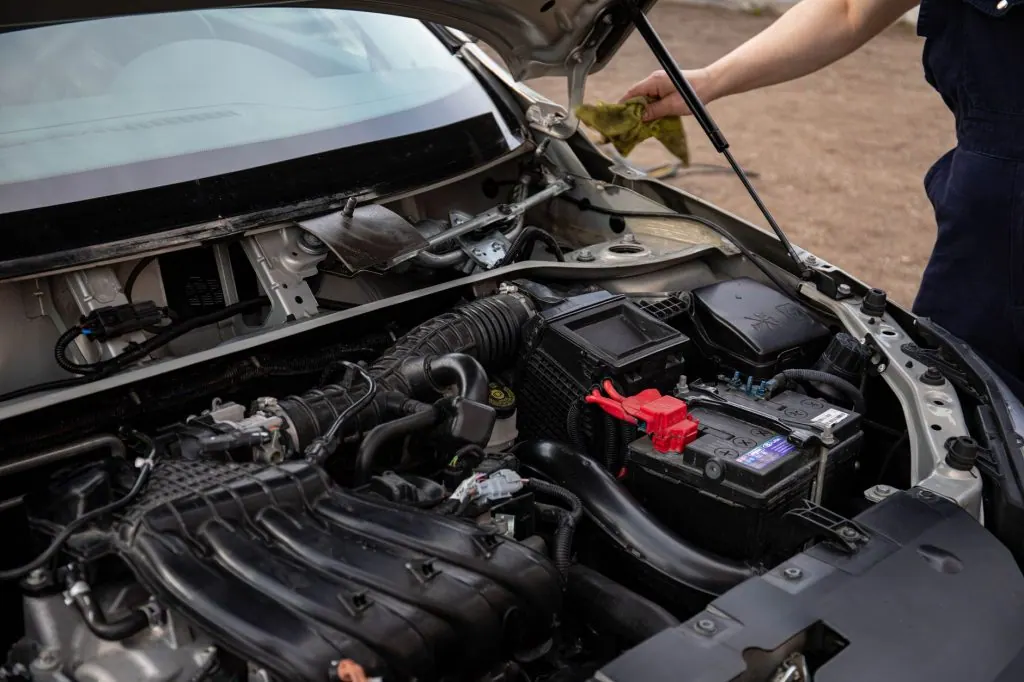
The battery is the most vulnerable component during long periods of inactivity. Even with all electrical systems off, modern cars draw power for clocks, alarms, and keyless entry modules. To prevent a dead battery, you can disconnect the negative terminal. This stops the parasitic drain completely. However, this may reset your radio presets and clock, and some modern cars may require specific procedures to reconnect the battery without losing other settings. Check your owner’s manual for guidance.
A better long-term solution is to use a trickle charger or a smart battery maintainer. These devices connect to the mains and provide a low, steady charge to keep the battery full without overcharging it. This is ideal for cars stored in garages where a power outlet is available. If you cannot use a trickle charger, ensure the battery is fully charged before you leave. A healthy battery is less likely to suffer from deep discharge damage.
Fuel levels also matter. Top up your fuel tank to near full. This reduces the amount of air in the tank, minimising condensation and rust formation on the fuel tank walls. It also ensures you have enough fuel to start the car easily upon your return, especially if the fuel has degraded slightly. Use a fuel stabiliser if you are leaving the car for more than three months. This additive prevents the fuel from breaking down and forming varnish deposits in the injectors and carburettors.
Tyre pressures should be checked and adjusted before departure. Inflate them to the manufacturer’s recommended level, which is often higher than the standard driving pressure for long-term storage. This helps prevent the development of flat spots. If you have a tyre pressure monitoring system (TPMS), ensure the sensors are functioning correctly. Some drivers prefer to lift the car on stands to take the weight off the tyres entirely, but this is usually overkill for short to medium-term holidays.
Cleaning and protecting the exterior
A clean car is not just about aesthetics; it is about protection. Before leaving your car, wash it thoroughly to remove dirt, bird droppings, and tree sap. These contaminants can etch into the paintwork if left for weeks, causing permanent damage. A good wash followed by a wax or sealant application creates a protective barrier against moisture and UV rays.
Consider the location where you park. If you are leaving the car on a driveway or in an open car park, try to park it in a shaded area if possible. Prolonged exposure to direct sunlight can fade the paint and crack the dashboard and leather seats. If you have a car cover, use it. A high-quality, breathable car cover protects against dust, bird droppings, and minor scratches. Ensure the car is completely dry before covering it to prevent moisture from being trapped underneath, which can lead to mould or rust.
If you are using a car cover, make sure it fits snugly. A loose cover can flap in the wind, causing abrasion to the paint. Secure it with straps or grommets if available. For cars stored in garages, a cover can also protect against dust and small pests. Remove any loose items from the exterior, such as roof racks or bike holders, unless they are designed for long-term storage. These accessories can trap moisture or become damaged by wind.
Check the condition of the paint before you leave. If there are any chips or scratches, touch them up with matching paint to prevent rust from forming. Rust spreads quickly, especially in damp conditions. A small chip left unchecked can become a significant repair bill upon your return. A clean, protected car is easier to inspect for damage when you come back, and it saves time on detailing before your next drive.
Secure the interior
Thieves are opportunistic. They look for easy targets and visible valuables. Before leaving your car, remove all personal items. This includes sunglasses, toll passes, parking permits, and any electronics like sat-navs or tablet mounts. These items are small, valuable, and easy to spot through a window. Even a cheap bag left on the seat can attract a smash-and-grab attack.
Empty the glove box and the centre console. These are common places people store documents, maps, or loose change. Remove everything. If you have a spare key, take it with you. Do not leave a spare key in the car, even in a magnetic box attached to the chassis, as thieves know where to look.
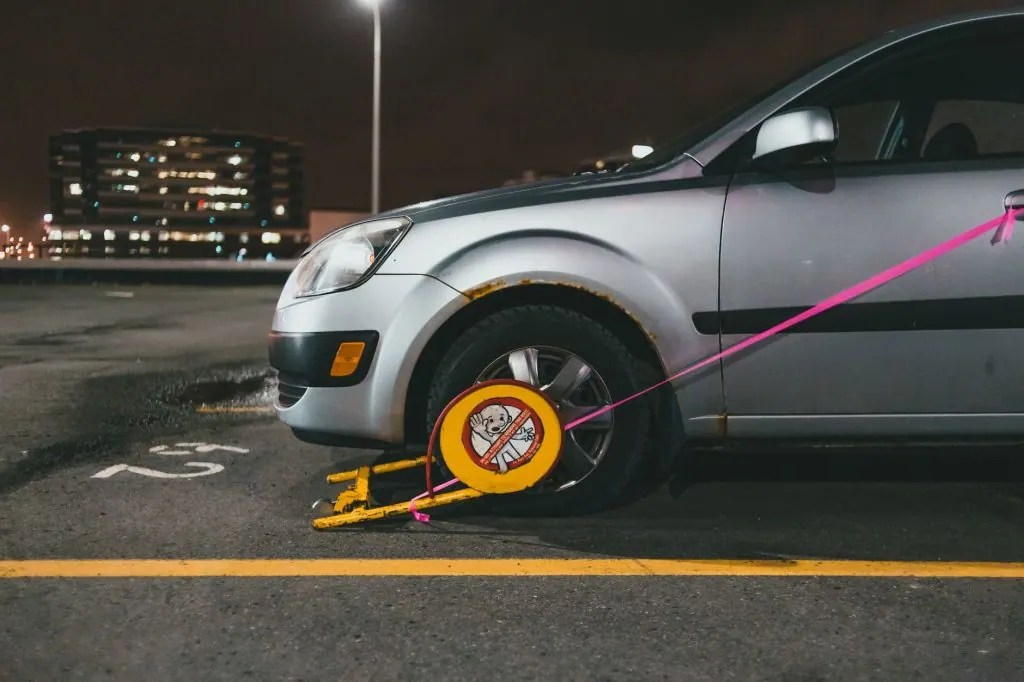
Check the back seat and boot. Ensure there are no visible items that could be of interest. If you have a boot cover, close it. If you are storing the car in a garage, you might leave the boot empty to show it is clear. For added security, consider using a steering wheel lock or a brake pedal lock. These physical deterrents are highly visible and signal to thieves that the car is protected. They are often more effective than alarms, which can be disabled by experienced thieves.
Do not leave valuable documents in the car, such as registration papers or insurance certificates, unless required by law in your jurisdiction. These can be used to identify the owner or stolen for identity fraud. If you must leave documents, keep them in a locked glove box. Ensure all windows are fully closed and the sunroof is shut. Check that the alarm system is functioning correctly and that the sensors are not obstructed by stickers or dirt.

Insurance and paperwork
Before you leave, review your car insurance policy. Standard comprehensive insurance usually covers damage while the car is parked, but there are often exclusions for long-term storage. Some policies require you to notify them if the car is parked for more than a certain number of days, such as 30 days. Failure to do so could invalidate your cover if damage occurs.
Check if you need specific "parking" or "storage" cover. This is often required if you are leaving the car in a commercial car park or if it is stored for several months. Ensure the policy covers theft, fire, and damage while parked. Some policies may exclude damage caused by animals or weather events if the car is not in a secure location.
Keep a copy of your insurance policy and the parking facility’s details in a safe place, such as at home or with a trusted person. Note down the contact number for the car park’s security team. If an incident occurs, you will need to report it quickly. Ensure you have the correct address and reference number for the parking location, as this may be required for claims.
If you have a mortgage or finance agreement on your car, check if there are any restrictions on long-term parking. Some lenders require the car to be kept at your registered address. While this is rarely enforced strictly, it is worth checking to avoid any technical breaches of contract. Keep all receipts for parking fees and any maintenance done before departure. These documents can support your insurance claim if damage occurs.
Ask someone to check on it
Even with the best preparations, having someone check on your car occasionally is a smart move. A neighbour, friend, or family member can look out for any obvious signs of trouble. Ask them to check if the car is in the same position, if the windows are intact, and if there are no fresh dents or scratches.
If possible, ask them to start the car once a month. Running the engine for 10-15 minutes helps circulate oil, recharge the battery, and move the tyres slightly to prevent flat spots. If the car has a trickle charger, ask them to check that it is still connected and functioning. This simple step can prevent a dead battery and ensure the car is ready to drive when you return.
Visually inspecting the car can also help detect issues early. A neighbour might notice if a bird has built a nest in the exhaust pipe or if a tree branch has fallen on the car. These small issues can cause significant damage if left unchecked. Having a regular check-in schedule ensures that any problems are identified and addressed promptly.
If you do not have a local contact, consider using a car monitoring service. Some companies offer apps that allow you to track your car’s location and status remotely. This can provide peace of mind, especially if you are storing your car in a different city or country. However, these services often come with a monthly fee, so weigh the cost against the value of the peace of mind they provide.
On your return
When you return from your trip, do not just jump in and drive away. Inspect the car for any visible damage. Check for new dents, scratches, or broken windows. If you left the car in a commercial car park, check for any damage that may have occurred while parked. Take photos of any damage for insurance purposes.
Check the tyre pressures again. Tyres may have lost some pressure during storage, even if inflated initially. Inflate them to the correct level before driving. Check the oil level to ensure it has not dropped significantly. Listen for any unusual noises when starting the engine. If the car has been sitting for a long time, the brakes may be slightly rusted. Test them gently at low speed to remove any surface rust.
Start the engine and let it run for a few minutes. This allows the battery to recharge and the engine to warm up. If the car has a trickle charger, disconnect it before driving. Check all fluid levels, including coolant, brake fluid, and power steering fluid. Top up if necessary. Ensure the wiper fluid is full, especially if you are driving in rainy conditions.
Take a short drive around the block to test the steering, brakes, and suspension. Listen for any unusual vibrations or noises. If the car feels different, have it inspected by a mechanic before taking it on a long journey. A thorough check-up upon return ensures that your car is safe and reliable for your next trip.
Unexpected Holiday Expenses can be avoided by ensuring your car is in good condition before you leave, preventing costly repairs while you are away or immediately upon return.
Official sources and further reading
Opening times, entry rules and prices change, so check them on the official sites before you travel:
- GOV.UK: driving abroad: Licence, insurance and documents needed to drive abroad.