Paris is a beautiful city, but its sheer scale can quickly become overwhelming. Without a clear plan, even the most enthusiastic visitors risk spending their days standing in queues or wandering aimlessly between disconnected landmarks. The difference between a frantic, exhausting trip and a memorable one often comes down to structure. By grouping nearby attractions and mixing iconic sights with quieter, local neighbourhoods, you can experience the true rhythm of the city without burnout. This guide breaks down exactly how to navigate four days in Paris, balancing the must-see highlights with the kind of local experiences that make a visit feel authentic rather than transactional.
Planning Your 4-Day Paris Strategy
A successful best Paris itinerary relies on geography and timing rather than just a list of famous names. Paris is divided into arrondissements that spiral out from the centre, and trying to zigzag across the city every day will waste valuable hours. Instead, group your activities by neighbourhood. This approach minimises travel time and allows you to immerse yourself in the atmosphere of each area.
For a four-day trip, aim for a mix of high-energy sightseeing and slower, observational days. Start with the dense historical centre, move to the artistic hills, take a day for major monuments or a day trip, and finish with a blend of iconic views and trendy local life. This pacing prevents fatigue and keeps the experience fresh.
Booking major attractions in advance is non-negotiable if you want to avoid long lines. The Louvre, the Eiffel Tower, and Versailles can have waiting times that exceed two hours during peak seasons. Secure your tickets online for specific time slots weeks, or even months, ahead. This small administrative step frees up your day to actually enjoy the site rather than standing in the cold or heat.
It is also wise to leave room for spontaneity. Not every moment needs to be scheduled. A random detour into a quiet courtyard or a coffee break in a local square often provides the most memorable parts of a trip. However, do not leave critical, time-sensitive bookings to chance.
Where to Stay for the Best Experience
Your choice of neighbourhood sets the tone for your entire trip. While central hotels often command a premium, staying in the right district can save you significant time and money on transport.
For first-time visitors, the Latin Quarter is an excellent base. It is central, walkable, and steeped in history. You are within striking distance of the Seine, the Panthéon, and numerous universities, giving the area a lively, intellectual energy. It is ideal if you want to be in the thick of the action without being in the most expensive tourist zone.
Couples and foodies often prefer Le Marais. This historic district is a maze of narrow streets, boutique shops, and some of the best restaurants in the city. It has a vibrant evening scene and retains a distinct Jewish heritage visible in its architecture and cuisine. It is slightly more upscale but offers a sophisticated urban feel.
If you are seeking a bohemian vibe, Montmartre is the choice. Perched on a hill, it feels like a separate village with its own charm. It is quieter at night but busy with tourists during the day. Staying here means dealing with steep hills and more stairs, which can be tiring, but the artistic atmosphere is unmatched.
Regardless of the neighbourhood, proximity to a metro station is crucial. Paris is a walking city, but the metro is efficient and essential for longer hops. A hotel within a five-minute walk of a station will save you considerable frustration, especially when returning late at night with tired legs. Avoid areas with limited transport links unless you are prepared to walk significant distances or rely on taxis, which can be expensive and slow in traffic.
Day 1: The Heart of Paris and Hidden Gems
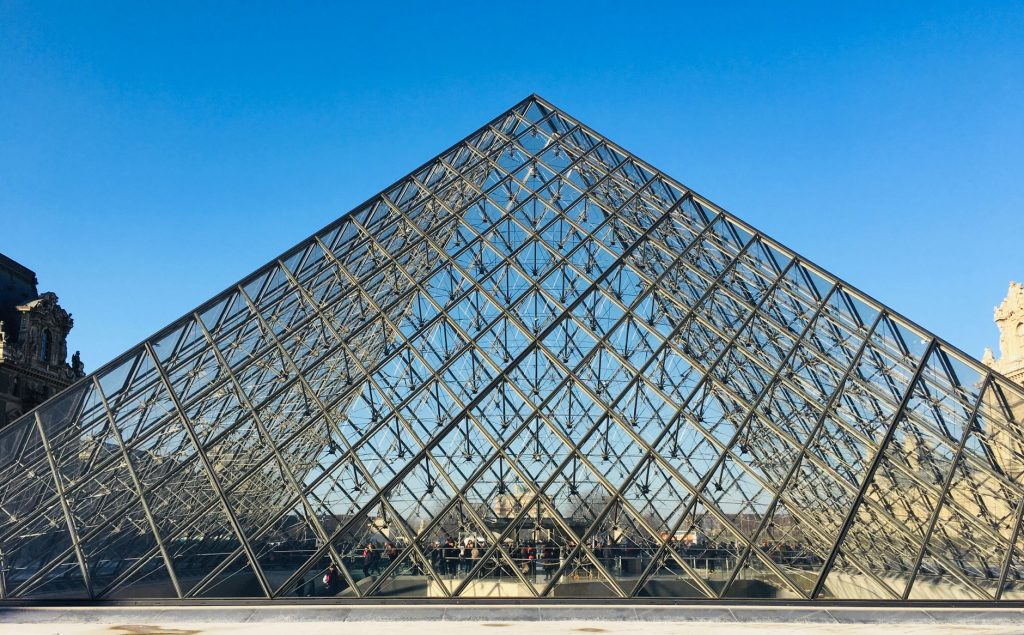
Start your 4 days in Paris itinerary in the historical centre, where the density of landmarks is highest. Begin your morning at the Louvre. Arrive right at opening time to beat the crowds. The museum is vast, so have a plan. Head straight for the Denon wing to see the Mona Lisa, then explore the French paintings or the Egyptian antiquities. Allocate at least three hours here; rushing through will leave you with more questions than answers.
After the Louvre, walk through the Tuileries Garden. This formal garden offers a perfect palate cleanser between the intensity of the museum and the streets beyond. It is a great place to rest your feet and people-watch. The garden leads directly to the Place de la Concorde, where you can see the Obelisk and the fountains before heading towards the Seine.
Cross the river to the Latin Quarter. This area was once the academic heart of Paris and retains a scholarly, relaxed atmosphere. Stroll along the Rue de la Bûcherie and browse the bookshops. Your key stop here is the Panthéon. This neoclassical mausoleum houses the remains of distinguished French citizens, including Voltaire, Rousseau, and Marie Curie. The interior dome is impressive, and the history is palpable.
For a quieter cultural experience, seek out the Saint-Étienne-du-Mont church. Located near the Panthéon, it is often overlooked by tour groups. Inside, you will find the golden tomb of Sainte-Geneviève, the patron saint of Paris. The architecture is exquisite, and the acoustics are stunning. It is a place for reflection and appreciation of Renaissance art, far from the noise of the main tourist trails. End your day with dinner in the Latin Quarter, where you will find a wide range of bistro options at various price points.
Day 2: Montmartre’s Artistic Charm and Views
Day two takes you north to Montmartre, a hilltop neighbourhood that feels like a village within the city. It has a compact, charming layout that invites slow exploration. The streets are cobblestoned and winding, lined with historic studios and small squares.
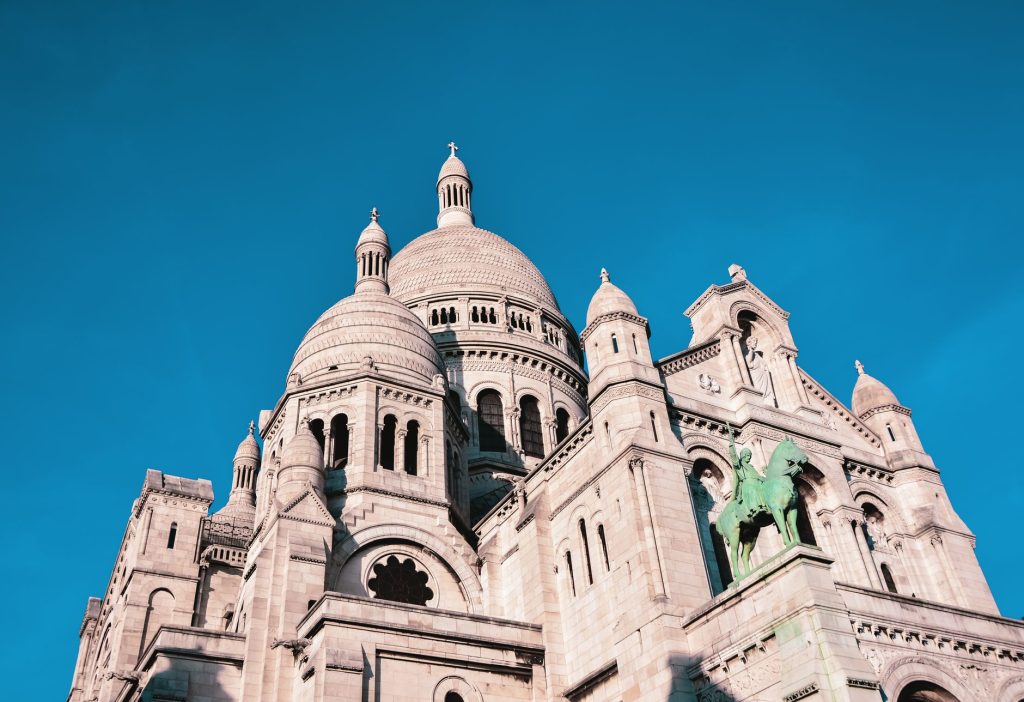
Start your ascent by taking the funicular up to the Sacré-Cœur Basilica. The basilica is a masterpiece of Romano-Byzantine architecture, featuring a striking white facade and a large dome. Inside, the mosaic of Christ in Majesty is one of the largest in the world. The steps in front of the church offer panoramic views of Paris. On a clear day, you can see for miles. It is a prime spot for photography, especially in the late afternoon when the light is soft and golden.
Down the hill, you will find the Place du Tertre. This square has been a hub for artists since the 19th century. You will see painters setting up easels, offering portraits to passersby. It is touristy but retains an artistic spirit. Watch the artists at work and perhaps commission a sketch as a memento. Be aware that prices vary, so ask before sitting down.
Nearby is the Moulin Rouge. Even if you do not attend a show, the red windmill is an iconic symbol of Parisian nightlife. The area around it is bustling with cafes and theatres. For the best atmosphere, visit in the early evening. The light is beautiful, and the anticipation of the night ahead is palpable.
Walk off the energy by exploring the side streets. Look for the Wall of Love, a mosaic wall where "I love you" is written in many languages. It is a small, sweet spot that contrasts with the grandeur of Sacré-Cœur. End your day with dinner in a traditional bistro in Montmartre. The area has a reputation for slightly higher prices due to its tourist status, but hidden gems exist if you venture a few blocks away from the main squares.
Day 3: Royal Elegance and Modern Icons
Day three offers a choice between a grand day trip and a focused urban exploration. If you have the time and energy, the Palace of Versailles is a must. Located about 20 kilometres west of Paris, it is a UNESCO World Heritage site. The palace itself is immense, with over 700 rooms. The Hall of Mirrors is the highlight, showcasing the opulence of the French monarchy. The gardens are equally impressive, featuring manicured lawns, fountains, and the Grand Canal. Allow a full day for this trip. Book your tickets and entry to the palace in advance. The sheer scale means you will need at least five hours to see the main highlights without rushing.
If you prefer to stay in the city, focus on the 8th Arrondissement. Start with the Arc de Triomphe. Climb to the top for one of the best views of the city’s radiating avenues. The history of the monument, dedicated to those who fought for France, adds weight to the visit. The traffic circle below is chaotic and iconic; watch it from the safety of the terrace.
Walk down the Champs-Élysées towards the Place de la Concorde. This avenue is lined with theatres, cafes, and luxury shops. It is a grand boulevard that showcases Parisian elegance. Use it as a thoroughfare to reach the river, rather than getting bogged down in the shops unless you have specific interests.
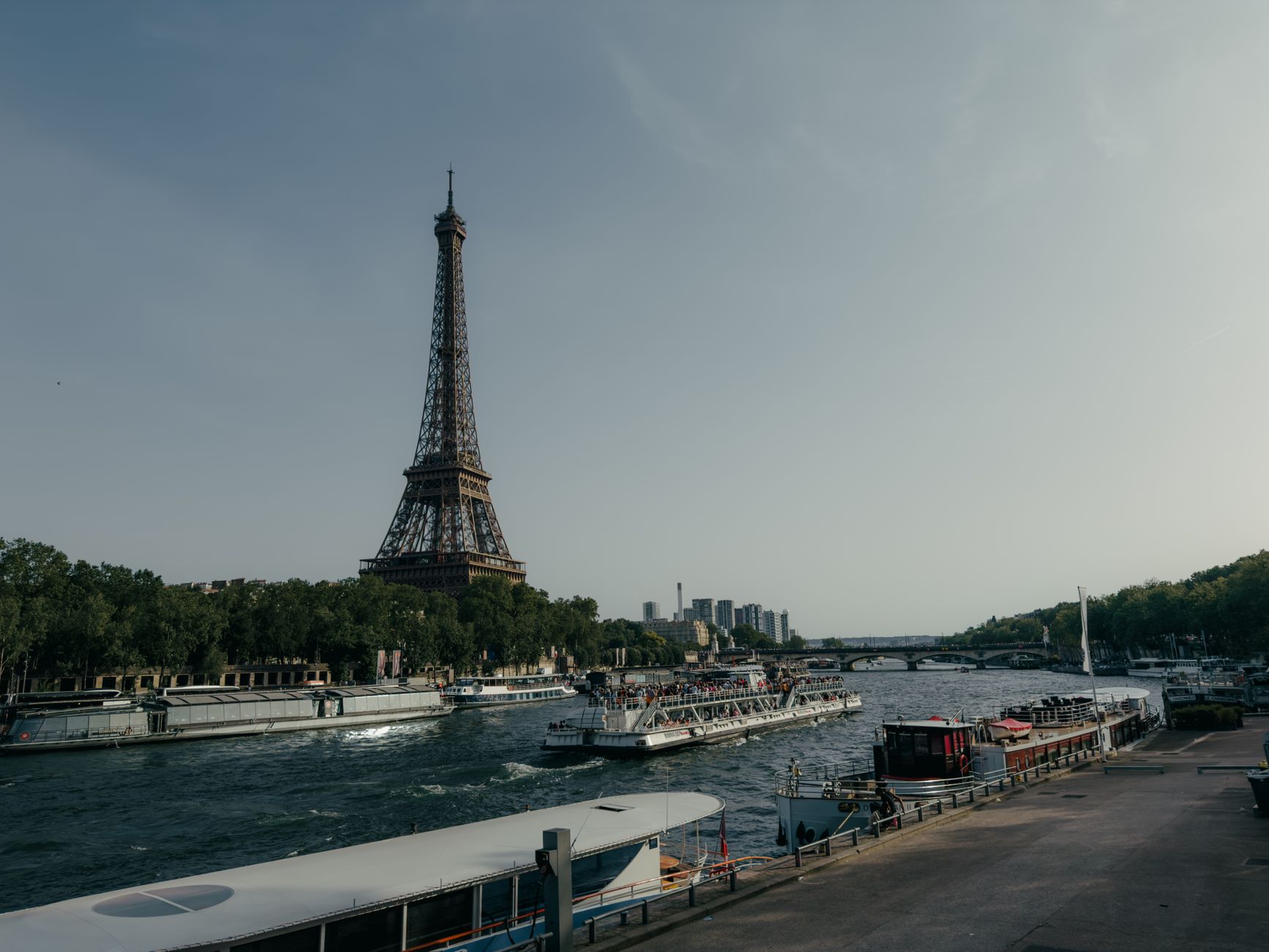
End your day with a Seine River cruise. This is a classic Parisian experience, especially at night. The landmarks are illuminated, and the Eiffel Tower sparkles on the hour. A boat tour allows you to see the city from a different perspective, passing under historic bridges and alongside famous buildings. It is a relaxing way to conclude a day of walking. Choose a boat that offers commentary in your language if you want to learn about the architecture and history.
Day 4: Iconic Heights and Local Life
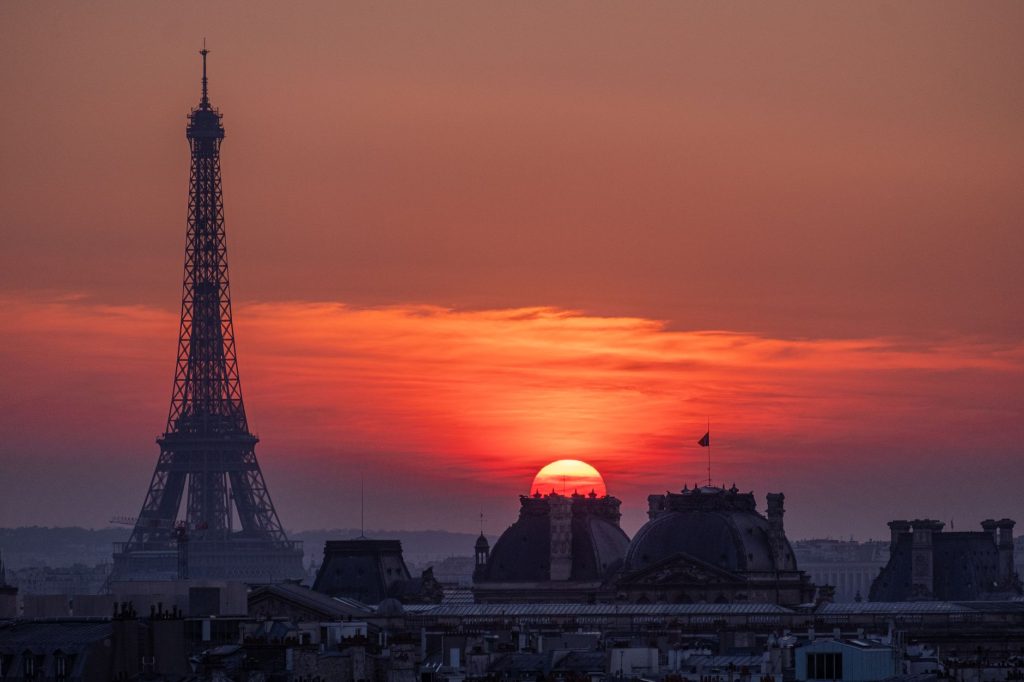
The final day combines the ultimate Parisian view with the vibrant local culture of Le Marais. Start early at the Eiffel Tower. Whether you climb the stairs or take the lift, the view from the top is unparalleled. The city stretches out in every direction, a grid of rooftops and monuments. If you have booked tickets, stick to your time slot. If you are visiting without, expect a wait. The first floor and second floor also offer excellent views and are less crowded.
After the Eiffel Tower, head to the Marais district. This area is a contrast to the grand boulevards you have seen. It is a maze of narrow streets, historic mansions, and modern boutiques. The Place des Vosges is the oldest planned square in Paris, with red brick and stone arcades. It is a peaceful oasis, perfect for a picnic or a rest.
Explore the Jewish quarter in the Marais. This area has a rich history and is home to some of the best falafel in the world, as well as numerous bakeries and delis. It is a foodie’s paradise. Visit the Picasso Museum if you have an interest in his work. The museum is housed in a historic hotel particulier and offers a focused look at the artist’s evolution.
The Marais is also known for its LGBTQ+ history and vibrant nightlife. Even in the daytime, the streets are full of energy. Browse the independent shops and galleries. The district is a blend of old and new, where historic architecture meets contemporary fashion. End your trip with a farewell dinner in the Marais. The variety of cuisines is impressive, from traditional French to international flavours. Reflect on your four days in Paris as you enjoy your last meal in the city.
Paris Food and Drink Essentials
Parisian cuisine is a key part of the experience, but it can be daunting for those unfamiliar with the culture. A Paris food guide should focus on understanding the norms rather than just listing dishes.
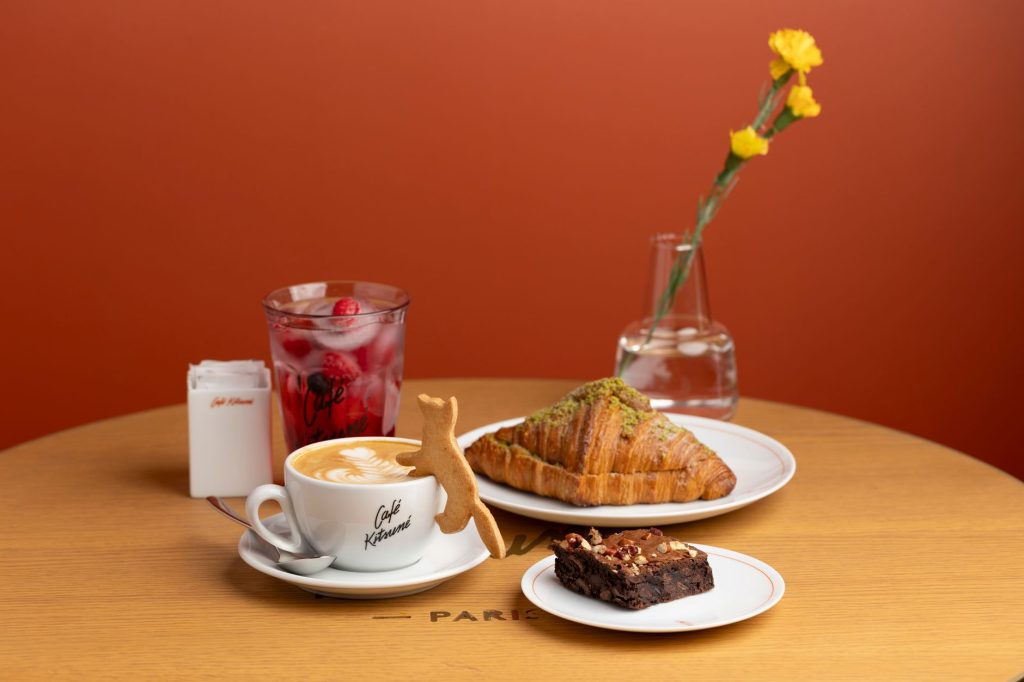
Start your day with a croissant or a pain au chocolat. These are available in any boulangerie. Look for the "artisan boulanger" sign, which indicates a bakery that makes its bread on-site. The quality is generally superior to supermarket options. A good croissant should be flaky, buttery, and airy, not dense or sweet.
For lunch, consider a "formule" or "menu" at a bistro. These set menus offer a starter, main, or dessert for a fixed price, which is often significantly cheaper than ordering à la carte. They are a practical way to try local dishes without breaking the bank. Typical dishes include steak frites, coq au vin, or onion soup.
Escargot is a classic starter. It consists of snails cooked with garlic and parsley butter. It is not for everyone, but it is a traditional experience. If you are hesitant, ask the server for a recommendation. They will often suggest something more approachable.
Wine is integral to the meal. A bottle of house wine is inexpensive and complements the food well. Do not be afraid to ask for advice. Waiters appreciate genuine interest. Avoid the wine lists in tourist-heavy areas unless you are prepared to pay a premium. Look for local, regional wines rather than famous, branded labels.
They are best visited for a coffee or a drink while people-watching, rather than as a primary dining spot. If you want a more authentic experience, seek out smaller, independent cafés in side streets. The service in Paris can be formal and less attentive than in other countries. This is not rudeness; it is a cultural norm. Patrons are expected to signal for the bill and order at the counter if it is a casual spot.
Practical Tips, Costs, and Common Mistakes
Navigating Paris efficiently requires a few practical adjustments. The metro is the best way to get around. It is clean, frequent, and covers most of the city. Buy a Navigo pass if you are staying for several days, as it offers unlimited travel. For shorter stays, single tickets or a carnet (pack of ten) are cost-effective. Be aware that the metro is not accessible in all stations, so plan your routes if you have mobility issues.
Avoid eating in restaurants directly next to major landmarks like the Eiffel Tower or the Louvre. These venues often have higher prices and lower quality. Walk a few blocks away to find better value. Look for places with menus in French and locals dining. A good rule of thumb is to avoid menus with pictures of the food, as these are often aimed at tourists.
Peak summer crowds can be overwhelming. If you are visiting in July or August, expect long lines and higher temperatures. Visit popular sites early in the morning or late at night when they are less crowded. The Eiffel Tower is particularly busy in the afternoon; a sunset visit offers better lighting and fewer people.
Keep an eye on your belongings in crowded areas. Pickpocketing is common on the metro and at tourist sites. Keep bags closed and in front of you. Do not keep wallets in back pockets.
Tipping is not as mandatory as in some countries. Service is usually included in the bill. Check your receipt for "service compris."
Finally, learn a few basic French phrases. "Bonjour" (hello) and "Merci" (thank you) go a long way. Locals appreciate the effort, even if your pronunciation is imperfect. It shows respect for the culture and can lead to warmer interactions.
Paris rewards those who take their time. Do not rush from one monument to the next. Allow yourself to get lost in the streets, to sit in a park, and to enjoy the simple pleasure of a coffee on a terrace. This is how you truly experience the City of Light.