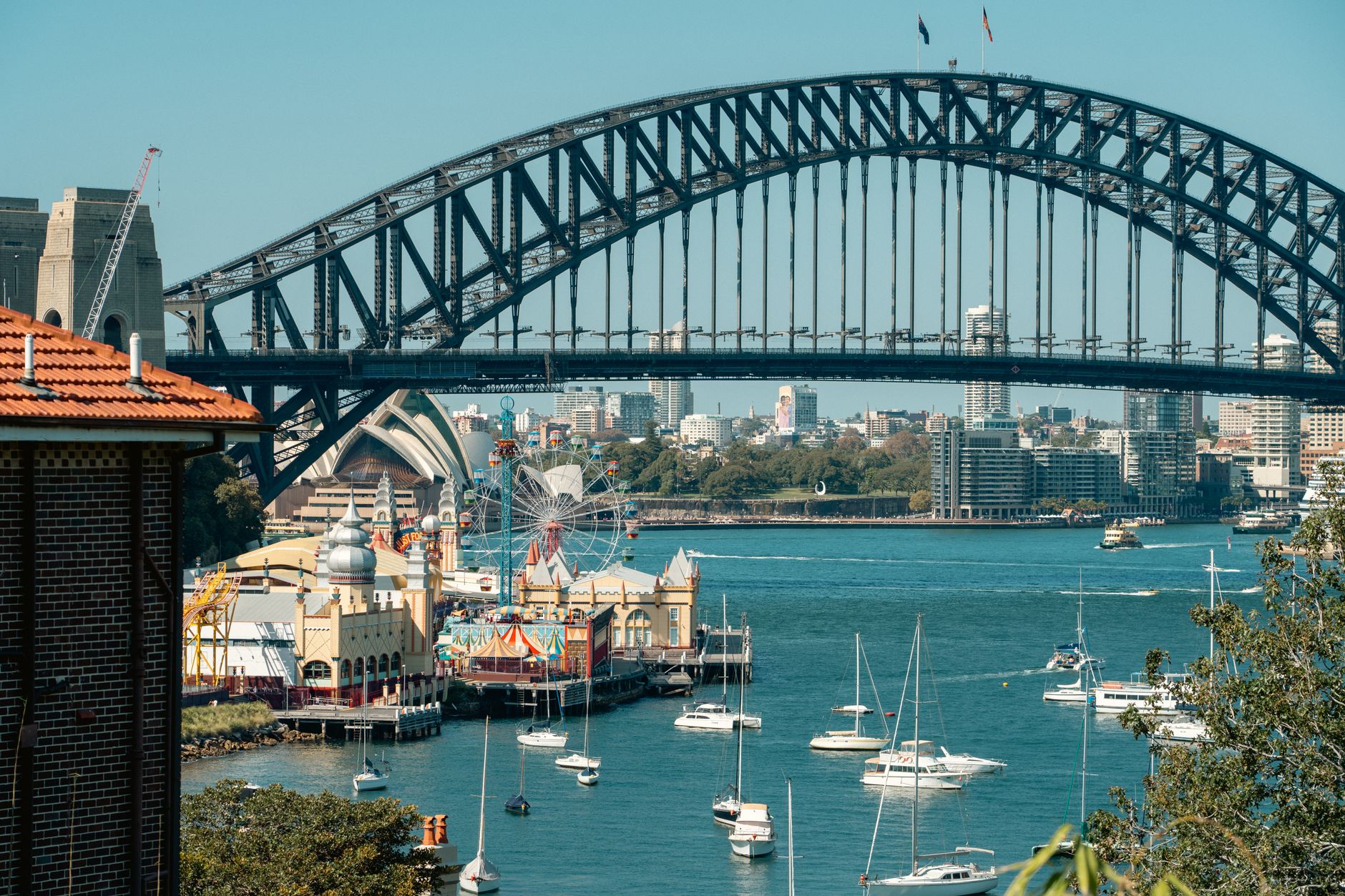
Standing on the circular walkway with the harbour stretching out on both sides, you immediately understand why this city is a global favourite. It is not just about the iconic white sails against the blue water; it is about the rhythm of ferries cutting through the harbour, the smell of salt air mixing with coffee, and the sheer scale of the natural harbour that cradles the city. For many travellers, Sydney is the gateway to Australia, and navigating it efficiently can make the difference between a rushed checklist tour and a genuine immersion in the local lifestyle.
This guide distills practical advice for planning your visit. It focuses on what actually matters when you are trying to balance the heavy tourist traffic with the desire to see the city as a local would. Whether you have three days or a week, understanding the layout, the transport, and the hidden corners will help you structure a trip that feels relaxed rather than exhausting.
Planning Your Sydney Itinerary
The best time to visit depends largely on what you value more: perfect beach weather or manageable crowds. The summer months bring long days and vibrant energy, but also peak prices and larger groups at major landmarks. The shoulder seasons offer a more comfortable pace, with milder temperatures that are better for walking and exploring without the midday heat.
A well-balanced itinerary should mix the iconic sights with time spent wandering through distinct neighbourhoods. Do not spend every day clustered around Circular Quay. Instead, structure your days to alternate between high-traffic tourist zones and quieter, character-rich districts. For example, spend your morning at a major landmark when it first opens to avoid the largest crowds, then head to a local market or park for lunch and afternoon exploration.
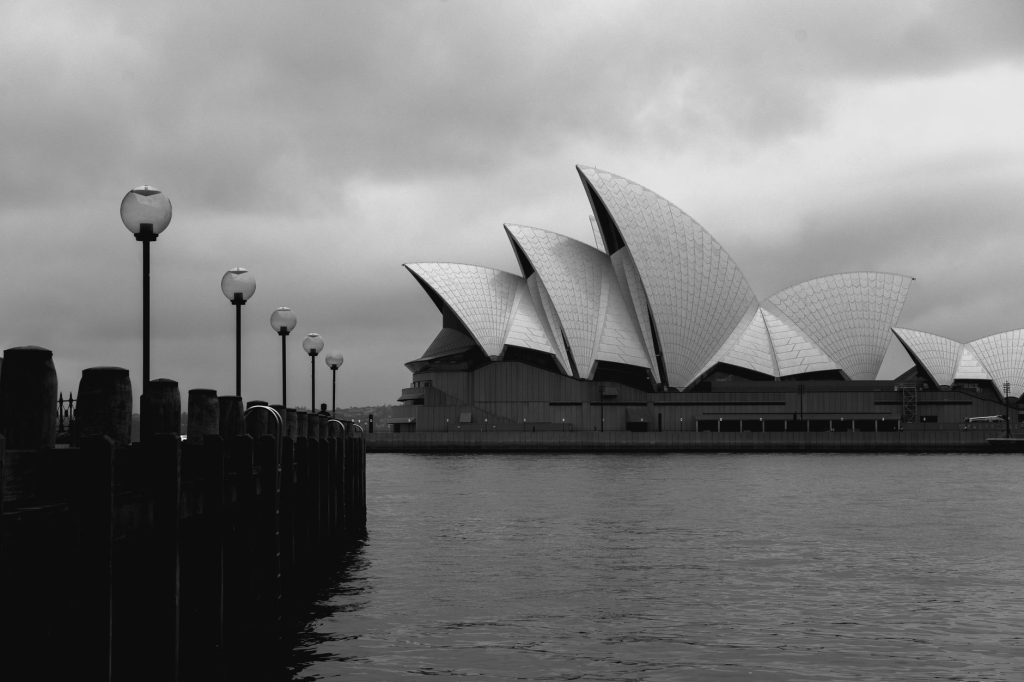
Booking ahead is critical for certain experiences. The Sydney Opera House is a must-see, but the experience changes drastically depending on how you engage with it. While exterior photos are free and plentiful, entering the building requires a ticket. These tours and performance tickets sell out well in advance, especially during the festival seasons and summer holidays. Securing your Opera House tickets early ensures you do not miss out on the guided tours that reveal the architectural brilliance inside the shells.
Getting Around Sydney Efficiently
Sydney is a sprawling city, but the public transport network is extensive and generally reliable. The key to using it seamlessly is the Opal card system. This prepaid smart card works across trains, ferries, buses, and light rail. It is the most convenient way to pay for travel, as it caps your daily and weekly spending, making it cheaper than paying for individual journeys with a credit card or cash. You can purchase and top up Opal cards at newsagents, train stations, and via mobile apps, but having a physical card often feels more straightforward for visitors.
The ferry network is a unique feature of Sydney that should not be underestimated. While many tourists view ferries purely as sightseeing tours, they are actually the most efficient and scenic way to get around. A ferry ride to Manly or Taronga Zoo is not just a tourist activity; it is a legitimate commute that offers better views and often faster travel times than road-based transport during peak traffic hours.
For the central business district (CBD) and the historic district of The Rocks, walking is often the best option. The area is compact, and the streets are well-signposted. However, be mindful that the CBD can be busy and confusing to navigate if you are unfamiliar with the grid. Use the ferries to approach the city from the water for a clear perspective of your destination, and use walking to explore the narrower streets of The Rocks, where the history is most palpable.
Iconic Landmarks and Views
The Sydney Opera House and the Harbour Bridge are the twin pillars of the city’s identity, but they offer different experiences. The Opera House is best appreciated up close. An interior tour allows you to walk through the concert halls and see the intricate tile work and acoustics that make the building world-renowned. Without a tour, you might only see the exterior, which is stunning but lacks context. The exterior photo ops are best done from the steps or the nearby gardens, where you can capture the sails against the harbour without the crowd density of the immediate forecourt.
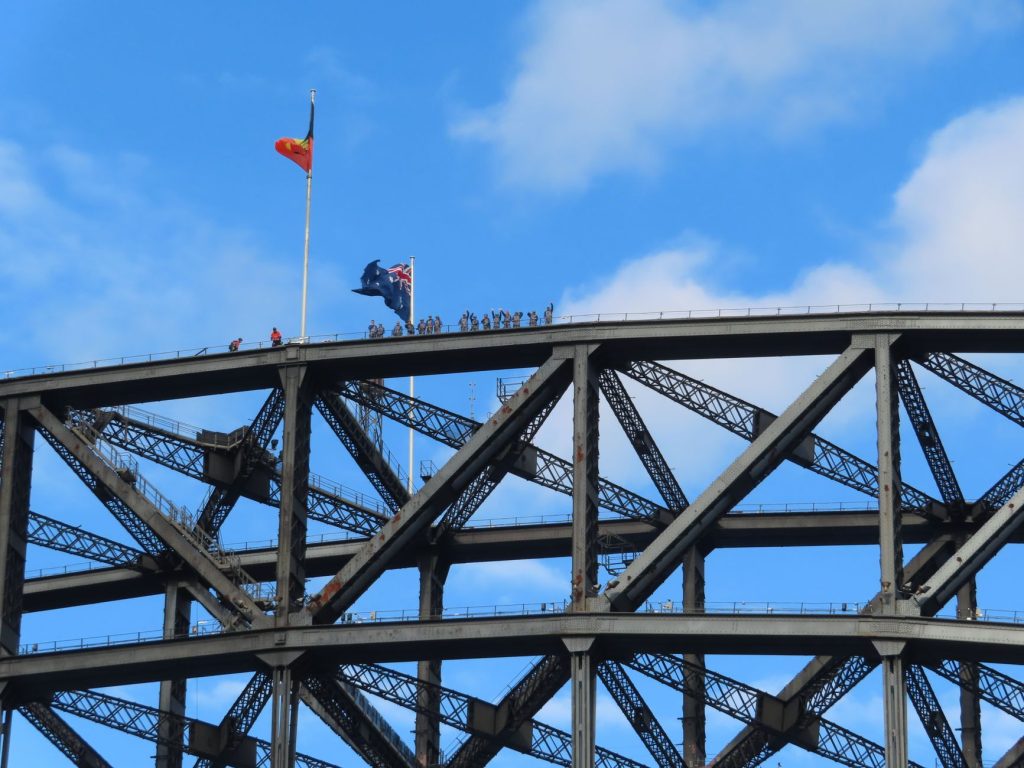
The Sydney Harbour Bridge offers a different kind of thrill. The bridge climb is a guided ascent that takes you to the summit for panoramic views. There are different options available, ranging from short climbs that last a few hours to longer, more adventurous routes that include a sunset or night climb. The climb is physically demanding and requires a moderate level of fitness, so it is important to choose the right tier for your ability. If you prefer to keep your feet on solid ground, there are excellent alternative viewpoints.
Mrs Macquaries Chair is a historic site and one of the best vantage points for photographing both the Opera House and the Bridge in a single frame. It is a short walk from the CBD and offers a peaceful spot to rest. The Royal Botanic Garden, located right next to the Opera House, provides lush greenery and quiet paths with harbour views. These alternatives allow you to enjoy the scenery without the cost or physical exertion of a bridge climb, and they often provide a more relaxed atmosphere for enjoying the harbour.
Neighborhoods to Explore
Sydney is not just a collection of landmarks; it is a mosaic of distinct neighbourhoods, each with its own character. The Rocks, adjacent to the CBD, offers a glimpse into the city’s colonial past. The cobblestone streets, sandstone warehouses, and historic pubs create an atmosphere that feels worlds away from the modern skyscrapers nearby. It is a popular area for tourists, but the history is genuine, and the weekend markets are a highlight for browsing local crafts and art.
Further south, Surry Hills provides a stark contrast with its artistic and bohemian vibe. The streets are lined with Victorian terrace houses that have been converted into boutique stores, cafes, and galleries. This area is less about historical monuments and more about contemporary culture, fashion, and dining. It is a favourite among locals for weekend brunches and evening drinks, offering a more relaxed and stylish atmosphere than the central tourist hub.
Newtown, located just south of Surry Hills, is known for its eclectic mix of vintage shops, live music venues, and diverse eateries. The main street is a vibrant strip of activity, often bustling with people of all ages. It has a slightly grittier, more alternative feel than Surry Hills, appealing to those who enjoy a more unconventional urban experience.
Paddington, to the east, offers a more upscale and refined atmosphere. The area is famous for its heritage-listed terraces and high-end shopping on Oxford Street. The architecture is beautifully preserved, and the streets are wider and quieter, making it a pleasant area for a leisurely stroll. Each of these neighbourhoods offers a different slice of Sydney life, and exploring them gives a fuller picture of the city than sticking to the main tourist trail.
World-Class Markets and Food
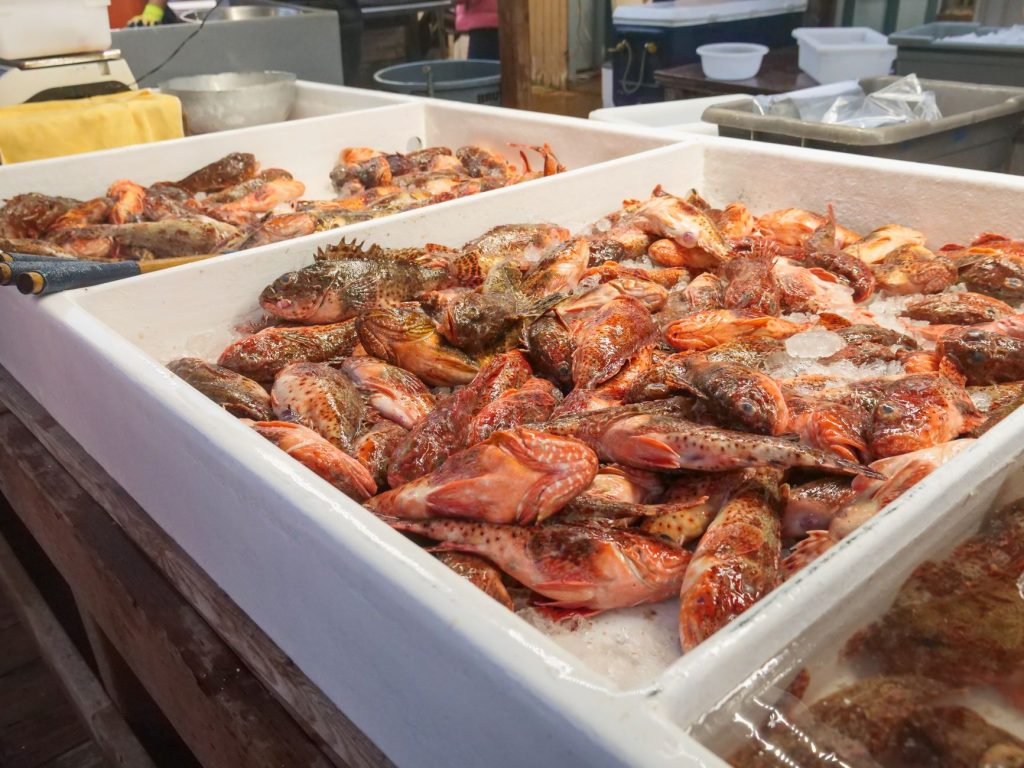
Food is a central part of the Sydney experience, and the city’s markets and dining scenes are world-class. The Sydney Fish Market is a must-visit for seafood lovers. It is a bustling hub where you can watch wholesalers at work and then sit down to enjoy fresh oysters, prawns, and other seafood prepared on the spot. The atmosphere is energetic and authentic, offering a direct connection to the local fishing industry.
For general shopping and dining, the Queen Victoria Building (QVB) is a stunning example of Victorian architecture. Inside, you will find a mix of high-end boutiques, department stores, and food halls. It is a great place to escape the heat or rain while still feeling like you are in the heart of the city. The Pitt Street Mall is another key retail area, offering a more mainstream shopping experience with international brands and local stores.
When it comes to local flavours, do not leave without trying a proper flat white coffee. Sydney has a strong coffee culture, and the quality is consistently high. A meat pie is also a classic Australian staple, often found in bakeries and food markets. These simple dishes are deeply ingrained in the local diet and offer a taste of everyday Australian life. The best Sydney food markets, such as the Paddington Markets or the Glebe Point Markets, offer a variety of fresh produce, prepared foods, and artisan goods, providing a snapshot of the city’s culinary diversity.
Family-Friendly Attractions
Traveling with children requires activities that are engaging, manageable, and safe. Taronga Zoo is an excellent choice for families. Located on the northern shore of the harbour, it is accessible by a short ferry ride from the CBD, which children often enjoy. The zoo offers animal encounters where you can get close to native species like koalas and kangaroos. The setting is beautiful, with views of the city skyline from the animal enclosures, making it a visually stimulating experience for kids and adults alike.
Luna Park is a historic amusement park that has been restored to its former glory. The iconic clown faces at the entrance are instantly recognizable and a fun photo opportunity. The park features a classic wooden roller coaster and other rides that are suitable for various age groups. It is a nostalgic experience that appeals to both children and adults who remember visiting theme parks in their own childhood.
The Australian Museum is another valuable stop for families. As one of the oldest museums in Australia, it offers educational exhibits on natural history, indigenous cultures, and science. The interactive displays are designed to engage young minds, and the collections are extensive. It provides a balanced mix of learning and entertainment, allowing children to explore topics they are curious about in a structured environment. These attractions offer a good mix of outdoor and indoor activities, ensuring that a day with children is both fun and enriching.
Day Trips and Nature Escapes
Sydney is surrounded by natural beauty, and taking a day trip out of the city is highly recommended. The Blue Mountains are a short train ride away and offer a dramatic landscape of sandstone cliffs, deep valleys, and eucalyptus forests. The Three Sisters rock formation is the most famous landmark in the area, offering breathtaking views from various lookouts. Scenic World provides a railway that takes you down into the valley, giving you a unique perspective of the terrain. The air is cooler here, and the scenery is vastly different from the urban coastline.
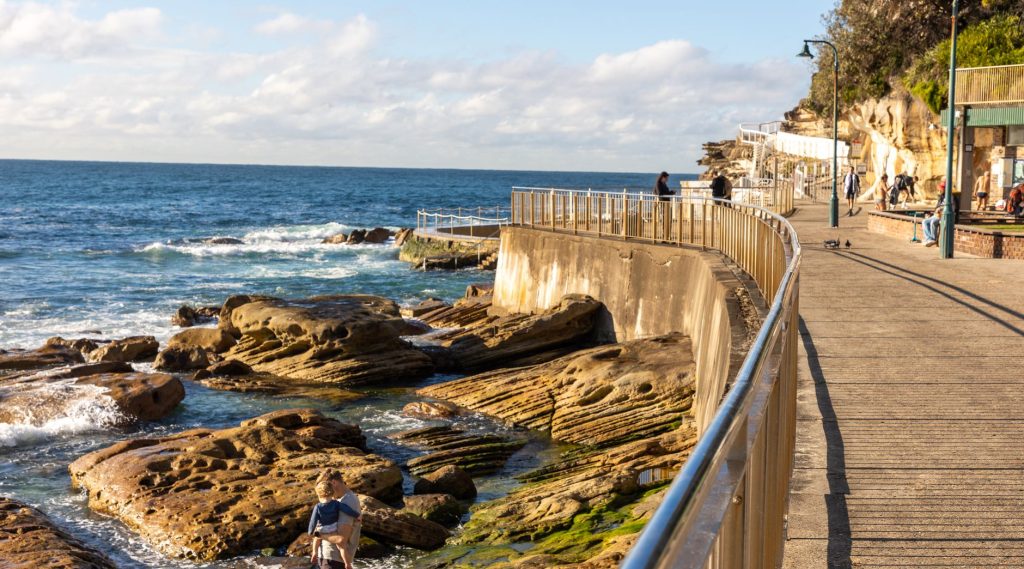
For a coastal experience, the Bondi to Coogee walk is a highlight. This six-kilometer trail takes you along clifftops, through beaches, and past parks. It is a popular route for walkers and runners, offering views of the ocean and the suburbs below. The walk is well-maintained and provides a great sense of the coastal lifestyle that Sydney is known for. Starting at Bondi Beach and ending at Coogee allows you to enjoy two distinct beach environments and take a swim at one of the many ocean pools along the way.
Manly Beach is another essential day trip. The ferry ride to Manly takes about thirty minutes and offers some of the best harbour views in the city. Once there, you have a wide sandy beach, a vibrant foreshore with cafes and restaurants, and access to walking tracks. It feels like a resort town, yet it is just a short hop from the city center. These excursions provide a break from the urban environment and showcase the diverse natural landscapes that surround Sydney.
Accommodation and Budget Tips
Choosing where to stay depends on your priorities. Staying in the CBD offers maximum convenience, with easy access to public transport, restaurants, and major attractions. However, it can be noisy and expensive, especially during peak seasons. The area is busy, and hotel prices can surge during events and holidays. If you prefer a quieter atmosphere with better value for money, consider staying in neighbourhoods like Surry Hills or Paddington. These areas offer a more local feel, with boutique accommodations and a vibrant street life, while still being well-connected to the city center.
Budgeting for food and activities can be managed smartly. Eating at food markets is a cost-effective way to enjoy high-quality meals without the price of full-service restaurants. Many markets offer a variety of options, from street food to sit-down eateries, allowing you to sample different cuisines at a reasonable cost. Avoiding tourist traps in the immediate vicinity of major landmarks can also save money, as prices there are often marked up.
Be aware that peak season, which typically aligns with summer and school holidays, brings higher prices for both accommodation and tours. Booking your hotel and popular experiences like the Harbour Bridge climb or Opera House tour well in advance can secure better rates. Additionally, travelling midweek can sometimes result in lower prices for flights and hotels, as business travel dominates the weekend and early week periods. By planning ahead and choosing your location wisely, you can enjoy a comfortable stay without breaking the bank.