You are standing in a departure lounge, clutching a boarding pass and a carry-on bag that is slightly too heavy, wondering if you have actually remembered your passport. For many people, the idea of organising a holiday across multiple countries feels like a logistical headache. You have to sort out flights, transfers, different currencies, and a new hotel booking every single day.
Cruising removes that friction entirely. You unpack once, and your home moves with you. This convenience makes it the ideal starting point for beginners who want to see more of the world without the stress of constant packing and unpacking. It allows you to experience diverse cultures, landscapes, and histories in a single trip, all while having a consistent level of comfort and service.
If you are looking for the best cruise destinations for first timers, you need routes that offer clear value, easy navigation, and distinct experiences. Some regions are better for food, others for history, and some for pure relaxation. Below is a practical breakdown of five routes that stand out for their accessibility, variety, and sheer enjoyment factor.

Why Cruising is the Ultimate First-Time Travel Hack
The primary appeal of a cruise for a first-timer is not just the ship itself, but the elimination of decision fatigue. When you book a traditional multi-country tour, you are responsible for every link in the chain: getting from the airport to the hotel, finding the restaurant, and knowing the local transport rules. On a cruise, the logistics are handled by the crew. You wake up in a different country each morning, often with the same view from your balcony, but a completely different landscape outside the port.
This structure is particularly helpful for those who are unsure of their travel style. You can try a city, see if you like it, and then move on without the commitment of a week-long hotel stay. If you dislike a destination, you simply leave it behind the next day. If you love it, you can book a shore excursion to spend more time there.
The "unpacking once" benefit also reduces physical strain. Hauling luggage through train stations or taxi ranks in unfamiliar cities can be exhausting, especially if you are dealing with cobblestones or steep hills. On a cruise, your luggage arrives at your cabin while you are on an excursion. When you return, it is there, ready for you to use. This small detail makes a significant difference in how relaxed you feel throughout the journey.
For first-timers, the social aspect is another hidden advantage. Ships are designed for interaction. You can choose to be as social or as private as you wish. If you prefer solitude, your cabin is your sanctuary. If you want to meet people, there are always communal spaces, dining rooms, and bars. This flexibility allows you to control your social energy, which is crucial when you are still getting used to the rhythms of travel.
Finally, cruising introduces you to a variety of destinations without the need to master different transport systems in each one. You do not need to learn how to navigate the metro in Rome or the tram system in Tallinn. You just need to know your embarkation time. This simplicity lowers the barrier to entry, making international travel feel accessible rather than intimidating.
The Western Mediterranean: A Culinary and Cultural Deep Dive
The Western Mediterranean is arguably the most popular cruise region in the world, and for good reason. It offers a dense concentration of history, art, and, crucially, food. A typical itinerary runs from Barcelona to Rome, hitting major hubs like Marseille and Naples along the way. For a first-timer, this route is ideal because the ports are often located right in the city centres, allowing you to step off the ship and into the heart of the culture within minutes.
Barcelona is a standout destination. The port is close to the Gothic Quarter and the modernist architecture that defines the city. You can walk along the waterfront, explore the narrow medieval streets, and enjoy the vibrant atmosphere without needing a taxi. The food scene here is legendary. You should seek out tapas, small plates that encourage sharing and conversation. In the Catalan capital, the quality of ingredients is exceptionally high, and the variety is staggering.
Moving towards Marseille, the vibe shifts slightly towards a more rustic, maritime charm. Marseille is famous for bouillabaisse, a traditional fish stew that originated in its harbour. It is a dish that reflects the city’s deep connection to the sea. Eating it in a local bistro, rather than a tourist trap, is a rite of passage for many visitors. The port of Marseille is also a gateway to Provence, though for a first trip, sticking to the city centre is usually sufficient and less tiring.
Rome is the grand finale of this route. The cruise port at Civitavecchia is a short train ride from the city centre, but the reward is immense. You are walking in the footsteps of emperors, seeing ancient ruins, and eating handmade pasta dishes that have been perfected over centuries. The key here is to manage your expectations regarding crowds. Rome is busy, but the sheer weight of history makes it worth it.
The ease of exploring these cities on foot is a major advantage. Many ports are compact enough that you can see the main sights in a day without rushing. This reduces the need for expensive tours or complex transport plans. You can wander, get lost, and discover hidden cafes or shops at your own pace. The combination of easy access, rich culture, and incredible food makes the Western Mediterranean a perfect introductory cruise.
The Caribbean: Balancing Relaxation with Island Adventure
The Caribbean offers a stark contrast to the historical depth of Europe. Here, the focus is on sun, sea, and sand. However, not all Caribbean cruises are the same. The region is broadly divided into the Eastern and Western Caribbean, each offering a different type of experience. Understanding this difference is key to choosing the right trip for your personality.
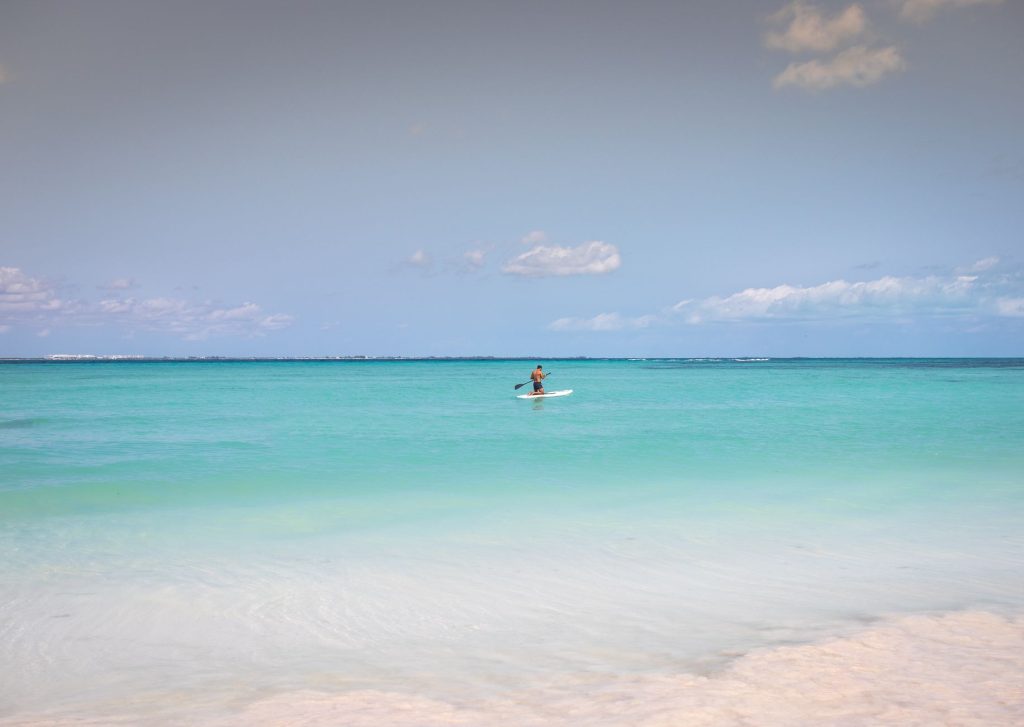
The Eastern Caribbean, which includes stops in Turks and Caicos and the Bahamas, is geared towards relaxation. The islands here are known for their pristine beaches, calm turquoise waters, and a slower pace of life. If you want to read a book on a white sandy beach, swim in clear waters, and enjoy a cocktail without much fuss, this is the route for you. The excursions are often more about beach clubs, snorkeling in calm bays, and enjoying the local island culture.
In contrast, the Western Caribbean, with stops in Belize and Honduras, appeals to those who want more active pursuits. Belize is famous for its barrier reef and cenotes (natural sinkholes), making it a hotspot for snorkeling and diving. Honduras offers zip-lining through jungle canopies and exploring Mayan ruins. If you prefer to be active and explore the natural environment rather than just lounging, the Western Caribbean is the better choice.
Despite these differences, both sides share common features. The water is consistently turquoise, and the beaches are soft and white. The food is also a highlight, with fresh seafood and tropical fruits available everywhere. The climate is warm year-round, which is a major draw for travellers seeking escape from colder climates.
For first-timers, the Caribbean is appealing because the activities are straightforward. You do not need to navigate complex city centres or deal with language barriers as much as you might in Europe. The tourist infrastructure is well-developed, making it easy to find help, food, and transport if you need it. Whether you choose the calm east or the active west, the Caribbean provides a reliable, enjoyable holiday experience that is easy to plan and execute.
Egypt’s Nile River: History Unlocked by Water
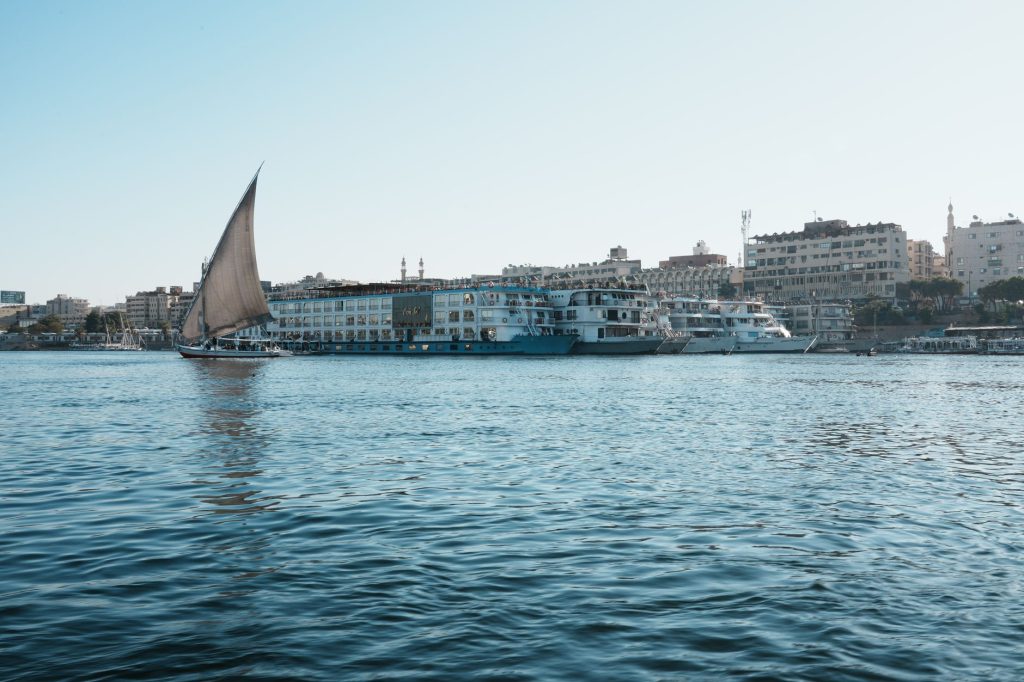
While ocean cruises cover vast distances, river cruises offer a different kind of immersion. The Nile River cruise from Luxor to Aswan is a unique experience that combines history with the gentle flow of the world’s longest river. This route is particularly compelling for those interested in ancient civilisations, as it takes you directly to the source of much of Egypt’s most famous historical sites.
A typical cruise on this route lasts around five days, allowing you to visit the Valley of the Kings, the Hatshepsut Temple, and the Aswan High Dam. These are not just distant landmarks you see from a bus; you are often close enough to walk among them. The river itself provides a serene backdrop to the dramatic landscapes and ancient structures. It is a slower, more contemplative way to travel compared to the bustle of a large ocean ship.
The key advantage of a Nile cruise over a land tour is the pacing. Land tours can be exhausting, with early starts and long drives between sites. On a river cruise, you unpack once and move at a leisurely pace. The ship serves as a floating hotel, offering comfortable cabins and dining options that allow you to relax between visits to historical sites. This reduces the physical toll of sightseeing, making it accessible to a wider range of travellers.
The historical significance of this region is immense. The Valley of the Kings contains the tombs of many pharaohs, including Tutankhamun. The Hatshepsut Temple is a stunning example of ancient Egyptian architecture, built into the cliff face. Expert guides are often available on board or as part of excursions, providing context and depth to what you see. This educational aspect is a major draw for first-timers who want to learn without feeling overwhelmed.
The Nile River itself is a marvel. It has sustained civilisation for millennia, and sailing on it connects you to that history in a tangible way. The scenery changes subtly along the route, with palm groves, villages, and fields visible from the deck. It is a peaceful, reflective journey that offers a deep dive into one of the world’s most ancient cultures. For those who prefer history to beaches, this is an unparalleled experience.
The Baltic Capitals: Summer Light and Imperial Architecture
The Baltic Sea region offers a completely different vibe from the Mediterranean or the Caribbean. It is characterised by cool summers, rich history, and stunning architecture. A cruise from Copenhagen to St. Petersburg, often including stops in Tallinn and Gdansk, is a fantastic way to explore Northern Europe. This region is particularly appealing in the summer months, when the days are long and the light is unique.
One of the most distinctive features of the Baltic summer is the extended daylight. In some areas, the sun does not set for hours, allowing you to explore cities well into the evening. This is a major advantage for sightseeing, as you get more time to explore museums, parks, and old towns without rushing. The "midnight sun" effect is not as pronounced as in the far north, but the long days are still a significant benefit.
The architecture in Baltic cities is diverse and impressive. Copenhagen offers a mix of historic and modern design, with its colourful harbourside and vibrant streets. Tallinn is renowned for its well-preserved medieval old town, which feels like stepping back in time. Gdansk, in Poland, has a unique Hanseatic history, visible in its brick Gothic architecture and market squares. Each city has its own character, making the cruise a journey through distinct cultures and histories.
The cultural richness of the region is another draw. You can enjoy traditional Scandinavian cuisine, Polish pierogi, and Estonian rye bread. The cities are clean, safe, and easy to navigate. Public transport is efficient, and many attractions are within walking distance of the cruise ports. This makes it easy for first-timers to explore independently without relying on expensive tours.
The Baltic region is also less crowded than the Mediterranean in peak season, which can make for a more relaxed experience. The cool climate is a refreshing change for those who find summer heat oppressive. If you enjoy history, architecture, and a more understated elegance, the Baltic capitals offer a sophisticated and rewarding cruise experience.
Norwegian Fjords: From Frozen Fantasy to Northern Lights
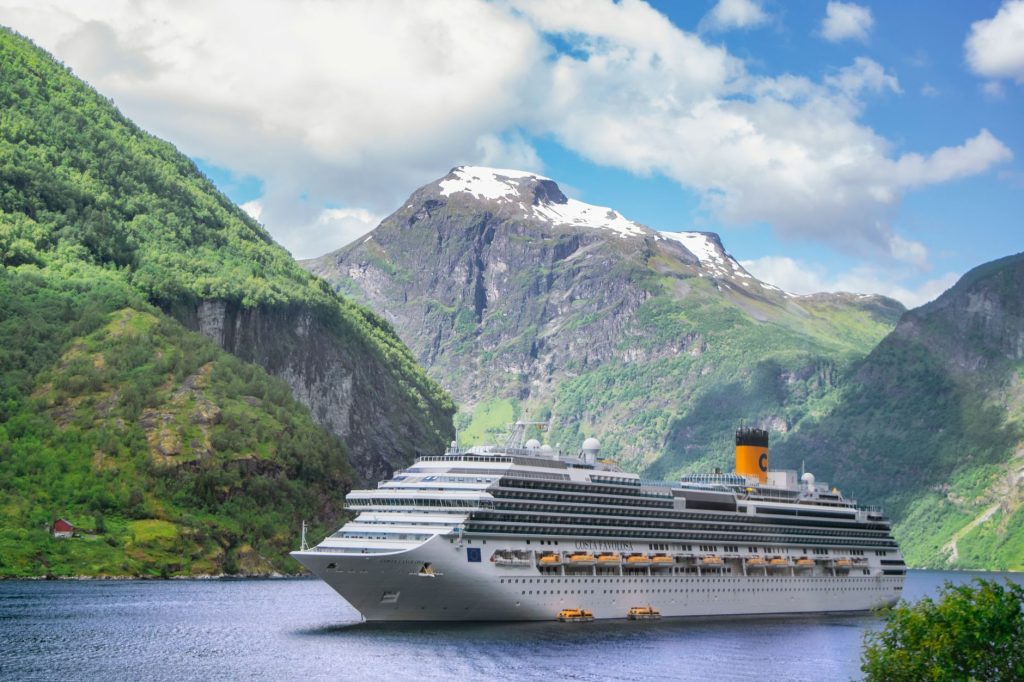
Norway’s fjords are often described as one of the most beautiful natural landscapes on earth. A cruise here offers a dramatic contrast to the urban or beach-focused destinations mentioned earlier. The scenery is raw, powerful, and awe-inspiring, with steep mountains plunging directly into deep, narrow inlets of water. This route is popular for its natural beauty, but it also has a dual appeal depending on when you travel.
For sun-seekers and hikers, the best time to visit is between June and August. The weather is warmer, and the days are long, allowing for extensive excursions into the mountains and valleys. You can take cable cars, hike to waterfalls, or simply enjoy the views from the ship’s deck. The landscape is lush and green, with vibrant wildflowers and clear blue waters. This is the peak season for tourism, so expect more crowds, but the conditions are ideal for outdoor activities.
If you are an aurora hunter, the best time to visit is between October and March. During these months, the nights are dark, increasing your chances of seeing the Northern Lights. The landscape is covered in snow, creating a winter wonderland scene. The weather is colder, so you need to pack appropriately, but the experience of watching the lights dance above the fjords is unforgettable. This season is less crowded, offering a more solitary and magical experience.
In recent years, the Norwegian Fjords have seen a surge in popularity among families, partly due to the prominence of the Disney movie Frozen, which featured the region. This has led to more family-friendly excursions and activities, making it easier for first-timers with children to find suitable options. However, the region is still fundamentally about nature, so it is important to manage expectations regarding comfort and amenities.
The key to enjoying a fjord cruise is to embrace the slow pace. The ship often sails slowly through the narrow inlets, allowing you to take in the scale and beauty of the surroundings. It is a trip that is more about observation and appreciation than active exploration. If you prefer to be constantly doing something, this might feel slow, but for most, the visual spectacle is enough.
Practical Logistics: When to Go and How to Get There
Choosing the right time to go is crucial for getting the most out of your cruise. Each of the destinations mentioned has a peak season and a shoulder season, with significant differences in weather, crowds, and price. Understanding these differences will help you plan a trip that suits your preferences and budget.
For the Western Mediterranean, the best time to go is in the shoulder seasons of spring (April to June) and autumn (September to October). The weather is still warm enough for swimming and sightseeing, but the crowds are thinner, and prices are lower. Summer can be extremely hot and crowded, which can make city exploration less enjoyable.
The Caribbean is a year-round destination, but the best time to go is during the winter and early spring (December to April). This is the dry season, with lower humidity and less risk of hurricanes. Summer and early autumn see more rain and a higher chance of storms, which can disrupt itineraries.
For the Nile cruise, the best time is during the cooler months from October to April. The summer can be extremely hot, making sightseeing exhausting. The winter months offer comfortable temperatures for exploring the temples and tombs.
The Baltic capitals are best visited in the summer (June to August) to take advantage of the long daylight hours and mild weather. The region can be quite cold and dark in the winter, which may not be ideal for first-timers who want to explore on foot.
Norwegian Fjords offer two distinct experiences. Summer (June to August) is best for hiking and warm weather, while winter (October to March) is best for Northern Lights and snow scenery. Choose based on your preference for activity or aurora viewing.
Getting to the major hub ports is usually straightforward. Barcelona, Rome, Copenhagen, and Miami are all well-connected international airports with frequent flights from the UK and other major cities. For the Baltic, Copenhagen is a common entry point, with easy connections to other ports via ferries or short flights. For the Nile, you typically fly into Cairo or Luxor, then transfer to the ship. It is advisable to arrive a day early to account for flight delays, especially if you have a tight connection to your cruise.
Budgeting and Onboard Costs: What to Expect
Cruising can be surprisingly affordable, but it is easy to overspend if you are not careful. The base price of your cruise usually covers your cabin, meals in the main dining rooms, and some onboard entertainment. However, there are many additional costs that can add up quickly. Understanding these costs will help you avoid budget shocks.
The difference between budget and luxury lines is significant. Budget lines offer basic accommodations and standard meals, with many extras available for an extra fee. Luxury lines include more amenities in the base price, such as premium drinks, specialty dining, and sometimes even excursions. For first-timers, a mid-range line often offers the best balance of price and comfort.
Onboard spending is the biggest variable. Drinks are a major cost, as alcohol and soft drinks are usually not included in the base fare. Many ships offer drink packages that can save you money if you plan to consume several drinks per day. However, if you are a light drinker, buying drinks individually may be cheaper.
Excursions are another area where costs can spiral. Shore excursions offered by the cruise line are convenient but often more expensive than booking independently. For popular destinations like Rome or Barcelona, you can often find cheaper and more flexible options by booking local tours or exploring on your own. However, for more complex destinations like the fjords or the Nile, the cruise line’s excursions offer peace of mind, as they guarantee you will not miss the ship’s departure.
Wi-Fi is another common expense. Most ships charge a daily fee for internet access, which can be costly if you need to stay connected. Consider whether you really need constant access, or if you can disconnect and enjoy the holiday. Some lines offer cheaper packages for longer stays or for families.
Tipping is also a factor. Many cruise lines include a daily service charge that covers tips for your cabin steward and dining staff. Check your booking details to see if this is included, so you do not end up paying twice. In some cases, you can add extra tips for exceptional service, but this is optional.
By budgeting for these additional costs, you can enjoy your cruise without worrying about the final bill. Set a daily spending limit for yourself and stick to it. Use the ship’s app to track your expenses in real-time, so you are aware of what you are spending throughout the trip.
Common Mistakes to Avoid on Your First Cruise
First-time cruisers often make a few predictable mistakes that can detract from their experience. Being aware of these pitfalls will help you avoid them and make the most of your trip.
One common error is underestimating port arrival times. Ships often have strict departure times, and if you miss the ship, you are responsible for getting yourself to the next port, which can be expensive and stressful. Always allow plenty of time for your excursion, especially if you are exploring a large city. Check the ship’s schedule carefully and aim to be back on board at least 30 minutes before the stated departure time.
Another mistake is overpacking for variable climates. This is particularly relevant for the Baltic and Norwegian Fjords, where the weather can change rapidly. In summer, you might need layers for cool evenings and wind, while in winter, you need heavy coats and boots. For the Mediterranean, light clothing is sufficient, but you should still bring a light jacket for air-conditioned dining rooms and evenings at sea. Pack versatile clothing that can be mixed and matched, and avoid bringing too many shoes, as you will likely spend most of your time in comfortable walking shoes.
Many first-timers also miss out on local shore excursions in favour of staying on the ship. While the ship has plenty to offer, the real value of a cruise is often the destinations. Staying on the ship to save money might mean missing out on unique experiences like a Nile cruise, a fjord hike, or a tapas tour in Barcelona. Evaluate the excursions carefully, comparing the cost and value of the ship’s options with independent tours. Sometimes, the ship’s excursions are worth the extra cost for their convenience and reliability, especially in complex ports.
Finally, do not neglect the onboard experience. Some cruisers rush off the ship every morning and rush back every evening, missing out on the amenities and entertainment on board. Take time to enjoy the pools, shows, and dining options. The ship is part of the holiday, not just a transport vehicle. Balancing shore exploration with onboard relaxation will give you a more well-rounded and enjoyable experience.
By avoiding these common mistakes, you can ensure that your first cruise is smooth, enjoyable, and memorable. Plan ahead, stay flexible, and embrace the unique rhythm of cruise travel.