Picture this: you are standing at the bottom of a gentle, wide slope, watching your child wobble down on beginner skis while you stand nearby, ready to catch them if they fall. There is no crushing crowd of advanced skiers zooming past, no steep drop-offs, and no long, exhausting lifts. Instead, there is a calm, predictable environment where the whole family can learn together, relax, and actually enjoy the snow. This is the reality of a well-chosen alpine resort.
Choosing the Alps for a family skiing trip often feels like navigating a maze of competing advice, conflicting prices, and logistical nightmares. It is easy to assume that any mountain resort will work, but the difference between a stressful holiday and a cherished memory usually comes down to infrastructure, preparation, and knowing exactly where to base yourselves. The following guide breaks down the practical steps to ensure your trip is manageable, affordable, and genuinely fun for everyone, regardless of whether your children are toddlers or teenagers.
Choosing the Right Family Resort
The Alps offer a vast range of terrain, but not every resort is built with families in mind. Some destinations prioritise high-speed lifts for expert skiers, resulting in long queues and steep, intimidating village layouts. Others are designed from the ground up to accommodate strollers, young children, and beginners. When evaluating major hubs like Val d’Isère, Tignes, and Les Gets, you must look beyond the reputation of the pistes and focus on the specific family infrastructure.
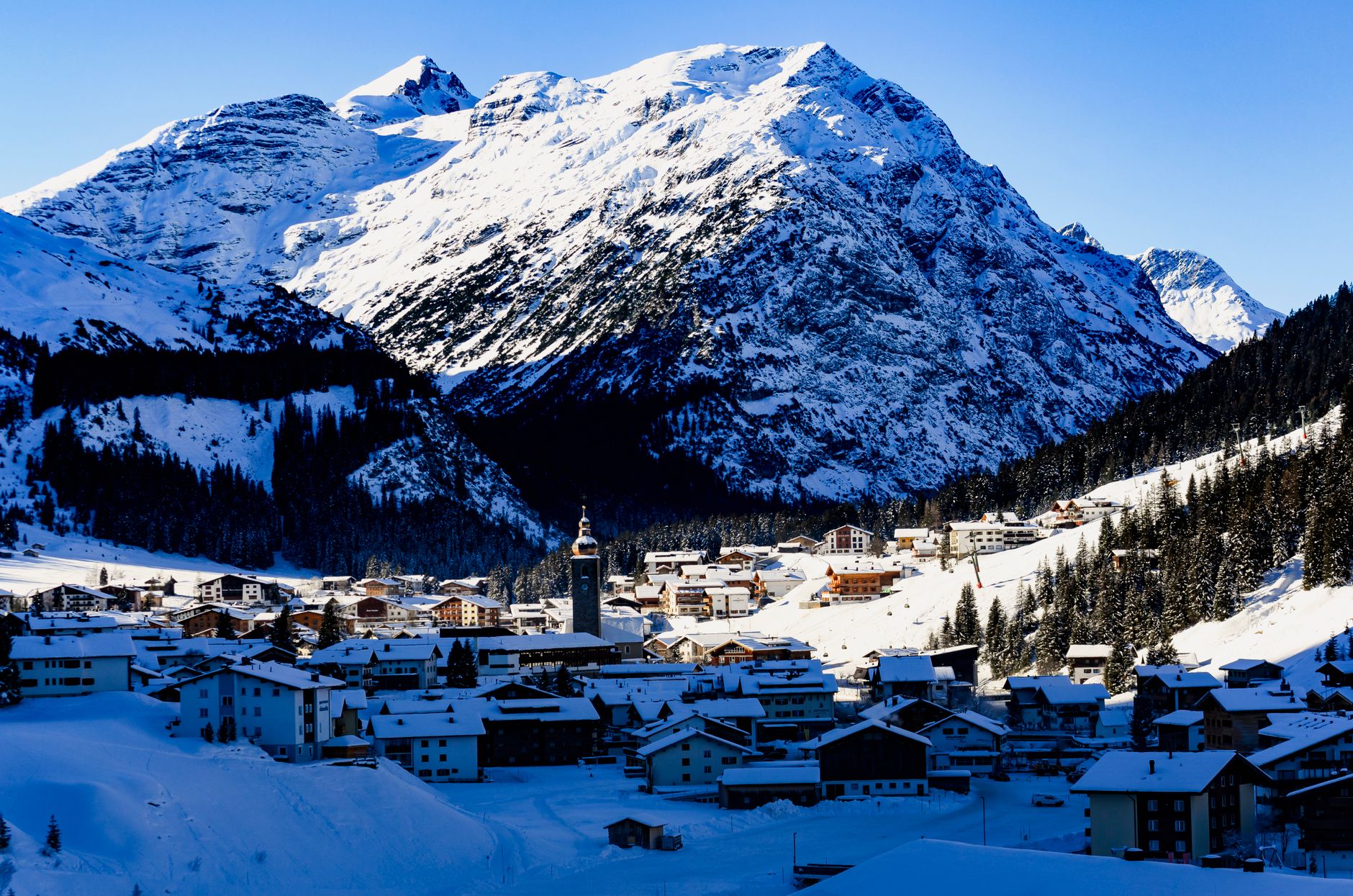
Val d’Isère and Tignes, linked as Val d’Isère-Tignes, offer extensive terrain and reliable snow, but the villages can be sprawling. While there are excellent facilities, the sheer scale can be overwhelming for young children. You need to check whether the resort centre is compact enough for a toddler to walk or if you will be reliant on buses or ski lifts to get from your accommodation to the slopes. In contrast, Les Gets is frequently cited as one of the best alpine resorts for families because of its compact, pedestrian-friendly centre. The village is built on a gentle slope, making it easy to navigate with a pram or a child in a backpack. The ski schools here are renowned for their patience and structured approach to beginners, which is crucial for keeping early learning experiences positive.
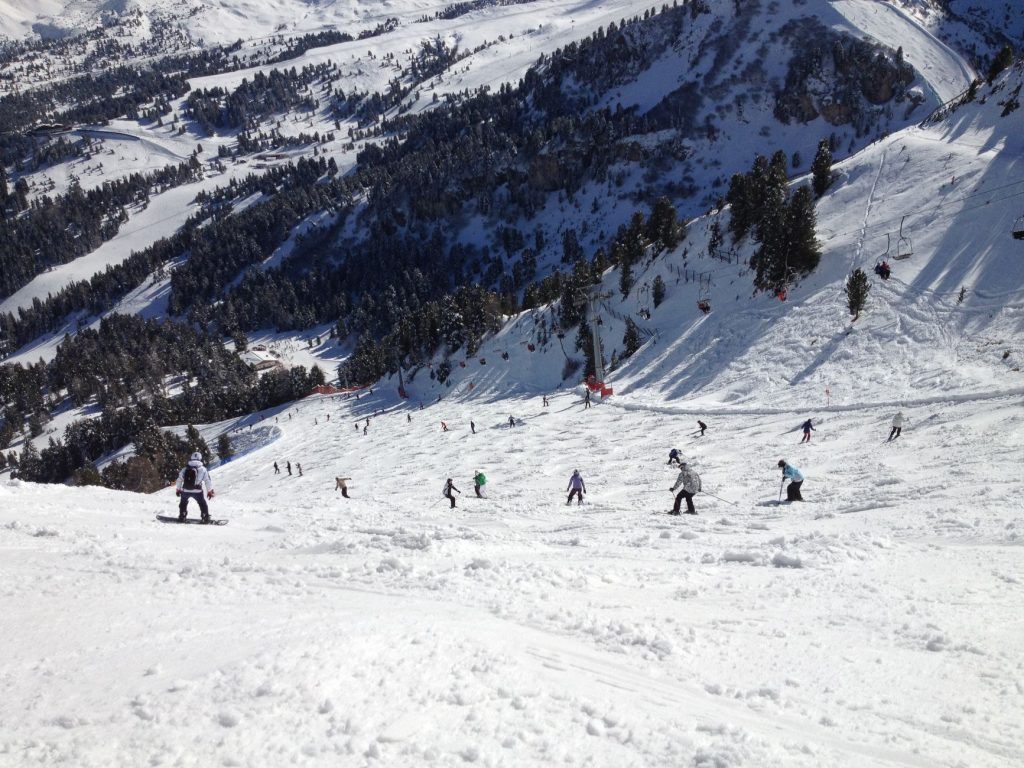
When comparing options, look for resorts that offer dedicated children’s areas, often called 'Village des Enfants' or similar names. These zones provide gentle magic carpets instead of chairlifts, fenced-off play areas, and instructors who specialise in very young ages. A resort with a gentle, wide main slope allows children to build confidence without the pressure of navigating steep, fast runs.
Another critical factor is the layout of the village itself. Some alpine towns are built on terraces with steep steps and narrow, cobbled lanes that are a nightmare for strollers. Others have wide, flat promenades and smooth surfaces. If you are travelling with infants or toddlers, a flat, walkable centre significantly reduces daily friction. It allows for easy breaks, quick trips back to the chalet for naps, and a relaxed atmosphere where you are not constantly hauling heavy gear up and down stairs. Research the specific layout of the resorts you are considering. Look for maps that highlight the distance between the ski lifts and the town centre. A resort that requires a twenty-minute bus ride just to reach the slopes may not be suitable for a family with very young children who need frequent breaks.
Where to Base Yourself
Deciding where to stay is one of the most significant logistical decisions for a family ski holiday. The choice generally boils down to staying in the resort centre versus opting for ski-in/ski-out chalets. Each option has distinct trade-offs regarding convenience, cost, and the overall pace of your holiday.
Staying in the resort centre offers a different kind of freedom. You are within walking distance of shops, pharmacies, supermarkets, and a wider variety of dining options. This is particularly useful if you have dietary requirements or if your children need specific foods that might not be available in the immediate vicinity of the slopes. However, being in the centre often means you will need to use ski buses or walk to reach the lifts. If you have young children, this adds time to your morning routine. You need to factor in the wait for buses, the walk to the stop, and the journey itself. This can eat into valuable skiing time, especially if you are aiming for a full day on the slopes.
Ski-in/ski-out accommodation, often found in purpose-built family chalets, eliminates the commute. You can step out of your front door and onto the snow. This is invaluable for families with toddlers or beginners. If a child gets cold, tired, or upset, you can quickly return to the warmth of the chalet to warm up, have a snack, or change socks without a lengthy journey. This proximity also allows for midday breaks, which are essential for young children who may not have the stamina for a full day of skiing. You can return for lunch, let them rest, and head back out in the afternoon.
Consider the type of chalet. Traditional chalets often have multiple floors, which can be challenging if you have a pram or a child who refuses to walk. Look for chalets with ground-floor access or lifts if the building is large. Also, consider the noise levels. Chalets located directly on the main ski run or near the lift queues can be noisy, with the constant sound of skiers and machinery. If your children are light sleepers, this might disrupt their rest.
Another aspect to weigh is the social environment. Staying in the resort centre puts you in the heart of the action, with easy access to après ski and evening entertainment. Ski-in/ski-out chalets are often located in quieter, more residential areas, offering a more peaceful retreat. For families who prefer a structured day on the slopes and a relaxed evening, the quieter location might be preferable. Conversely, if you enjoy the buzz of the village and want your children to be immersed in the ski culture from the moment they wake up, the centre might be the better choice.
Ultimately, the decision depends on your children’s ages and your family’s rhythm. If your children are independent skiers, the centre offers more amenities and dining variety. If they are young or just starting out, the convenience and flexibility of ski-in/ski-out accommodation can make a significant difference to the stress levels of the holiday.
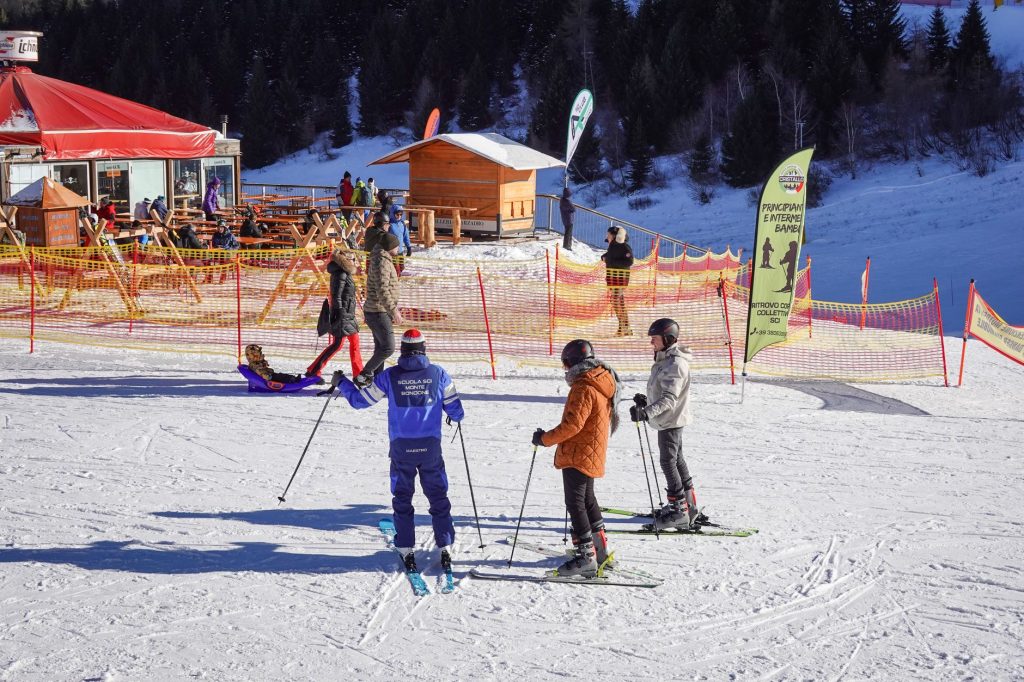
Navigating the Alps with Kids
Getting to the Alps and moving around once you arrive can be a logistical hurdle, especially if you are unfamiliar with the terrain and transport systems. Many families assume they need to hire a car, but this is not always the case or the best option. Understanding the transport options can save you time, money, and stress.
The most common entry points for the French Alps are Geneva Airport and Lyon Airport. From these hubs, you can transfer to the resorts via pre-booked shuttle buses, private transfers, or public transport. Pre-booked shuttles are a popular choice for families because they are direct, cost-effective, and often allow you to bring ski equipment without the hassle of checking it in and out at the airport. Private transfers offer more flexibility, allowing you to stop if needed and providing a more personalised experience, but they come at a premium. Public transport, such as trains and regional buses, is available but can be more complex to navigate with children and heavy luggage. It requires careful planning and may involve multiple changes.
Once you are in the resort, you may not need a car at all. Many alpine resorts are designed to be pedestrian-friendly or have excellent public transport systems. Ski buses are common in larger resorts, connecting different villages and lifting stations. These buses are often equipped with space for strollers and ski equipment. However, they can get crowded during peak times, so you need to plan your journeys around the schedule. If you are staying in a smaller village, you might find that the slopes are within walking distance, or that a short taxi ride is all you need.
Navigating with children requires patience and preparation. Bring a sturdy, compact stroller that can handle snow and uneven terrain. Some resorts offer specific family-friendly transport options, such as covered buses or heated waiting areas. If you are using public transport, check the schedules in advance to avoid long waits in the cold. It is also worth noting that some mountain roads have steep gradients and sharp bends, which might not be suitable for young children who get car sick easily. If you choose a private transfer, mention this to the provider so they can select a suitable vehicle.
Another key consideration is the timing of your transfers. During peak season, the roads to the resorts can be busy, and travel times can be longer than usual. Allow extra time for your journey to avoid rushing and stressing your children. If you are arriving late in the day, ensure that your accommodation has clear instructions on how to find it, especially if the roads are snowy and dark. Many resorts have well-marked signs, but it is always good to have a map or a digital copy of the directions.
Using the local bus network or ski buses can be a great way to experience the resort like a local. It is often cheaper than a taxi and allows you to explore different parts of the resort. However, it requires a bit more planning. Familiarise yourself with the routes and timetables before you arrive. If your children are older, they might enjoy the independence of taking the bus to the slopes, but for younger children, you will likely be accompanying them. Always keep an eye on the weather, as snow can affect bus schedules and road conditions.
Accommodation Strategies
Choosing the right accommodation is crucial for a smooth family ski holiday. While hotels offer convenience and services, family chalets and apartments often provide more space, flexibility, and amenities tailored to children. The key is to match the accommodation type with your family’s specific needs, particularly regarding meals, space, and safety.
Family chalets are often the preferred choice for those seeking a 'home from home' experience. They typically offer more space than a standard hotel room, with separate living areas, multiple bedrooms, and often a kitchen. This is particularly useful for families with picky eaters or children with dietary requirements. Having a kitchen allows you to prepare familiar foods, which can be a lifesaver when children are tired and reluctant to try new cuisines. It also means you can save money on dining out for breakfast and lunch, reserving your budget for special dinners.
Safety is another major consideration. Chalets often come with child-friendly features such as high chairs, stair gates, and cot beds. Some even have dedicated playrooms or enclosed gardens where children can play safely. When booking, be explicit about your needs. Specify that you require a high chair, a cot, and any other baby equipment you might need. While many chalets provide these items, they are not always guaranteed unless requested in advance. It is also worth asking about the layout of the chalet. If you have a toddler who is still climbing, a ground-floor bedroom might be preferable to avoid the risk of falls down stairs.
Apartments are another option, offering similar benefits to chalets but often in a larger building with shared facilities like lifts and communal lounges. They are a good choice if you prefer a more self-contained environment but do not need the full service of a chalet. However, apartments can sometimes be noisier due to shared walls and common areas. If your children are light sleepers, this might be a factor to consider.
Self-catering is a significant advantage for families. It allows you to control meal times, which can be irregular with young children. You can cook breakfast when they wake up, pack lunches for the slopes, and have a relaxed dinner at home. This flexibility reduces the pressure of dining out and allows for a more relaxed pace. It also means you can store snacks and drinks in the kitchen, reducing the need for frequent trips to the shops or ski lifts.
When comparing chalets and apartments, consider the location and the amenities provided. A chalet in a quiet, residential area might offer a more peaceful stay, while an apartment in the resort centre might be more convenient for accessing shops and lifts. Look for reviews or descriptions that mention family-friendly features. Ask about the availability of laundry facilities, which can be a godsend when you are dealing with muddy ski clothes and wet socks.
Finally, consider the booking timing. Family-friendly chalets and apartments can sell out quickly, especially during school holidays. Booking early ensures you get the best selection and potentially better rates. If you are flexible with your dates, you might find better deals during the shoulder seasons or midweek. However, if you are set on specific dates, secure your accommodation as soon as possible to avoid disappointment.
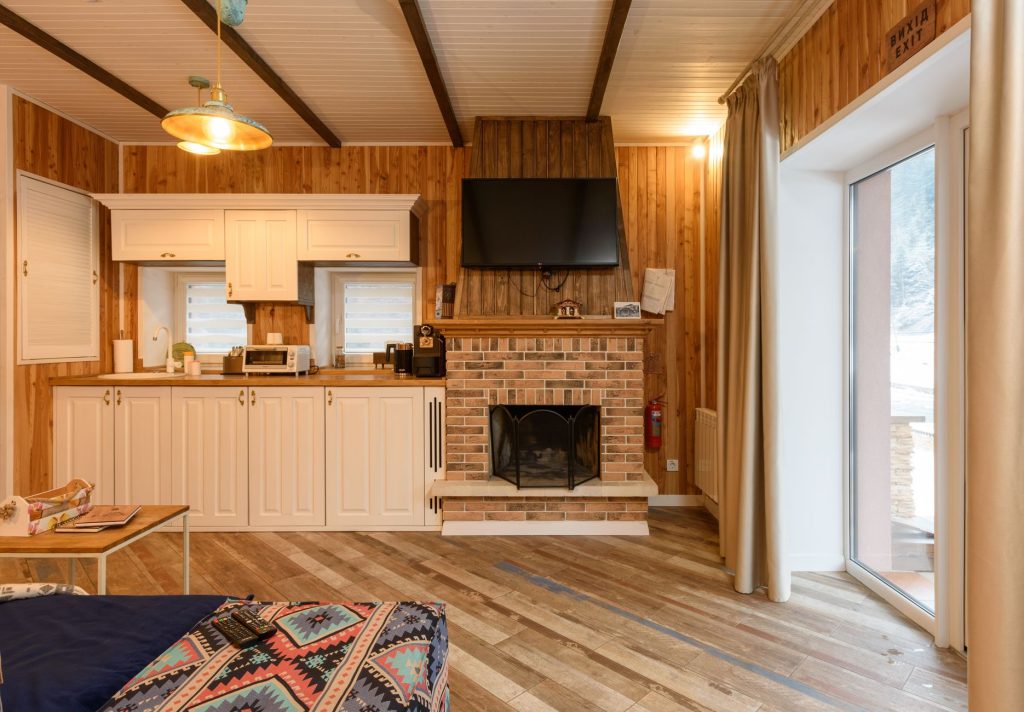
Ski School Selection Guide
Enrolling your children in ski school is a pivotal part of a family skiing trip. It allows them to learn from professionals, make friends with other children, and gives you the freedom to ski at your own pace. However, with so many options available, choosing the right ski school can be confusing. The decision often comes down to the type of lessons, the language of instruction, and the reputation of the provider.
One of the most important factors is the language of instruction. If your children are more comfortable in English, for example, choosing a school that offers English-speaking instructors can make a significant difference to their learning experience. In France, organisations like BASS (British Alpine Ski Schools) are well-regarded for their English-language instruction. They operate in many popular resorts, including Chamonix, Les Gets, and Val d’Isère. Their reputation is built on consistent quality and a deep understanding of the needs of British families. Similarly, ESF (Ecole du Ski Français) is a major provider with a wide presence across the Alps. While their primary focus is French, they often have English-speaking instructors available, especially in international resorts.
When choosing between private lessons and group classes, consider your children’s ages and personalities. Private lessons offer one-to-one attention, which can be beneficial for shy children or those who need more personalised guidance. However, they can be more expensive and might not provide the social aspect of learning with peers. Group classes, on the other hand, allow children to interact with other kids, which can make the learning process more fun and engaging. Small group classes are often a good compromise, offering some individual attention while still providing a social environment.
The age of your child is also a key factor. Most ski schools have specific age ranges for their programs. For very young children, typically aged three to five, there are often 'mini-clubs' or 'magic carpet' programs that focus on play and basic skills rather than rigorous technique. These programs are usually shorter, lasting around three to four hours, to match the attention span of young children. For older children, the lessons become more technical and can last the full day.
It is advisable to book ski school lessons in advance, especially during peak season. Popular schools can fill up quickly, and you might miss out on your preferred time slot if you wait until you arrive. Check the school’s reputation by reading reviews from other families. Look for comments about the instructors’ patience, professionalism, and ability to engage children. A good ski school will not only teach skiing but also ensure that children are having fun and feeling safe.
Consider the location of the ski school meeting point. Some schools meet at the base of the slopes, while others might be located further away. If you have young children, a meeting point close to your accommodation or the lifts is preferable. It reduces the walking time and makes it easier to check in and out.
Finally, think about the style of instruction. Some schools focus on traditional technique, while others use more playful, game-based approaches. For beginners and young children, a playful approach can be more effective in keeping them motivated. If your children are more advanced, you might prefer a school that offers more technical training and challenging runs.
Childcare and Babysitting Options
Even the most enthusiastic young skiers need a break, and sometimes parents just want a night off. Having reliable childcare options is essential for a stress-free family ski holiday. The range of childcare services in the Alps is extensive, from in-chalet nannies to organised kids’ clubs, catering to various ages and needs.
In-chalet childcare is a popular option for families with very young children or babies. A qualified nanny or carer comes to your accommodation to look after the children while you ski. This service is ideal if your children are too young to go to a ski school or if you prefer the comfort of their familiar environment. Nannies can provide meals, entertainment, and even accompany you on the slopes if needed. This option offers maximum flexibility and privacy, but it can be more expensive than group childcare.
Organised kids’ clubs are available in most family-friendly resorts. These clubs offer structured activities, often led by qualified instructors, and cater to children of various ages. They typically run during the day, allowing parents to ski while the children are safely looked after. Many clubs include lunch, which is a significant convenience. The children are fed, entertained, and socialise with other kids, making it a great way for them to make friends and learn new skills.
When choosing a kids’ club, consider the age range and the activities offered. Some clubs are designed for toddlers and focus on play and basic movement, while others cater to older children with more advanced skiing and snowboarding activities. Check if the club is affiliated with a reputable ski school, as this often ensures a higher standard of care and instruction. Also, look for clubs that offer a variety of activities, such as arts and crafts, games, and outdoor play, to keep the children engaged.
Booking childcare in advance is crucial, especially during school holidays. Popular clubs can reach full capacity quickly, and you might not get your preferred time slot if you wait until you arrive. Some tour operators, such as Skifamille, offer a range of childcare services that can be booked online before you travel. This ensures that you have a confirmed place and allows you to plan your ski days around the childcare schedule.
Consider the meal inclusions when choosing a childcare option. Some clubs include lunch, while others require you to provide a packed lunch or allow children to eat at the club’s restaurant. If your child has dietary requirements, make sure to inform the club in advance. Similarly, if you are using an in-chalet nanny, discuss meal preparation and timing beforehand to ensure it fits your family’s routine.
Another aspect to consider is the flexibility of the service. Some childcare providers offer half-day or full-day options, while others might require a minimum booking period. If you plan to take a break in the middle of the day, check if the service allows for midday drop-offs and pick-ups. This can be useful if your children need a nap or if you want to ski in the morning and return for the afternoon.
Finally, think about the location of the kids’ club. If it is located in the resort centre, it might be easier to access, but it could also be noisier. If it is located near the slopes, it might be more convenient for skiing, but you might need to transport your children to and from the slopes. Consider your family’s priorities and choose the option that best fits your holiday rhythm.
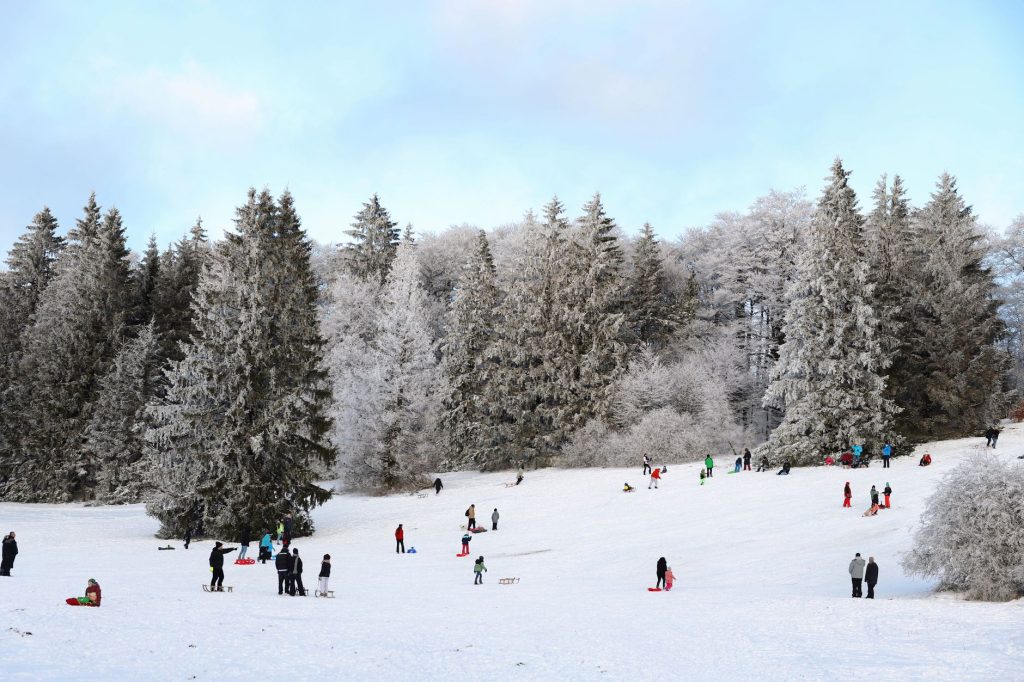
Beyond the Slopes
Skiing is not the only activity available in the Alps, and having a variety of options is crucial for keeping children entertained, especially on days when the weather is poor or the children are tired of the snow. Many family-friendly resorts offer a range of non-ski activities that can be just as memorable as a day on the slopes.
Ice skating is a classic winter activity that children love. Many resorts have outdoor rinks, often set against a backdrop of snow-capped mountains. This is a great way for children to burn off energy and try a different winter sport. Some rinks offer lessons for beginners, which can be a fun and safe way to learn. Look for rinks that are well-maintained and have good facilities, such as heating and changing rooms.
Tobogganing is another popular activity, particularly for younger children. Many resorts have dedicated toboggan runs, which are gentle slopes specifically designed for sliding. These runs are often safe and supervised, making them ideal for families. Some resorts even offer toboggan hire, so you do not need to bring your own equipment. It is a thrilling experience that children can enjoy repeatedly, and it is often cheaper than skiing.
Indoor swimming pools are a valuable asset, especially during inclement weather or when the children need a break from the cold. Many resorts have indoor pools with slides, jets, and play areas for younger children. This is a great way to relax and recharge after a day on the slopes. Some pools are located in spa complexes, offering a more luxurious experience for parents as well. Check the opening hours and any entry fees in advance, as some pools might be part of a larger spa complex with additional costs.
Cinema visits are a simple but effective way to entertain children on a rainy afternoon. Many larger resorts have cinemas showing recent family-friendly films. This is a good option when the children are tired or when the weather is too bad for outdoor activities. It allows the whole family to relax and enjoy a bit of downtime without leaving the resort.
Other activities might include snowshoeing, ice climbing, or visiting local museums and cultural centres. Snowshoeing is a great way to explore the surrounding landscape at a slower pace, and it is often suitable for children who are not confident skiers. Ice climbing might be more suitable for older children or those with some experience, but many resorts offer introductory sessions for families.
When planning non-ski activities, consider the age and interests of your children. Some children might prefer active, outdoor activities, while others might enjoy quieter, indoor pursuits. Having a mix of options ensures that everyone can find something they enjoy, reducing the risk of boredom and frustration. It also allows for flexibility in your daily schedule, so you are not reliant on skiing being the only option.
Family Dining and Après Ski
Dining out with children can be a challenge, but the Alps offer many family-friendly options that make mealtime a pleasure rather than a ordeal. The key is to choose the right restaurants and times, and to be aware of local customs that can make dining easier.
Family-friendly restaurants in the Alps often cater to a wide range of tastes and dietary requirements. Look for establishments that offer children’s menus with familiar options like pasta, pizza, and fries. Many restaurants also welcome children to join the adults at the table, which can be more social and less restrictive than a dedicated kids’ area. Some restaurants have play areas or offer activities for children while they wait for their food, which can be a lifesaver for parents.
Après ski, or after-ski, is a significant part of alpine culture. While it is often associated with adults and alcohol, many resorts have family-friendly après ski venues that cater to children. These venues might offer hot chocolate, cakes, and live music, providing a relaxed atmosphere for families to unwind after a day on the slopes. Some resorts have dedicated children’s après ski areas with games and entertainment, allowing children to socialise and have fun while parents relax.
Cost-effective dining strategies can help manage the budget. Eating lunch on the slopes is often more expensive than eating in the resort centre. Consider packing a picnic or buying lunch from a supermarket and eating it at a scenic spot. This can save money and allow for a more flexible schedule. Many resorts have self-service restaurants or buffets that offer good value for money, especially if you are hungry after a day of skiing.
Early dinner timings are common in the Alps, especially in family-oriented resorts. Restaurants often open for dinner as early as 6:00 PM, which aligns well with children’s bedtimes. This can make dining out more manageable, as you are less likely to encounter large crowds of adults and noisy environments. It also allows children to eat and go to bed earlier, ensuring they are well-rested for the next day.
Consider the location of the restaurant. Staying in the resort centre gives you access to a wider variety of dining options, from casual eateries to fine dining. If you are staying in a more remote chalet, you might need to travel to the centre for dinner, which adds time and cost. Plan your meals accordingly, and consider booking tables in advance, especially during peak season.
Finally, be aware of local customs. In some resorts, it is common to share tables, especially during busy periods. This can be a fun experience for children and a good way to meet other families. However, if you prefer privacy, make sure to book a table for your group in advance. Also, check if the restaurant is child-friendly by reading reviews or asking locals. A good family restaurant will be welcoming and accommodating, making dining out a pleasant experience for everyone.
Common Pitfalls to Avoid
Planning a family ski trip is complex, and there are several common mistakes that can ruin the experience. Being aware of these pitfalls and planning accordingly can save you time, money, and stress.
One of the most common mistakes is underestimating altitude sickness. The Alps can be high, and children are often more susceptible to altitude-related issues than adults. Symptoms can include headaches, nausea, and fatigue. It is crucial to acclimatise properly upon arrival. Avoid strenuous activity on the first day, stay hydrated, and allow time for children to adjust to the altitude. If symptoms persist, seek medical advice. Some resorts have medical centres, but it is better to be cautious.
Booking ski schools too late is another frequent error. Popular schools can fill up quickly, especially during school holidays. If you wait until you arrive, you might miss out on your preferred time slot or have to settle for a less experienced instructor. Book your lessons in advance, and confirm the details a few days before your trip. This ensures that your children are in the right group and that you have a plan for the day.
Choosing a resort with a steep village layout can be a nightmare for families with strollers or young children. As mentioned earlier, some resorts are built on terraces with steep steps and narrow lanes. Research the layout of the resort you choose, and look for maps that highlight the terrain. If you have young children, a flat, walkable centre is preferable. If you are unsure, ask other families or read reviews to get a sense of the resort’s accessibility.
Another pitfall is underestimating the cost of a ski holiday. Skiing can be expensive, with costs for lifts, equipment, lessons, and food adding up quickly. Budget carefully and consider self-catering to save on meals. Look for deals and discounts, especially for children. Some resorts offer free or discounted child places during off-peak times, so be flexible with your dates if possible.
Packing the wrong gear is also a common mistake. Bring layers that can be adjusted as the weather changes, and ensure that your children have warm, waterproof clothing. Don’t forget to pack snacks, drinks, and any necessary medications. Having the right gear can make a significant difference to the comfort and enjoyment of the trip.
Finally, do not underestimate the importance of flexibility. Weather conditions can change rapidly, and children’s moods can be unpredictable. Have a backup plan for non-ski activities, and be prepared to adjust your schedule as needed. A relaxed, flexible attitude can make the difference between a stressful holiday and a memorable one.