Amsterdam hits you with a specific rhythm the moment you step off the train. It is not just the sound of trams clattering along the tracks or the constant, gentle clinking of bicycle bells weaving through traffic; it is the way the light hits the water. The city feels less like a static museum and more like a living, breathing organism that expects you to move with it. If you arrive expecting a slow, stately European capital, you might feel slightly out of step. But if you lean into the pace, the cycling, the canal-side drinking, the narrow streets, you will find one of the most accessible and engaging cities in Europe.
The challenge for most visitors is not a lack of choice, but an overload of it. You will see recommendations for museums, tours, and neighbourhoods everywhere, often from people who have only spent a weekend there. To help you cut through the noise, we have focused on the seven most essential experiences that define the Amsterdam visit. These are not just tourist checkboxes; they are the foundations of a trip that feels authentic, practical, and deeply rooted in the local character. Whether you are interested in history, architecture, or simply finding the best spot for a coffee, these are the things to do in Amsterdam that will give you the best return on your time and money.
Plan Your Visit Around the Seasons
The timing of your trip dictates the experience more than you might expect. Amsterdam is a city of extremes, and understanding the seasonal rhythm helps you avoid the worst crowds and the highest prices.
Spring is arguably the most visually rewarding time to visit. The tulip fields in the surrounding countryside are in full bloom, creating vibrant carpets of colour that are a short trip away from the city centre. Inside the city, the parks begin to wake up, and the weather is generally mild, though unpredictable. You can expect crisp air and long daylight hours, which are perfect for walking. However, this is also peak season for international tourism. Accommodation prices rise, and popular attractions fill up quickly. If you visit in spring, book your major tickets well in advance.
Summer offers a different vibe. The city opens up. Outdoor dining becomes the norm, and the canals are lined with people enjoying the warmth. The atmosphere is lively, almost festive. Yet, summer also brings the largest crowds. The narrow streets can feel congested, and the heat can make navigating by bike less comfortable than in cooler months. If you choose summer, embrace the outdoor culture but be prepared for busy spaces.
Winter brings a quieter, more intimate Amsterdam. The tourist numbers drop significantly, meaning shorter lines at museums and more space to breathe. The city takes on a cozy atmosphere, especially in the evenings when the light fades early. Many locals retreat into their homes, but the cafes and restaurants remain warm and inviting. The canals may freeze over, creating a unique landscape that few visitors get to see. Winter is ideal if you prefer a slower pace and do not mind shorter days.
Autumn offers a balance. The crowds thin out after the summer rush, the weather remains manageable, and the city takes on a golden hue. It is a practical time to visit, offering good weather without the peak season premiums.
Regardless of when you go, the weather can change rapidly. Layering is essential. A light waterproof jacket is useful year-round. Check the local forecasts before you pack, but do not let the weather dictate your entire itinerary. Many of the best experiences in Amsterdam, such as museum visits or canal walks, are enjoyable in any weather.
Navigate the City Like a Local
Getting around Amsterdam is straightforward if you understand the lay of the land. The city is compact, which makes walking and cycling highly efficient. However, it requires a bit of learning to move safely and smoothly.
Public transport is efficient and covers the entire city. The tram network is extensive, connecting major neighbourhoods, stations, and attractions. Buses and trains are also available, though trams are usually the most convenient for city centre travel. Tickets can be bought via contactless bank cards or mobile apps, which is often easier than fumbling for cash. If you plan to use public transport frequently, a multi-day travel card might be cost-effective. Always tap in and out when required, and keep your ticket visible if asked by inspectors.
Walking is perhaps the best way to discover the city’s details. The city centre is small enough to explore on foot, allowing you to stumble upon hidden courtyards and quiet streets. However, be aware of your surroundings. Pavements can be uneven, and there are often steps or curbs. Keep an eye out for cyclists, even on pedestrian paths, as they often have the right of way.
Cycling is the quintessential Amsterdam experience. There are more bikes than people, and the infrastructure is designed for two wheels. Renting a bike is easy, with rental shops located near major stations and throughout the city. When you rent, check the brakes and lights carefully. Amsterdam streets can be slick, and lights are essential even during the day in winter.
Bike etiquette is crucial. Stay in the designated bike lanes. Do not cycle on the pavement unless signs indicate it is allowed. Signal your turns with your arm, and check your blind spots before merging into traffic. Cyclists move quickly, so do not block the flow. If you are unsure, stick to quieter residential streets rather than the main arteries like Damrak or Leidsestraat.
Ride-hailing apps and taxis are available but can be expensive. They are useful for late-night returns or when carrying heavy luggage. For day-to-day travel, walking, cycling, and trams are usually the best options.
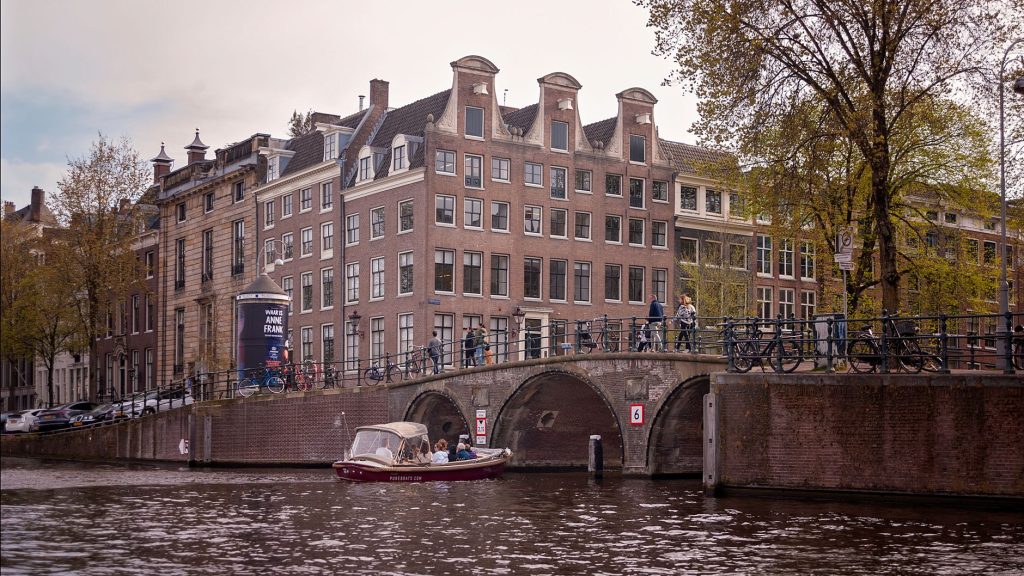
Explore the Iconic Canal Ring
The Canal Ring, or Grachtengordel, is the heart of Amsterdam and a UNESCO World Heritage site. It is a network of concentric canals built in the 17th century, forming a semi-circle around the city centre. This area is not just a backdrop; it is the primary reason Amsterdam is so visually striking.
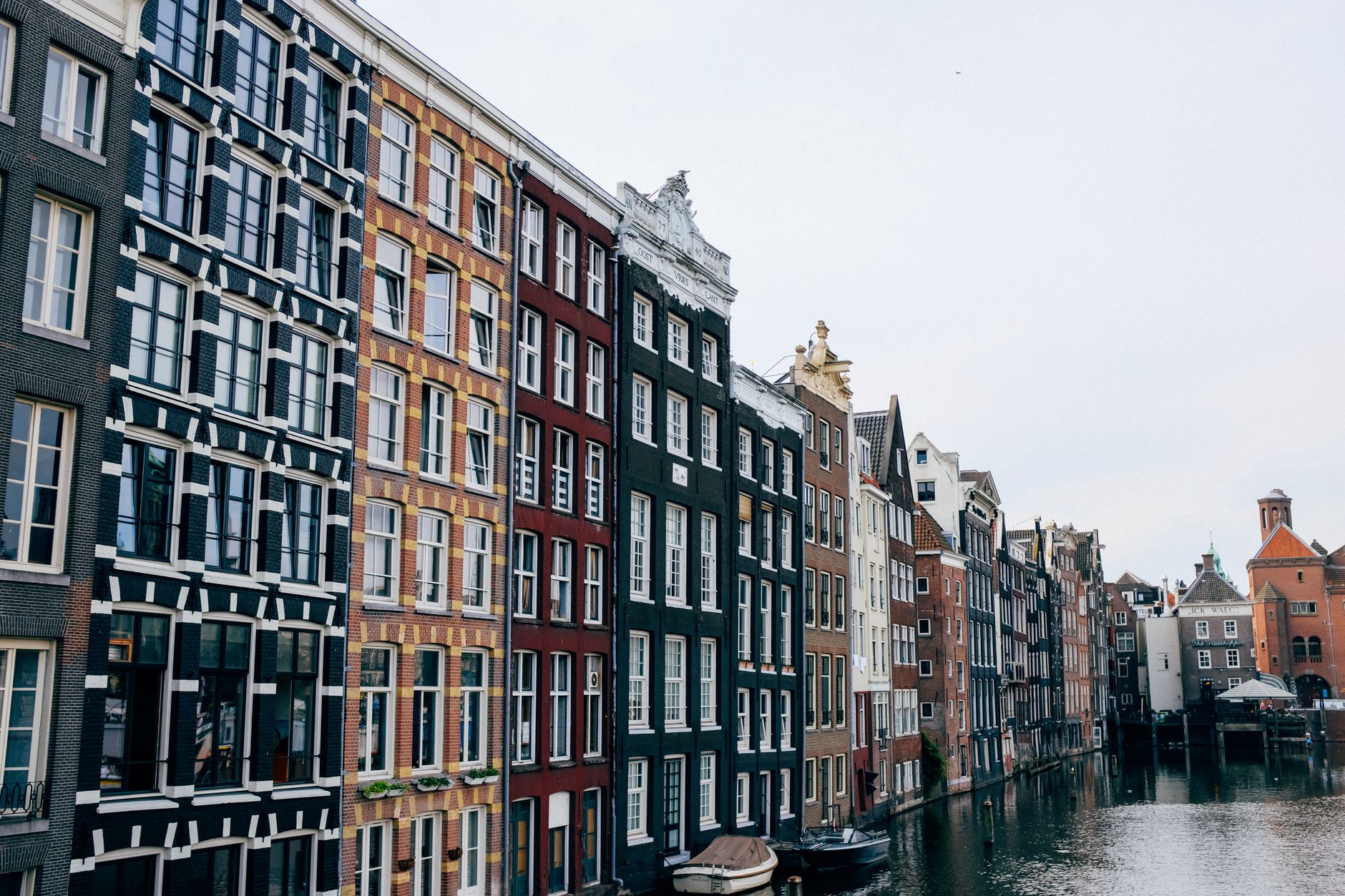
You do not need to book an expensive boat tour to appreciate the canals. Walking along the banks offers a different perspective. You can see the architecture up close, noting the distinctive gabled houses that lean slightly over the water. These buildings were designed to maximize storage space, with wide tops and narrow bases. The cranes on many facades hint at their history as warehouses for goods.
Start your exploration at the Oudezijds Voorburgwal or the Prinsengracht. These are the main arteries. As you walk, look for the smaller side canals, which are quieter and more residential. The Nine Streets (De Negen Straatjes) is a popular area within the ring, known for its boutique shops and cafes. It is a great place to browse and people-watch.
Key landmarks are scattered throughout the ring. The Royal Palace on Dam Square is a grand example of 17th-century architecture. The Westerkerk, with its tall tower, offers one of the best views if you climb to the top. The houses along the canals are not just pretty; they are historic structures with complex histories. Some have been converted into apartments, while others remain commercial spaces.
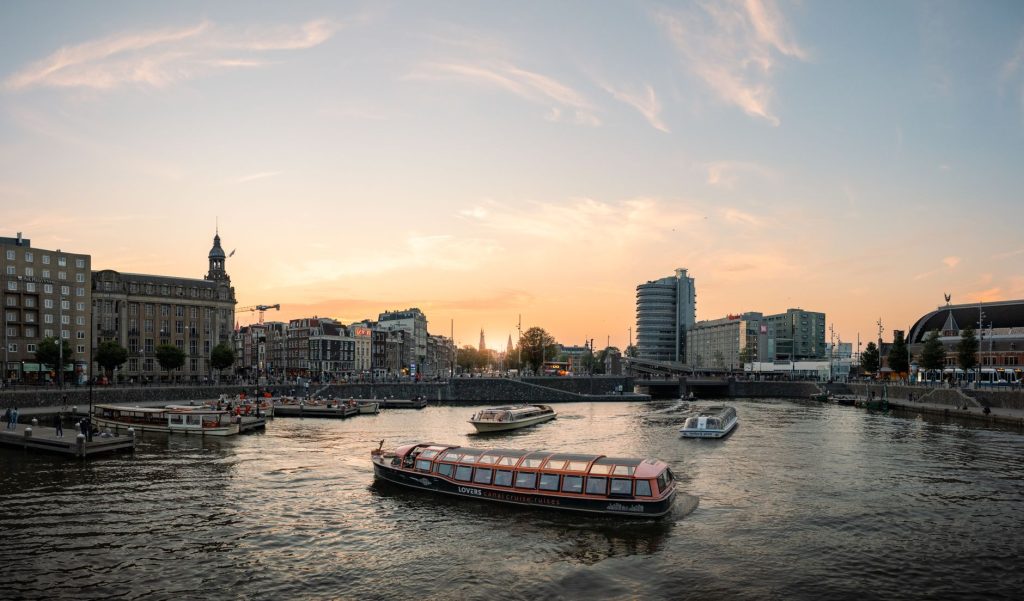
For a more structured view, a canal cruise is a valid option. It provides a sense of scale and allows you to see the city from the water. Choose a cruise that lasts about an hour. Longer tours may take you further out, but the central ring is the most impressive part. Sunset cruises are particularly popular, offering beautiful lighting and a relaxed atmosphere. However, book in advance, especially in summer.
If you choose to walk, take your time. The best discoveries are often in the side streets. Look for the small bridges, the mooring posts, and the gardens visible through open gates. This is the Amsterdam that locals love, away from the main tourist throngs.
Experience the Anne Frank House Deeply
The Anne Frank House is one of the most significant historical sites in Europe. It is not just a museum; it is a place of memory and reflection. Visiting here requires preparation and respect.
The core of the experience is the Secret Annex, where Anne Frank and her family hid for over two years during the Second World War. The space is small, cramped, and intimate. Walking through the rooms gives you a tangible sense of their daily lives. The house itself is a normal Dutch building, which makes the story more poignant.
Booking tickets is the first step. Tickets are released online and sell out quickly, often within minutes. Do not rely on buying tickets on the day. Book as soon as they become available for your desired date. If you miss out, check for last-minute releases or consider booking a guided tour, which sometimes includes guaranteed entry.
Once inside, follow the prescribed route. The audio guide is highly recommended, as it provides context and personal stories that you might miss on your own. It adds depth to the experience, connecting you to Anne’s voice and her family’s fate.
Allow at least 90 minutes for your visit. Do not rush. The exhibition also includes information about the broader history of the Holocaust and the persecution of Jews in the Netherlands. This context is important for understanding the full significance of the house.
Combine your visit with the nearby Westerkerk. The church is where Anne and her father, Otto, were eventually buried. It is a short walk away and provides a peaceful contrast to the intensity of the house. The church often hosts exhibitions and events related to the history of the period.
Respect the space. It is a memorial as much as a museum. Keep your voice down, especially in the Annex. Do not lean on the walls or touch the exhibits unless allowed. The emotional weight of the place is real, and a quiet visit enhances the experience.
Immerse Yourself in the Jordaan District
The Jordaan is one of Amsterdam’s most charming neighbourhoods. Known for its narrow streets, canals, and historic atmosphere, it was originally built for the working class in the 17th century. Today, it is a blend of old and new, with independent shops, art galleries, and cafes.
Start your exploration near the Westerpark or the Noordermarkt. These areas are lively and offer a glimpse into local life. The Noordermarkt is a market that operates on Mondays and Saturdays, selling fresh produce, antiques, and flowers. It is a great place to see the city’s culinary side and interact with residents.
As you wander deeper into the Jordaan, you will find the famous Bloemenmarkt, the floating flower market. While it is a tourist attraction, it is worth a visit for the vibrant display of tulips and bulbs. Be prepared for crowds, especially in spring.
The district is also known for its artistic heritage. Many galleries and studios are tucked away in side streets. Look for the signs and explore the smaller lanes. The architecture is beautiful, with narrow houses and courtyards. The Nine Streets are partially within the Jordaan and offer a concentration of shops and cafes.
Dining in the Jordaan is excellent. There are many options for traditional Dutch food and international cuisine. Look for places with outdoor seating if the weather permits. The cafes here are cozy and often have a local clientele.
The Jordaan is also home to the Anne Frank House, so you can combine your visit. After seeing the house, walk through the Jordaan to decompress. The streets are quieter than the city centre, offering a peaceful end to a day of sightseeing.
Relax in Vondelpark and Green Spaces
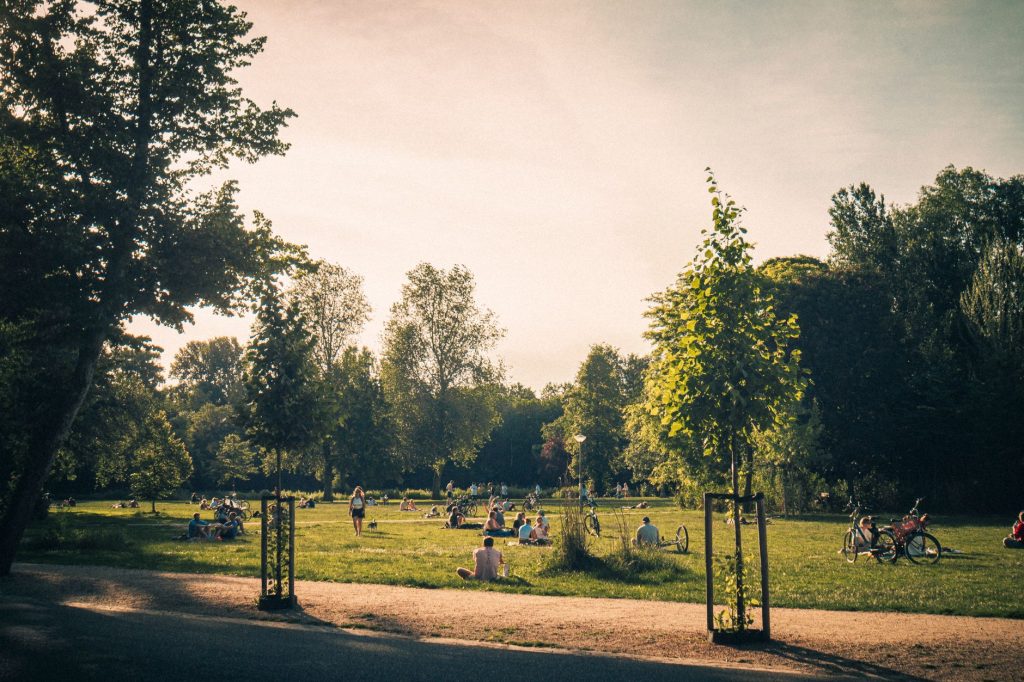
Amsterdam is not just about canals and museums. It is a city with significant green spaces, and Vondelpark is the crown jewel. This large park is perfect for escaping the urban hustle and enjoying nature.
Vondelpark is ideal for walking, cycling, or simply relaxing. You can rent bikes and cycle through the park’s paths, or walk along the winding trails. The park is well-maintained, with flower beds, ponds, and open lawns.
It is a popular spot for a drink or a light meal. The terrace is large and often busy, especially in summer. It is a great place to people-watch and soak up the atmosphere.
In summer, the park hosts open-air concerts and events. Check the schedule in advance if you want to attend. These events are usually free or low-cost and add to the lively vibe of the park.
Picnics are a common activity. Bring a blanket and some food, or buy from nearby shops. The park is a social hub, with families, friends, and solo visitors enjoying the space. It is a good place to rest between sightseeing trips.
If you are visiting with children, the park has playgrounds and animal enclosures. It is a safe and enjoyable environment for families.
The park is also a gateway to other attractions. The Van Gogh Museum and Rijksmuseum are nearby, making it easy to combine cultural visits with outdoor time.
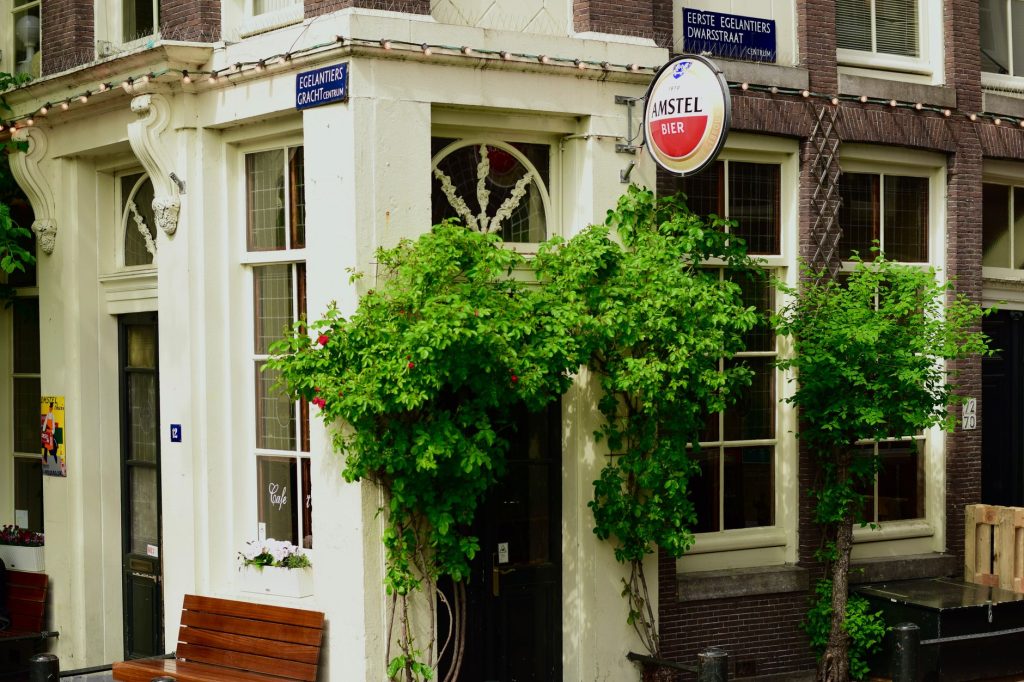
Savor Dutch Cuisine and Coffee Culture
Food in Amsterdam reflects its history and modern diversity. Traditional Dutch cuisine is hearty and simple, while the city also offers a wide range of international options.
Start with stroopwafels, a syrup waffle that is a Dutch staple. They are best enjoyed warm, often placed on a hot drink to soften the syrup. You can find them in markets and bakeries.
Bitterballen are another classic. These deep-fried meat ragout balls are served with mustard and are a popular bar snack. They are rich and satisfying, best shared with friends.
Fresh herring is a traditional Dutch delicacy, usually eaten raw with onions and pickles. It is an acquired taste but worth trying if you are adventurous. Street vendors sell herring from carts, and it is a common sight in the city.
Coffee culture in Amsterdam is unique. The term "coffee shop" refers to places that sell cannabis, in addition to coffee and tea. These are distinct from regular cafes. Coffee shops have a relaxed, social atmosphere and are a part of the city’s reputation. They are legal and regulated, offering a variety of strains.
For traditional coffee, there are many independent cafes serving high-quality brews. Look for places that roast their own beans. The city has a growing specialty coffee scene.
Breakfast in Amsterdam is often light, with pastries and coffee. However, many places offer hearty options like eggs and bacon. Look for local bakeries for fresh bread and pastries.
When dining out, reservations are recommended for popular restaurants, especially in the evening. The city’s food scene is diverse, with options for every budget and taste.
Avoid Common Tourist Mistakes
Visiting Amsterdam is straightforward, but there are pitfalls that can ruin your experience or cost you money. Avoiding these mistakes will make your trip smoother.
One common error is buying tram tickets from the driver. This is often more expensive or not always available. Use a contactless bank card or an app to pay for public transport. It is faster and often cheaper.
Another mistake is ignoring bike lanes. Cyclists have the right of way, and cars often wait for them. If you are walking or cycling, stay in the designated lanes. Do not block the flow.
Paying for canal tours without checking inclusions is another issue. Some tours are short and expensive, while others offer more value. Compare options and read reviews. Sunset tours are popular but book in advance.
Ignoring the weather is a mistake. Amsterdam rain can be sudden. Carry a waterproof jacket and layers. Comfortable shoes are essential for walking on cobblestones.
Not booking tickets in advance for popular attractions like the Anne Frank House or major museums can lead to long lines or missed entries. Book online whenever possible.
Assuming everything is English-speaking is mostly true, but learning a few Dutch phrases is appreciated. It shows respect and can enhance interactions.
Paying for water in restaurants is unnecessary. Tap water is safe and free. Ask for "kraanwater" if you want tap water.
Respecting quiet hours is important. Some neighbourhoods have strict noise regulations, especially at night. Keep your voice down in residential areas.
Choose the Best Neighborhood to Stay
Where you stay in Amsterdam affects your experience significantly. The city is divided into distinct neighbourhoods, each with its own character.
The City Centre is convenient for first-time visitors. It is close to major attractions, shopping, and transport. However, it is also the noisiest and most expensive area. Accommodation is limited and pricey. It is best if you plan to be out most of the day and just need a place to sleep.
The Jordaan is a more charming and quieter option. It is close to the Centre but has a village-like feel. It is great for couples and those who appreciate architecture and atmosphere. Prices are high, but the experience is worth it.
De Pijp is a lively, student-friendly neighbourhood. It is known for its markets, bars, and restaurants. It is more affordable than the Centre and has a vibrant nightlife. It is ideal for younger travellers or those who enjoy a bustling atmosphere.
Oost (East) is a residential area with a mix of old and new architecture. It is quieter and more local, with good transport links. It is a good option for those seeking a peaceful stay with easy access to the Centre.
West is less touristy and has a more bohemian vibe. It is near parks and the canal ring. It is suitable for those who want a local experience and do not mind being slightly further from the main sights.
Choose your neighbourhood based on your priorities. If convenience is key, stay in the Centre. If atmosphere is more important, consider the Jordaan or De Pijp. For budget options, look further out and use public transport.
Remember to check the location relative to transport links. Being a few stops away from the Centre can save money and reduce noise. Book accommodation early, especially in peak seasons.
Amsterdam is a city that rewards curiosity. Whether you are cycling along the canals, exploring a museum, or simply sitting in a park, the city offers a rich tapestry of experiences. By planning wisely and respecting local customs, you will have a memorable trip.