You are standing in a queue for security, watching the departure board tick over, and wondering if the extra cost and hassle are worth it for a weekend away. For many travellers, the answer is shifting. A holiday does not need to be somewhere hot, somewhere famous, or somewhere where every other tourist has decided to go. It simply needs to be a place where you are away from your own routine, surrounded by new sights and a slower pace.
The trend of staying in the UK has moved from a last-resort option to a first-choice strategy. Whether you are looking at a seaside resort in Brighton, a secluded lodge in the Lake District, or a wild camping spot in the Highlands, domestic breaks offer a different kind of freedom. They remove the stress of long-haul flights, reduce the carbon footprint of your trip, and often leave more room in the budget for experiences rather than just transit. This guide explores five distinct alternative holidays in the UK, helping you plan a trip that feels special without the usual crowds.
Why Choose a UK Alternative Holiday
The shift towards domestic travel is not just about saving money, although that is a significant factor. Overseas holidays have become more expensive and more complicated to organise. The cost of flights, airport transfers, and accommodation in popular European destinations has risen, while the logistics of getting through security and navigating foreign transport systems have grown more tedious.
Choosing an alternative holiday in the UK offers a tangible reduction in stress. You avoid the anxiety of lost luggage, language barriers, and jet lag. Instead, you can focus entirely on the experience. The environmental impact is also lower when you cut out the long-haul flight, making these trips a more sustainable choice for many travellers.
Beyond convenience, these holidays provide novelty without the distance. You can explore rugged coastlines, ancient woodlands, and historic market towns that are often overlooked by international visitors. The variety within the UK is staggering. You can hike volcanic landscapes in Scotland one day and relax on sandy beaches in Cornwall the next, all within a few hours’ drive. This diversity means you can have a completely different experience from a standard beach holiday without ever leaving the country.
Best Time to Visit for Alternative Experiences
The timing of your trip significantly influences the quality of your alternative holiday. While summer offers the warmest weather, it also brings the largest crowds to popular spots. Late spring and early autumn are often the sweet spots for UK travel. The weather is generally mild, the days are still long enough for outdoor activities, and the tourist numbers drop noticeably. This makes it easier to secure last-minute accommodation and enjoy trails and attractions without the congestion.
Winter is often unfairly dismissed as a poor time to visit the UK, but it offers a unique charm for specific regions. The Lake District and the Scottish Highlands take on a dramatic, almost theatrical quality when snow dusts the peaks and the light turns crisp and clear. The landscapes feel stark and beautiful, perfect for those who enjoy moody atmospheres and fewer people. However, you must be prepared for shorter daylight hours and potentially rougher weather.
If you prefer coastal walks, early autumn is particularly rewarding. The sea is still warm from the summer, the air is fresh, and the dramatic autumn colours begin to appear in the woodlands. Spring, conversely, brings wildflowers and the return of migratory birds, making it ideal for nature enthusiasts. Regardless of the season, checking the local weather forecast regularly is essential, as conditions can change rapidly in the UK, especially in mountainous or coastal areas.
Getting There and Getting Around
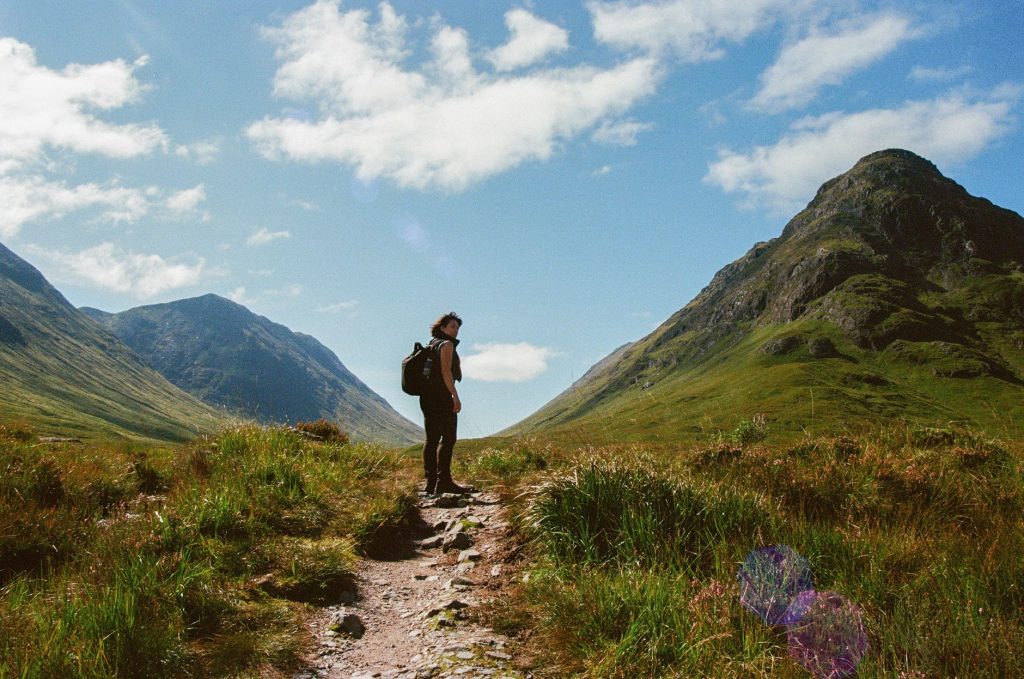
Transport is the backbone of any successful UK break. The reliability of the rail network makes trains an excellent choice for accessing coastal towns and rural hubs. Trains often run along scenic routes, offering views that you might miss from a car. They also eliminate the stress of parking in busy town centres and allow you to relax during the journey. Many rural areas have good train connections to major cities, from which you can transfer to local buses or taxis.
For more remote areas, such as the Highlands or the deeper parts of the moors, a car rental offers greater flexibility. It allows you to set your own schedule and access trailheads or viewpoints that are not served by public transport. However, driving in narrow country lanes requires patience, and parking can be limited in popular villages. Always check if your accommodation includes parking before booking.
Local buses are a surprisingly effective way to explore smaller villages and countryside areas, especially if you are looking for an eco-friendly option. They are often cheaper than trains or taxis and provide a glimpse into local life. For the most immersive experience, consider cycling. The UK has an extensive network of cycle paths, including many off-road routes through forests and along canals. Cycling allows you to move at a pace that lets you notice small details, from wildflowers to historic stone walls, and it is a great way to keep active during your trip.
Where to Base Yourself for Maximum Impact
Strategic planning of your base location can make or break your trip. Staying in a central village rather than a major city allows you to explore the surrounding countryside with ease. A village base often provides a more authentic experience, with local shops, pubs, and community events that you might miss in a tourist-heavy area. It also tends to be quieter in the evenings, allowing for a more restful stay.
Self-catering cottages are an excellent option for those who want flexibility. They allow you to prepare your own meals, which can be a significant cost saver, especially if you are travelling with a group or family. You can also shop at local farmers' markets and butchers, supporting the local economy and enjoying fresh, seasonal produce. Staying in one location for several days reduces the hassle of packing and unpacking, giving you more time to actually explore the area.
If you prefer to move around, breaking your trip into two or three shorter stays can be more rewarding. This approach lets you experience different landscapes and cultures within a single trip. For example, you might spend two nights in a coastal town and two nights in a nearby village. This variety keeps the holiday fresh and prevents the monotony of a single location, especially if the weather turns. Always check the distance between your base and the attractions you want to visit to ensure you are not spending half your day in transit.
Top 5 Unique Destinations Beyond the Usual Spots
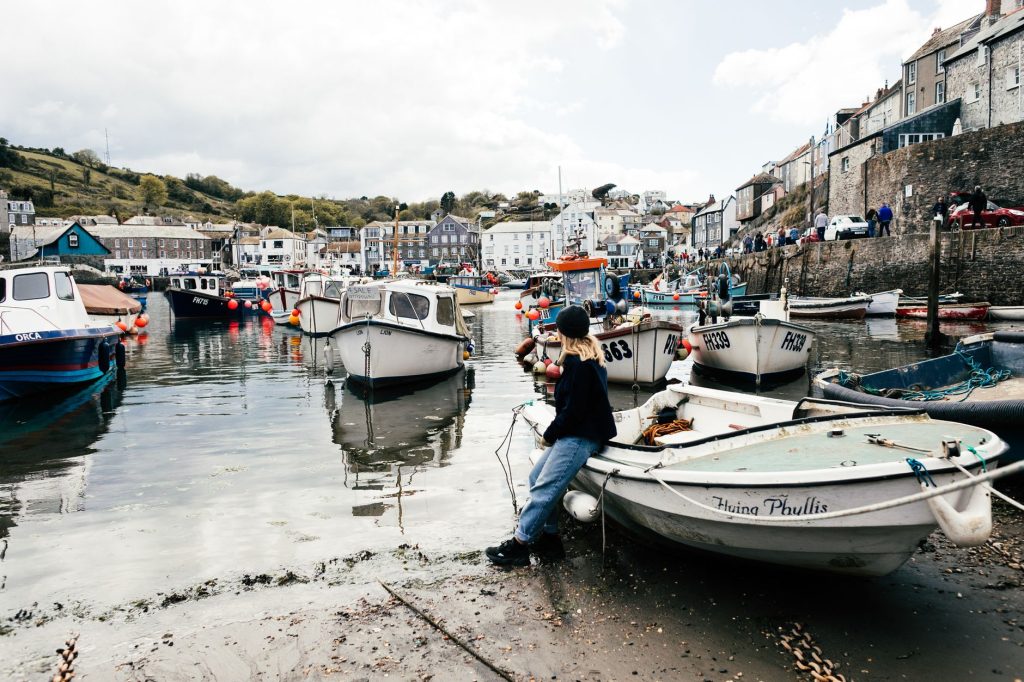
While places like Cornwall and the Cotswolds are beautiful, they can be crowded. Here are five alternative destinations that offer distinct experiences and a sense of discovery.
1. The Gower Peninsula, Wales
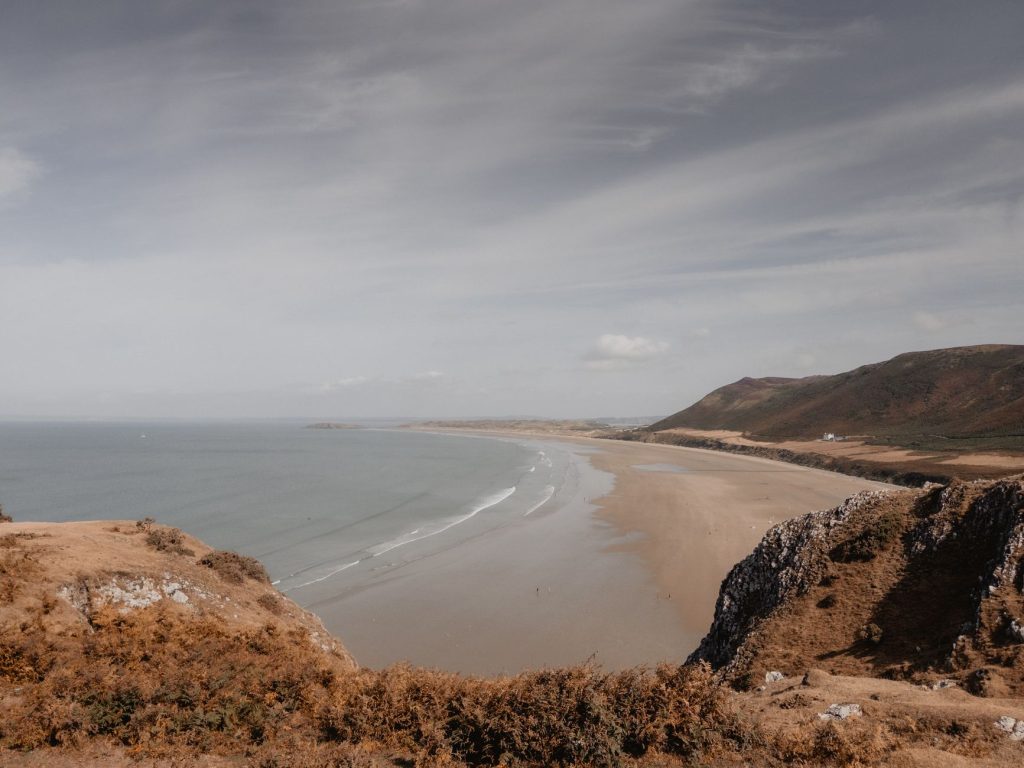
Often described as the first Area of Outstanding Natural Beauty in the UK, the Gower Peninsula offers a stunning mix of sandy beaches, dramatic cliffs, and historic villages. It is less commercialised than many other coastal destinations, making it ideal for walkers and those seeking quiet. The coastline is rugged and wild, with hidden coves accessible only by foot. The local communities are vibrant, and the food scene is strong, with fresh seafood available in many village pubs.
2. The North York Moors, Yorkshire
This vast expanse of heather-clad moorland is perfect for those who enjoy wide-open spaces and a sense of isolation. The landscape is dotted with small market towns and ancient abbeys. The moors are particularly beautiful in late summer when the purple heather blooms, covering the hills in a sea of colour. It is a fantastic destination for hiking, horse riding, and exploring the deep forests that break up the moorland. The villages here, like Helmsley and Pickering, have a charming, old-world feel.
3. The Isles of Scilly
Located off the tip of Cornwall, this archipelago feels like a different world. With a subtropical climate, the islands offer mild weather even in winter. The islands are car-free in many places, promoting a peaceful, slow-paced lifestyle. St Mary’s is the largest island, with a rich history of shipwrecks and maritime heritage. The other islands are smaller and more secluded, perfect for those who want to disconnect completely. The waters here are calm and clear, ideal for swimming and wildlife spotting.
4. The Fife Coastal Path, Scotland
This long-distance trail follows the coast of Fife, offering a mix of industrial heritage, fishing villages, and natural beauty. Unlike the rugged Highlands, Fife has a gentler, more accessible coastline with sandy beaches and historic sites. The path connects a series of charming towns, each with its own character. It is a great route for cyclists and walkers, with plenty of places to stop for a meal or a drink. The area is rich in history, with connections to the Scottish Reformation and the arts.
5. The Cairngorms, Scotland
The Cairngorms National Park is the largest national park in the UK and a haven for wildlife and outdoor activities. The landscape is dominated by ancient forests, high peaks, and deep glens. It is one of the best places in Europe to see red deer, golden eagles, and pine martins. In winter, the area is a hub for skiing and snowboarding, but in summer, it offers excellent hiking and cycling trails. The villages of Aviemore and Kingussie provide good bases for exploring the park, with a range of accommodation options.
Accommodation Styles for Different Travelers
The type of accommodation you choose can shape your entire holiday experience. Glamping pods offer a comfortable introduction to the outdoors. They provide the warmth and convenience of a bed and ensuite bathroom while allowing you to sleep under the stars. This is an excellent option for those who want to experience nature but do not want to sacrifice comfort. It is also a good choice for families with young children or older travellers who might find traditional camping challenging.
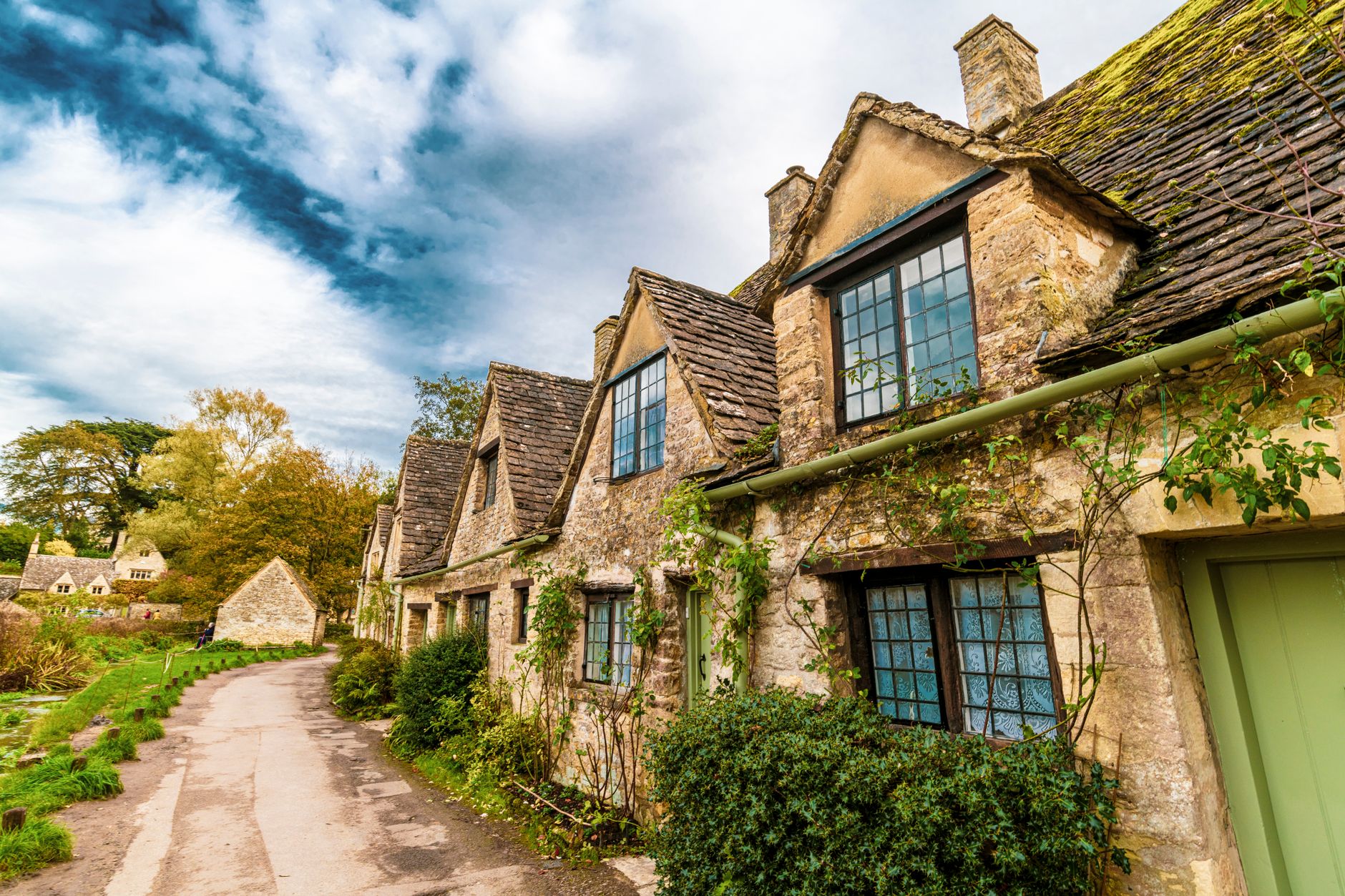
Historic cottages are ideal for those who want a sense of place and history. These properties often feature original architectural details, such as exposed beams, stone walls, and large fireplaces. They are particularly charming in rural areas, where they blend seamlessly with the landscape. Staying in a historic cottage can feel like stepping back in time, offering a quiet and reflective atmosphere. Many of these cottages are self-catering, giving you the freedom to come and go as you please.
Boutique B&Bs are perfect for travellers who want a personal touch and local knowledge. The owners often live on-site and can provide valuable advice on where to eat, walk, and visit. This personal connection can enhance your trip, making you feel more connected to the community. Boutique B&Bs often have unique decor and character, offering a more distinctive experience than a standard hotel. They are also a great way to support small, local businesses.
For the budget-conscious, wild camping or basic campsite pitches are the most affordable options. Wild camping, where permitted, allows you to choose your own spot and enjoy total privacy. It requires more preparation and self-sufficiency, but the reward is a direct connection with the landscape. Basic campsites offer more facilities, such as showers and toilets, at a low cost. They are a practical choice for those who want to spend more of their budget on activities and food.
Local Food and Drink Experiences
Food is a central part of any holiday, and the UK offers a incredible range of local produce. Visiting farmers' markets is a great way to discover regional specialities and support local growers. These markets often feature fresh vegetables, artisan breads, cheeses, and meats that you cannot find in supermarkets. They are also a good place to buy souvenirs, such as jams, chutneys, and honey, which make thoughtful gifts.
Regional dishes vary widely across the UK. In the south west, you will find Cornish pasties, a hearty meat pie with a distinctive crust. In Scotland, haggis is a traditional dish, often served with neeps and tatties. In Wales, cawl, a slow-cooked stew of meat and vegetables, is a comforting staple. These dishes are not just food; they are part of the cultural heritage of the region. Trying them in their place of origin adds to the authenticity of your experience.
Gastropubs are another excellent option for dining out. These establishments combine traditional pub comfort with high-quality food. They often source their ingredients locally and offer menus that change with the seasons. The atmosphere is usually relaxed and friendly, making it easy to strike up a conversation with locals. Many gastropubs also have a good selection of local beers, ciders, and wines, showcasing the best of regional brewing and winemaking.
Don’t overlook the small cafes and tea rooms in rural areas. These places often serve homemade cakes, scones, and light meals that are both affordable and delicious. They are perfect for a mid-day break during a long walk or drive. The hospitality is often warm and welcoming, adding a human touch to your journey.
Common Mistakes to Avoid on UK Breaks
One of the biggest mistakes travellers make is underestimating the weather. The UK is known for its unpredictable climate, even in summer. It can rain one minute and shine the next. Packing the wrong clothes can leave you cold and wet, ruining your day. Always bring layers, including a waterproof jacket and sturdy footwear. Check the forecast regularly and be prepared to change your plans if the weather turns bad.
Booking last minute without flexibility can also be risky. Popular destinations, especially during school holidays, can fill up quickly. Accommodation prices can spike, and the best spots, such as campsites or popular restaurants, may be full. If possible, book your accommodation a few weeks in advance, especially if you are travelling during peak season. Be flexible with your dates if you can, as midweek travel is often cheaper and less crowded.
Ignoring local transport schedules is another common error. Rural bus services can be infrequent, with only a few runs per day. If you miss a bus, you might be stranded for hours. Always check the timetable before you go and have a backup plan, such as a taxi app or a walking route. Similarly, if you are driving, be aware that some roads are narrow and single-track, requiring you to pull in at passing places to let other vehicles through.
Finally, overcrowding popular spots is avoidable if you venture just a few miles off the beaten path. The most famous landmarks are crowded, but the surrounding areas are often just as beautiful and much quieter. Take time to explore side roads, small villages, and lesser-known trails. You will find a more authentic and peaceful experience, and you will have the landscapes almost to yourself. This approach requires a bit more research, but the reward is a holiday that feels truly special and unique to you.