By
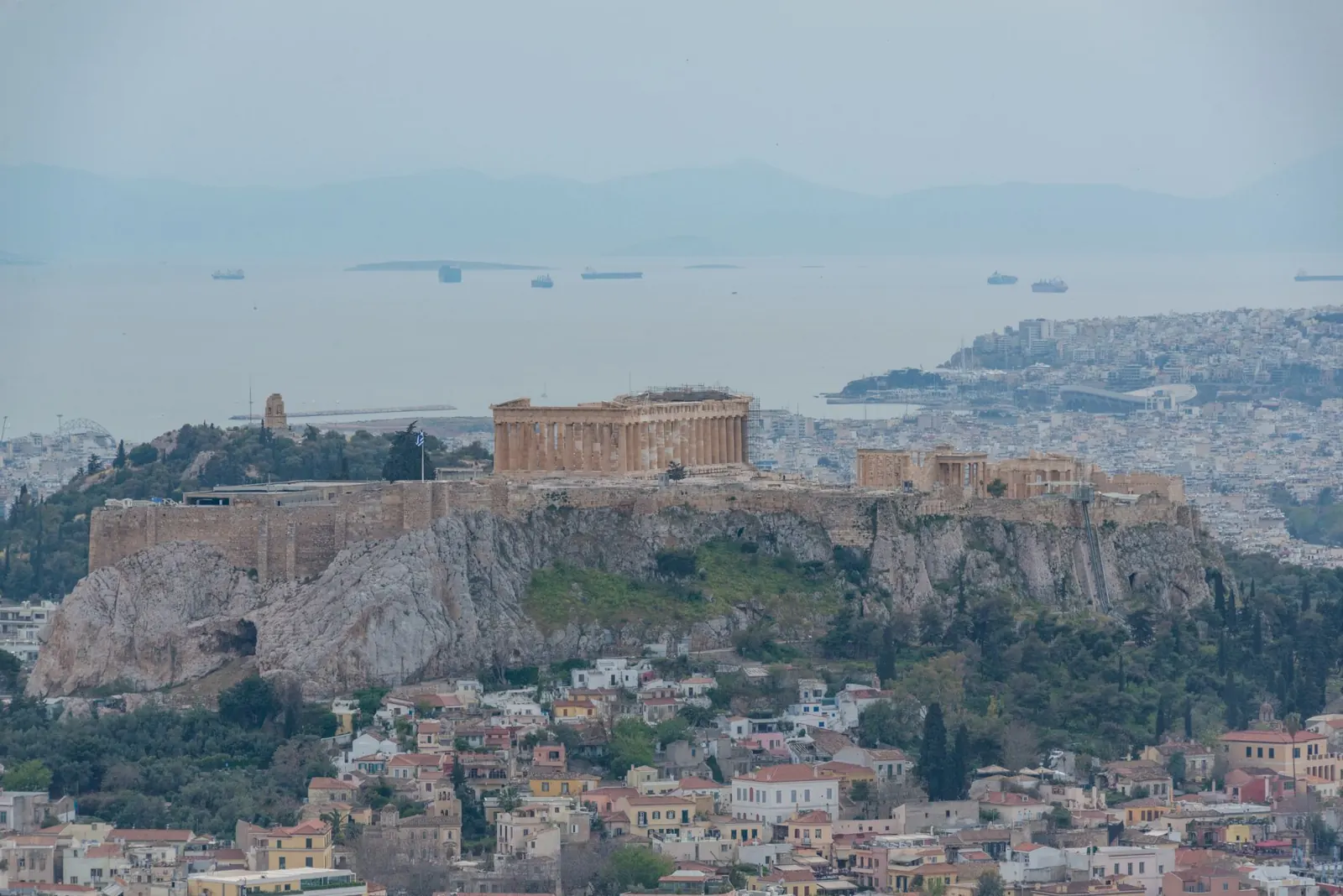
By The morning light hits the marble of the Acropolis at a sharp angle, casting long shadows across the marble steps, but the real city is waking up elsewhere. While the crowds gather at the base of the rock, the rest of the town is stretching its limbs. You can hear the clatter of shutters opening in narrow lanes, the hiss of espresso machines in corner cafés, and the distant rumble of trams along the coast. This is where the actual rhythm of the place lives. It is not just a site to see; it is a living, breathing urban fabric that has grown around those ancient ruins like ivy around an old tree.
To understand this place, you need to stop thinking of it as a single monument and start seeing it as a collection of villages stitched together by steep hills, winding streets, and modern boulevards. The heat radiating from the stone is real, but so is the shade of the plane trees and the cool breeze that rolls in from the sea in the late afternoon. Whether you are here for a long haul or a brief stop, the experience changes entirely once you step away from the main thoroughfares. This Athens travel guide will walk you through the neighbourhoods, markets, and hills that give the city its character, helping you navigate the chaos with confidence.
Athens in context: an ancient city and a modern one
The city sprawls outward from the central hills, creating a dense urban tapestry that can feel overwhelming if you approach it without a map. It is not a grid; it is a series of concentric circles and radial streets that climb up and down the terrain. The first thing to notice is how the modern infrastructure layers over the ancient history. You will see Roman foundations beneath contemporary apartment blocks and Byzantine churches tucked into corners that have remained unchanged for centuries. This layering is not just visual; it dictates how you move. The streets are narrow, often pedestrianised, and frequently uneven.
Thinking of the city as a collection of distinct villages helps make sense of the layout. Each area has its own personality, shaped by its history and the people who live there. The centre is dense and tourist-heavy, but just a few streets away, the atmosphere shifts completely. You might find a quiet square with a single fountain, or a steep alley lined with potted geraniums. This fragmentation is a blessing. It means that no matter how crowded the main sites get, there are always pockets of calm nearby.
Where you base yourself matters more than you might expect. Staying in the heart of the action puts you within walking distance of the major sites, but it also means dealing with the noise and the crowds. A location slightly further out, yet still central, offers a better balance. You get the convenience of being close to everything without the constant bustle at your doorstep. The city is compact enough that walking is often the fastest way to get around, but the hills can be steep. Plan your accommodation with this in mind. If you are sensitive to noise, avoid the main nightlife strips. If you prefer quiet mornings, look for streets that face away from the major avenues. The geography of the city is defined by its hills, and your hotel view will likely reflect that.
The Acropolis and the ancient sites without the heat
The rock dominates the skyline, but visiting it requires strategy if you want to avoid the worst of the crowds and the midday sun. The structure is exposed, with little shade, so timing is your most important tool. Early morning is the only time you can walk among the ruins in relative peace. The light is soft, perfect for photography, and the air is cool. Late afternoon offers a different experience, as the crowds thin out and the golden hour light transforms the marble into a warm glow. Avoid the middle of the day if you want to enjoy the site rather than just endure it.
A combined ticket covers the main rock and several other sites around the city. This is a practical choice because it saves you the hassle of buying individual entries and allows you to spread your visits over five days. The sites included are spread out, so you can plan a route that makes sense geographically. The Ancient Agora is a logical next stop, just a short walk from the main entrance. It was the heart of public life in ancient times, and walking through the colonnades gives you a sense of scale that the Acropolis alone cannot provide. The Temple of Hephaestus stands nearby, remarkably well-preserved, and offers a quieter moment to reflect on the history of the place.
Water and shade are your best allies. Carry a reusable bottle and refill it at the many public fountains scattered around the historic centre. The stone retains heat long into the evening, so even a short walk can feel strenuous if you are not prepared. Wear sturdy shoes with good grip; the marble steps can be slippery, especially if there has been any dust or recent cleaning. The museum below the rock is an essential part of the visit. It houses the artifacts found on the site, providing context that the ruins alone cannot. Seeing the detailed carvings up close changes your understanding of the architecture. It is a place to rest your feet and absorb the history before heading back out into the city.
Plaka, Anafiotika and Monastiraki
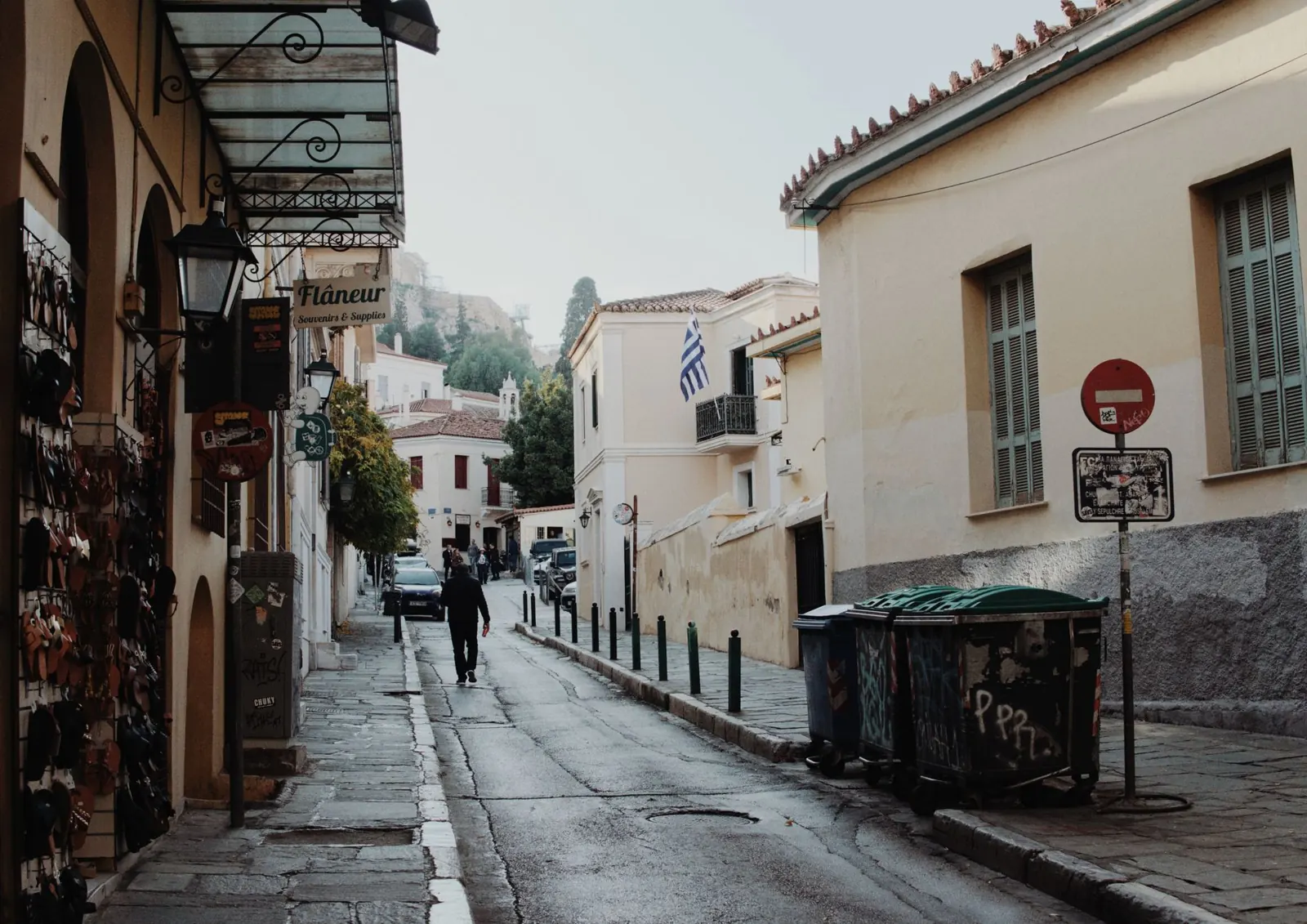
These three areas are often grouped together because they sit at the foot of the Acropolis, but they offer very different experiences. Plaka is the oldest neighbourhood, with its neoclassical houses and narrow lanes. It is beautiful, but it is also the most commercialised part of the city. You will find souvenir shops and restaurants here that cater entirely to tourists. The trick is to know which ones to avoid. Look for places where the locals are eating. If the menu is in three languages and features pictures of the food, it is likely a trap. If the tables are full of people reading newspapers or talking quietly, it is probably a good spot.
Anafiotika is a hidden gem tucked into the slope above Plaka. It feels like a small Greek island village, with whitewashed houses and blue doors built by craftsmen from the island of Anafi. The streets are steep and narrow, winding up toward the rock. It is quiet, shaded, and perfect for a short walk to escape the noise below. The view from the top is spectacular, looking down over the rooftops and up at the Parthenon. Take your time here. The architecture is delicate, and the atmosphere is serene. It is a reminder that the city has layers of history that are often overlooked.
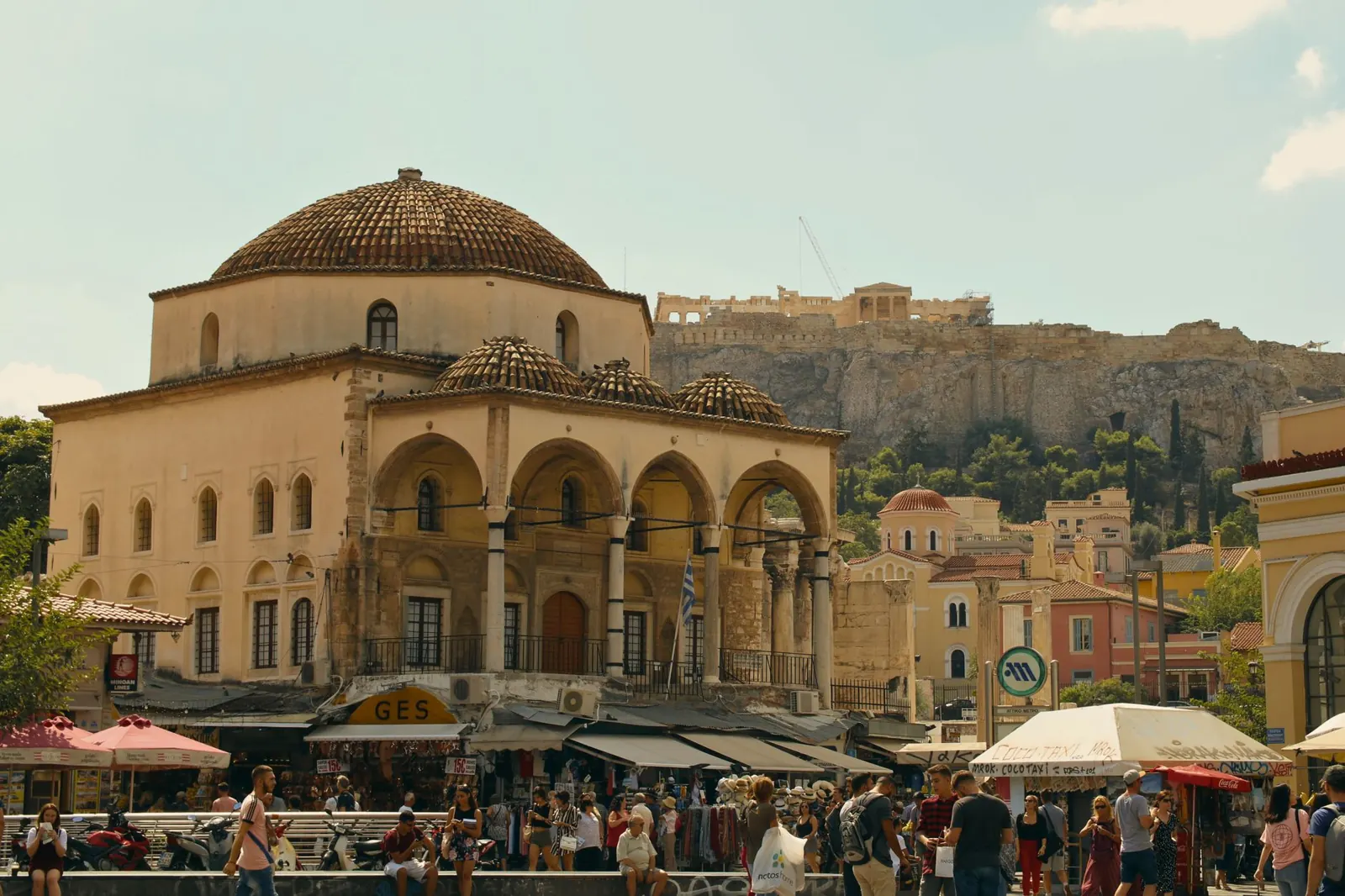
Monastiraki is the bustling square at the other end of the Plaka area. It is a hub of activity, with a flea market, metro station, and plenty of bars and restaurants. The market is a mix of vintage clothes, old books, and trinkets. It is chaotic but fun, and you can find unique items if you dig deep enough. The square itself is a meeting point, often crowded with people waiting for friends or just people-watching. The metro station is an attraction in itself, with glass floors that let you see the archaeological excavations below. It is a stark contrast to the quiet lanes of Anafiotika, showing the dual nature of this part of the city.
Hills and viewpoints: sunset in the city
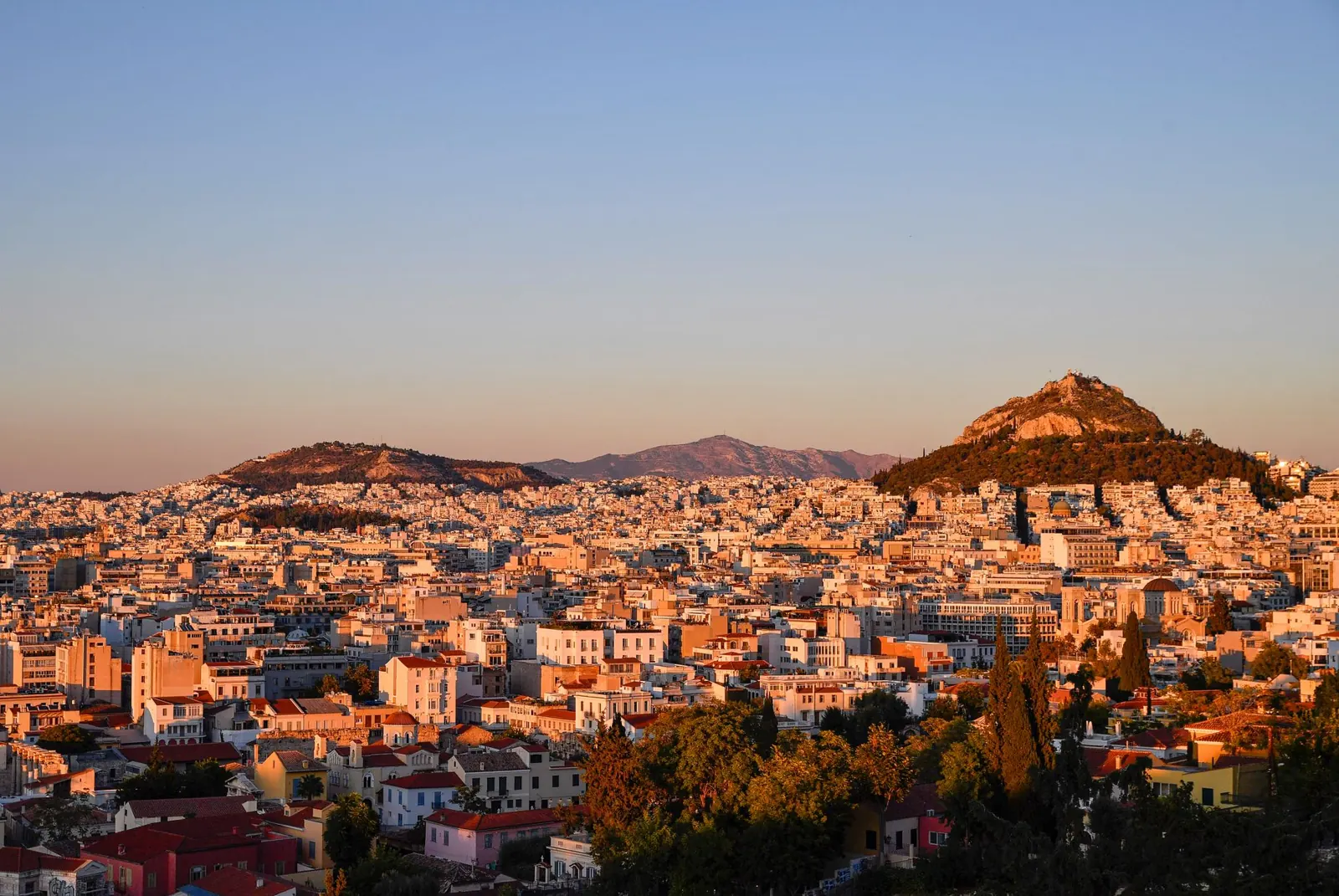
The hills around the city offer the best vantage points, and climbing them is one of the most rewarding activities you can do. The most famous is the pine-covered hill with the chapel on top. It is a popular spot for sunsets, so arrive early if you want a good spot. The climb is steep but short, and the path is well-maintained. The view from the top encompasses the entire city, the sea, and the distant mountains. It is a panoramic experience that gives you a sense of scale. The chapel is a small, white structure that stands out against the greenery. It is a peaceful place to watch the day end, even if it gets crowded.
For a quieter alternative, there is the hill with the monument overlooking the stadium. This spot is less visited and offers a different perspective. You can see the ancient stadium and the modern Olympic stadium, linking the past and present of the city. The walk up is gentle, and the path is shaded by trees for most of the way. It is a better choice if you prefer solitude over spectacle. The light here is softer, and the atmosphere is more reflective. You can sit on the rocks and watch the traffic move through the valleys below.
Another option is the hill with the statue of the nymph. This is a local favourite for evening strolls. The path is lined with cafes and small bars, making it easy to grab a drink while you wait for the sun to go down. The view is less dramatic than the others, but the vibe is more relaxed. It is a place where locals come to talk and laugh, far from the tourist rush. The streets leading up to these hills are lined with plane trees, providing shade even in the heat. The pavement can be uneven, so wear appropriate shoes. The effort of the climb is worth the reward, but choose your hill based on how much company you want.
Markets, food and the neighbourhood tavernas
The central market is a sensory overload in the best way. It is a place of meat, fish, spices, and produce, all packed into a single building. The noise is constant, with vendors calling out prices and customers haggling over the best deals. It is not a pretty place, but it is authentic. The small eateries inside serve simple, delicious food. You can get a plate of grilled fish or a stew that has been cooking since morning. The prices are reasonable, and the portions are generous. It is a place to eat like a local, not a tourist.
Street food is a major part of the culture. Koulouri, a sesame-covered bread ring, is the most common snack. It is cheap, filling, and perfect for a quick bite on the go. Souvlaki, small portions of grilled meat wrapped in pita, is another staple. It is everywhere, from street carts to sit-down restaurants. Spinach pie is a popular vegetarian option, flaky and rich. These foods are cheap and widely available. Do not overthink it. The best places are often the ones with the longest queues.
Coffee culture is deeply ingrained. You will see people sitting at tables for hours, drinking espresso or freddo coffee. It is a social ritual, not just a caffeine fix. The quality varies, but the best cafes are often found in the quieter neighbourhoods. Look for places where the owner knows the regulars by name. Tavernas are the backbone of the dining scene. They serve traditional Greek food, often with a focus on mezze. Reading the menu can be daunting if you do not speak the language, but the dishes are usually written in Greek and English. Stick to the basics: grilled meats, fresh salads, and local wine. Avoid places with picture menus and touts outside. The best tavernas are often unassuming, with simple decor and a warm atmosphere.
Beyond the centre: Koukaki, Exarchia, Psyri and Kifissia
Koukaki is a residential neighbourhood that has become a hub for young professionals and creatives. It is quiet during the day but comes alive at night with bars and restaurants. The streets are tree-lined, and the architecture is a mix of old and new. It is a good base for those who want to be central but avoid the tourist crush. The cafes here are trendy, and the food scene is diverse. You will find everything from traditional Greek to modern fusion. It is a safe, clean, and pleasant area to explore.
Exarchia is the opposite. It is gritty, political, and vibrant. The streets are covered in street art, and the atmosphere is rebellious. It is a place of protests, punk music, and alternative culture. The cafes are cheap, and the food is simple. It is not for everyone, but it is an essential part of the city’s character. The market here is different, selling fresh produce and cheap clothes. It is a place to see the real Athens, away from the polished veneer of the centre.
Psyri is a narrow street that runs between the market and the old town. It is packed with bars and clubs, but also with restaurants and cafes. It is noisy and crowded, but the energy is infectious. The street is lined with old buildings, now converted into trendy venues. It is a good place to start your evening, with plenty of options for food and drink. The vibe is casual and friendly. You can find live music, DJs, and quiet corners to talk.
Kifissia is a leafy suburb in the north, far from the centre. It is known for its upscale shopping and dining. The streets are wide, and the houses are large. It is a place for those who want a break from the city noise. The cafes are sophisticated, and the food is high-end. It is a good day trip if you want to see the wealthier side of the city. The parks are well-maintained, and the air is fresher. It is a stark contrast to the density of the centre, offering a different perspective on urban living.
Getting around Athens: metro, tram and walking
The metro is the most efficient way to get around the city. It is clean, modern, and connects all the major areas. The lines are colour-coded, making it easy to navigate. The airport link is direct and fast, taking you from the airport to the centre in under half an hour. The stations are well-signposted, and the staff are generally helpful. The system runs early and late, covering most of your needs. Buying a ticket is straightforward, and you can buy a multi-day pass if you plan to travel extensively.
The tram runs along the coast, connecting the centre to the southern beaches. It is a scenic route, with views of the sea and the city skyline. It is slower than the metro but offers a different experience. The stops are frequent, and the ride is smooth. It is a good option if you want to see the coast without driving. The trams are modern and air-conditioned, making them comfortable even in the heat.
Walking is the best way to explore the narrow streets. The city is compact, and many sights are within walking distance of each other. However, the hills can be steep, and the pavements can be uneven. Wear comfortable shoes and carry water. The heat can be intense, so plan your walks for the early morning or late afternoon. Taxis are available but can be expensive. They are useful for getting to the airport or for short trips when you are tired. Hailing a taxi on the street is common, but using a ride-hailing app can be more reliable. The traffic can be heavy, so the metro is often faster.
If you are building a wider route, Making The Most Of Flying Visits To Florence is a good example of how to see a historic city in a short stay, and The Ultimate Guide to Travelling Around Europe helps with the links between cities.
Day trips from Athens
The region around the city offers several options for day trips, each with its own character. The temple on the cape is a short drive away, perched on a cliff overlooking the sea. It is a dramatic sight, with the columns standing against the blue sky. The journey takes about an hour, and the road is winding. The site is well-preserved, and the views are spectacular. It is a good option if you want a mix of history and scenery. The island by ferry is another popular choice. The journey is long, but the destination is beautiful. The islands are known for their beaches and crystal-clear water. It is a good day trip if you want to escape the heat and swim.
The ancient oracle is located in the mountains, about two hours away. The site is remote, and the journey is scenic. The temple is impressive, and the surrounding landscape is rugged. It is a good option for those interested in history and mythology. The canal is a man-made waterway that connects the mainland to the peninsula. It is a short drive away, and the view of the bridge is iconic. It is a quick stop, but the engineering feat is impressive.
Give the rock the first early morning, keep the heat of the day for a market lunch and a museum, and end on a hill at sunset. That one rhythm is enough to make Athens feel like a place you understand rather than a list of ruins.
Official sources and further reading
Opening times, entry rules and prices change, so check them on the official sites before you travel:
- Visit Europe: The European Travel Commission's guide to destinations in Europe.
- Your Europe: travel: EU rules on travel, passports, healthcare and passenger rights.
- GOV.UK: foreign travel advice: Entry rules, safety and health notices for every country, kept up to date by the UK government.