By
By 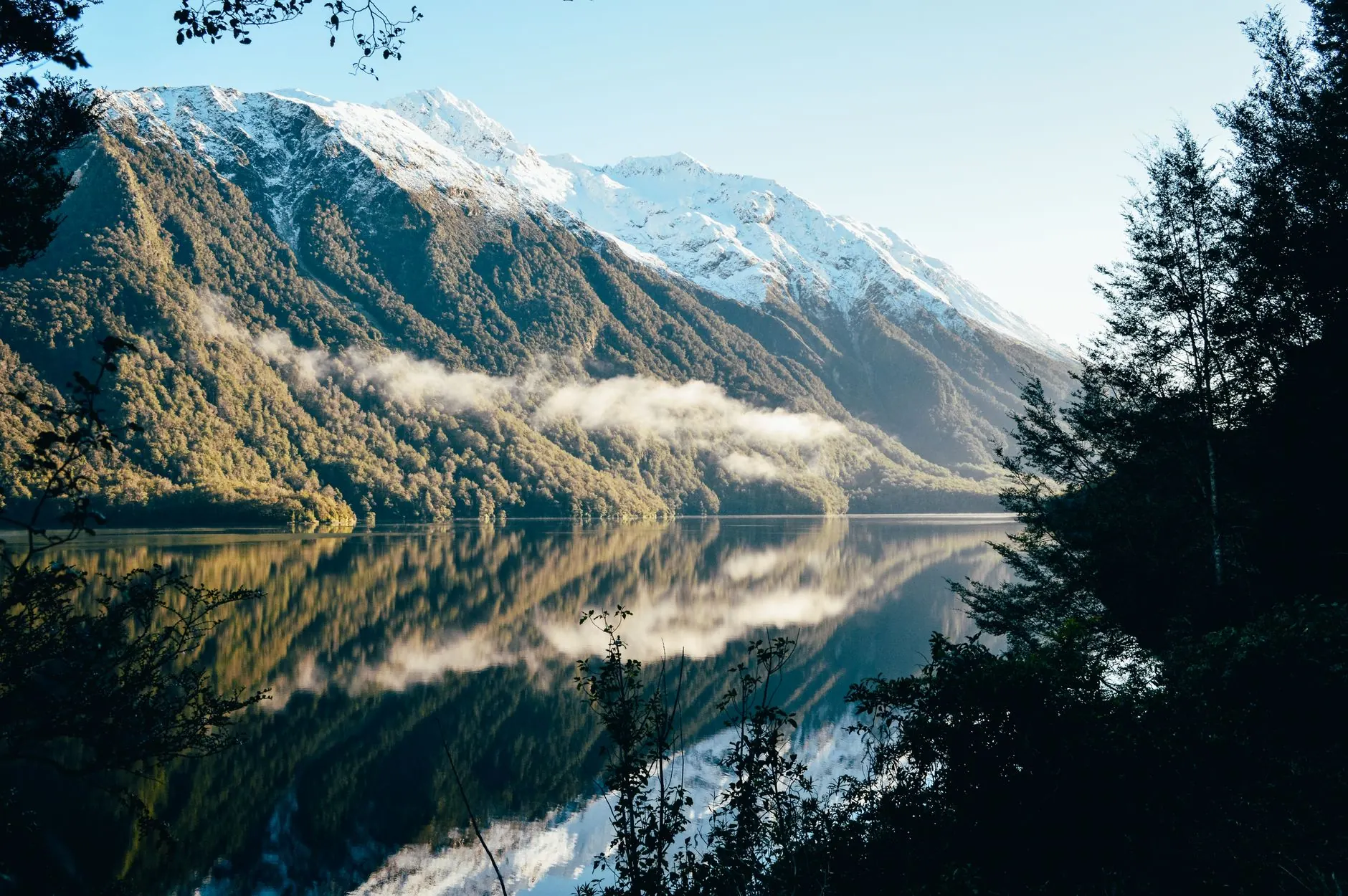
You are standing on a viewing platform at Milford Sound, surrounded by hundreds of other tourists, all trying to get the same photograph of Mitre Peak. The buses have just arrived, and the noise of the tour groups drowns out the sound of the waterfalls. It is a spectacular sight, but it feels more like a theme park than a wild, ancient landscape.
This is the reality of New Zealand’s most famous destinations during peak season. While the North Island draws the bulk of international visitors to Auckland, Rotorua, and the Bay of Islands, the South Island offers a different kind of escape. It is wilder, slower, and far less polished. If you are willing to drive a little further or wake up a bit earlier, you can trade the queue for the trail and the crowd for the cloud.
The South Island is not just about the highlights; it is about the spaces in between. For travellers seeking authenticity, the region offers a raw, rugged beauty that feels untouched by mass tourism. By shifting your focus from the obvious landmarks to the quieter alternatives, you will find a travel experience that is more intimate, more affordable, and infinitely more memorable. Here is how to find the best kept secrets South Island New Zealand has to offer, without sacrificing comfort or convenience.
Why Choose the South Island for Hidden Gems
The South Island is geographically distinct from its northern neighbour. It is defined by the Southern Alps, which run like a spine down the centre of the island, creating a rain shadow that results in stark, dry plains in the east and lush, temperate rainforests in the west. This dramatic geography means that the landscape changes every few kilometres, offering a variety of environments that keep long drives engaging rather than monotonous.
Unlike the North Island, which has a more developed urban infrastructure and a higher concentration of international resorts, the South Island retains a village-like atmosphere in many of its towns. The pace of life is slower. The roads are wider, the skies are darker, and the silence is deeper. This makes it the ideal base for travellers who want to disconnect from the digital noise and reconnect with nature.
The region also offers a wider range of climates and ecosystems. You can ski in the morning and kayak in the afternoon, often within the same day. The isolation of many areas means that light pollution is minimal, making it one of the best places in the world for stargazing. While the North Island is fantastic for cultural experiences and volcanic landscapes, the South Island is superior for pure, unadulterated scenery. It is the place to go when you want to feel small in the best possible way.
Hokitika: The West Coast’s Cool Little Town
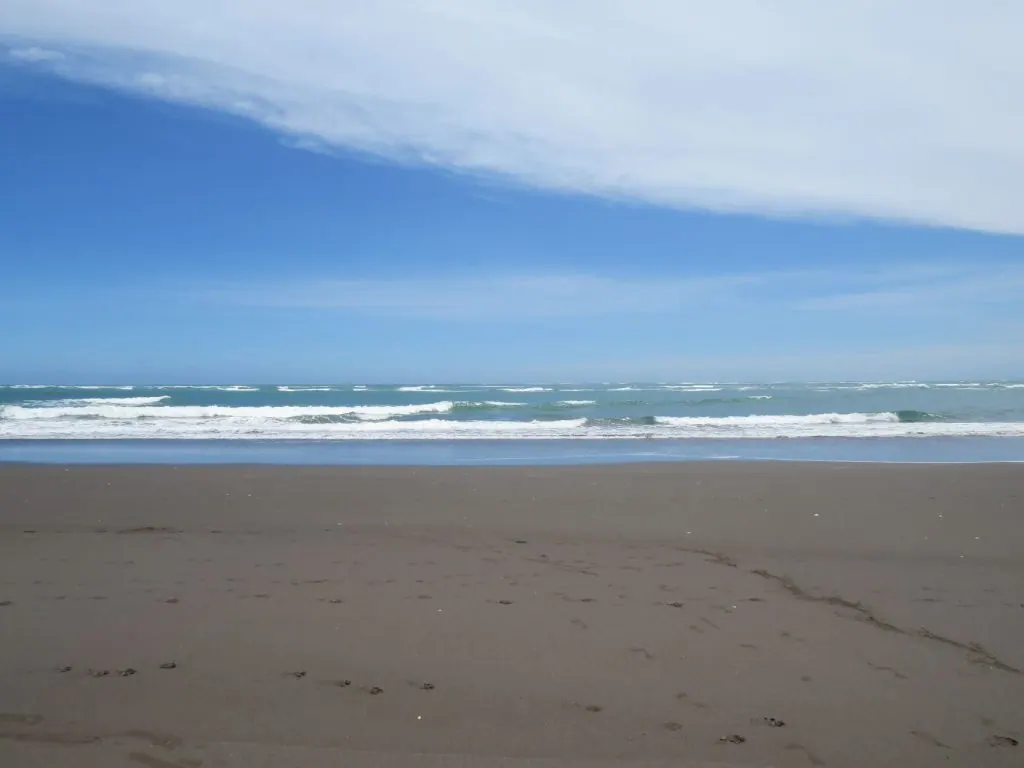
Hokitika is often overlooked by tourists rushing to Franz Josef or Fox Glacier, but it is the cultural heart of the West Coast. With a population of just over three thousand, it feels like a community rather than a tourist hub. The town sits on the Tasman Sea, where massive waves crash against the shore, creating a dramatic backdrop for a leisurely stroll.
The history of Hokitika is tied to the gold rush of the late nineteenth century and the precious pounamu (greenstone) that local Māori have harvested for generations. You can walk the Pounamu Trails to learn about this heritage and see local artisans carving the stone into jewellery. The town’s main street is lined with independent galleries, antique shops, and cafes, offering a vibrant arts scene that feels authentic rather than curated for tourists.
Hokitika Beach is a wide, sandy stretch that is perfect for long walks, especially at low tide. The water is cold, but the views of the Southern Alps across the water are striking. From Hokitika, you are perfectly positioned to explore the surrounding area. You can take day trips to Punakaiki to see the Pancake Rocks, or head north to the glaciers. The town serves as an excellent base because it is quieter than the glacier towns but still offers good amenities. The food scene is strong, with fresh seafood and local produce readily available. It is a place to slow down, drink good coffee, and let the West Coast’s rugged charm sink in.
Franz Josef and Fox Glaciers: Ice in the Rainforest
Few places on earth offer the surreal contrast of glaciers descending directly into temperate rainforest. The Franz Josef and Fox Glaciers are two of the most accessible glaciers in the world, but they require a bit of strategy to enjoy without the crowds. These ice rivers flow from the Southern Alps down to sea level, creating a unique ecosystem where trees grow just metres away from the ice.
For those who want to walk on the ice, heli-hiking is the most popular option. A helicopter drops you on the glacier for a guided walk, allowing you to explore crevasses and ice caves that are inaccessible on foot. This is a great way to experience the scale of the ice without the physical demand of a long trek. However, it can be expensive and weather-dependent. If the weather is poor, the helicopters may not fly, so it is wise to have a flexible schedule.
For those who prefer to keep their feet on the ground, the valley walks are outstanding. The Franz Josef Glacier Valley Track is a moderate hike that takes you through lush fern forests and up to the terminal face of the glacier. The Fox Glacier Valley Track is similarly beautiful but often less crowded. Both tracks are well-maintained and suitable for most fitness levels, though the terrain can be muddy and slippery. The sound of the ice cracking and the sight of the emerald-green water are unforgettable.
One thing to note is that the glaciers are retreating due to climate change, so the view changes every year. The access roads can be prone to landslides during heavy rain, so check conditions before you set out. Despite these challenges, the experience of standing in a rainforest with a glacier looming above you is worth the effort.
Wanaka vs. Queenstown: Finding Peace Away from the Crowds
Queenstown is rightly famous as the adventure capital of the world. It is a place of adrenaline, with bungee jumping, skydiving, and jet boating drawing crowds from across the globe. If you want to feel the buzz of a busy tourist town, Queenstown is the place to be. But if you prefer a more relaxed vibe, Wanaka is the better choice. Located just an hour and a half drive away, Wanaka has a similar landscape but a much slower pace.
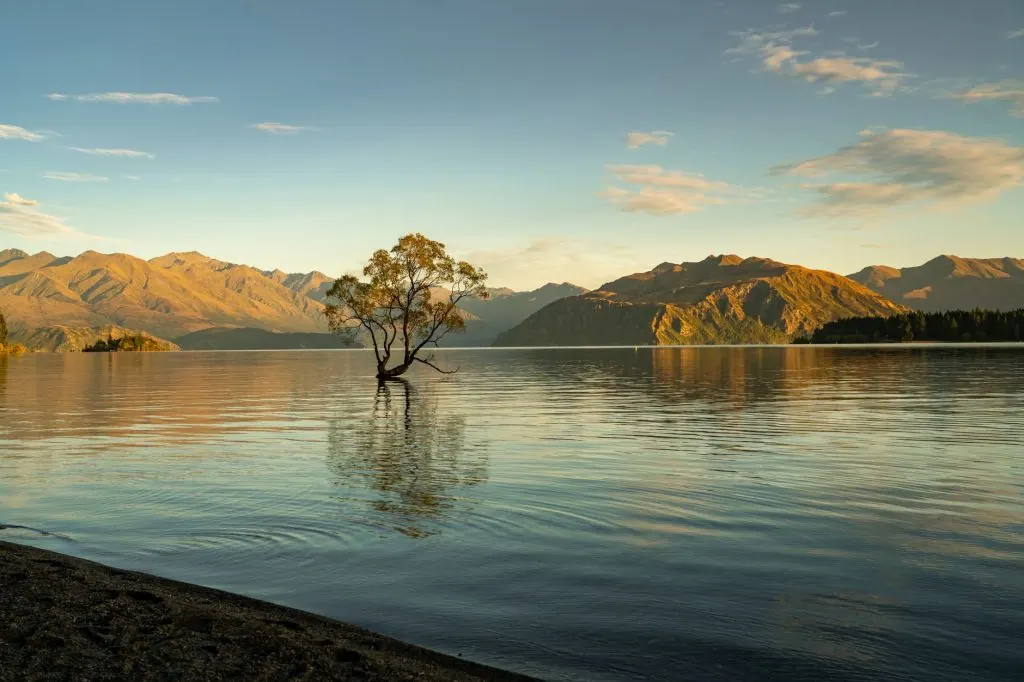
Wanaka is built around a lake and surrounded by mountains, offering year-round outdoor activities. You can hike, kayak, climb, or ski without the intense commercialization of Queenstown. The town itself is charming, with a high street full of independent boutiques and cafes. The iconic Wanaka Tree, standing alone in the lake, is a popular photo spot, but if you go early in the morning or late in the evening, you can enjoy it without the queues.
For skiing, Cardrona Alpine Resort is a great alternative to the larger, busier fields near Queenstown. It has a friendly atmosphere and excellent terrain for intermediate skiers. The lakeside trails around Wanaka are perfect for a gentle walk or bike ride, offering stunning views of the peaks without the crowds. If you are looking for a quieter, more authentic experience, Wanaka is the way to go. You can still enjoy all the activities that Queenstown is known for, but with more space and less noise.
Milford Sound Beyond the Tourist Boats
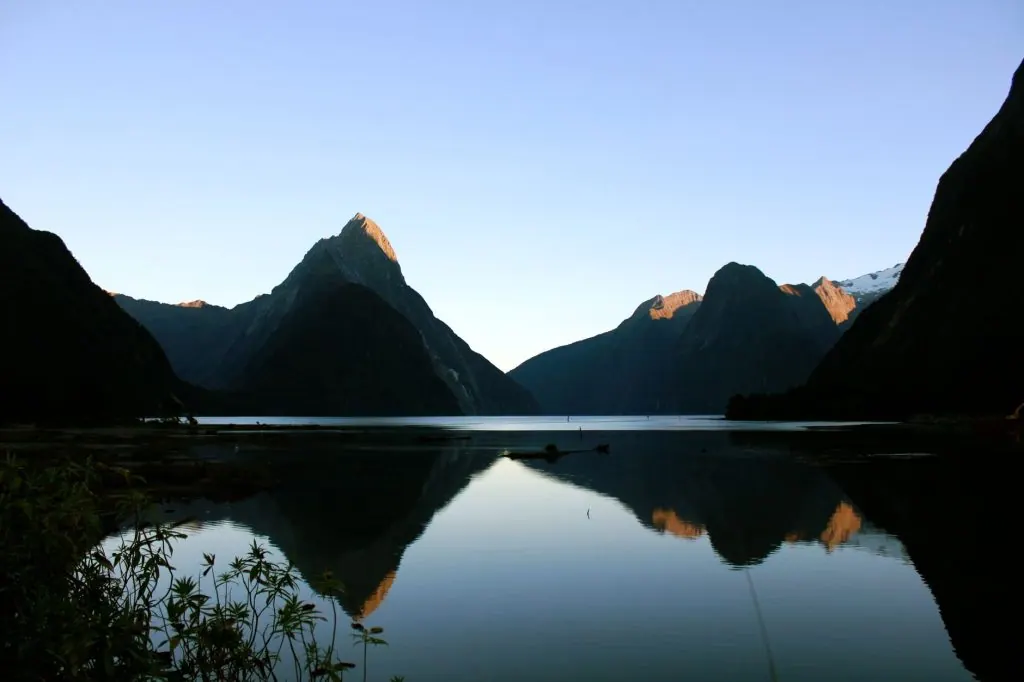
Milford Sound, or Piopiotahi, is New Zealand’s most famous fjord. It is also one of the most crowded. The main harbour is filled with large cruise ships and tour boats, making it difficult to find a quiet spot. However, there are ways to experience Milford Sound like a local.
The best strategy is to avoid the peak hours. Take the early morning ferry, which departs before the large cruise ships arrive. The water is calm, and the light is beautiful for photography. If you want to get away from the boats altogether, consider kayaking. You can rent a kayak and paddle around the fjord, getting close to the waterfalls and cliffs without the noise of engines. This is a peaceful way to see the black coral and rare marine life that thrive in the fjord.
Another option is to hike the first leg of the Milford Track. This is a multi-day hike, but you can do a day walk along the track’s initial section. The views from the track are spectacular, and you will see very few other people compared to the main viewing areas. If you have more time, booking a spot on the full Milford Track is a once-in-a-lifetime experience. The track takes you through pristine rainforest, over mountain passes, and alongside alpine lakes.
It is important to book your transport and accommodation in advance, especially during the summer months. The roads to Milford Sound are narrow and winding, and the drive itself is part of the experience. If you are not confident driving in mountain conditions, consider taking a guided tour or using the local bus network. The key to enjoying Milford Sound is to arrive early, stay late, and venture away from the main harbour.
Aoraki Mount Cook: Trekking New Zealand’s Roof
Aoraki Mount Cook National Park is home to New Zealand’s highest peak and the largest glacier in the country. It is a hiker’s paradise, with trails that range from easy walks to challenging alpine ascents. The park is named after the Maori legend of Aoraki, who was turned to stone after a canoe accident, forming the mountain and his three brothers.
The most popular walk is the Hooker Valley Track. It is a flat, easy walk that takes you through beech forests and across suspension bridges to a lake with views of Aoraki. The track is well-maintained and suitable for families and casual walkers. It is also a great place to see the reflection of the mountain in the water, especially on a calm morning.
For those who want a more challenging hike, the Tasman Glacier viewpoint is a must. The track is steeper and longer, but the views of the glacier’s terminal face are impressive. You can also take a guided walk on the Tasman Glacier itself, which gives you a chance to walk on the ice and learn about its formation. If you are an experienced hiker, you might consider the Mt Cook Summit Track, but this requires good fitness and experience with alpine terrain.
The best time to visit is during the summer months, when the weather is more stable and the trails are clear. However, even in winter, the park is beautiful, with snow-covered peaks and fewer visitors. Keep in mind that the weather can change quickly, so always check the forecast and bring warm layers. The mountain is often shrouded in cloud, so patience is key if you want to see the peak clearly.
Where to Base Yourself for a Secret-Finding Itinerary
To make the most of the South Island, you need to choose your bases wisely. The island is long, and driving times can be significant. A good rule of thumb is to base yourself in towns that are central to the attractions you want to visit, rather than moving every night.
For the east side, Wanaka is an excellent base. It is close to Mt Cook, Lake Tekapo, and the Mackenzie Basin, making it easy to explore the region without long drives. The town has good accommodation options and a relaxed atmosphere. For the west side, Hokitika or Franz Josef are better choices than Fox Glacier, as they offer more amenities and are less crowded.
If you are doing a circular trip, consider starting in Christchurch, driving north to the Marlborough Sounds, then down to Wellington. This allows you to see both islands without backtracking. If you are focusing only on the South Island, a loop starting and ending in Christchurch is efficient. Drive north to Kaikoura, then south to Picton, and take the scenic route through the Arthur’s Pass region to reach Hokitika. From there, head east to Wanaka and Queenstown, before driving back to Christchurch via Lake Tekapo.
This itinerary balances convenience with proximity to nature. It minimizes driving on narrow roads and maximizes time spent at the attractions. Remember to book your accommodation in advance, especially in Wanaka and Queenstown, as these towns fill up quickly during peak season.
Practical Tips: Costs, Transport, and Common Mistakes
Traveling in New Zealand can be expensive, but there are ways to manage costs. Renting a campervan is a popular option, but it can be pricey during the summer. If you are on a budget, consider renting a car and staying in holiday parks or motels. Domestic flights are convenient but costly, so weigh the time saved against the money spent.
Booking accommodations in advance is crucial, especially if you are travelling during the summer months (December to February). Prices can double or triple for popular destinations like Queenstown and Wanaka. If you are flexible with your dates, travelling midweek can be noticeably cheaper.
Weather in the South Island is unpredictable. Even in summer, you can experience four seasons in a day. Pack layers and waterproof gear, even if the forecast looks good. The wind can be strong, so secure your luggage and be prepared for delays.
One common mistake is underestimating driving times. New Zealand roads are not always fast, and many are single-lane with frequent bends. Always allow extra time for stops and photos. Another mistake is not checking road conditions, especially in winter when snow and ice can close passes like Arthur’s Pass.
If you are driving yourself, be aware of the unique driving rules, such as giving way to slower vehicles on hills. Also, consider 3 Less Known Sports on the Island of Gran Canaria if you want to mix up your activities, though New Zealand offers plenty of local sports like rugby and netball to watch.
Food and Drink: Local Flavors to Seek Out
The South Island has a growing reputation for its food and drink scene. The region is known for its fresh seafood, particularly oysters from the Hokitika area. These are some of the best in the world, and visiting an oyster farm is a must-do activity. The water is clean and cold, resulting in sweet, firm oysters that are best enjoyed raw.
Wine is another highlight. The Marlborough region, just north of the South Island, is famous for its Sauvignon Blanc. Many vineyards offer tastings and tours, and the views of the vineyards against the hills are beautiful. Further south, the Central Otago region is known for its Pinot Noir, which benefits from the cool climate and long growing season.
For those who prefer craft beer, the South Island has a vibrant brewing scene. Towns like Queenstown and Wanaka have numerous microbreweries, and many cafes serve local beers. Artisan cheeses are also widely available, with many small producers offering tastings. Look for local markets in towns like Hokitika and Wanaka, where you can find fresh produce, baked goods, and handmade crafts.
Dining in the South Island is often about fresh, simple ingredients. Fish and chips are a staple, and many restaurants source their seafood locally. If you are staying in a campervan, consider cooking your own meals to save money, but do not miss the opportunity to try the local specialties. The food scene is diverse, reflecting the region’s multicultural population, with good options for vegetarians and vegans as well.
The key to a great food experience is to support local businesses. Eat at family-run cafes, buy from farmers’ markets, and try the seasonal produce. The South Island’s culinary scene is a reflection of its landscape, with fresh, honest flavours that complement the natural beauty of the region.
Official sources and further reading
Opening times, entry rules and prices change, so check them on the official sites before you travel:
- 100% Pure New Zealand: Tourism New Zealand's official site.