 By
By 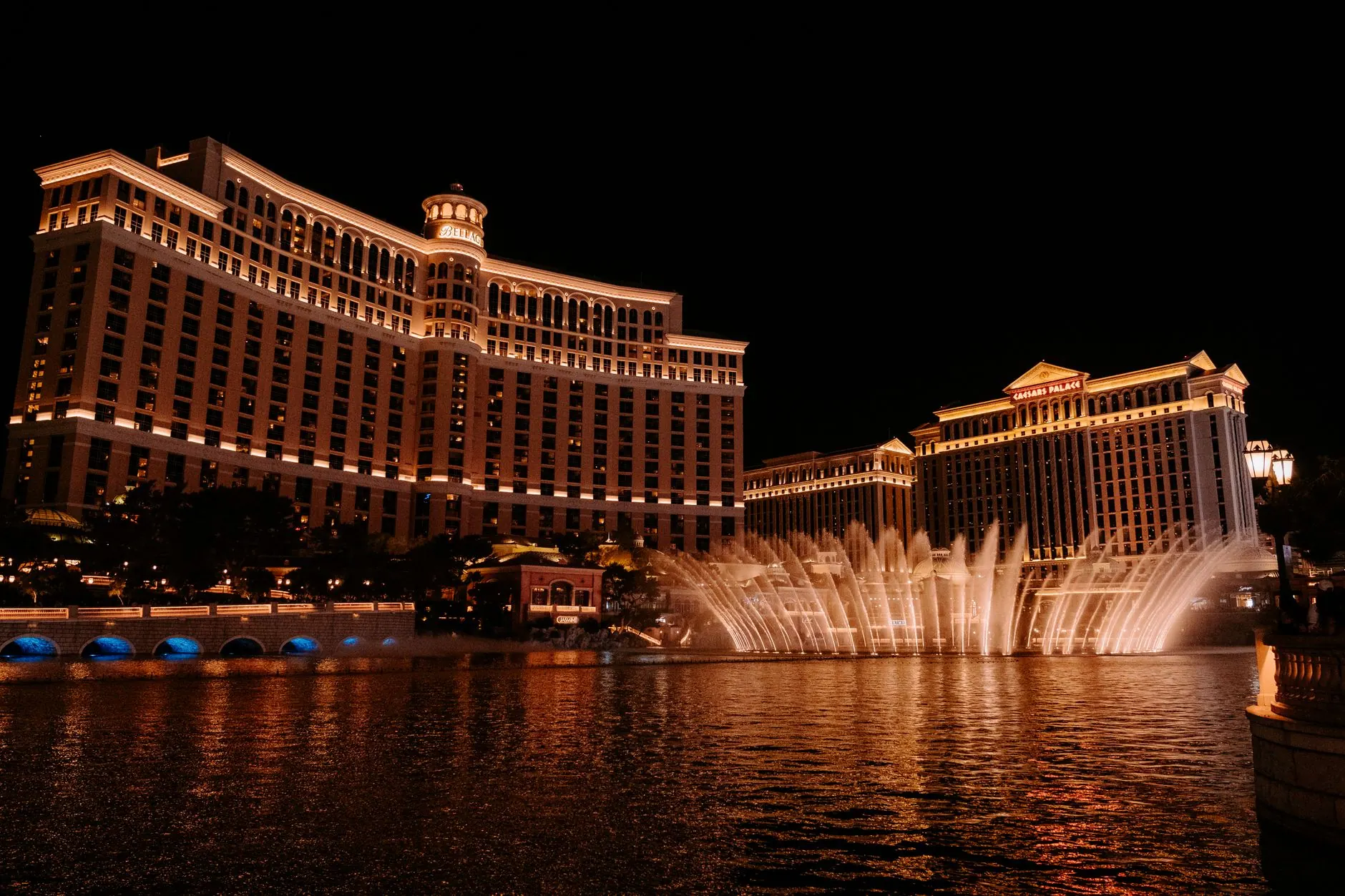
The airport terminal looks like any other, until you step outside and realise the air is dry and heavy, and the city sprawls further than you imagined. You have just arrived in Las Vegas, and your first instinct might be to hail the nearest taxi or head straight to the grandest lobby to book a room. That is where the budget begins to slip away. The city is designed to spend money, but it is not designed to take it all unless you let it.
Visiting Las Vegas on a budget is entirely possible if you understand how the local economy works. It is not about cutting corners on comfort; it is about knowing where the hidden costs hide and where the value actually lives. This guide strips away the glamour to show you the mechanics of a cheap Las Vegas trip. You will learn how to navigate the resort fees, choose the right time to go, and eat well without paying premium prices. These are Las Vegas travel tips that come from understanding the rhythm of the city, not just reading a brochure.
Why Las Vegas costs more than people expect
The initial price tag on a flight or a hotel room is often just the entry fee. The real cost of a trip to this city accumulates in the small print and the daily add-ons. Understanding where the money actually goes helps you protect your wallet before you even book.
Flights and accommodation form the base, but the daily overheads can double your spend. The most significant hidden cost is the resort fee. This is a daily charge added to your room rate, regardless of whether you use the pool, the gym, or the Wi-Fi. It is a standard practice in the industry, but it catches many travellers off guard because it is rarely included in the search results. You might see a room advertised at a low rate, only to find the total is significantly higher once that daily fee is applied.
Food and drink are another major drain. Restaurants on the Strip charge a premium for location and atmosphere. If you eat three meals a day in the main casino areas, your food bill will rise sharply. Alcohol, in particular, is marked up heavily in bars and nightclubs. Even water can feel like a luxury if you are buying it from vending machines or poolside stands instead of a convenience store.
Entertainment costs vary wildly. A standard show ticket can be expensive, and gambling is often treated as an expense rather than an investment. You also need to factor in taxes. The local taxes on hotel rooms and services are higher than in many other US cities, adding another layer of cost on top of the room rate.
Then there is the cost of convenience. Taxis and ride-hailing services charge surge prices during peak hours. If you move around the city frequently, these fares add up quickly. Unexpected Holiday Expenses often stem from these small, frequent purchases that seem insignificant in the moment but accumulate over a week.
To keep costs down, you must look at the total cost of ownership for your trip. Compare the base price with the final price. Check if the resort fee is mandatory. Consider whether you really need to eat at the venue or if you can walk ten minutes to a cheaper option. Awareness is the first step to saving money in Vegas.
Visit out of season
Timing is the single most effective lever you can pull to reduce the cost of your trip. Las Vegas operates on a different seasonal rhythm than most tourist destinations. While the rest of the world rushes to beaches in summer, Vegas slows down.
The peak season in Vegas is typically during the cooler months, from late autumn through early spring. This is when the weather is pleasant for walking, and major conventions and sporting events draw huge crowds. Hotels are fully booked, and prices are at their highest. If you visit during this time, you are paying for the comfort of mild weather and the energy of a bustling city.
The off-season, often referred to as the Las Vegas off-season, runs from the end of June through to early September, with December also seeing a dip. During these months, the desert heat becomes intense. Temperatures can soar well above what is comfortable for outdoor activities. However, this heat is exactly why prices drop. Demand falls, and hotels lower their rates to attract visitors.
Staying in the off-season means you will save a significant amount on accommodation. It is not uncommon for prices to drop by half or more compared to peak months. You can also find better deals on flights and rental cars. The trade-off is the weather. You will spend more time indoors or near pools. But modern hotels are fully air-conditioned, and the indoor attractions are world-class.
Day of the week also matters significantly. Weekends, particularly Friday and Saturday nights, are the most expensive. This is when locals and party-goers fill the city. Midweek stays, from Sunday to Thursday, are noticeably cheaper. Hotels often offer lower rates to fill rooms during these quieter days. If your schedule allows, shifting your trip by a few days can result in substantial savings.
Consider the pros and cons of each season. If you dislike extreme heat, the off-season might be challenging. But if your priority is a cheap Las Vegas trip, the summer months offer the best value. You can enjoy the pools, the indoor shows, and the air-conditioned malls without the crushing crowds and premium prices. Planning your trip for the off-season is one of the most effective Las Vegas travel tips you can follow.

Fly smart and arrive cheap
Getting to Vegas does not have to break the bank if you approach it with flexibility. The cost of transport is often the first major expense, and it is the one you can control most easily.
Direct flights are convenient, but they are rarely the cheapest option. If you have flexibility with your dates, searching for flights across a range of days can reveal significant savings. Midweek flights are often cheaper than weekend flights. You should also consider nearby airports. While Las Vegas has a major airport, there are smaller regional airports within a few hours' drive that sometimes offer cheaper fares. You can weigh the cost of the flight against the cost of a rental car or bus to see which option is truly cheaper.
If flying is too expensive, consider driving. For travellers within a reasonable distance, a road trip can be a cost-effective alternative. You save on airfare and can bring your own food and supplies. However, factor in fuel, tolls, and potential wear and tear on your vehicle. If you are driving from a distant location, compare the total cost of driving versus flying for the entire group.
Once you arrive, ground transport is another area where costs can spiral. Taxis are convenient but expensive, especially for short distances. Ride-hailing services can have surge pricing during busy times. The airport is well-connected, but the prices for pre-booked transfers can be high.
If you are staying on the Strip or nearby, you might not need a car at all. Walking is free, and the local bus network is affordable. However, if you plan to explore outside the main area, a rental car might be necessary. Book your rental car in advance, not on arrival. Last-minute rentals are often more expensive.
Another option is to take a bus from nearby cities. It is not the most glamorous way to travel, but it is often the cheapest. If you are travelling from a nearby state, a bus ticket can be a fraction of the cost of a flight. It may take longer, but if budget is your primary concern, it is a viable option.
Be mindful of baggage fees. Many airlines now charge extra for checked bags and even for carry-ons on basic fares. Factor these into your total flight cost. Compare the total price of different airlines, including all fees, before booking. Sometimes a slightly higher base fare with free bags is cheaper than a low base fare with multiple add-ons.
Hotel booking without the sting
Accommodation is usually the largest part of your budget, and it is also the area with the most hidden costs. Booking a hotel in Las Vegas requires a strategic approach to avoid overpaying.
The first thing to understand is the resort fee. As mentioned earlier, this is a daily charge added to your room rate. It is mandatory and covers amenities like Wi-Fi, gym access, and pool use. When comparing hotels, always look at the total price including the resort fee. A hotel with a lower base rate but a high resort fee might end up costing more than a hotel with a higher base rate but no fee.
Location also affects price. Rooms on the Strip are generally more expensive than those off-Strip or in downtown Las Vegas. The Strip offers easy access to major attractions and nightlife, but you pay a premium for the view and the location. Off-Strip hotels are often quieter, cleaner, and cheaper. They are still within walking distance or a short bus ride from the main action. Downtown offers a different vibe, with older, historic hotels that are often more affordable.
Booking strategy matters. Use price-comparison sites to find the best rates, but always check the hotel’s own website. Sometimes hotels offer better deals, free upgrades, or waived fees if you book directly. Loyalty programmes can also provide significant benefits. If you stay at the same chain frequently, you might earn points that can be redeemed for free nights or room upgrades. Even if you are not a loyalist, signing up for a free loyalty programme can sometimes get you access to member-only prices.
Timing your booking is crucial. Booking too early can mean you miss out on last-minute deals, while booking too late can mean higher prices and limited availability. A good rule of thumb is to book a few weeks in advance, but keep an eye on prices until a week before your trip. If you see a drop in price after you book, some hotels will honour the lower rate if you contact them.
Consider the type of room you need. A standard room is often sufficient for most travellers. Upgrading to a suite or a room with a specific view can cost a small fortune. Unless the view is a major part of your experience, stick to the basics. Also, check if breakfast is included. Hotel breakfasts can be expensive, so a room with a kitchenette or near a grocery store might be a better value.
Finally, read the cancellation policy. Flexible rates are often slightly more expensive but give you the freedom to rebook if prices drop. Rigid rates are cheaper but lock you in. Choose based on your risk tolerance and the likelihood of prices changing.
Getting around without taxis
Las Vegas is vast, and the distances between attractions can be deceptive. The city is designed for cars, and walking can be exhausting, especially in the heat. However, you do not need to rely on expensive taxis to get around.
The monorail is a useful tool for moving along the eastern side of the Strip. It connects several major hotels and the Convention Center. It is faster than driving during peak traffic hours and avoids the stress of parking. However, it only covers a limited area. If your destination is on the western end of the Strip or off-Strip, the monorail will not help you.
The local bus network is the most affordable way to get around. Buses run frequently and cover most of the city, including the Strip, downtown, and the airport. They are clean, safe, and cost a fraction of a taxi fare. If you are comfortable navigating a bus system, this is the best way to save money on transport. You can buy a multi-day pass if you plan to use the bus extensively.
Ride-hailing apps are convenient but can be pricey, especially during surge pricing. If you must use them, wait for off-peak times or share the ride with others to split the cost. Avoid hailing a taxi from the hotel curb if you can help it; they often charge a premium for hotel pickups.
Walking is free and a great way to see the city. However, be realistic about your walking distance. The Strip is longer than it looks. Walking from one end to the other can take over an hour and cover several miles. Plan your walks strategically. Park your accommodation near your main activities to minimise walking.
For trips to downtown Las Vegas, the Downtown Loop is a free shuttle service that connects major attractions. It is a convenient and cheap way to explore the historic district. If you are staying downtown, this is an essential tool.
If you rent a car, factor in parking fees. Many hotels charge for self-parking and valet parking. These fees add up over a week. If you are only using the car for day trips, consider renting it for just those days rather than the entire stay.
Public transport requires some planning. Check the schedules in advance, as buses may run less frequently late at night. But for daytime travel, it is a reliable and budget-friendly option. By combining walking, buses, and occasional ride-hailing, you can navigate the city without spending a fortune on transport.
Eating well for less
Food in Las Vegas can be a luxury or a necessity, depending on where you choose to eat. The city is home to some of the world’s best restaurants, but it is also full of affordable options if you know where to look.
Buffets are often marketed as a good deal because you pay a fixed price for unlimited food. However, they are not always the best value. You might end up paying more for less quality, or you might not be able to finish enough to justify the cost. If you do choose a buffet, go for lunch, which is usually cheaper than dinner. Look for buffets that offer live cooking stations with fresh ingredients, as these tend to be higher quality.
Counter service restaurants and food courts are often overlooked but offer excellent value. Many high-end chefs have counter-service outlets that serve smaller portions at lower prices. You get the same quality of food without the table service markup. This is a great option for a quick, affordable meal.
Happy hours are a staple of the Vegas dining scene. Many restaurants offer discounted appetisers, drinks, and even full meals during specific hours. This is an excellent way to try high-end food at a fraction of the cost. Plan your dinner around happy hour times to save money.
Lunch specials are another smart strategy. Many restaurants offer smaller portions at lower prices during the lunch hour. If you are not a heavy eater, having a substantial lunch and a lighter dinner can help you stay within budget.
Grocery shopping is a practical way to top up your diet. Buy water, snacks, and breakfast items from a convenience store or supermarket. Having water with you at all times is crucial in the dry heat and avoids buying expensive bottled water. Many hotels provide free water bottles or refill stations, so bring your own container.
Portion sizes in Las Vegas are often large. Share a main course or order an appetiser as a meal. This can help you control your spending and reduce food waste. Also, be mindful of alcohol with meals. A glass of wine or a cocktail can double the cost of your meal. Stick to water or non-alcoholic drinks to keep the bill down.
Street food and food trucks are emerging as popular options. They offer diverse cuisines at lower prices than sit-down restaurants. Explore the areas around the Strip and downtown for hidden culinary gems.

Free and low-cost things to do
You do not need to spend money to enjoy Las Vegas. The city is filled with free attractions and low-cost activities that provide the most memorable experiences.
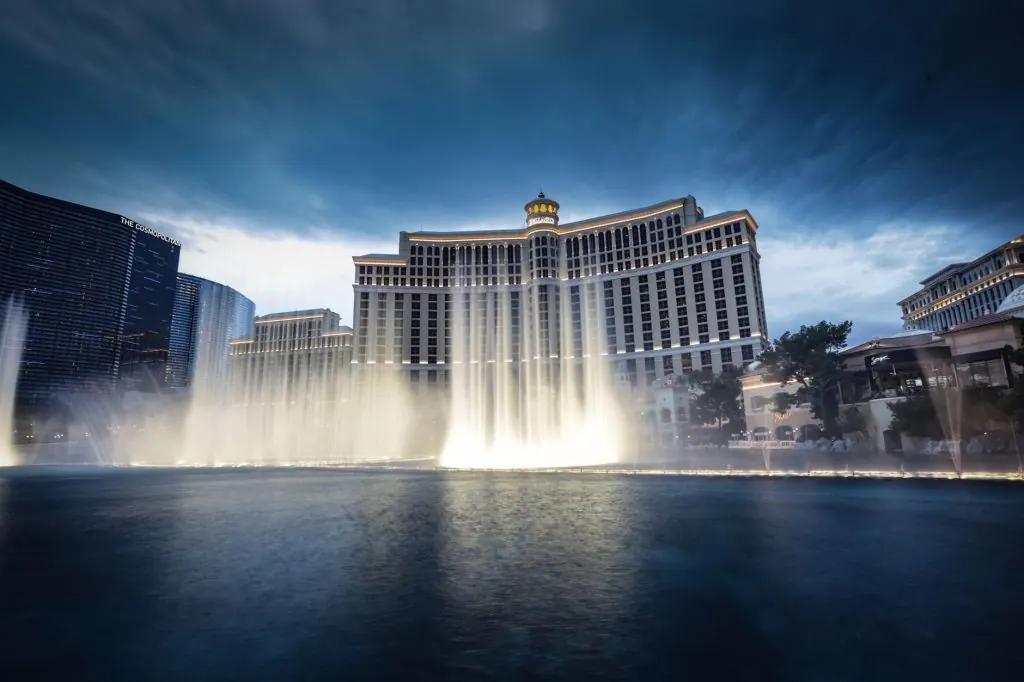
The Bellagio Fountains are the most iconic free show. They run every few minutes in the afternoon and every few minutes in the evening. It is a spectacle of water, light, and music that draws huge crowds. Arrive early to get a good viewing spot, especially on weekends. Other hotels have similar fountain displays, such as the Mirage and the Wynn, but the Bellagio is the most famous.
Hotel lobbies and gardens are architectural marvels. The Venetian has a grand canal with gondoliers. The Bellagio has a stunning conservatory and botanical garden that changes with the seasons. The Cosmopolitan has a vibrant atmosphere with free live music. Walking through these spaces is free and offers a break from the noise of the casino floor.
Street shows are another free entertainment option. Performers gather in designated areas, offering magic, acrobatics, and musical acts. The area around the Bellagio and the Paris hotel is known for its street performers. You can watch for free and tip if you enjoy the show.
Outdoor activities are abundant. The Red Rock Canyon National Conservation Area is a short drive from the city and offers stunning hiking trails and scenic drives. The entrance fee is modest, and the views are breathtaking. The Las Vegas Valley is surrounded by mountains and desert landscapes that are worth exploring.
Museums and galleries often have free days or low admission fees. The Neon Museum is a must-see for history buffs, but it does charge an entrance fee. However, it is reasonably priced and offers a unique insight into the city’s past.
Walking the Strip is an attraction in itself. The sheer scale and variety of the hotels and casinos are impressive. Take time to look up at the architecture and notice the details. Many hotels have indoor attractions, such as the Shark Reef at the Mandalay Bay or the Aquarium at the Aria, which are free to enter.
Nightlife can be expensive, but many bars and lounges have no cover charge or low drink specials. Research bars with happy hours or live music to find affordable entertainment.
Gambling and shows on a budget
Gambling and shows are central to the Vegas experience, but they can also be the biggest drains on your wallet. Treat them as entertainment expenses, not investments, and set limits before you start.
Set a hard limit for gambling. Decide how much you are willing to lose and stick to it. Do not chase losses. If you win, consider setting aside your winnings so you do not spend them immediately. Many gamblers lose more than they win because they play with their winnings.
Choose games wisely. Slot machines are easy to play but have a higher house edge. Table games like blackjack and craps offer better odds if you know the basic strategy. Learn the basics of the game before you sit down. This will help you last longer and lose less.
Avoid the temptation to drink while gambling. Alcohol impairs judgment and can lead to riskier bets. If you drink, do so in moderation. Remember that drinks at the table are often free, but you should tip the waitress.
Shows can be expensive, but there are ways to save. Discounted show tickets are available through official hotel kiosks or third-party vendors. These tickets are often for same-day performances and can be significantly cheaper than advance purchases. Check for discounts at the hotel concierge or at the theatre box office.
Avoid buying tickets from scalpers outside the venue unless you are confident in the authenticity of the tickets. Official vendors are safer and often have better prices.
Consider the value of the show. If you are not a fan of the genre, you might not enjoy it even if it is cheap. Choose shows that align with your interests. Many hotels offer free entertainment, such as live bands or DJs, which can be just as enjoyable.
If you are planning to attend a major show, book in advance to secure the best seats. Last-minute tickets might be cheaper, but they are often in less desirable locations.
A sample three-day budget plan
Structuring your trip efficiently can help you maximise your budget and minimise stress. Here is a practical three-day plan that balances sightseeing, dining, and entertainment without overspending.
Day one: Arrival and immersion. Arrive early and check into your hotel. Choose a location that is central to your planned activities. Use the afternoon to explore the area on foot. Walk to the nearest free attractions, such as a fountain show or a hotel garden. Have a counter-service lunch and a cheap dinner. Spend the evening watching the free street shows or the fountain display. This day is about acclimatising to the city without spending much money.
Day two: Adventure and value. Take a bus or drive to Red Rock Canyon for a morning hike. Pack a picnic lunch to save on food costs. Return to the city in the afternoon and explore the Strip on foot. Visit the museums or galleries that have free days. In the evening, attend a discounted show or enjoy a happy hour at a local bar. This day combines outdoor activity with affordable entertainment.
Day three: Local flavour and relaxation. Spend the morning shopping for souvenirs at local markets or discount stores. Have a lunch special at a highly-rated but affordable restaurant. Afternoon can be spent relaxing at the hotel pool or visiting a free attraction you missed earlier. In the evening, enjoy a final dinner at a counter-service spot or a buffet lunch if you missed one earlier. Depart the next morning.
Key tips for this plan: - Book your hotel and flights in advance. - Use the bus network to get around. - Eat counter-service meals and happy hour specials. - Prioritise free shows and attractions. - Set a gambling limit and stick to it.
This plan ensures you experience the best of Vegas without breaking the bank. It balances the iconic sights with practical spending habits. By following these steps, you can enjoy a memorable trip that fits your budget.
Visiting Las Vegas on a budget is about making smart choices. It is not about missing out on the fun; it is about finding value in the experience. With these Las Vegas travel tips, you can explore the city with confidence and control your spending.
Official sources and further reading
Opening times, entry rules and prices change, so check them on the official sites before you travel:
- Visit Las Vegas: The official Las Vegas tourism site.