By
By 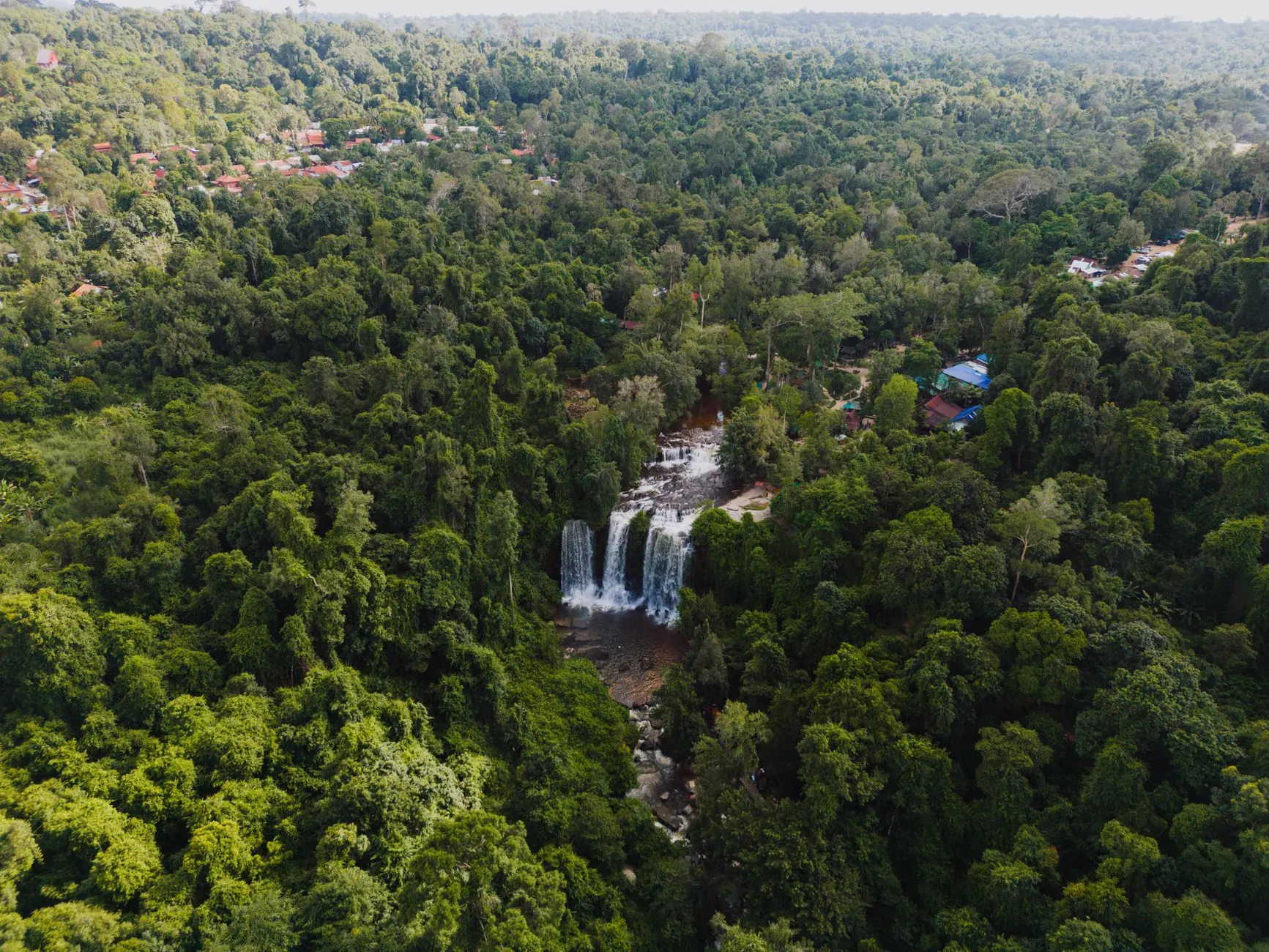
You have just spent three days wandering through the sun-baked stone corridors of Angkor Wat. The heat is relentless, the humidity clings to your skin, and the crowds of other tourists are everywhere. It is time to escape the temples. Cambodia offers a striking contrast to its ancient ruins: lush, green valleys where cool mist rises from cascading water and the air smells of wet earth and tropical foliage. These natural retreats are not just scenic backdrops; they are essential breaks from the cultural heavy lifting, offering swimming opportunities and a chance to cool down in the shade. While many visitors stick to the main temple circuits, venturing out to see the local cascades provides a deeper, more varied understanding of the country’s landscape. This guide covers the most notable sites, helping you plan a trip that balances history with nature.
Why Cambodia’s Waterfalls Are Worth the Detour
It is easy to see why the temples dominate the itinerary. They are world-famous and undeniably impressive. However, relying solely on stone monuments can make a trip feel repetitive after a few days. The waterfalls provide a crucial sensory shift. Instead of dry, dusty paths and blinding sunlight, you find yourself in humid, green gorges. The sound of rushing water drowns out the chatter of tour groups. You can swim in natural pools, which is a rare luxury in a country where many rivers are muddy or swift.
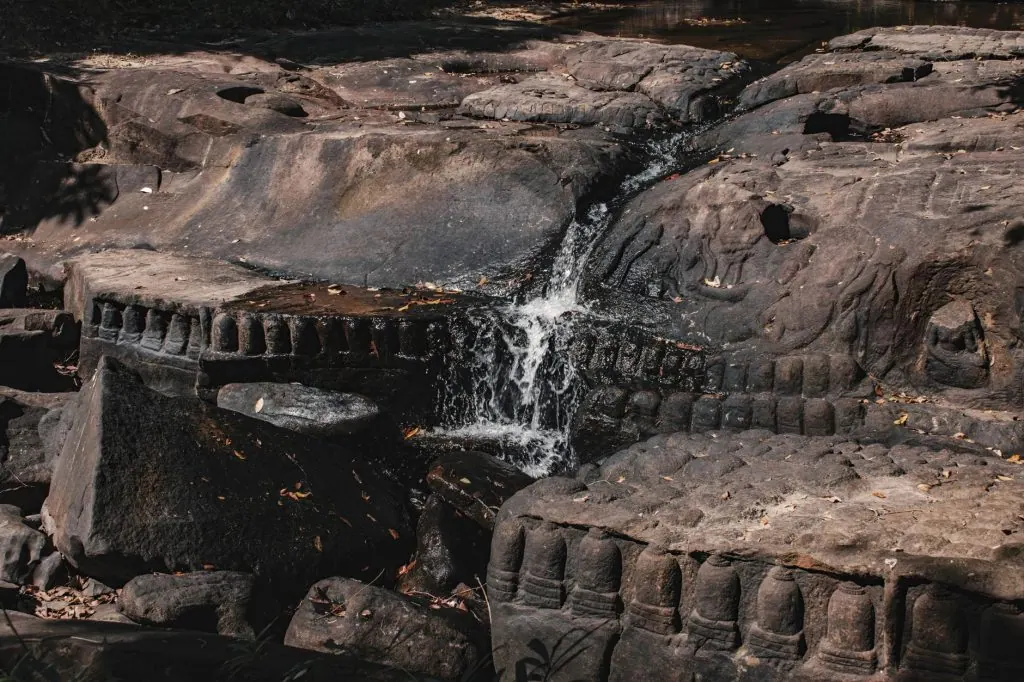
These detours also offer a different kind of historical context. Many waterfalls are tied to local mythology and ancient rituals, not just royal history. Walking through a jungle riverbed to see stone carvings from the Khmer period feels more intimate than viewing them from a bus window. It connects you to the landscape in a way that paved roads do not. The physical effort required to reach some of these sites, the hike up a steep trail or the boat ride up a river, adds a sense of discovery. You are not just a spectator; you are an explorer. This variety keeps the trip fresh. If you spend a week in Cambodia, dedicating two or three days to waterfall hunting prevents fatigue and gives you a more rounded experience of the Kingdom of Wonders.
The Best Time to Visit for Peak Water Flow
The timing of your visit dictates the quality of the experience. Cambodia has two distinct seasons: the dry season and the rainy season. The monsoon runs from May to October. During these months, the waterfalls are at their most dramatic. The volume of water is high, creating powerful, thundering cascades that are perfect for photography and viewing from a distance. The surrounding vegetation is also at its peak lushness. However, high volume does not always mean easy access.
In the rainy season, trails can become slippery and muddy. Some paths may be washed out, requiring more careful footing or local assistance. The water in the swimming holes can be churning and cold. If you prefer a vigorous, wild experience and do not mind getting your feet wet and muddy, the rainy season is the best time to visit Cambodia waterfalls. Conversely, the dry season, from November to April, offers easier access. The streams are thinner, sometimes reduced to trickles in smaller falls, but the water is calmer and clearer. The trails are stable, and the hike is less strenuous. This is the better time for families with young children or those with limited mobility. Be aware that some smaller waterfalls may barely flow during the peak dry months. Check local conditions before heading out, as rainfall can vary by region.
Where to Base Yourself for Waterfall Hunting
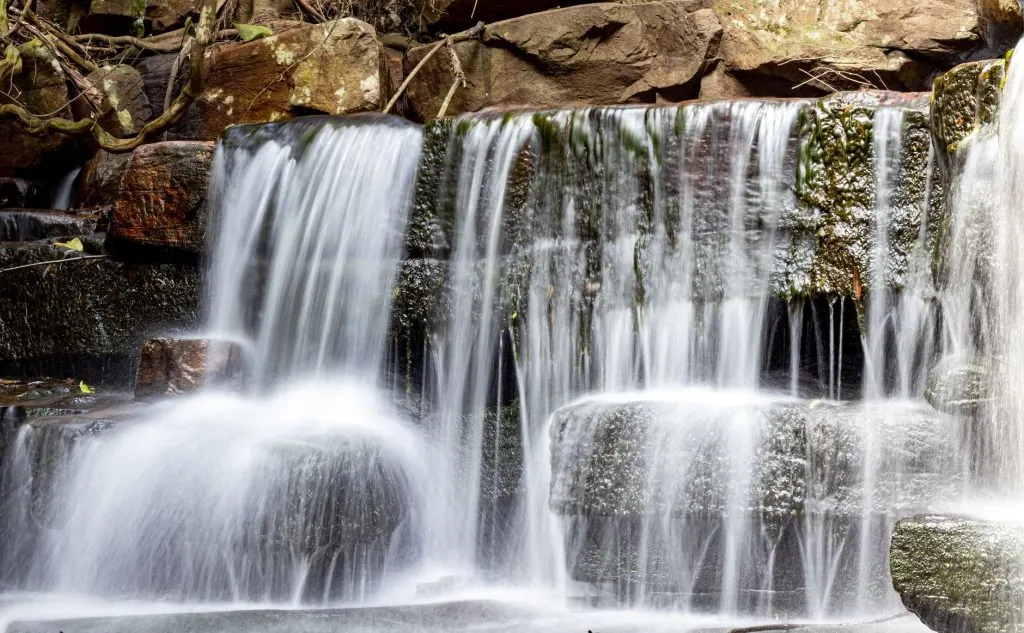
Your choice of base camp depends on which waterfalls interest you most. Siem Reap is the most convenient hub for northern and central sites. It has a wide range of accommodation, from budget hostels to luxury resorts, and excellent transport links. Most northern waterfalls, including Kbal Spean, are within a short drive or bike ride from the town. This makes Siem Reap ideal for day trips where you want to return to your hotel in the evening. It is also easy to hire tuk-tuks or motorbikes for the day.
For the southern and western cascades, Kampot and Koh Kong are the logical bases. Kampot is a charming town with a relaxed vibe, located on the coast. It serves as the gateway to the Bokor mountain waterfalls. The journey from Siem Reap to Kampot takes several hours by road, so it is best to plan a separate leg of your trip. Koh Kong is further south and is the base for the Tatai waterfalls. Staying in these southern towns allows you to explore the region at a slower pace. You can combine waterfall visits with beach trips or mountain hikes. Logistically, it is easier to organise local transport from these towns than trying to hire a vehicle from Siem Reap for a multi-day southern loop. Plan your itinerary to cluster visits by region to minimise travel time.
Kbal Spean: The Ancient River of a Thousand Lingas
Kbal Spean is a unique site where history and nature intertwine. Located in the Kulen Hills, about thirty kilometres north of Siem Reap, this site is famous for the ancient stone carvings, known as lingas, that dot the riverbed. These carvings date back to the Khmer Empire and represent fertility and the god Shiva. To reach the waterfall, you hike through a dense jungle riverbed. The path is moderate in difficulty, involving some uneven terrain and shallow water crossings. The effort is rewarded with a view of the stone carvings scattered along the banks, offering a tangible connection to the past.
The final cascade is a modest drop, but the atmosphere is special. The air is cool, and the sound of the water is soothing. It is not the largest waterfall in Cambodia, but it is one of the most historically significant in the Siem Reap area. The combination of hiking, history, and swimming makes it a popular choice. It is best visited early in the morning to avoid the midday heat and the larger tour groups. Wear sturdy, non-slip footwear, as the rocks can be slippery. The hike takes about an hour each way, so plan accordingly. It is a great way to start a day trip before heading back to town for lunch.
Popokvil Waterfall: The Cool Mountain Retreat
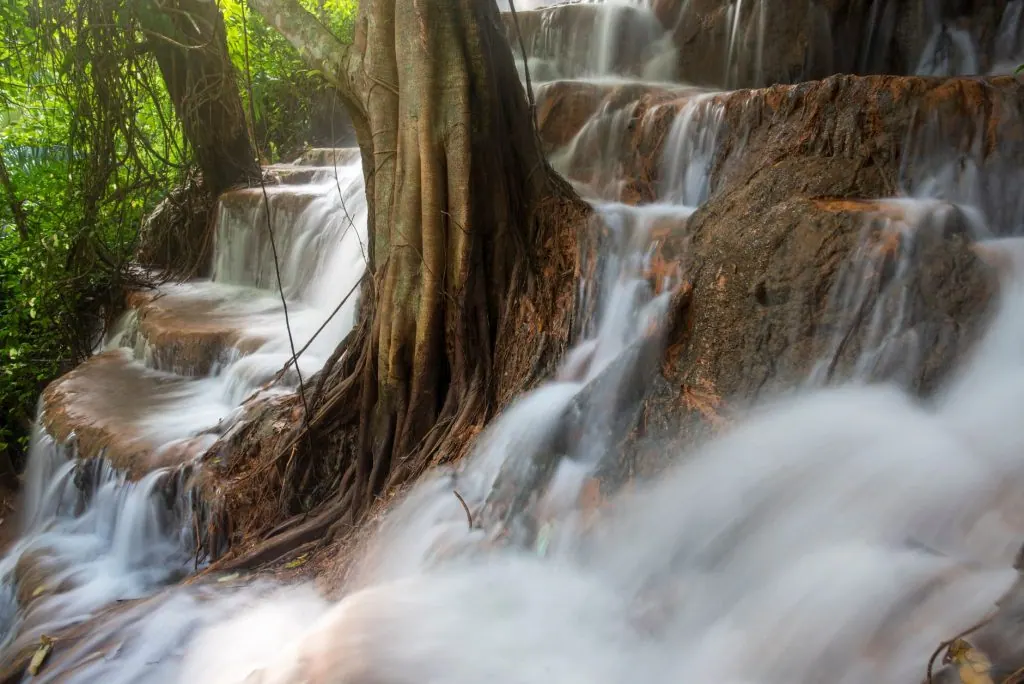
Popokvil Waterfall is located on Mount Bokor, a high-altitude plateau in the Kampot province. The journey up the mountain involves a winding road that offers cool breezes and a change in climate. The falls are two-tiered, dropping down the rocky face of the mountain. The water flows into a clear pool at the bottom, which is refreshing but not deep enough for full swimming. The area is known for its serene atmosphere and cool weather, which is a welcome relief from the coastal heat.
Access to the waterfall requires some effort. The path from the Bokor Hill Station involves a steep descent. The roads can be in poor condition, and the final stretch to the falls may require walking or hiring a local motorbike driver. If you are not confident navigating steep, uneven paths, hiring a guide or driver is advisable. The descent back up can be tiring, so take breaks and stay hydrated. The area is also home to wildlife, including monkeys and squirrels, so keep an eye out for them. Popokvil is best visited in the dry season when the trails are stable. It is a perfect spot for a half-day trip from Kampot, combining a mountain drive with a cool swim.
Katieng Waterfall: The Elephant Interaction Experience
Katieng Waterfall, located in the Siem Reap province, offers a different kind of attraction. The waterfall itself is set in a beautiful natural setting, with a cave system behind the cascading water. However, its main draw is the nearby elephant sanctuary. This site allows you to interact with elephants in a relatively natural environment. You can feed them, bathe them, and even ride them on short trails. The combination of natural beauty and animal interaction makes it a unique experience for families and animal lovers.
The waterfall is not extremely high, but the surrounding jungle is dense and green. The cave behind the falls is a popular spot for photos. The elephant sanctuary adds a layer of engagement that you do not find at the other waterfalls. It is important to note that elephant tourism has evolved, and practices vary. Visit the sanctuary to understand their current methods. The site is accessible by road, and tuk-tuks can drop you close to the entrance. It is a full-day activity if you spend time with the elephants. Combine it with a visit to Kbal Spean for a varied day of nature and culture.
Tatai Waterfall: The Riverside Picnic Paradise
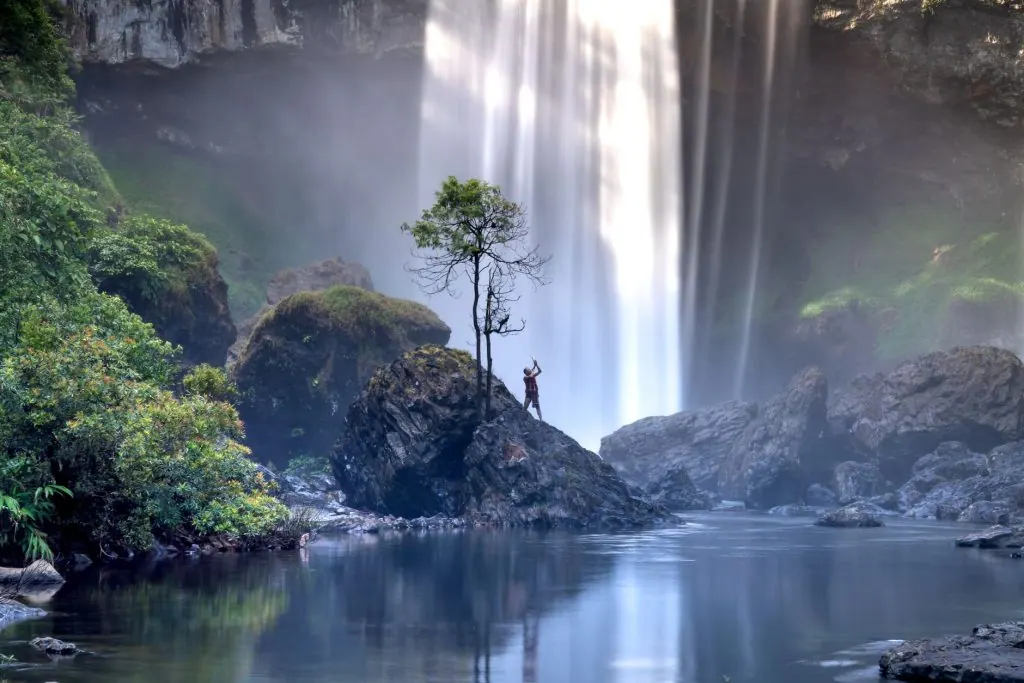
Tatai Waterfall is located in the Koh Kong province, near the border with Thailand. It is one of the most accessible waterfalls for a relaxed day trip. The journey to the falls often includes a scenic boat ride along the Tatai River. The river is calm, and the surrounding landscape is lush and green. The waterfall itself is a wide cascade that drops into a large swimming hole. The water is shallow and safe for swimming, making it ideal for families.
The area around the waterfall has steps and pathways, making it easy to navigate. There are picnic spots where you can bring food and drinks. The atmosphere is quiet and friendly, with a focus on relaxation rather than adventure. It is not a remote wilderness experience; it is a well-maintained tourist site. The boat ride is a highlight, offering views of the jungle from the water. Tatai is best visited in the dry season when the river is calm and the swimming holes are clear. It is a perfect spot for a lazy afternoon away from the crowds.
Ka Choung Waterfall: The Remote Northern Gem
Ka Choung Waterfall is located in the Ratanakiri province, in the far north-east of Cambodia. It is one of the tallest and most powerful waterfalls in the country. The journey to Ka Choung is part of the experience. The roads can be rough, and you may need a 4WD vehicle or a skilled motorbike driver to navigate the final stretch. The raw, uncommercialised nature of the site is its main appeal. There are few facilities, and the path to the falls is natural and rugged.
The waterfall drops in multiple tiers, creating a stunning visual display. The water is cold and fast-moving. The surrounding forest is dense, and the air is fresh. Ka Choung is less crowded than the waterfalls near Siem Reap or Kampot. It is ideal for travellers who seek adventure and do not mind a bit of rough travel. The lack of infrastructure means you need to be self-sufficient. Bring your own water and snacks. The journey is long, so start early in the day. It is a reward for those who venture off the beaten path.
Practical Tips: Costs, Transport, and What to Pack
Getting to these waterfalls usually requires hiring transport. Tuk-tuks are common in Siem Reap and Kampot, but they may not be suitable for all terrains. For the remote waterfalls like Ka Choung, a private car or motorbike is better. Costs vary by region and season. In Siem Reap, a day tour might cost a fixed amount, while in rural areas, you might pay by the hour. Always agree on the price before you start. Entry fees are often charged at the site. These fees go towards maintenance and local communities. Carry small change, as drivers may not have change for large notes.
Footwear is critical. Many waterfalls involve walking on wet rocks or muddy trails. Flip-flops are not suitable. Wear sturdy, non-slip shoes or sandals with good grip. Bring a change of clothes and a towel for swimming. Sunscreen and insect repellent are essential, especially in the jungle. A first-aid kit with plasters is useful for minor cuts. Be aware of tourist traps. Some sites may charge for photos or have hidden fees. Read reviews or ask your hotel for advice. Check the condition of the paths before setting out. If it has rained heavily, some trails may be unsafe. Prioritise safety over speed. Enjoy the cool mist and the greenery. It is a refreshing break from the temples.
Official sources and further reading
Opening times, entry rules and prices change, so check them on the official sites before you travel:
- Tourism of Cambodia: The Ministry of Tourism's official site.