New York does not hand you a menu; it hands you a map. The city’s culinary identity is defined by movement and immediacy. You are standing on a busy sidewalk, the traffic is humming, and you have ten minutes before your next appointment. In that window, you can eat a slice of pizza that changes your perspective on dough, buy a bagel that defines your trip, or simply watch the world go by from a bench while finishing a hot dog. This is the reality of eating in New York. It is less about sitting down for a three-hour formal meal and more about weaving food into the fabric of your day.
For travellers planning a visit, the sheer volume of options can feel overwhelming. Paris and London often get the praise for culinary heritage, but New York surpasses them in sheer diversity and innovation. The city offers everything from five-star tasting menus to five-dollar street snacks, all within a few boroughs. This guide cuts through the noise to help you navigate the city’s food scene with confidence, focusing on practical advice, logical sequencing, and where to spend your time and money for the best results.
Why NYC Is the World's Food Capital
The argument that New York falls short of European capitals is usually based on a narrow definition of fine dining. If you define culinary excellence only by the presence of white tablecloths and sommeliers, you miss the point. New York’s strength lies in its ability to host world-class cuisine alongside unpretentious, authentic ethnic food on the same block. The city is a culinary melting pot where chefs from around the globe settle, adapt, and elevate local ingredients.
This diversity means you can experience a Michelin-starred seafood dinner and a authentic dumpling house in the same afternoon. The innovation here is not just in the cooking techniques but in the accessibility. Upscale fast food and high-end dining coexist without hierarchy. You do not need a reservation three months in advance to eat well; you often just need to know where to look.
Setting out a guide that covers the spectrum from dollar slices to expensive tasting menus is essential because the city rewards those who explore both ends of the scale. The best food experiences in New York City are not confined to a single district or price point. They are scattered across neighborhoods, each with its own character. Understanding this landscape helps you plan a trip that feels authentic rather than staged. You will find that the most memorable meals often happen in places that do not look like restaurants at first glance.
Mastering the Iconic Street Food Scene
Street food in New York is not a supplement to restaurant dining; it is a primary culinary institution. The sidewalk stalls and pushcarts offer quick, satisfying meals that define the rhythm of city life. To navigate this scene effectively, you need to understand the hierarchy of vendors and the etiquette of eating on the go.
The Essential Quick Bites
The holy trinity of New York street food consists of the pizza slice, the bagel, and the hot dog. A proper slice is thin, foldable, and sold by weight or piece. Look for vendors that specialize in this style rather than those selling pre-sliced, boxy pizza. Bagels should be boiled then baked, offering a chewy texture and a crust that shatters slightly. Hot dogs from a cart are a classic late-night or lunchtime option, often served with a specific style of mustard and relish.
Where to Find the Best Vendors
Midtown Manhattan is dense with vendors, but quality varies. Avoid the carts directly in front of major tourist attractions where prices are marked up significantly for foot traffic. Instead, venture a few blocks away from Times Square towards the Theater District or the Financial District. Here, you will find vendors catering to office workers and locals, ensuring a faster turnover of fresh food.
Navigating Sidewalk Culture
Eating on the street is a legitimate activity in New York. Do not feel awkward holding your food. However, be mindful of your surroundings. Sidewalks can be crowded, and rushing while eating can lead to spills or collisions. Use the food as a pause, not just fuel. If you are looking for a more curated street food experience, consider exploring the options available in 6 Of The Best: New York Food Trucks which offer a different style of mobile dining.
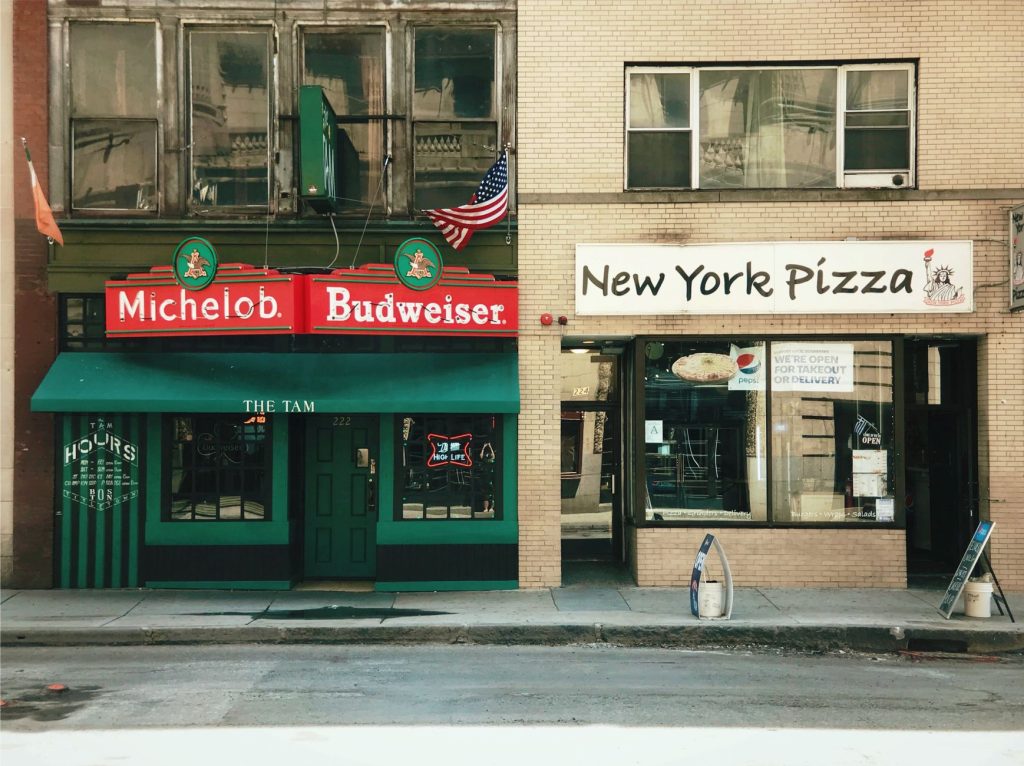
Exploring Chelsea Market and Food Halls
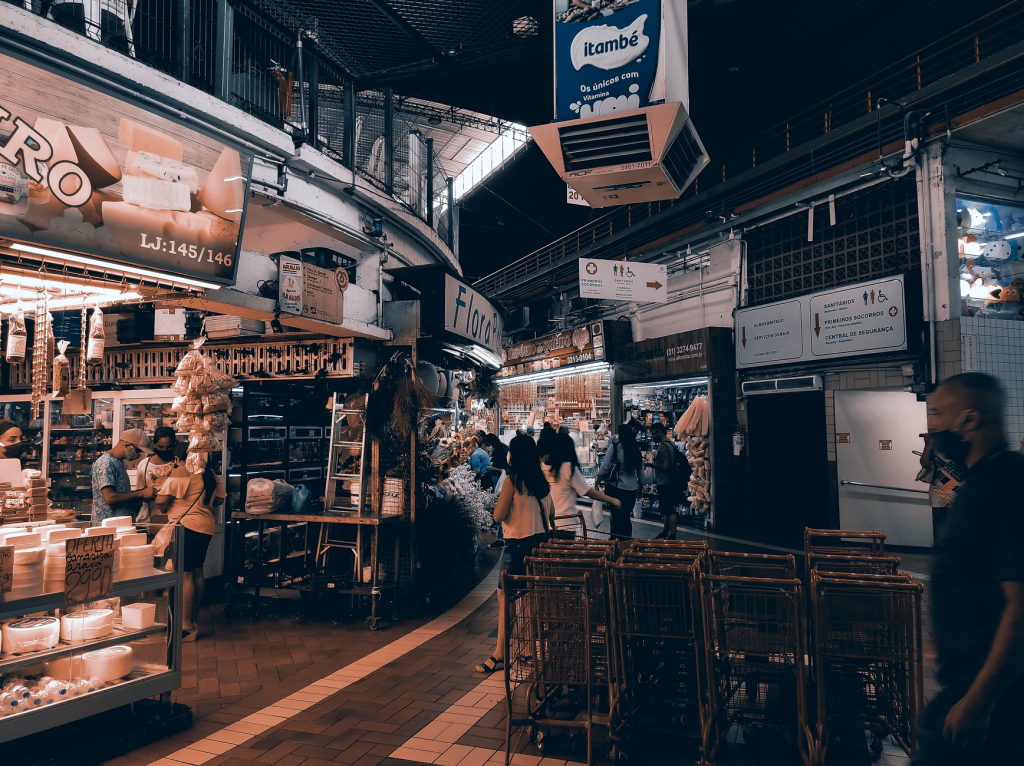
If you prefer climate-controlled environments with a wide variety of options, food halls are the answer. These indoor markets aggregate dozens of vendors under one roof, allowing you to sample multiple cuisines without the commitment of a full meal. They are ideal for indecisive eaters or groups with conflicting tastes.
The Chelsea Market Guide
Chelsea Market is the most famous of these venues, attracting millions of visitors annually. Located in the Meatpacking District, it occupies the former space of a Nabisco factory. The market is designed as a neighborhood hub with a global perspective. The layout is a labyrinth of narrow aisles lined with stalls selling everything from artisanal cheeses and cured meats to gourmet chocolates and prepared dishes.
Spend a few hours here to wander and taste. The key to enjoying Chelsea Market is to arrive early or on a weekday to avoid the peak crowds. Focus on the stalls that offer fresh, prepared items rather than just packaged goods. Look for vendors that prepare their food in front of you, as this indicates freshness and care. The market also offers seating areas where you can sit down and enjoy your haul, making it a comprehensive indoor food tour.
Alternative Food Halls
While Chelsea Market is the most visited, it is not the only option. For a more local vibe, consider visiting Essex Market in the Lower East Side. It is smaller and less touristy, offering a glimpse into the daily lives of residents. Combining a visit to both markets gives you a balanced view of the city’s indoor food scene. These venues are perfect for a light lunch or a series of small snacks that add to your daily food budget without breaking the bank.
Dining at the Pinnacle of Fine Dining
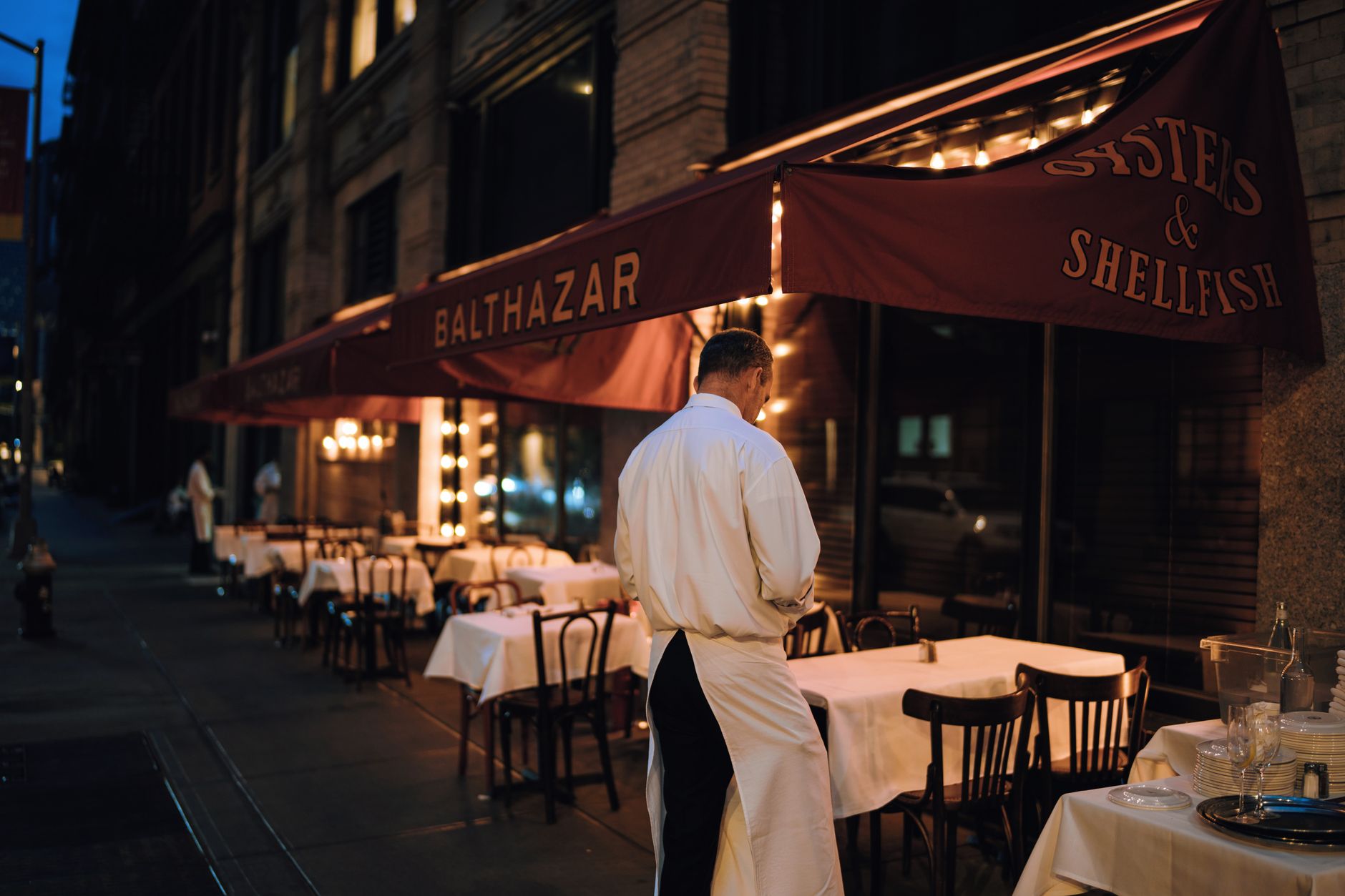
For those willing to invest in a special occasion, New York’s fine dining scene is unmatched. These establishments offer an experience that goes beyond sustenance, focusing on service, ambiance, and culinary precision. However, the cost and effort required mean that planning is essential.
Le Bernardin: Seafood Excellence
Le Bernardin is a benchmark for seafood in the city. With three Michelin stars and a perfect four-star rating from The New York Times, it represents the highest standard of culinary artistry. The menu changes frequently, but the focus remains on the freshest catch. The dining room is elegant but not stiff, allowing for a relaxed appreciation of the food.
Pricing context is important here. A tasting menu at this level typically costs around $155 per person, while adding wine pairings can raise the total to approximately $246. This is a significant investment, so it is worth reserving well in advance. The service is attentive but not obtrusive, allowing you to enjoy the meal without feeling rushed or over-attended.
Club A Steakhouse: Classic Luxury
For a different type of fine dining, Club A Steakhouse on East 58th Street offers a classic New York experience. It is often rated highly for its service and atmosphere. The steak here is cooked to perfection, and the ambiance is warm, with romantic lighting and candles. It is not overly formal, making it suitable for both business dinners and romantic evenings.
Reservations are crucial. This is a popular spot, and tables fill up quickly, especially on weekends. Book early to secure a table, and be prepared for a higher price point that reflects the quality of the meat and the service. When choosing between Le Bernardin and Club A, consider what you are in the mood for: delicate, refined seafood or robust, classic steak. Both offer exceptional experiences but cater to different preferences.
The Ultimate Bakery Crawl
Bakeries are central to New York culture. They are not just places to buy bread; they are community hubs and sources of daily joy. The city’s bakery scene is diverse, ranging from traditional Jewish bakeries to modern French-style patisseries.
The Cronut Phenomenon
New York is the birthplace of the cronut, a pastry that combines the flaky layers of a croissant with the fried dough of a donut. While the original craze has settled, the pastry remains a symbol of the city’s innovative spirit. Visiting a bakery that makes a cronut is a rite of passage for many visitors. However, be aware that these items sell out quickly, often by mid-morning.
Hidden Gems: Ceci Cela
Not all great bakeries are famous for cronuts. Ceci Cela, located at 55 Spring Street, is a hidden gem that offers French-style pastries at affordable prices. The pastries here range from $1 to $6, making it an accessible option for a daily treat. The croissants are highly sought after, and getting there early is recommended to avoid disappointment. The focus on quality ingredients and traditional techniques makes this bakery a standout in the NYC bakery scene.
What Pastries to Prioritize
Beyond cronuts and croissants, look for danishes, tarts, and breads. New York bakeries excel at using seasonal fruits and high-quality butter. If you are visiting during berry season, a fruit tart is a must-try. For bread lovers, a fresh baguette or sourdough loaf from a reputable bakery is superior to supermarket options. These purchases are affordable and can enhance your breakfast or lunch in a park.
Fresh Produce and Farmer’s Markets
The connection between New York’s restaurants and local agriculture is strong. Many of the city’s top chefs source their ingredients from farmer’s markets, ensuring that the food they serve is fresh and seasonal. Visiting these markets is a way to understand the city’s culinary foundation.
Union Square Greenmarket
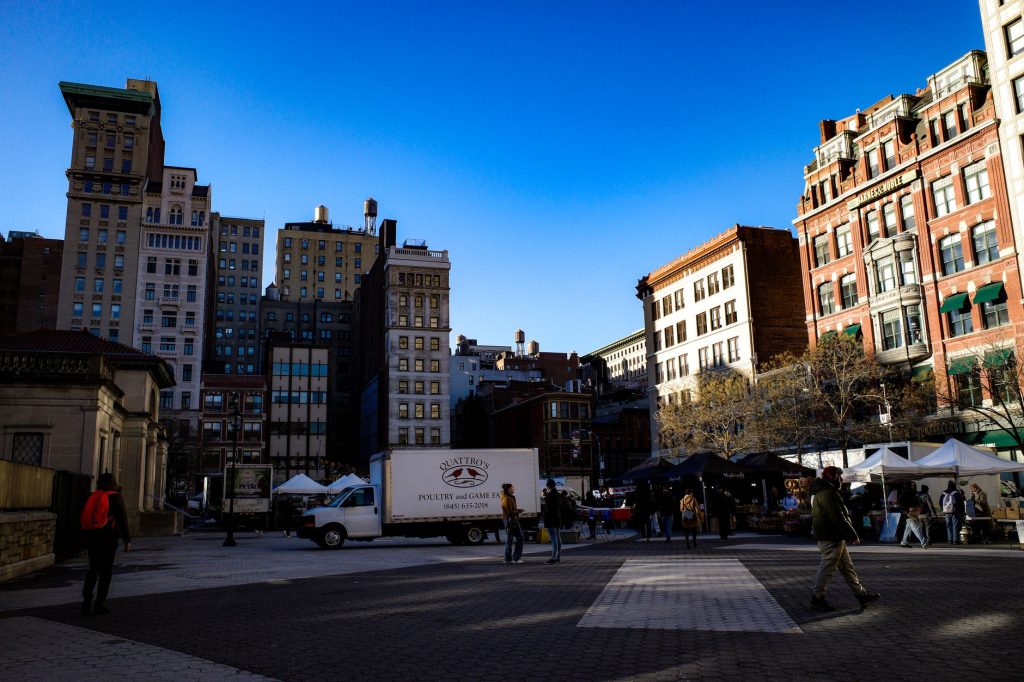
Union Square Greenmarket is the largest food market in Manhattan. It is a vibrant hub where growers from across the region sell their wares. The market operates on Mondays, Wednesdays, Fridays, and Saturdays from 8am until 6pm, and it is open all year round. On any given day, it attracts around 60,000 shoppers, making it a bustling and energetic place.
What to Buy
The variety of produce is staggering. You can find award-winning cheeses, artisan breads, freshly cut flowers, and locally brewed wine. In addition to fruits and vegetables, look for meats, eggs, and honey from local producers. Buying directly from the farmers allows you to ask questions about growing methods and storage, enhancing your appreciation of the food.
Chefs and Sourcing
Many top chefs shop at Union Square Greenmarket. Watching them navigate the aisles can give you insight into what ingredients are in season and how they are used. If you are staying in an apartment with a kitchen, buying produce here is a great way to cook like a local. The quality is consistently high, and the experience of shopping there is part of the New York charm.
Practical Logistics: Getting Around and When to Go
Eating well in New York requires logistical planning. The city is large, and food districts are spread out. Understanding how to move around and when to go can save you time and improve your dining experience.
Best Times to Visit
Crowds are a significant factor in New York. Visiting popular food halls or restaurants during peak hours can mean long waits and a noisy environment. Midweek visits are generally quieter and more relaxed. If you are visiting during the summer or holiday seasons, expect larger crowds. Avoiding these peak times allows for a more enjoyable experience, especially in places like Chelsea Market or Union Square Greenmarket.
Using the Subway
The subway is the most efficient way to reach food districts. It is fast, frequent, and covers most of the city. Plan your routes in advance to minimize walking and transfer times. For example, to get to Chelsea Market, take the subway to the 14th Street station. To reach Union Square, take the line that stops at Union Square–14th Street. The subway system is extensive, and using it is often faster than driving or taking a taxi.
Walking as the Best Way to Eat
While the subway gets you there, walking is the best way to eat through neighborhoods. Food districts are often clustered, and walking allows you to discover hidden gems along the way. It also gives you a sense of the neighborhood’s character. After a meal, a walk helps with digestion and allows you to explore the area further. Combine subway travel for longer distances with walking for local exploration.
Budgeting for a Foodie Trip
New York offers options for every budget, but costs can add up quickly if you are not careful. Understanding how to allocate your daily food budget ensures you can enjoy a variety of experiences without overspending.
Budget Street Food
Street food is the most economical option. A pizza slice or hot dog costs significantly less than a restaurant meal. This approach allows you to try multiple dishes in one day without breaking the bank. It is ideal for breakfast, lunch, or light dinners.
Splurge-Worthy Dinners
Fine dining is a splurge. A meal at a place like Le Bernardin or Club A Steakhouse can cost hundreds of dollars per person. Reserve these for special occasions or when you want to treat yourself. Balance these expensive meals with cheaper street food or bakery items to keep your overall budget in check.
Daily Expenses
Aim for a mix of price points. Start your day with a bakery item, have a street food lunch, and save your budget for a nice dinner. This approach gives you a taste of the city’s diversity while keeping costs manageable. If you are staying in an apartment with a kitchen, buying groceries from Union Square Greenmarket can also reduce your food costs.
Common Foodie Mistakes to Avoid
Even experienced travelers make mistakes in New York’s food scene. Avoiding these pitfalls will enhance your trip and ensure you get the most out of your culinary experiences.
Tourist Traps in Times Square
Times Square is famous for its energy but also for its overpriced, mediocre food. Avoid eating in the immediate vicinity of the main squares unless you are in a hurry. The food there is often geared towards tourists, with higher prices and lower quality. Venturing a few blocks away leads to better options at lower prices.
Missing Reservation Windows
Reservations are critical for popular restaurants. Many places fill up weeks in advance. Do not assume you can just walk in for a table, especially on weekends. Check availability early and book as soon as your plans are confirmed. For street food and food halls, there are no reservations, so plan your timing to avoid peak crowds.
Ignoring Neighborhood Gems
Focusing only on famous names can lead to a generic experience. The best food is often found in neighborhood spots that locals love. Explore areas like the Lower East Side, Williamsburg, or Harlem for unique culinary experiences. These neighborhoods offer authentic cuisine and a more relaxed atmosphere. Do not overlook the value of a simple meal in a local neighborhood in favor of a famous restaurant across town.
For more inspiration on mobile dining options that offer a different style of street food, you might also enjoy reading about My Experiences in Sydney to compare how different cities approach their food cultures.