By
By 
You have landed in Brisbane, the sun is shining, and your stomach is already rumbling. The city sprawls along the river, surrounded by national parks and a reputation for relaxed living, but the food scene here is anything but casual. It is sophisticated, diverse, and deeply connected to the subtropical environment. If you are planning a trip, you will want to know exactly where to go for the best restaurants in Brisbane without getting lost in hype or ending up at a fully booked venue on a Friday night.
This guide cuts through the noise. It focuses on practical advice for navigating the city’s culinary districts, from the bustling streets of Fortitude Valley to the high-end tables of the CBD. Whether you are after refined Thai, wood-fired pizza, or modern Australian cuisine, here is how to eat your way through Queensland’s capital like a local.
Why Brisbane’s Dining Scene Deserves a Spot on Your Itinerary
Brisbane has shed its old image as a mere weekend town. It has evolved into a genuine culinary capital, driven by a unique combination of climate, geography, and culture. The subtropical weather means fresh produce is available year-round, from sweet tropical fruits to crisp winter greens. This abundance influences every dish, encouraging chefs to keep menus simple and ingredient-focused.
The city’s food identity is shaped by its multicultural communities. Early European settlers brought Italian and Greek influences, while more recent waves of migration from Asia and the Pacific have added layers of complexity. You will find authentic regional Chinese in hidden laneways, refined Japanese techniques in converted warehouses, and modern Australian dishes that honour Indigenous ingredients.
This diversity is not just about variety; it is about quality. The proximity to the ocean and fertile hinterlands means seafood and meat are often sourced locally and delivered fresh daily. When you dine in Brisbane, you are eating the result of a long supply chain that starts just a few kilometres away. It is a dining culture that values freshness over fussiness, making it a rewarding destination for travellers who care about where their food comes from. For more on exploring the city’s hidden gems, see Brisbane For The Adventurous Traveler.
Fortitude Valley: The Epicenter of Brisbane’s Food Culture
Fortitude Valley is widely considered the heart of Brisbane’s social and dining scene. The precinct, particularly Eat Street, is a pedestrian-friendly lane lined with bars and restaurants that buzz with energy. It is the go-to district for foodies who want to experience a mix of high-end dining and casual street food. The atmosphere is vibrant, often loud, and deeply social.
When navigating this area, it helps to know what each venue offers, as styles vary significantly. For refined Thai cuisine, sAme sAme is a standout. Since opening in 2014, it has maintained a reputation for excellence. The menu features roast pork belly, grilled beef short rib, and whole crispy fish, all prepared with precision. The venue is cosy and visually striking, with a wine list that complements the bold flavours. Because of its popularity, booking well in advance is essential to avoid long wait times.
For a different profile, Happy Boy serves authentic regional Chinese cuisine under fairy-lit trees. It moves away from westernised fusion styles, offering dishes like red-braised pork belly, cha-siu-style barbecue chicken, and mapo tofu with a special spicy sauce. Share plates like crispy roast duck and prawn wontons in chilli broth work well for groups. The wine selection is robust, making it a solid choice for dinner with friends.
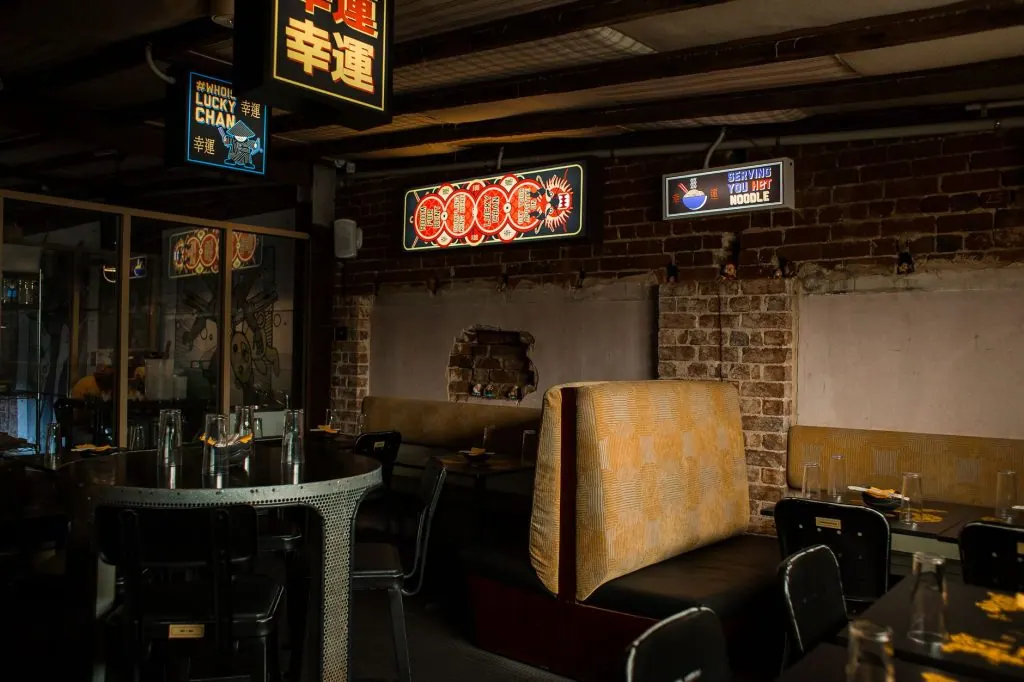
Hôntô, the younger sibling of the LONgTIME group, offers a creative take on Japanese cuisine. The space is dark and atmospheric, lit by hanging chandeliers. The menu transforms traditional dishes into local interpretations, featuring items like savoury drumstick cones topped with raw tuna and BBQ miso pork belly with steamed buns. It is a place to go if you want to experience innovative Japanese cooking in a moody, intimate setting.
South Brisbane and Kangaroo Point: Dining with River Views
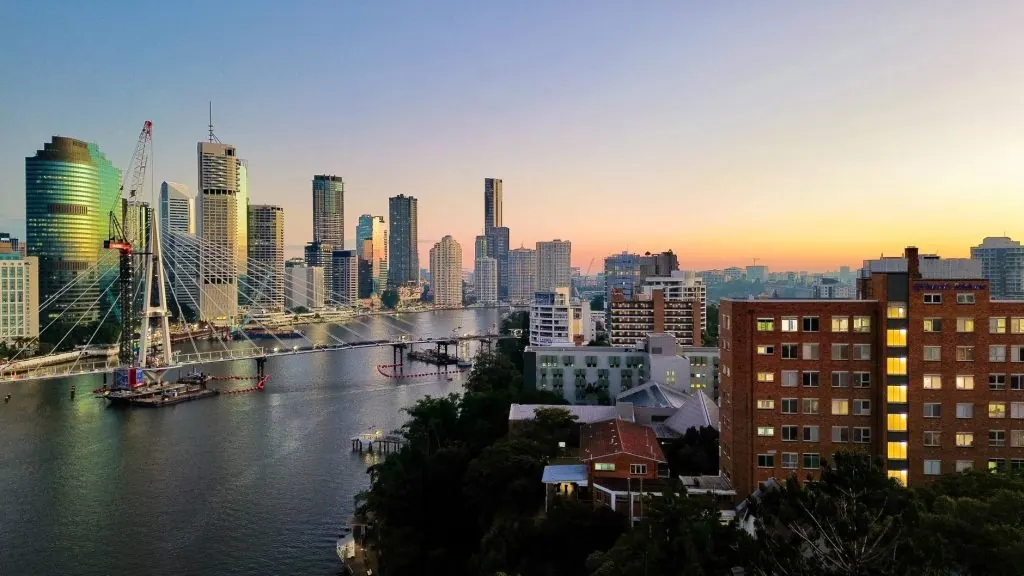
The stretch along the river, covering South Brisbane and Kangaroo Point, offers a different dining experience. Here, the focus shifts to scenic views and a more relaxed atmosphere. The area is popular with families and couples who want to enjoy a meal with a backdrop of the city skyline and the flowing river.
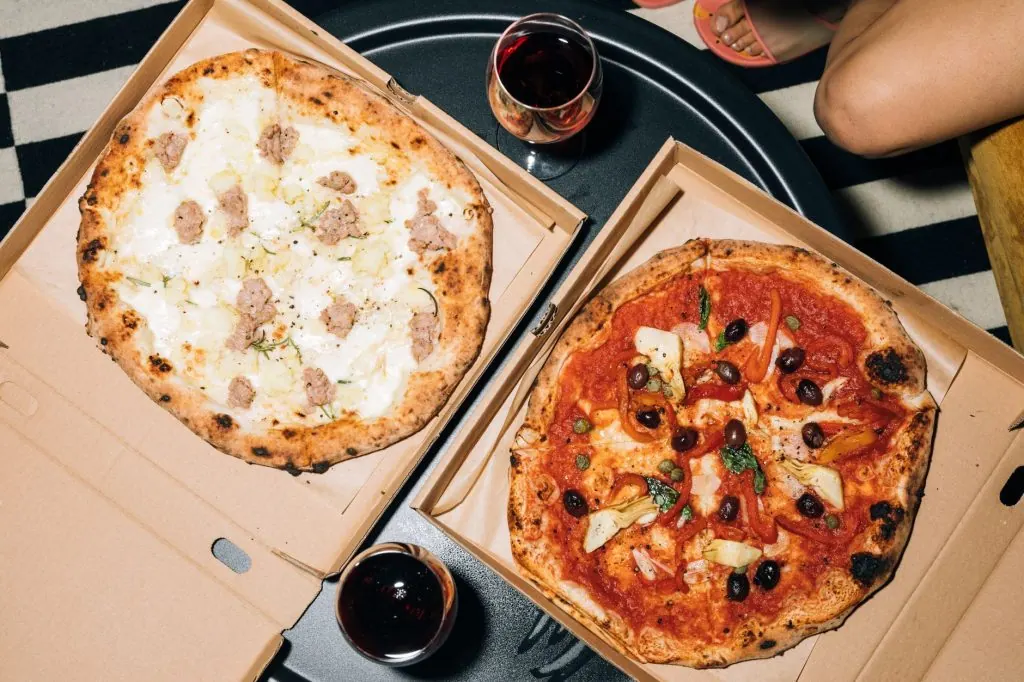
Julius Pizzeria is a key venue in this district. It prides itself on Italian classics with a modern twist. The open kitchen allows you to watch the chefs at work, adding to the lively vibe. Specialty dishes include wood-fired pizzas, daily risotto specials, and hand-made pasta. Mains like signature duck and tomato ragu or slow-cooked beef shin are favourites. A practical tip for Julius: it does not take bookings after 6pm. However, waiting at the bar is a golden opportunity to sample Italian wines and secure a seat. The menu advises to ‘Come early, come often,’ which is sound advice if you want to avoid disappointment.
One name you will still see in older guides is Gauge, once an acclaimed tasting-menu restaurant in South Brisbane. It is listed on Google Maps as permanently closed, so skip it and book one of the open venues in this guide instead.
The location here is ideal for those who prefer outdoor seating or large windows with a view. It is less about the bustling street life of the Valley and more about the serene riverfront. If you are looking for a contrast to the city centre, this area provides a scenic alternative. For a broader perspective on the region, you might also enjoy reading about Fantastic France In All Its Glory, 3 Must Visit Places to compare European river dining with Brisbane’s subtropical approach.
Brisbane City and the CBD: Fine Dining with a View
The Central Business District (CBD) is home to Brisbane’s most prestigious fine dining options. This area attracts both business travellers and tourists looking for a special occasion meal. The restaurants here are known for their cityscape views, warm interiors, and high level of service.
OTTO Ristorante is a leading choice for modern Italian cuisine. The venue sits on the riverfront at River Quay in South Brisbane, a short walk from the CBD, and offers views of the city and river, creating a visually impressive setting. The head chef’s menu is creative, seasonal, and simple, drawing inspiration from the southern regions of Italy. Dishes like Ranger Valley sirloin and butterflied spatchcock are paired with top-notch wines. The service is friendly and attentive, ensuring a smooth dining experience.
Booking ahead is critical in the CBD, especially during peak tourist seasons and major events. Tables at popular spots like OTTO fill up quickly. It is advisable to secure reservations at least a few weeks in advance for weekend evenings. The cost here is higher than in other districts, but the quality of ingredients and the view justify the price for many diners.
The CBD also offers a variety of other cuisines. For Korean food enthusiasts, Maru is a casual Korean barbecue restaurant with DIY grills at the table. It serves high-quality meat for BBQ, famous Korean fried chicken, stone-bowl bibimbap, and hotpots. The staff work together to provide authentic cuisine with passionate service. It is a great option for those who want interactive dining with a focus on grilled meats.
For a more modest but highly regarded experience, Yum Yum Peking Duck in Darra (though technically outside the immediate CBD, it is often included in city tours) serves some of the best Peking Duck outside Beijing. The interior is not refurbished, and seating is restricted, but the quality of food and generous portions have won many hearts. It is a reminder that Brisbane’s best food is not always in the most glamorous setting.
Newstead and Paddington: Modern Australian and Chef-Driven Experiences
Newstead and Paddington are inner-city suburbs known for their upscale dining and affluent atmosphere. These areas are hubs for chef-driven restaurants that focus on modern Australian cuisine. The trend here is farm-to-table, with menus changing frequently based on what is available from local suppliers.
e’cco bistro, run by celebrity chef Philip Johnson, is a standout in Newstead. Having reopened in the inner city after renovations, it offers a new look while maintaining its reputation for high-quality food. The menu is simple but effective, based on Brazilian inspirations with a modern Australian twist. Signature dishes include Rannoch quail with yellow corn purée, peas, and fried cotechino sausage. Prawn meat tortellini in a ginger and lemongrass broth is another highlight. For dessert, the baked custard tart with burnt orange syrup and pistachio halva is a must-try. The service is modest, and the wine list is extensive, making it a perfect spot for a sophisticated dinner.
These suburbs also offer a quieter dining experience compared to the Valley or CBD. The streets are lined with trees and historic homes, creating a charming backdrop. It is ideal for travellers who want to avoid the crowds while still enjoying high-end food. The focus on local produce means that dishes often reflect the seasonal changes of the subtropical climate.
If you are looking for a more adventurous dining experience, these areas also host pop-up events and chef collaborations. Keep an eye out for local listings if you are staying for an extended period. The community of chefs here is tight-knit, often sharing techniques and ingredients, which leads to innovative dishes that push the boundaries of traditional Australian cuisine.
Top 10 Brisbane Restaurants by Google Rating
These are the highest-rated restaurants among the places I checked on Google Maps on 12 October 2026, counting only venues with at least 1,000 reviews so that one or two enthusiastic reviews cannot lift a score. Ratings out of five are listed first, and venues with the same rating are ordered by number of reviews. Scores move slowly, but check Google Maps for the current figure before you book.
- LongTime Dining: 4.8 on Google (4,879 reviews). Dim sum, CBD.
- Opa Bar & Mezze: 4.8 on Google (4,262 reviews). Upscale Greek, Eagle Street riverfront.
- Santorini Restaurant Bar: 4.8 on Google (1,283 reviews). Greek, Newstead.
- hôntô: 4.7 on Google (1,619 reviews). Modern Japanese, Fortitude Valley.
- IPPIN Japanese Dining: 4.7 on Google (1,515 reviews). Japanese, West End.
- Toscano Bar & Kitchen: 4.7 on Google (1,201 reviews). Italian, CBD.
- Julius Pizzeria: 4.6 on Google (4,028 reviews). Wood-fired pizza and Italian mains, South Brisbane.
- Madame Wu: 4.5 on Google (2,398 reviews). Upscale Asian, Eagle Street.
- sAme sAme: 4.5 on Google (1,890 reviews). South-east Asian, James Street.
- Maru Korean Restaurant: 4.4 on Google (5,268 reviews). Korean barbecue, CBD.
Worth knowing: a few smaller venues score even higher but have fewer reviews, for example Exhibition (4.9, about 400 reviews), Clarence (4.8, about 380) and e’cco bistro (4.7, about 700). This is a list of restaurants checked, not a complete ranking of every restaurant in the city.
Best Times to Eat Out in Brisbane
Brisbane’s subtropical climate plays a significant role in when and where you eat. The weather is generally warm, but it can get hot and humid in the summer months. This affects outdoor seating availability and the type of dining experience you can expect.
Summer (December to February) is hot and rainy. Outdoor dining can be uncomfortable due to the heat and sudden downpours. However, many restaurants have covered areas or fans to mitigate this. If you prefer cooler weather, spring and autumn are ideal. The temperatures are mild, making outdoor seating pleasant. Winter (June to August) is cool and dry, perfect for hearty dishes and indoor dining with a fire.
Weekdays versus weekends also impact your experience. Weekdays are quieter, with shorter wait times and more attentive service. Weekends, especially Friday and Saturday nights, are busy. Popular spots like sAme sAme and OTTO can be fully booked. If you are flexible, eating on a Sunday evening can be a good compromise between a relaxed atmosphere and a lively vibe.
Consider the time of day as well. Brisbane locals often dine later than in Europe. Dinner service typically starts around 6pm, but peak hours are 7pm to 9pm. If you arrive early, you might get a better table and more relaxed service. Lunch is a popular break for locals, with many cafes offering fresh salads and light meals.
Getting Around Brisbane’s Dining Districts
Navigating Brisbane’s dining districts is straightforward once you understand the layout. The city is compact, but the distances between key areas can add up if you do not plan your route.
The City Circle Ferry is a practical and scenic option for reaching South Brisbane and the CBD. It departs from the city centre and offers views of the river and landmarks. It is a reliable way to avoid traffic, especially during rush hour. Walking is also easy between Fortitude Valley and the CBD, taking about 15-20 minutes. The route is flat and well-lit, making it safe for evening strolls.
For suburbs like Newstead and Paddington, ride-hailing apps are convenient. They are widely available and relatively affordable for short trips. Public transport, including buses and trains, connects these areas to the city centre. The South Bank Parklands are also accessible by foot from the CBD, making it easy to combine dining with a walk along the river.
If you are staying in the Valley, most restaurants are within walking distance of each other. Eat Street is pedestrian-friendly, so you can hop from one venue to another without needing transport. However, be prepared for crowds on weekends. Taxis and ride-hailing can be harder to find in peak hours, so plan accordingly.
Budgeting for a Food Tour in Brisbane
Brisbane offers a range of dining options to suit different budgets. Understanding the cost structure helps you plan your food tour effectively.
Casual dining in Fortitude Valley, such as Happy Boy or Hôntô, is moderately priced. Expect to pay a moderate amount for a main course and a drink. Street food and share plates are affordable, making it easy to sample multiple dishes without breaking the bank. This is ideal for travellers who want to try a variety of cuisines.
Fine dining, like OTTO Ristorante, is more expensive. A multi-course meal with wine pairing can cost significantly more than a casual meal. However, the quality and experience often justify the cost. Look for set menus or tasting menus, which can offer better value than ordering à la carte.
Newstead and Paddington offer mid-to-high range pricing. e’cco bistro is upscale but reasonable for the quality provided. Chef-driven experiences often come with a higher price tag due to the premium ingredients and skilled preparation.
To save money, consider lunch instead of dinner. Many high-end restaurants offer cheaper lunch menus. Also, explore the diverse offerings in the Valley, where you can find authentic regional Chinese and Thai food at lower prices than in the CBD. Avoid tourist traps by checking reviews and sticking to venues with a strong local following.
Common Mistakes to Avoid When Dining in Brisbane
Even with a good plan, mistakes can happen. Here are some common pitfalls to watch out for.
First, failing to book well-known restaurants is a major error. Venues like sAme sAme and OTTO are popular and fill up quickly. Do not assume you can just walk in on a Friday night. Book at least a few weeks in advance for weekends.
Second, underestimating the heat for outdoor dining. Brisbane can be humid, and summer evenings can be sticky. If you have booked outdoor seating, check the weather forecast. If it is too hot, ask if an indoor table is available. Many restaurants have air-conditioned alternatives.
Third, missing out on local wine pairings. Brisbane has a growing wine scene, with local vineyards in nearby regions like the Scenic Rim and Glass House Mountains. Pairing your meal with a local wine enhances the experience and supports local producers. Ask your server for recommendations.
Finally, do not overlook the importance of checking menus for dietary requirements. Brisbane is accommodating, but some restaurants may have limited options for specific diets. Communicate your needs clearly when booking.
By avoiding these mistakes, you can ensure a smooth and enjoyable dining experience. Brisbane’s food scene is rewarding for those who take the time to explore it properly. Whether you are after a quick bite in the Valley or a formal dinner in the CBD, the city delivers. For more insights on what to see and do, consider reading Why You Must Visit Liverpool to compare European urban dining with Brisbane’s laid-back style.
Official sources and further reading
Opening times, entry rules and prices change, so check them on the official sites before you travel:
- Visit Brisbane: The official Brisbane visitor site.