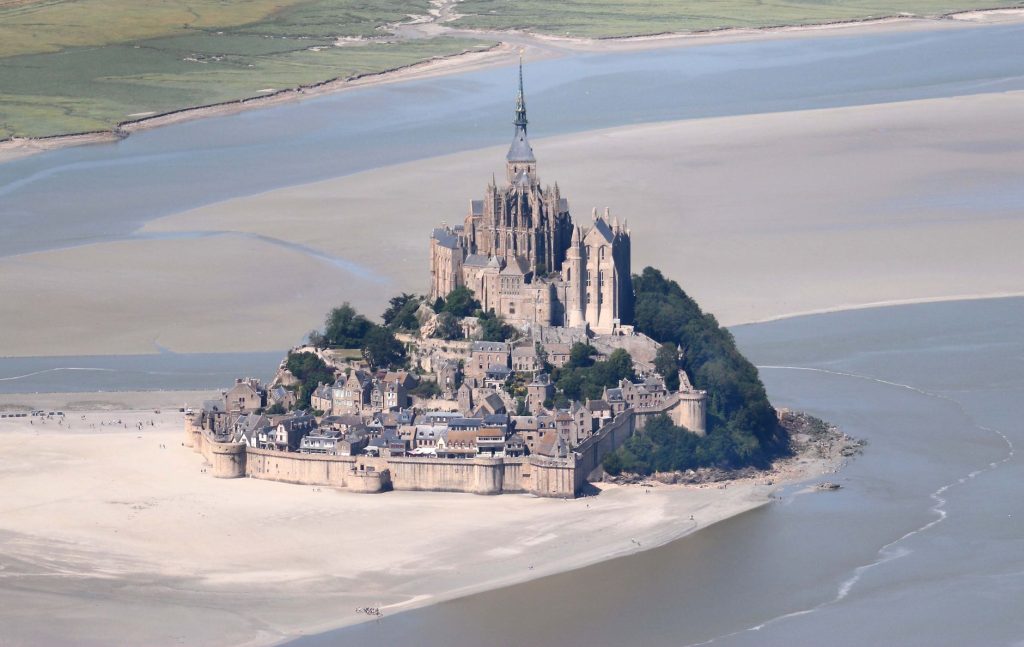
The morning mist clings to the granite rocks as the tide rushes in, swallowing the causeway that connects the mainland to the island monastery. You stand on the edge of the water, watching the light shift across the abbey’s stone towers, feeling a profound sense of history that has nothing to do with Parisian crowds. This is the moment that defines the north-west of France.
For many travellers, a trip to France begins and ends in the capital. Yet, just a few hours away, lies a region that offers a deeper, more textured experience of French life. The north-west coast is a tapestry of contrasting landscapes: the rugged, Celtic energy of Brittany meets the rolling, agricultural charm of Normandy. It is a place where history is not just preserved in museums but etched into the very cliffs and villages. Whether you are tracing the footsteps of Allied soldiers on the beaches of WWII, driving along cliffs that drop into the Atlantic, or simply tasting the local cider and cheese in a quiet village, this area rewards those who take their time.
While the Alps offer a different kind of drama with their snow-capped peaks and ski chalets, the coastal regions provide a raw, atmospheric beauty that changes with the weather and the tides. This guide breaks down the essential elements of this region, focusing on the practicalities of getting there, what to see, and how to avoid the common pitfalls that trap the unprepared visitor. If you are looking for the best places to visit in Brittany and Normandy, this region delivers an authenticity that is increasingly hard to find elsewhere in Europe.
Why Brittany and Normandy Are France’s Underrated Coastal Gems
Brittany and Normandy are often overlooked by tourists who rush from the Louvre to the Eiffel Tower and back to the airport. This is a mistake. These two regions, separated by the river Couesnon but united by their proximity to the English Channel, offer a cultural richness that rivals any part of France.
Brittany, or Bretagne in French, retains a distinct Celtic identity. The language, the music, and the architecture here are different from the rest of the country. It is a land of ancient forests, apple orchards, and a coastline that stretches for over 2,800 kilometres. The history here is deeply tied to the south of England, with centuries of trade and migration connecting the two sides of the channel. The result is a region that feels familiar yet distinctly otherworldly.
Normandy, located to the east, offers a different kind of charm. It is a region of patchwork farmlands, divided by high hedges and dotted with half-timbered houses. It is the heart of France’s dairy industry and the home of some of its most famous produce. The landscape is softer, more agricultural, and steeped in a history that ranges from the Vikings to the Second World War.
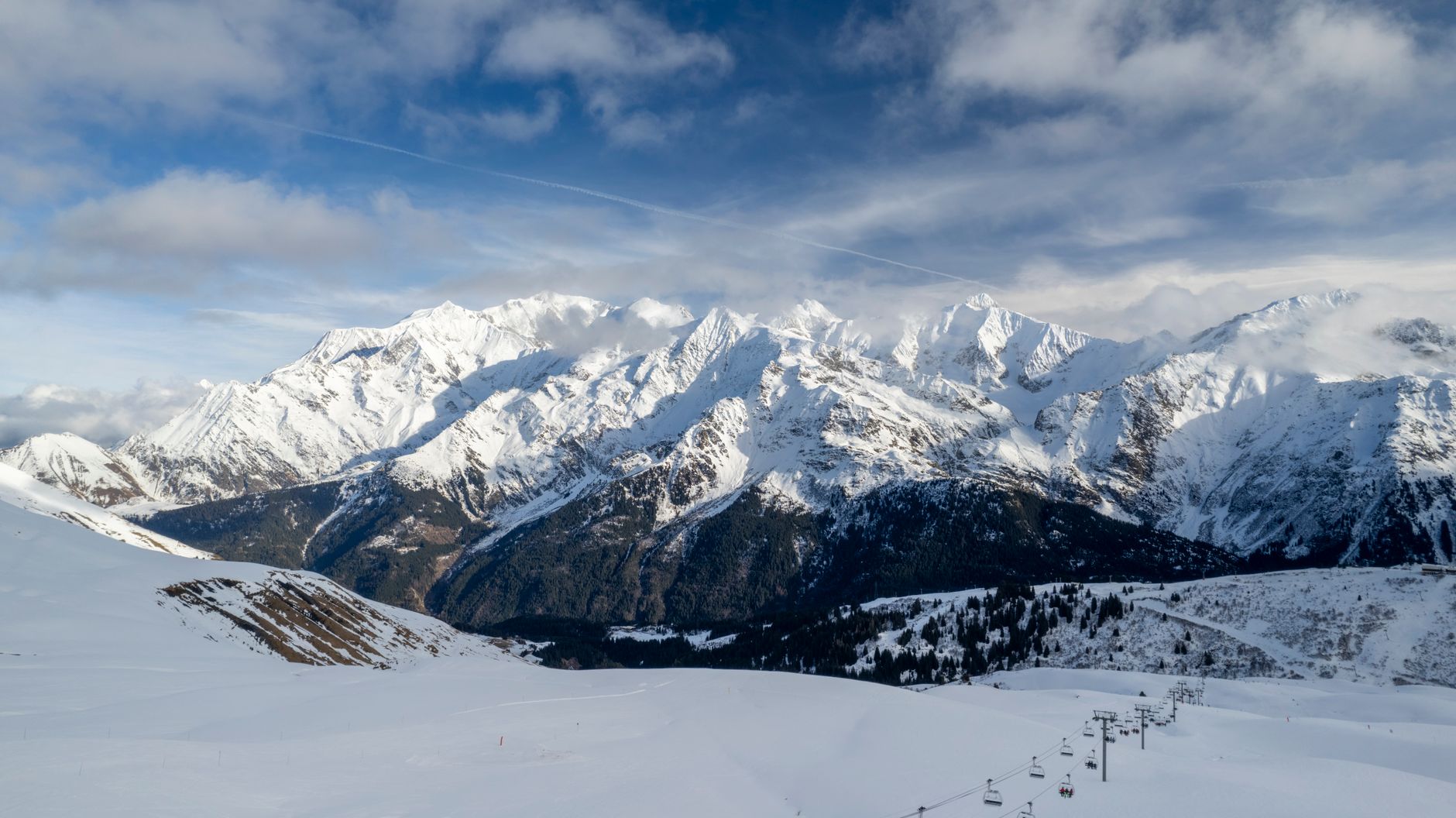
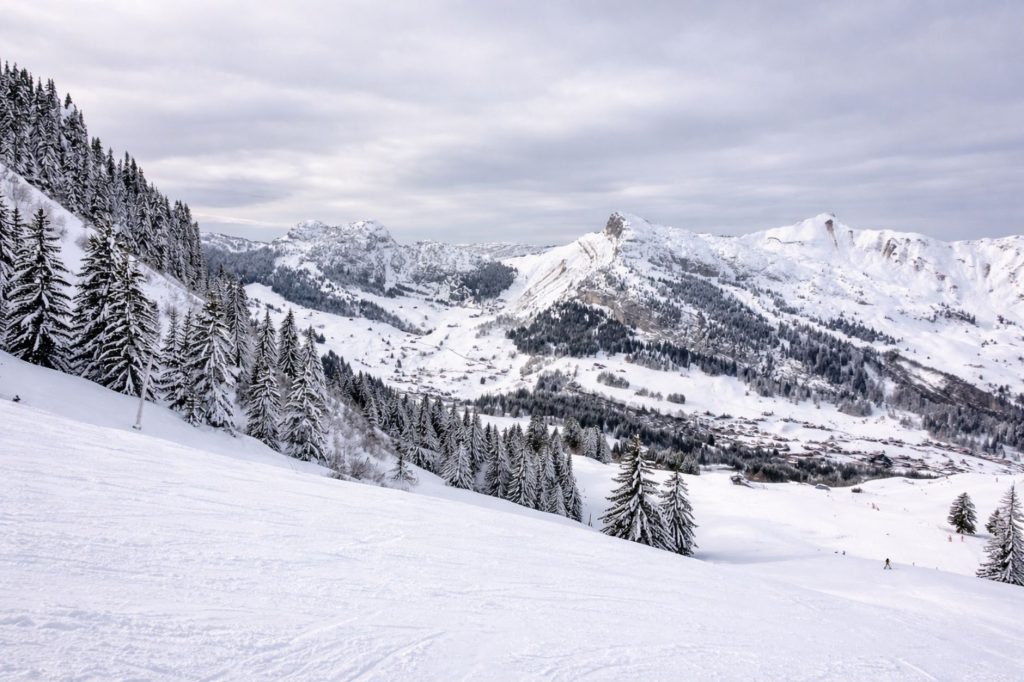
For winter travellers, the region also offers a stark contrast. While the coast can be brisk and windswept, the nearby Alps provide a warm, convivial atmosphere in resorts like Meribel. These ski resorts are built with strict regulations, resulting in architecture that blends seamlessly with the mountain environment. The chalets, made of wood, stone, and slate, offer comfort and a sense of community that is rare in purpose-built resorts. The ski areas are linked by high-capacity gondolas, making it easy to explore the vast Three Valleys area.
The appeal of these regions lies in their diversity. You can walk the historic streets of a medieval town in the morning and watch the sunset over a rugged coastline in the evening. The pace is slower, the food is fresher, and the history is more tangible. If you are planning a trip, consider how these coastal gems compare to other destinations. For instance, a trip to the UK might include a visit to Why You Must Visit Liverpool for its maritime history, but the depth of coastal history in France is unmatched.
The Iconic Must-See: Mont Saint-Michel and the Tides
Mont Saint-Michel is not just a monument; it is a feat of engineering and faith that has stood against the sea for centuries. The abbey perches atop a rocky tidal island, visible from miles around. Its silhouette is iconic, but the experience of visiting it is defined by the tides.
The tides here are among the fastest in the world. At high tide, the island becomes truly an island, cut off from the mainland. At low tide, the sandbars are exposed, and you can walk across to the base. This natural phenomenon is the reason the site is so dramatic. The water rushes in with a roar, turning the landscape from solid ground to a churning bay in a matter of hours.
To experience Mont Saint-Michel properly, you must plan around the tides. A common mistake is arriving at midday when the tide is high and the causeway is submerged. You end up waiting in long queues to cross a bridge, feeling the isolation of the island. Instead, aim for a time when the tide is going out. You can walk across the sand, taking in the vastness of the bay, and then ascend the village. The narrow streets are lined with souvenir shops, but the real magic is in the upper part of the village and the abbey itself.
The abbey is a UNESCO World Heritage site for good reason. It is a masterpiece of Gothic architecture, but it is also a functional fortress. The lower levels were designed to withstand siege, with thick walls and strategic openings. The upper levels are dedicated to prayer and contemplation. The view from the ramparts is breathtaking, offering a 360-degree panorama of the bay and the surrounding countryside.
Avoiding the crowds is key. The main square, with its restaurants and souvenir stalls, is always busy. Wander up the side streets. The village is a maze of narrow alleys that reveal quiet courtyards and hidden views. The abbey grounds are also less crowded, especially if you visit early in the morning or late in the afternoon.
The tide schedule changes daily, so check the official tide tables before you go. The water level can rise quickly, so stay aware of your surroundings. If you are driving, there are parking facilities on the mainland, but they can fill up quickly during peak season. Consider taking the shuttle bus or walking from the nearby town of Le Mont-Saint-Michel to avoid the hassle.
For a different kind of historic island experience, you might also look at Backpacking India, 5 Cities You Must Visit and Why to see how other cultures handle coastal heritage sites.
Walking the History of WWII: The Normandy D-Day Beaches
The Normandy coastline is a landscape of memory. The beaches of Omaha, Utah, Gold, Juno, and Sword are not just geographical features; they are sites of profound historical significance. The land here bears the scars of the largest amphibious invasion in history, and the emotional weight of these places is palpable.
Omaha Beach is the most famous of the American landing sites. The cliffs that rise steeply from the sand were heavily fortified by German forces, making the ascent a brutal challenge for the troops who landed there. Today, the beach is wide and sandy, but the memorial at Pointe du Hoc, perched on the cliffs, tells the story of the Rangers who scaled the cliffs under fire to destroy the German artillery pieces.
The American Cemetery at Colleville-sur-Mer is a place of quiet reverence. Rows of white headstones stretch across the hillside, overlooking the beach. It is a stark reminder of the cost of freedom. The cemetery is well-maintained, and the view from the top is poignant. Many visitors spend time here simply sitting in silence, reading the names of the fallen.
The British and Canadian beaches, Gold and Juno, offer a different perspective. The landscape here is more agricultural, with rolling hills and small villages. The memorials are less monumental but no less significant. The Juno Beach Centre provides excellent exhibits that detail the Canadian contribution to the liberation of Europe.
To visit these sites respectfully, it is important to understand the context. The beaches are public spaces, used by locals for walking and cycling. Stay on the paths, respect the memorials, and avoid loud behaviour in the cemetery grounds. Many of the small villages near the beaches, such as Arromanches-les-Bais, have preserved their war-time history. The Mulberry Harbour remains at Arromanches, a concrete breakwater that was built in just weeks to allow the Allied forces to unload supplies.
A guided tour can provide valuable context, but the sites are also well-signposted and easy to explore independently. Renting a car allows you to move between the beaches at your own pace, stopping at small museums and memorials along the way. The landscape is dotted with cemeteries, bunkers, and monuments, each telling a part of the story.
For those who appreciate historical sites, the experience in Normandy is comparable to visiting Must Visit restaurants in Brisbane in terms of cultural significance, though the scale and emotional impact are quite different.
The Dramatic Coastline: Cliffs, Ports, and Fishing Villages
The coast of Brittany and Normandy is a photographer’s dream. The contrast between the high, white cliffs of Normandy and the rugged, island-dotted coastline of Brittany creates a diverse landscape that is both dramatic and beautiful.
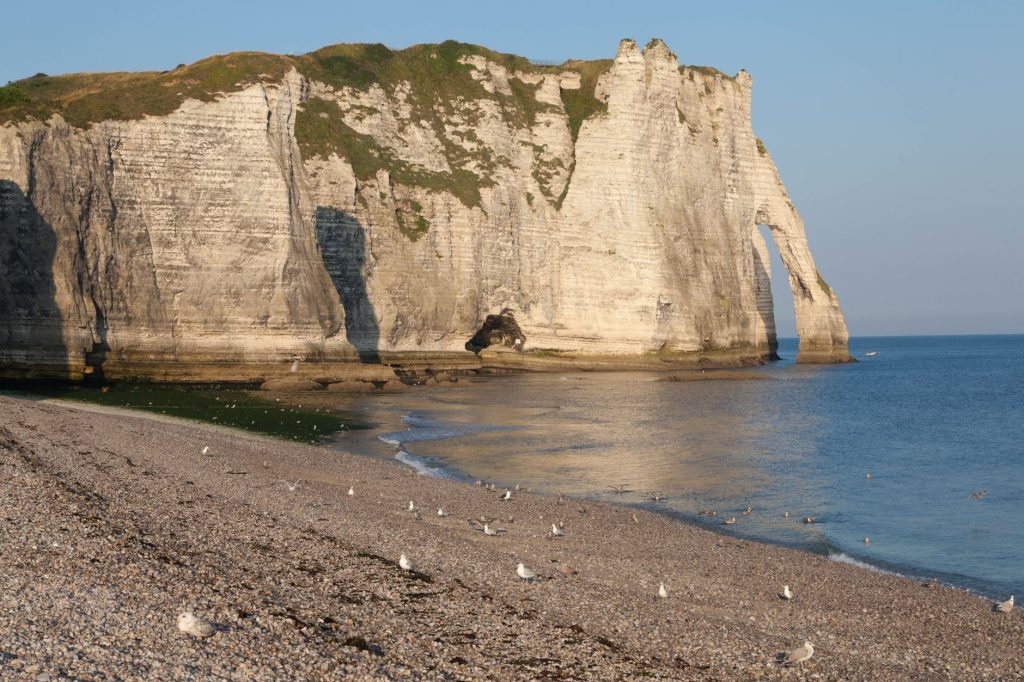
In Normandy, the cliffs of Étretat are a natural wonder. The arches and needles that rise from the sea have inspired artists like Monet and Boudin. The village at the base of the cliffs is charming, with narrow streets and colourful houses. The harbour is a hub of activity, with fishing boats and pleasure yachts. The town of Honfleur, nearby, is a masterpiece of maritime architecture. Its old port, the Vieux Bassin, is lined with covered boats that have been moored there for centuries. The architecture is unique, with steep, gabled roofs that reflect the local style.
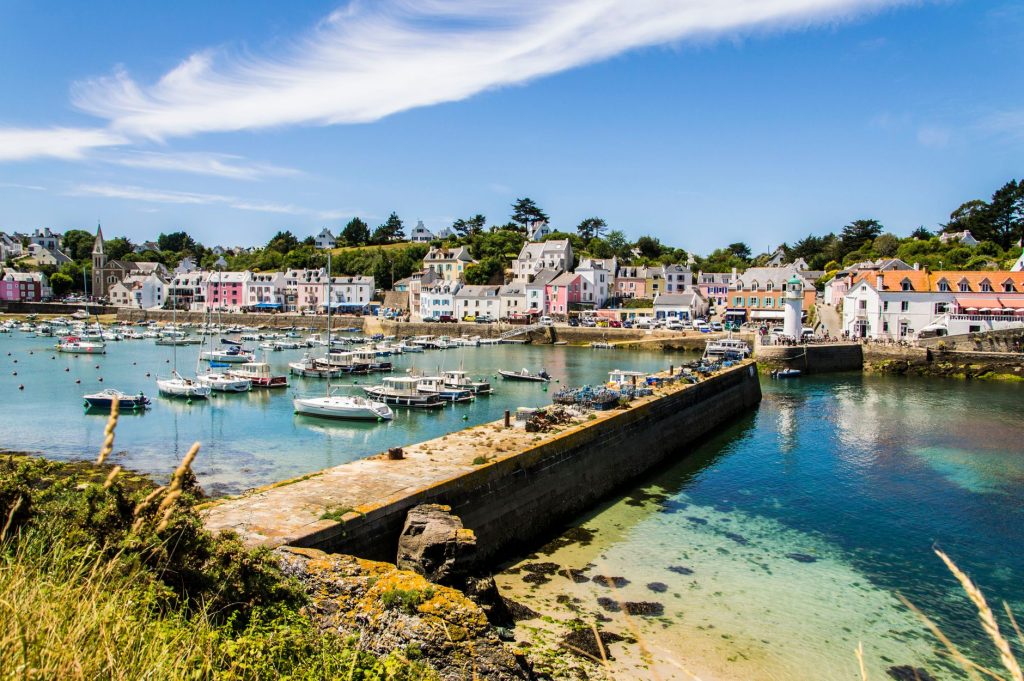
Brittany’s coast is different. It is rockier, more exposed, and often windswept. The Pink Granite Coast, or Côte de Granit Rose, near Perros-Guirec is a striking feature. The rocks, tinted pink by the iron in the granite, create a surreal landscape. The islands off the coast, such as Bréhat and Ouessant, offer a sense of isolation and wild beauty. The mainland coast is dotted with fishing villages that have retained their traditional character.
The port of Roscoff is a gateway to Ireland, and the town has a lively atmosphere. The market in Roscoff is known for its fresh produce, particularly the famous Roscoff artichokes. The coastal path, the Grande Randonnée, offers miles of walking opportunities, with views of the sea and the cliffs.
For those who enjoy photography, the best times to visit are during the golden hour, either early in the morning or late in the afternoon. The light is softer, and the crowds are thinner. The weather can be unpredictable, so be prepared for rain and wind. The coastal paths can be slippery, so wear sturdy footwear.
The fishing villages are not just picturesque; they are working ports. Respect the fishermen and their boats. Many of the villages have museums that tell the story of the local fishing industry. The seafood here is fresh and affordable, and many restaurants serve the day’s catch.
The contrast between the two regions is part of their appeal. Normandy’s cliffs are dramatic and vertical, while Brittany’s coast is rugged and textured. Both offer a sense of the raw power of the sea.
A Culinary Journey: Seafood, Crêpes, and Cider
The food in Brittany and Normandy is a reflection of the land and the sea. The regions are famous for their dairy products, their cider, and their seafood. The cuisine is simple, honest, and deeply satisfying.
Brittany is the home of the crêpe. The galette, made from buckwheat flour, is a traditional dish that is served with a variety of fillings, from ham and cheese to mushrooms and eggs. The sweet crêpe, made from wheat flour, is often served with sugar, jam, or Nutella. The villages are dotted with crêperies, and the best ones are often found in the smaller towns. The key to a good galette is the balance of the batter and the quality of the ingredients.
Normandy is the land of apples. The region produces some of the best cider in the world, a sparkling, slightly alcoholic beverage that is perfect for pairing with food. The cider route is a popular driving route that takes you through the orchards and cider houses. The cheese is also famous, with Camembert and Pont-l’Évêque being the most well-known varieties. The dairy products are rich and creamy, a result of the lush pastures.
The seafood is equally impressive. The oysters from the bay of Marennes-Oléron are world-renowned. The mussels from Brittany are fresh and sweet. The markets are a great place to experience the local food culture. The market in Vannes is one of the largest in the region, with a wide variety of produce. The farmers’ markets in the countryside offer a more authentic experience, where you can talk to the producers and learn about their methods.
To experience the food authentically, visit the local markets and farm shops. Look for signs that indicate fermier (farmer) or artisan (artisan). The best crêperies are often unassuming, with simple menus and a focus on traditional recipes. The cider houses often offer tastings and tours, giving you a insight into the production process.
The combination of seafood and cider is a classic pairing. The acidity of the cider cuts through the richness of the seafood, creating a balanced and refreshing meal. The cheese and cider is another classic combination, perfect for an aperitif or a light meal.
For those who love food, the experience in Normandy is comparable to exploring Must Visit restaurants in Brisbane in terms of culinary diversity, though the focus here is on tradition and local produce.
Getting There and Getting Around: Transport and Logistics
Getting to Brittany and Normandy is relatively easy, but the best way to explore the regions depends on your itinerary. The regions are well-connected by train, but a car is often necessary for getting the most out of the countryside.
The TGV high-speed train connects Paris to Rennes and Caen in about two and a half hours. From these cities, you can take local trains or buses to reach the smaller towns and villages. The train network is efficient and comfortable, but the schedules can be infrequent in rural areas. If you are planning to visit multiple sites in a day, a car will save you time and flexibility.
Renting a car is highly recommended for exploring the coast. The roads are well-maintained, and the driving is generally easy. However, be prepared for narrow streets in the old towns and villages. Parking can be difficult in popular tourist spots, so arrive early or use the designated parking areas. The cost of parking can add up, so check the rates in advance.
If you choose not to drive, the regional bus networks, or cars, are extensive. The Ter train network also covers many routes. The key is to plan your route carefully, as the buses do not run as frequently as trains in cities. The tourist offices in the main towns can provide detailed maps and schedules.
For those who prefer a guided experience, there are many tour operators that offer day trips to the key sites. These tours often include transportation and commentary, making it easy to see the highlights without the stress of navigation. However, a self-drive trip allows you to discover hidden gems and stop at small villages that are not on the typical tourist route.
The weather can affect driving conditions, especially on the coastal roads. Wind can be strong, and rain can make the roads slippery. Drive carefully, especially on the narrow lanes that wind through the countryside.
The logistics of getting around are straightforward, but they require some planning. A car offers the most freedom, but public transport is a viable option if you are sticking to the main towns and sites.
Choosing Your Base: Where to Stay for Maximum Impact
Where you stay can make or break your trip. Choosing the right base town allows you to explore the surrounding areas without spending hours in transit.
For Brittany, the towns of Dinan and Vannes are excellent bases. Dinan is a medieval town with a well-preserved old town and a castle. It is located on the Rance river and has a lively atmosphere. Vannes is a walled town with a beautiful harbour and a vibrant market. Both towns have good transport links and a wide range of accommodation options.
For Normandy, Caen and Bayeux are the best options. Caen is a historic city with a large castle and museums. It is well-connected by train and has a wide range of amenities. Bayeux is a smaller town, famous for its tapestry and its proximity to the D-Day beaches. It is a charming town with a relaxed atmosphere.
If you are visiting for skiing, Meribel is the ideal base. The resort is built around a central village, with easy access to the ski lifts and the slopes. The chalets are comfortable and well-equipped, and the après-ski scene is lively. The resort is designed for skiers, with many shops and restaurants catering to their needs.
The choice of accommodation depends on your budget and preferences. Brittany and Normandy offer a range of options, from campsites to boutique hotels. The holiday properties for sale in the region are also a popular option for those who want to return year after year.
The key is to choose a base that is central to your itinerary. If you are focusing on the D-Day beaches, stay in Bayeux. If you are exploring the coast, stay in Vannes or Dinan. The closer you are to the sites, the more time you will have to explore.
The accommodation in Meribel is different from the coastal towns. The chalets are built for winter, with features like fireplaces and ski storage. The village is compact, making it easy to walk to the lifts and the restaurants.
Choosing the right base is about balancing convenience and experience. A town with a good transport link will save you time, while a smaller village will offer a more authentic experience.
Seasonal Guide: When to Visit for the Best Experience
The best time to visit depends on what you want to do. Each season offers a different experience, with its own advantages and disadvantages.
Spring is a time of renewal. The landscapes are green, and the crowds are thin. The weather can be unpredictable, with rain and wind, but the light is beautiful. The Fêtes de la Mer in Brittany are a celebration of the sea, with parades and events. This is a good time for walking and exploring the villages.
Summer is the peak season. The weather is warm, and the days are long. The coastal towns are busy, and the accommodation is more expensive. The tides at Mont Saint-Michel are high, so you may need to take the shuttle bus. The beaches are crowded, but the atmosphere is lively. This is the best time for swimming and outdoor activities.
Autumn is a time of colour. The leaves change, and the light is golden. The crowds thin out, and the prices drop. The cider harvest is in full swing, and the cider houses are busy. This is a good time for photography and wine tasting. The weather can be cool, so bring warm clothing.
Winter is a time of contrast. The coast is brisk and windswept, but the ski resorts are in full swing. Meribel is a popular destination for skiers, with a lively atmosphere. The coastal towns are quiet, and the museums are less crowded. This is a good time for relaxation and indoor activities.
The weather in the coastal regions can be harsh, especially in winter. The wind can be strong, and the rain can be heavy. Be prepared for all conditions, and check the weather forecast before you go.
The best time to visit Mont Saint-Michel is during the shoulder seasons, spring and autumn. The crowds are smaller, and the weather is milder. The tides are still dramatic, but the light is softer.
Choosing the right season is about matching your interests with the conditions. If you love crowds and sunshine, go in summer. If you prefer quiet and colour, go in autumn.
Common Mistakes to Avoid and Practical Tips
Even with good planning, there are common pitfalls that travellers fall into. Avoiding these mistakes will make your trip smoother and more enjoyable.
One of the biggest mistakes is underestimating the tide schedules at Mont Saint-Michel. If you arrive at the wrong time, you may miss the best views or get stuck waiting for the shuttle. Always check the tide tables and plan your visit accordingly.
Another mistake is trying to do too much in one day. The regions are large, and the sites are spread out. It is better to focus on a few key areas and explore them thoroughly than to rush from one site to another. Take your time and enjoy the journey.
Missing out on the rural cider routes is a common error. Many visitors stick to the main tourist sites and miss the charm of the countryside. Take a detour and explore the small villages and cider houses. The experience is often more rewarding than the famous monuments.
Not checking the opening times of museums and monuments is another mistake. Many smaller sites have limited opening hours, especially in the winter. Check the official websites before you go to avoid disappointment.
Ignoring the weather is a mistake. The coastal regions can be windy and rainy, even in summer. Bring waterproof clothing and sturdy footwear. The coastal paths can be slippery, so be careful.
Finally, not renting a car when you need one can limit your experience. If you plan to explore the countryside, a car is essential. The public transport is not always reliable in rural areas.
By avoiding these mistakes, you will have a more relaxed and enjoyable trip. The key is to plan ahead, stay flexible, and enjoy the moment. The regions of Brittany and Normandy offer a wealth of experiences, and with the right preparation, you can make the most of them.
The best places to visit in Brittany and Normandy are not just about the sights; they are about the feeling of being there. The smell of the sea, the taste of the cider, and the sound of the tides are what make the trip memorable. Plan well, stay aware, and let the region surprise you.