By
By The light hits the Douro river in the late afternoon and turns the stone of the Ribeira into something close to gold. It is a moment that draws everyone with a camera, but it also draws the crowds. If you arrive in the middle of the day, you will find yourself navigating past tour groups, dodging scooters, and waiting for a table that is always full. Porto rewards patience. It rewards those who understand that the city is not a flat grid but a vertical stack of narrow streets, historic quarters, and steep inclines that demand physical effort.
This Porto travel guide is built for people who want to see the real city, not just the postcard view. It is about moving at a human pace, finding quiet corners, and understanding how the river shapes daily life here. Whether you are planning a short break or a longer stay, the key is to embrace the geography. The city is divided by water and elevation. The old centre sits on the left bank, steep and compact. The right bank, Vila Nova de Gaia, is where the wine lodges rest. Connecting them are bridges that offer different perspectives depending on how you cross.
The best way to experience Porto is to spread your time across two unhurried days. Rushing through the highlights leaves you exhausted and with little memory of the atmosphere. Instead, base yourself in the old centre or the nearby Cedofeita district. These neighbourhoods put you within walking distance of the major sights but keep you away from the heaviest tourist arteries. You will find quieter streets just a few blocks away, where locals buy bread and drink coffee in the morning. This approach allows you to see the tiles, the terraces, and the river without feeling like you are being herded. It also gives you the flexibility to linger where you feel comfortable and skip the places that feel too commercialised.
Ribeira and the old centre: where the postcards come from
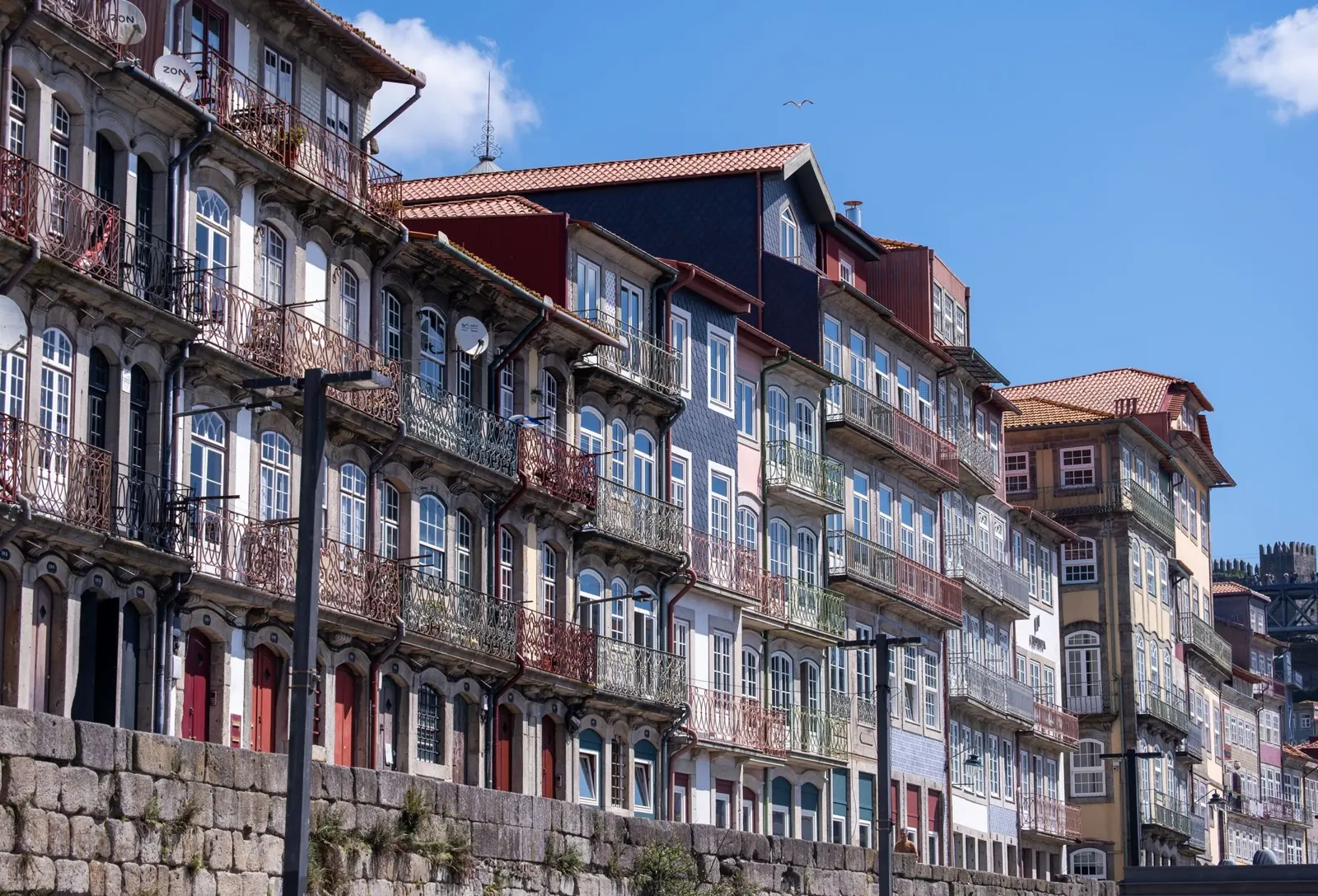
The Ribeira is the most photographed part of the city, and for good reason. The riverside quarter is a dense cluster of medieval houses painted in warm yellows, oranges, and reds. They lean towards the water, their facades worn by centuries of Atlantic winds and river mist. The narrow streets here are a labyrinth. You will find yourself turning corners only to discover a sudden view of the river or a quiet plaza with a fountain. It is easy to get lost, and that is part of the charm.
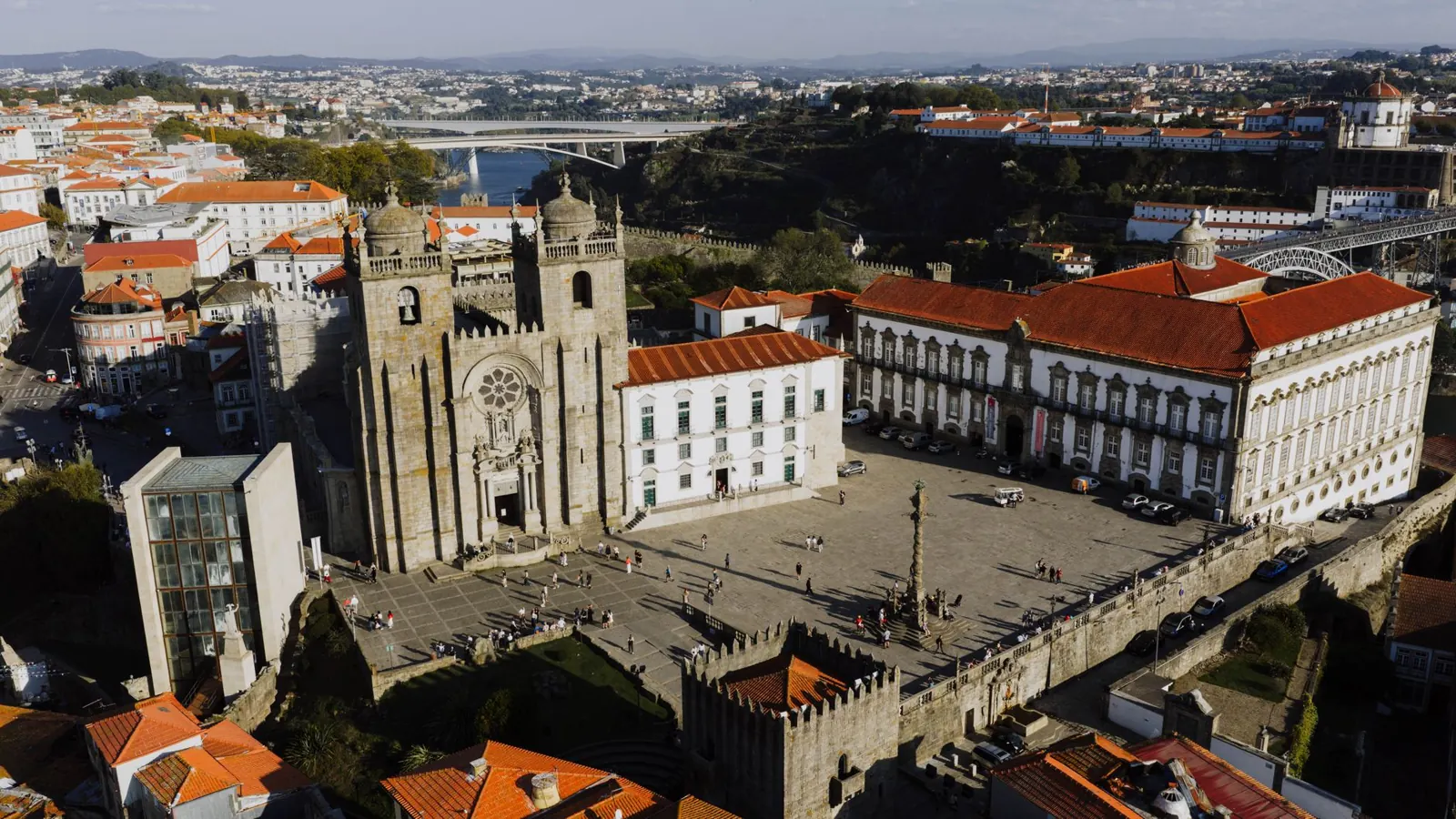
The main thoroughfare, Rua de Santa Catarina, runs perpendicular to the river. It is busy, lined with shops and cafes, and best avoided during peak hours. Instead, head up the steep steps towards the Sé do Porto, the cathedral. The climb is worth it for the silence and the view. The cathedral itself is a fortress-like structure on a hill, offering a panoramic perspective of the old town. From here, you can see how the city cascades down to the water.
To see the Ribeira without the crowds, timing is everything. Go early in the morning, before the tour buses arrive. The streets are empty, the light is soft, and you can hear the river without the noise of conversation. Alternatively, visit in the evening after the day-trippers have left. The restaurants light up, the atmosphere shifts from touristy to intimate, and the river reflects the city lights. The tiled churches nearby, such as the Church of São Francisco, are stunning inside, with intricate woodwork and azulejo tiles. The railway station is also a short walk away, a grand building covered in blue tiles that tells the history of Portugal.
When exploring this area, keep your phone close but your eyes up. The cobbles are uneven, and the steps can be steep. Wear comfortable shoes with good grip. The narrow streets are also prone to sudden drops and hidden obstacles. If you are visiting with young children or mobility issues, the steep inclines and uneven paving might be challenging. Consider using the lower level of the riverfront for easier access.
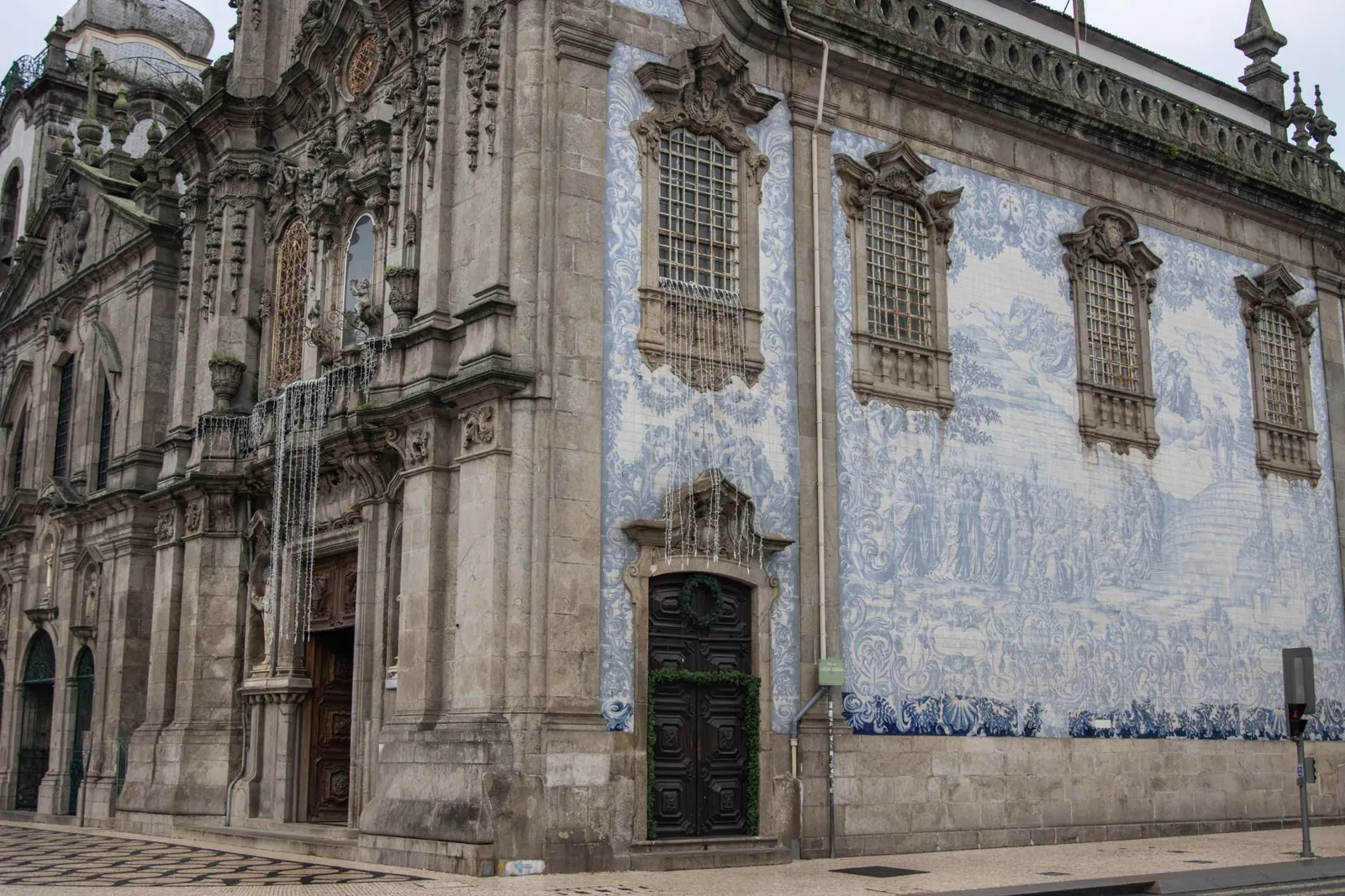
The old centre is also home to some of the city’s best bookshops and artisan shops. These are often tucked away in side streets. Take the time to look up at the tiled facades. The patterns are intricate and tell stories of maritime history and religious iconography. It is a visual feast that requires slowing down to appreciate.
Crossing the river: the cellars and the far bank
The Douro river is the spine of Porto. On the other side lies Vila Nova de Gaia, home to the famous port wine lodges. These cellars are where the wine is aged and stored. The tradition goes back centuries, with the wine being shipped from here to England and beyond. Crossing the river is an essential part of the experience. You can take a traditional rabelo boat, a flat-bottomed vessel once used for transporting wine barrels, for a short cruise. The ride is brief but offers a unique perspective of the bridges and the old town skyline.
The wine lodges are clustered along the waterfront. They are large, historic buildings with cellars that stretch deep underground. The air inside is cool and smells of wood and fermentation. Visiting a lodge usually involves a guided tour and a tasting. The tours are informative, explaining the blending process and the history of port wine. The tastings typically include a variety of ports, from young ruby to vintage tawny. It is a social experience, often ending with a glass of wine on a terrace overlooking the river.
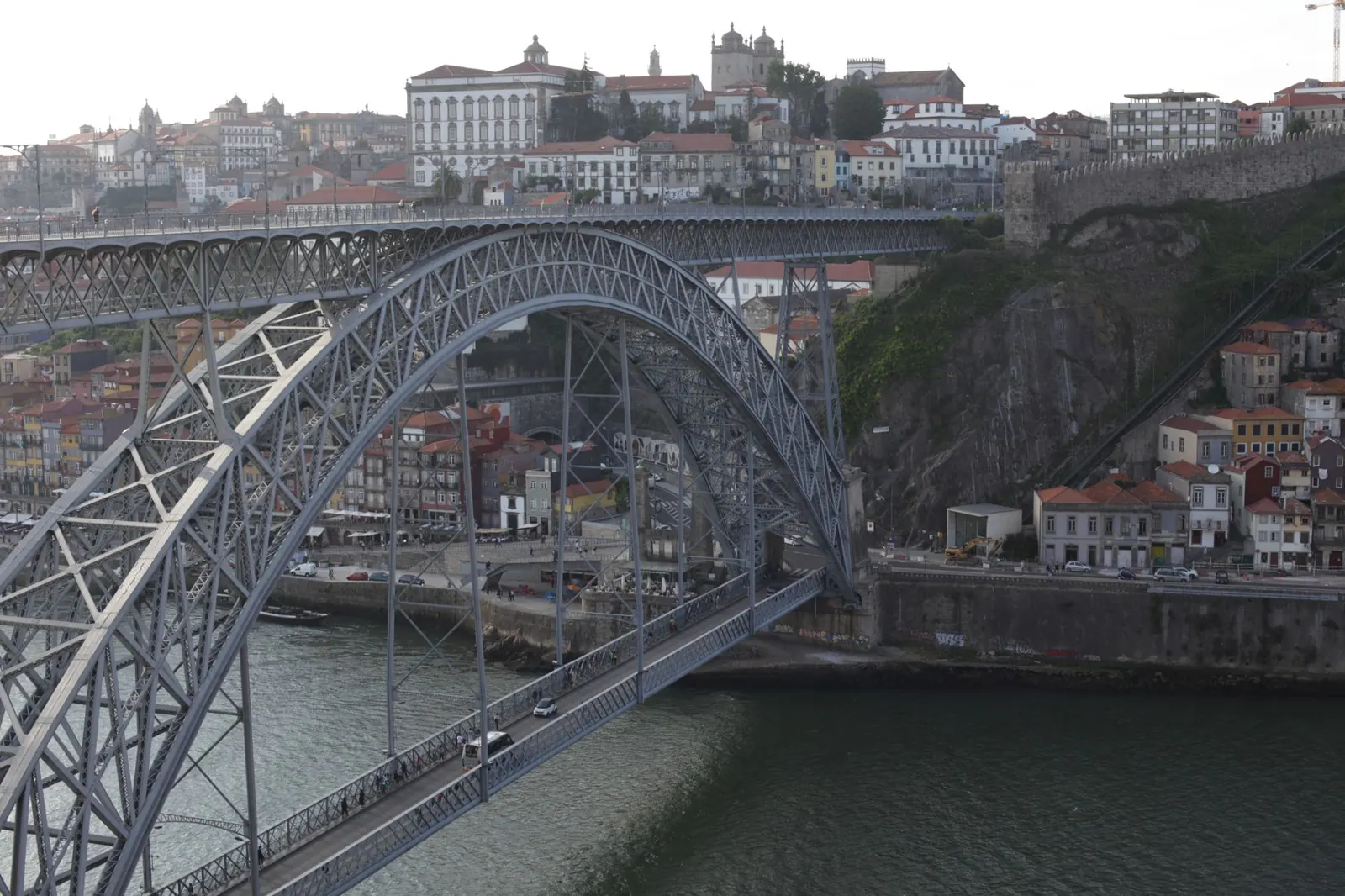
If you prefer to cross on foot, the Dom Luís I Bridge is the best option. It has two decks. The upper deck carries pedestrian and light traffic, offering high-up views of the river and the city. The lower deck is closer to the water and connects directly to the wine lodges. Walking across the upper deck is a dramatic experience, with the river far below and the wind whipping around you. The view from the top is one of the best in the city.
For those who prefer a more relaxed crossing, the cable car runs between the two banks. It is a quick ride with good views, though it can be crowded. Once in Gaia, you can explore the gardens and parks. The Crystal Palace Gardens are a highlight, with terraced paths and panoramic views. The area is less crowded than the Ribeira, making it a good place to relax and enjoy the view.
The wine lodges are open throughout the year, but the experience can vary depending on the season. Summer is busy, so booking in advance is advisable. Winter is quieter, and the cellars feel more intimate. The tasting rooms are often warm and inviting, with comfortable seating and knowledgeable staff. It is a place to learn and enjoy, not just to buy bottles.
Streets of tiles and bookshops
Porto is known as the City of Tiles. The azulejo, or ceramic tile, is a defining feature of the architecture. You will see them on churches, palaces, and even modern buildings. The blue and white patterns are everywhere, creating a cohesive visual identity for the city. Some tiles are simple geometric designs, while others depict complex scenes from history or religion. The Church of São Francisco is a prime example, with its interior covered in intricate woodwork and tiles.
The old centre is also a haven for bookshops. The Lello Bookshop is perhaps the most famous, often cited as one of the most beautiful in the world. It is a grand, library-style space with a striking red staircase and stained-glass ceiling. It is beautiful, but it is also very busy. If you visit, go early or late to avoid the crowds. The atmosphere inside is magical, with high ceilings and rows of books stretching into the distance. It is a place that inspires reading and reflection.
Shopping in Porto is a mix of traditional markets and modern boutiques. The Mercado do Bolhão is a covered market that has been renovated and now houses a mix of local food vendors and artisan shops. It is a great place to see local produce and buy gifts. The streets around it are lined with cafes and small shops selling ceramics, textiles, and souvenirs. It is a vibrant area that feels authentic and lively.
When walking around, look up. The tiles are often placed high on the walls, telling stories that are easy to miss if you are looking at your phone. The edges of the pavement can be uneven, so keep an eye on where you are stepping. The narrow streets can be dark and confusing, so having a map or a sense of direction helps. The city is best explored on foot, allowing you to discover hidden courtyards and quiet alleys.
The bookshops are not just for buying books; they are cultural hubs. Many host events, readings, and exhibitions. It is worth spending time browsing in these spaces, away from the noise of the streets. The staff are often knowledgeable and passionate about literature. It is a reflection of the city’s intellectual heritage.
What to eat in Porto
Porto food is hearty, flavourful, and deeply connected to the region. The city is famous for its sandwiches, particularly the Francesinha. This is a substantial dish consisting of bread, cured meats, a fried egg, and melted cheese, all covered in a rich beer-based sauce. It is heavy and satisfying, best shared or eaten when you have time to digest it. It is not a light lunch, but it is a quintessential Porto experience.
Tripe stew, or Tripas à Moda do Porto, is another local specialty. Historically, it was made by the locals who ate the meat and saved the tripe for the sailors who went on voyages. Today, it is a celebrated dish, often served in traditional restaurants. The flavour is deep and complex, with a mix of spices and vegetables. It is a dish that tells a story of the city’s history.
Seafood is also prominent, given the proximity to the Atlantic. Grilled fish, such as sea bass or sea bream, is fresh and simply prepared. The fish is often served with potatoes and vegetables, allowing the natural flavour of the fish to shine. The river fish, like the dourada, are also popular. They are delicate and require careful cooking to preserve their texture.
Pastries are a must. The pastel de nata, or custard tart, is found throughout the city, but the ones in Porto are particularly good. They are crispy, creamy, and dusted with cinnamon. Coffee is taken seriously here. The espresso is strong and dark, often served in small cups. It is a ritual that punctuates the day.
The Mercado do Bolhão is a great place to sample local foods. You can try different cheeses, sausages, and pickles. It is a sensory experience, with the smells of food and the sound of vendors calling out. For a more formal meal, look for restaurants that offer a fixed lunch menu. These are often more affordable and give you a taste of the chef’s best dishes.
Dinner in Porto starts later than in many other places. It is common to eat after eight in the evening. This allows for a leisurely meal, often lasting several hours. The atmosphere in the restaurants is relaxed, with good music and friendly service. It is a time to socialise and enjoy the company of others.
Beaches, parks and the Atlantic edge
Porto is not just about the river and the city. It is also close to the Atlantic coast. The seafront promenade is long and scenic, offering views of the ocean and the cliffs. It is a place for walking, cycling, and relaxing. The beach is popular in the summer, with locals and tourists enjoying the sun and the waves. It is a stark contrast to the historic centre, offering a more open and airy feel.
The crystal gardens and parks are oases of green in the city. The Crystal Palace Gardens, mentioned earlier, are a highlight. They are terraced and offer panoramic views of the river and the sea. The gardens are well-maintained, with fountains, statues, and paths that wind through the trees. It is a peaceful place to escape the noise of the city.
For those who enjoy the outdoors, the surf beaches are a draw. The water is cold, but the waves are consistent. It is a place for experienced surfers, but beginners can also find suitable spots. The sunset over the ocean is spectacular, with the sky turning shades of orange and pink. It is a moment of beauty that draws people to the coast.
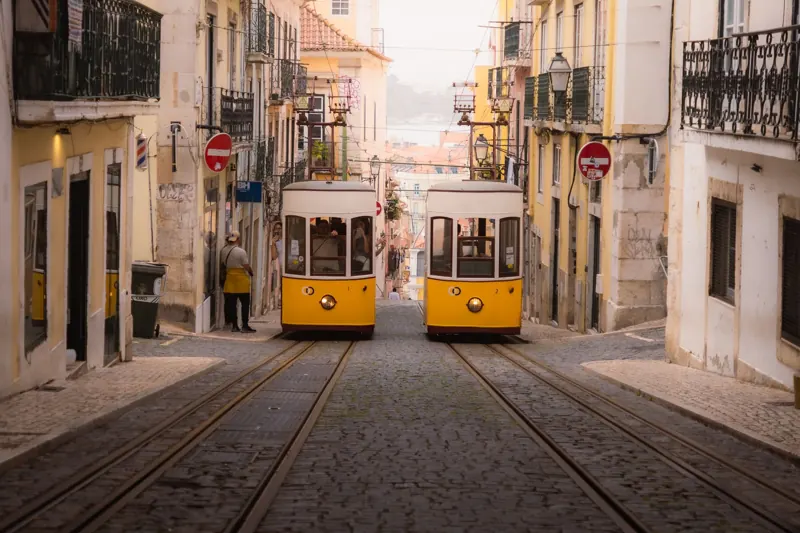
Trams are a nostalgic way to get around. They run on specific routes, offering a slow and scenic journey through the city. The ride is slow, but it allows you to see the architecture and the streets in detail. It is a romantic way to travel, especially in the evening.
Rain is common in Porto, but it does not stop the city from being enjoyable. The parks and gardens provide sheltered walks. The museums and galleries are good alternatives for a rainy day. The coffee shops and bookshops are also ideal for staying dry. The city has a cosy atmosphere when it rains, with the sound of rain on the tiles adding to the mood.
Practical Porto: hills, trams, weather and timing
Porto is a city of hills. The streets are steep and winding, and the cobbles can be slippery. Walking here is a workout. Wear comfortable shoes with good support. The inclines are part of the experience, but they can be tiring if you are not prepared. The city is compact, so most sights are within walking distance, but the elevation gain adds up.
Getting to Porto is easy. The airport is close to the city centre, with connections to the metro and taxis. The metro is efficient and covers most of the city. It is a good option for longer distances or when you want to avoid the hills. The trains are clean and reliable, connecting the city to other parts of Portugal.
The weather in Porto is mild but unpredictable. Rain can come suddenly, so carry an umbrella or a light jacket. The summers are warm, but the sea breeze keeps it comfortable. The winters are cool and damp, but the city is still lively. The best time to visit is in the spring or autumn, when the weather is mild and the crowds are smaller.
Safety in Porto is generally good. The city is walkable, and the streets are well-lit. Keep an eye on your belongings in crowded areas, as pickpocketing can occur. The locals are friendly and helpful, often going out of their way to assist tourists.
Booking restaurants in advance is advisable, especially for popular spots. The demand for tables can be high, and walk-ins might have to wait. The lunch menus are a good value, offering a full meal for a reasonable price. The dinner service is more relaxed, allowing for a longer stay.
The quiet days are weekdays, when the tourists are fewer. This is the best time to explore the narrow streets and enjoy the city at a slower pace. The weekends are busier, with more events and activities. Plan your itinerary accordingly, balancing the busy and quiet times.
Planning a longer Iberian trip? Our guide to Lisbon on Foot: Hills, Viewpoints and the Neighbourhoods Worth Your Time shares the same hills-and-cobbles logic, and The Ultimate Guide to Travelling Around Europe covers how to link the cities.
Day trips from Porto
Porto is a great base for exploring the surrounding region. The Douro Valley is the most famous day trip. It is a UNESCO World Heritage site, known for its terraced vineyards and wine production. You can take a train or a boat to explore the valley. The train journey is scenic, passing through mountains and rivers. The boat ride is slower but offers a closer view of the vineyards. The valley is beautiful in any season, but autumn is particularly striking, with the leaves changing colour.
The historic university city of Coimbra is another option. It is known for its university, one of the oldest in Europe. The city has a rich cultural heritage, with music, literature, and architecture. It is a day trip that offers a different perspective on Portuguese history. The journey takes a few hours, so it is best for those with more time.
The coastal towns north and south of Porto are also worth visiting. The north has fishing villages and cliffs, while the south has wider beaches and resorts. These towns offer a break from the city, with a focus on nature and relaxation. The journey is short, making it easy to fit into a weekend trip.
When planning a day trip, consider the distance and the time required. The Douro Valley is the most popular, but it can be crowded. Book tours or transport in advance. The train to the valley is a good option, as it allows you to stop at different stations and explore the villages. The boat ride is more leisurely, allowing you to enjoy the scenery.
Not all day trips are realistic in one day. Some towns are too far, or the experience is better spread over multiple days. It is important to prioritise based on your interests. If you love wine, the Douro Valley is essential. If you prefer history, Coimbra is a must. If you want relaxation, the coastal towns are ideal.
If you have only one free morning, spend it on the river: cross the upper deck of the big bridge on foot, walk down to the water on the far side and take the slow way back. Everything else in Porto is easier once you have felt how the city stacks up from that gorge.
Official sources and further reading
Opening times, entry rules and prices change, so check them on the official sites before you travel:
- Visit Portugal: Portugal's official tourism site, including the Algarve.
- GOV.UK: foreign travel advice: Entry rules, safety and health notices for every country, kept up to date by the UK government.