 By
By You stand at the bottom of a steep lane, looking up at a tiled façade that seems to float halfway up the hill, and realise you have underestimated the gradient. Your legs are already warm, and the cobblestones beneath your feet are uneven, demanding attention with every step. This is the reality of moving through the city by foot. It is not a flat, easy stroll; it is a vertical exercise that rewards those who respect the topography.
To navigate this terrain successfully, you need to understand how the city is built. It rises from the river in distinct tiers. The lower levels are flat grids and wide squares. The middle sections are a tangle of steep, narrow lanes. The upper zones offer expansive views but require serious effort to reach. Trying to fight the slope head-on without a plan will drain your energy before you reach your destination. A loose itinerary works best here. You might aim for a general direction rather than a specific address, allowing the hills to dictate your pace. Lisbon can be one stop on a longer route; The Ultimate Guide to Travelling Around Europe covers how to link cities without wearing yourself out.
Why Lisbon rewards walkers and punishes the unprepared
The city’s layout is defined by its relationship with the river and the hills that rise behind it. This topography creates a natural hierarchy of movement. The flat areas near the water are wide and accommodating. The higher you go, the narrower and more winding the streets become. This structure means that walking is not just an option; it is the primary way people live and move through the neighbourhoods. However, the physical demand is significant.
The ground itself presents a challenge. The traditional cobblestones, known locally as calçada, are beautiful but treacherous when wet. They become polished and slick, offering little grip. Even when dry, the uneven surface requires constant attention to avoid twisted ankles. This physical requirement punishes those who arrive with poor footwear or an expectation of easy strolling. It rewards those who pace themselves and understand the terrain.
Reading the map requires a different approach than in flat cities. Instead of focusing solely on street names, look at the elevation. The river is the baseline. Every street that slopes upward is gaining elevation. If you want to conserve energy, try to walk with the slope, going downhill when possible, rather than constantly climbing. This changes the rhythm of your day. A route that looks short on paper might take twice as long if it involves a steep climb.
A loose plan beats a tight schedule because the hills are unpredictable. You might spot a small square or a quiet alley that draws you in, altering your original path. If you are rigid, these diversions feel like delays. If you are flexible, they become the highlight of the walk. The city unfolds in layers. You might start in a bustling area and end up in a quiet residential lane with laundry hanging overhead. This verticality creates a sense of discovery that flat cities often lack.
The reward is the view. Every climb offers a payoff in the form of a vista over the river, the red roofs, or the distant bridge. These moments make the effort worthwhile. However, if you push too hard without rest, the climb feels endless. The key is to listen to your body. If your legs are burning, find a viewpoint and sit for a while. The city is designed for pauses. The terraces and squares act as resting points, allowing you to recover before the next ascent.
Alfama: getting lost on purpose
Alfama is the oldest part of the city, a maze of narrow lanes that wind up the hill below the castle. It feels distinct from the rest of the urban grid. The streets are too narrow for cars, preserving a quiet, village-like atmosphere despite being in the centre. This area is best experienced by wandering without a strict destination. The layout is designed for pedestrians, with stairs connecting different levels and small plazas appearing unexpectedly.
Approaching Alfama from the top offers a better experience than starting from the bottom. If you begin at the castle, you can walk down through the lanes. The descent is easier on the legs and allows you to take in the views of the river and the red tiles below. As you walk, you will notice the details: washing lines strung between buildings, small squares with fountains, and doorways that open onto steep steps. These elements create a sense of intimacy and history.
The sound of fado often drifts out of open windows or small taverns. It is not always performed in the famous restaurants with ticketed seats. Sometimes it is just a voice rising from a courtyard. This adds to the atmosphere without requiring you to commit to a dinner. The music is melancholic and reflective, matching the narrow, shadowed lanes.
Finding your way back can be tricky if you go too deep. The streets curve and intersect in ways that do not follow a logical grid. If you get lost, look for the river. The sound of water or the sight of the bridge can help you orient yourself. Alternatively, follow the crowds. Most paths eventually lead to a larger street or a viewpoint. Do not panic if you are disoriented. Getting lost is part of the charm.
What not to rush is the small squares. These hidden pockets are where locals gather. They are places to sit, watch the world go by, and feel the pace of the neighbourhood. If you hurry through, you miss the essence of Alfama. Take time to look at the architecture, the textures of the walls, and the way light falls on the stones. The area is best explored in the morning or late afternoon when the crowds are thinner. Midday can be hot and crowded, making the narrow lanes feel claustrophobic.
If you like this way of seeing a city, the same slow, on-foot approach works for Palma done in a day, where the old town is compact and much flatter.
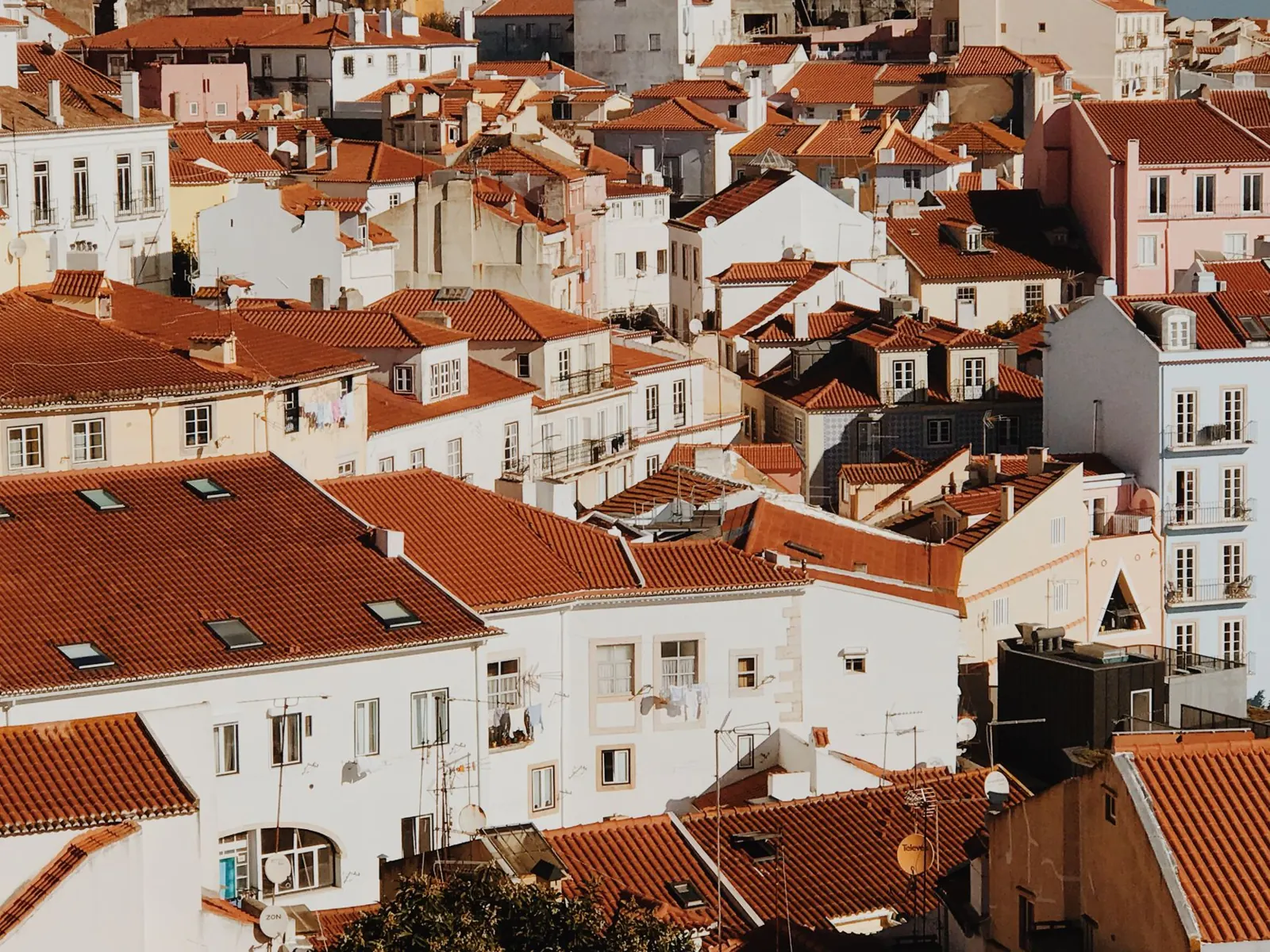
Baixa and Chiado: the flat middle and the climb out
Between the steep hills of Alfama and the higher districts lies Baixa. This area is defined by its grid pattern, laid out after the great earthquake. The streets are straight, wide, and flat. This is a relief for your legs. The architecture is uniform, with large buildings facing broad squares. The river is close, and the air feels lighter here. The main square is a large open space where people gather, street performers play, and tourists take photos. It is a hub of activity, but it remains navigable because of the open space.
From Baixa, you can climb out to Chiado. This is where the flat terrain gives way to sloping streets. The transition is gradual at first, then steeper. Chiado is known for its bookshops, cafes, and elegant facades. The streets here are narrower than in Baixa but still manageable. The climb is the challenge. If your legs are tired, you do not have to force it. The city offers mechanical assistance.
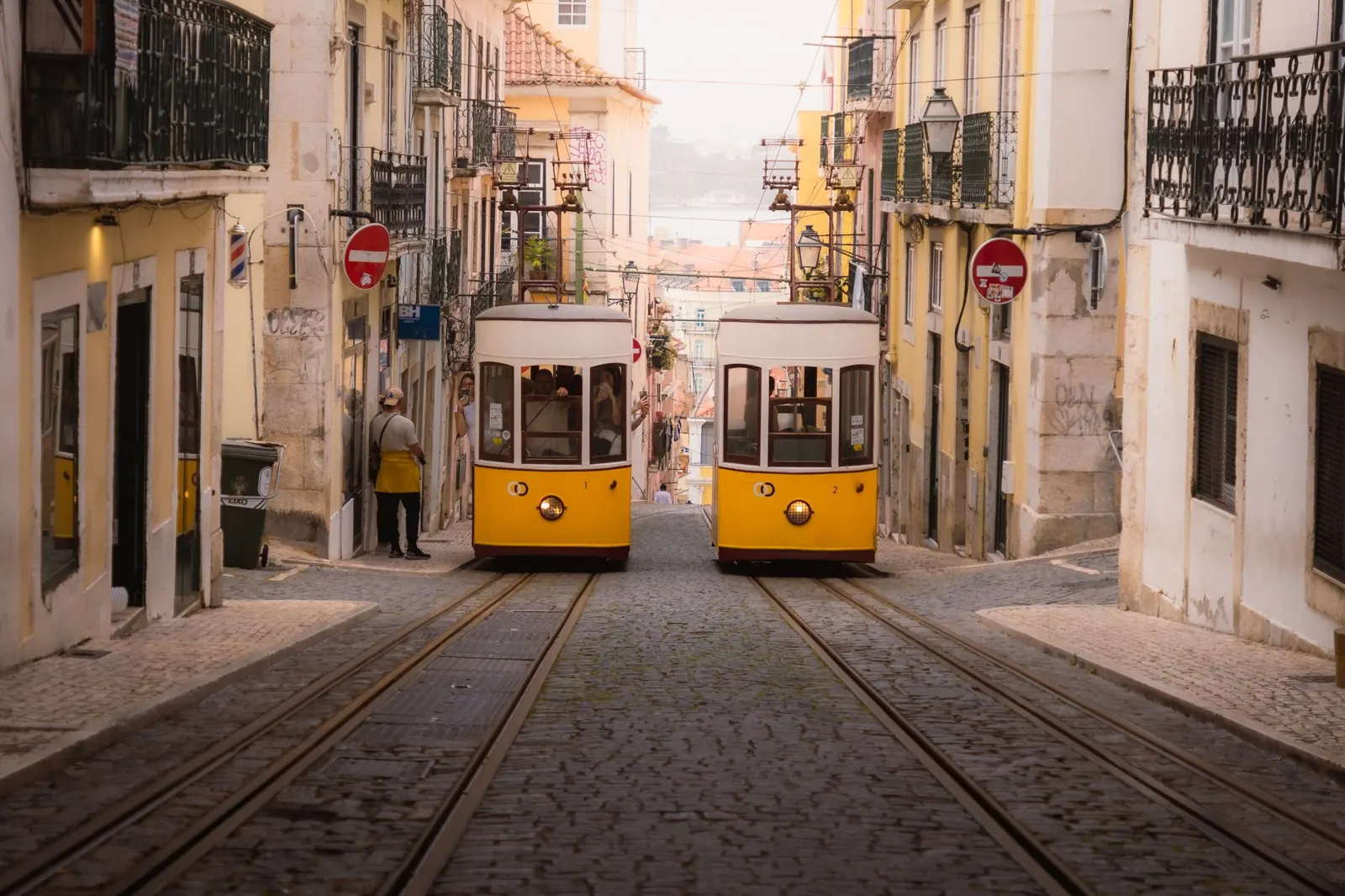
There are historic lifts that connect the lower and upper districts. These are not just tourist attractions; they are functional public transport. Using them saves energy and time. You can ride up to Chiado or down to Baixa without the strain of climbing. The views from the top are rewarding, but the effort of getting there is real. If you choose to walk, take your time. The streets wind through the hillside, offering glimpses of the river and the city below.
The bookshops in Chiado are old and atmospheric. They are places to browse, not just buy. The cafes have a long history, with writers and artists having gathered there for decades. The atmosphere is refined but not stiff. You can sit outside and watch the people. The climb from Baixa to Chiado is a good place to pause. There are viewpoints along the way that offer a break from the effort.
When your legs are done, do not hesitate to use the lifts. They are efficient and cheap. The alternative is a long, steep walk that might leave you too tired to enjoy the upper district. The goal is to experience the area, not just reach it. Once in Chiado, you can explore the streets, visit the squares, and enjoy the views. The contrast between the flat Baixa and the elevated Chiado highlights the city’s vertical nature.
Short on time? The same one-loop thinking is covered in Making The Most Of Flying Visits To Florence.
Miradouros: viewpoints that earn the climb
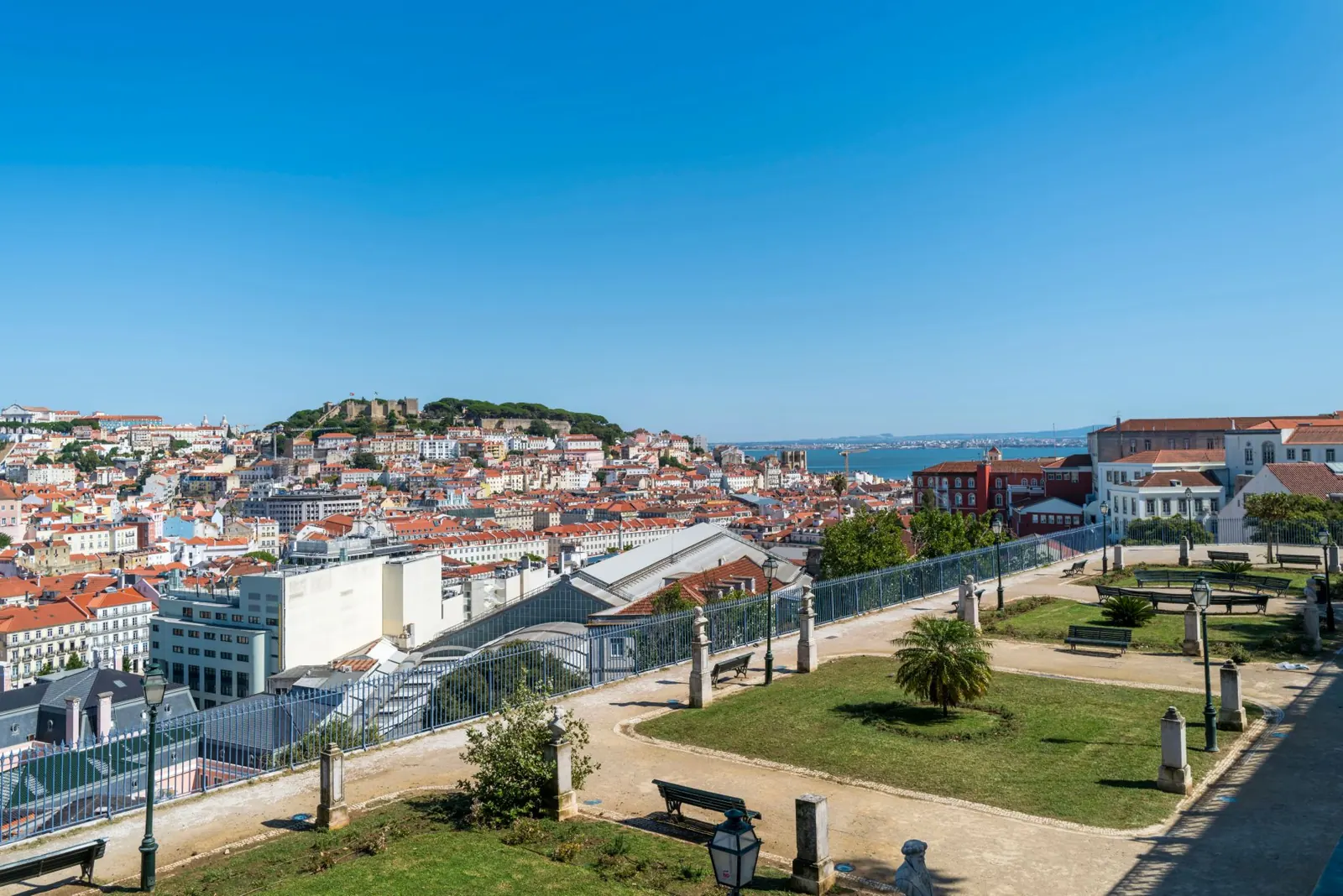
The city is dotted with miradouros, or viewpoints, that serve as public living rooms. These are not just places to look at scenery; they are spaces to sit, talk, and watch the sunset. They are scattered across the hills, offering different perspectives of the river, the bridge, and the tiled roofs. Each miradouro has its own character. Some are large squares with plenty of seating. Others are small terraces with just a few benches and a stunning view.
The best time to visit varies by location. Some viewpoints are best in the morning when the light is soft and the crowds are thin. Others are famous for their sunset views, drawing people in the late afternoon. If you want to avoid crowds, go early. The sunsets are beautiful, but the spots fill up quickly. Arriving an hour before sunset gives you a chance to secure a good spot and enjoy the transition of light.
There are often cheap sit-down spots near the miradouros. These are small bars or cafes where you can buy a drink and sit at a table. It is a good way to rest your legs while enjoying the view. The price is usually reasonable compared to restaurants. You are paying for the location and the atmosphere. This is a practical way to combine refreshment with sightseeing.
The rooftops of tiles are a constant visual element. From a miradouro, you can see the sea of red roofs stretching towards the river. The bridge spans the water in the distance, a steel structure that connects the two sides of the city. The river itself is busy with boats and ferries. The movement of the water adds life to the static view.
Combining two or three miradouros into one loop is an efficient way to explore the hills. Start at one viewpoint, walk to the next, and end at a third. This creates a route that minimises backtracking and maximises the views. The walk between viewpoints is often flat or gently sloping, making it easier than the steep climbs to the highest points. Look for signs or local advice to find the best connections between these spots.
The experience of a miradouro is about more than just the view. It is about the community. People sit together, talk, and share the moment. It is a social space as much as a visual one. Do not just take a photo and leave. Sit for a while. Watch the light change. Listen to the conversations. This is where the city feels most alive.
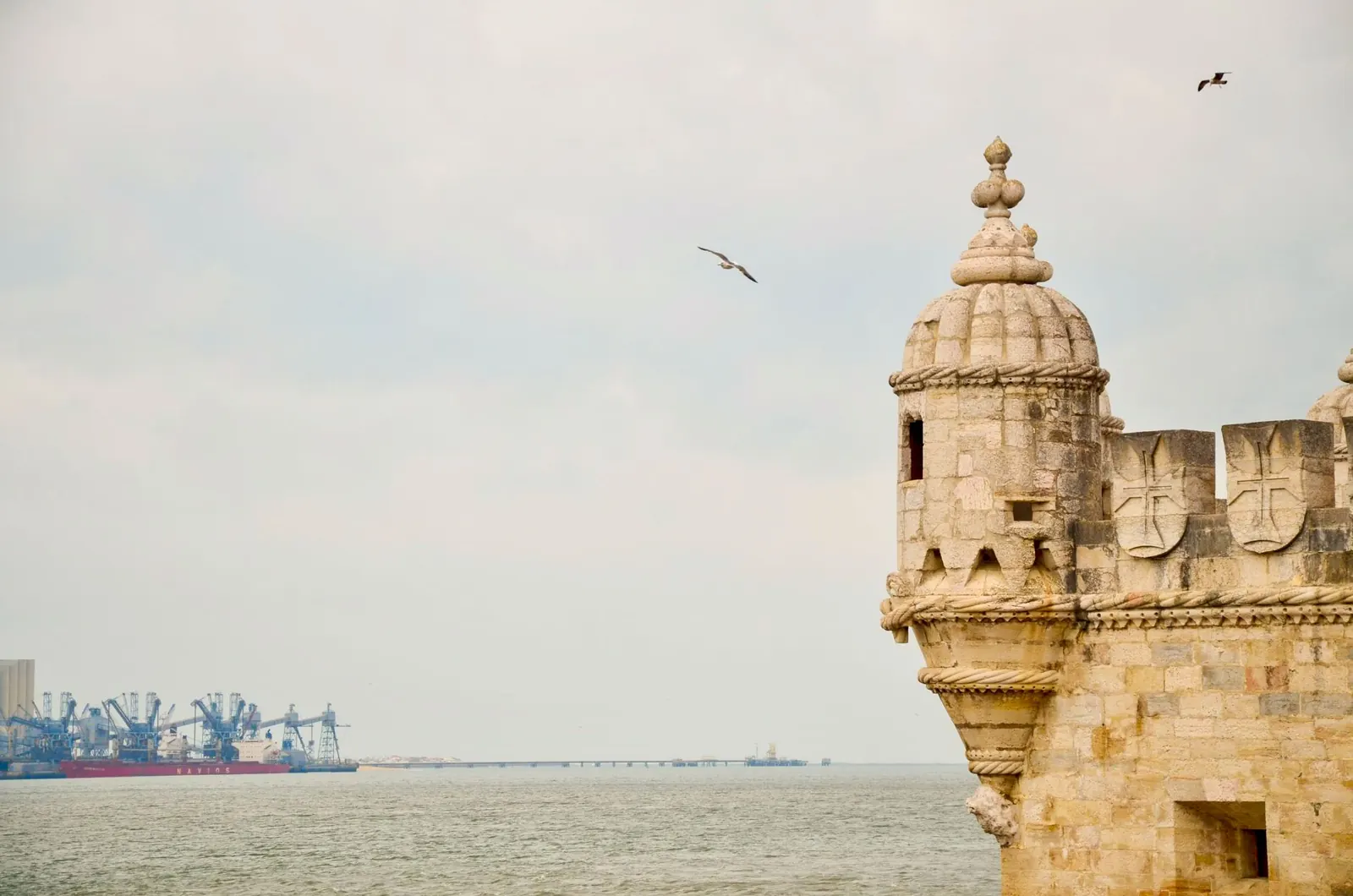
Belém: river, monuments and pastries
Belém is a district to the west of the centre, reached by a short ride along the river. It is known for its monumental architecture and wide promenades. The monastery is a large, intricate building that dominates the skyline. The tower stands in the water, a historic fortress that has seen centuries of change. These are the headline sights, but the area offers more than just these landmarks.
The waterfront promenade is long and flat, perfect for a walk. It runs along the river, offering views of the water and the bridges. The air is fresher here, with a breeze coming off the Atlantic. The area is spacious, with large parks and open spaces. It feels different from the narrow lanes of the centre. It is designed for grandeur and leisure.
Going early or late is advisable. Midday can be hot and crowded, especially at the monuments. The morning light is soft and good for photography. The evening light is warm and atmospheric. If you go early, you can explore the monuments before the crowds arrive. If you go late, you can enjoy the promenade as the day winds down. The sunsets over the river are spectacular.
The famous custard tarts are a must-try. They are small, flaky pastries with a creamy filling. The queues can be long, especially near the original bakery. The taste is rich and sweet, with a hint of cinnamon. They are best eaten fresh, warm from the oven. If you miss the queue, there are other bakeries in the area that make good versions, but the original is iconic.
The monuments are impressive, but they require time to appreciate. The monastery is vast and detailed. The tower is small but historically significant. Both are worth visiting, but do not rush. Take time to walk around the grounds. The gardens are well-kept and provide a quiet escape from the crowds. The riverfront is also home to monuments and sculptures that are easy to miss if you are focused on the main sights.
Belém is a good place to rest your feet. The flat terrain is a relief after the hills of the centre. It is also a good base for exploring further west if you have time. The district is well-connected by public transport, making it easy to reach and return. The combination of history, river views, and pastries makes it a complete experience.
What to eat between the hills
Lisbon’s food scene is built on simplicity and quality. The cuisine relies on fresh ingredients and traditional methods. Grilled fish is a staple, especially in the coastal areas. Salt cod is another key ingredient, prepared in many different ways. These dishes are often served as small plates at the bar, allowing you to try a variety of flavours without committing to a large meal.
Grilled sardines are a seasonal treat, available during the summer months. They are simple to prepare, often just grilled with salt and olive oil. The taste is smoky and fresh. If you are visiting in season, do not miss them. They are a cultural event as much as a meal. The streets fill with the smell of grilling fish, and outdoor bars become busy with locals and visitors.
Coffee is a daily ritual. The coffee culture is strong, with small cafes on every corner. The coffee is strong and dark, often served in small cups. It is a quick energy boost during a long walk. The atmosphere in these cafes is lively but relaxed. It is a place to people-watch and rest for a few minutes.
The dinner rhythm is late. Locals often eat after eight in the evening, and it is common to see restaurants filling up after nine. If you are hungry earlier, look for late lunch options or small bars that serve food all day. The late dinner culture means that the city stays lively into the night. The streets are full of people dining and socialising.
Markets are a great place to eat well without a reservation. They offer fresh produce, cheeses, and prepared foods. You can buy ingredients for a picnic or sample local delicacies. The atmosphere is vibrant, with vendors calling out to customers. It is a sensory experience that captures the essence of the city.
Avoid tourist-menu traps by looking for places filled with locals. If a menu has pictures and is in multiple languages, it might be overpriced. Small bars with handwritten menus are often better value. The food is authentic and affordable. Do not be afraid to eat at the counter or stand while you eat. This is common and often the best way to experience the local culture.
Practical walking tips: shoes, trams, rain and crowds
The surface of the city is uneven. The cobblestones are beautiful but can be slippery when wet. Polished stone becomes particularly treacherous. The right shoes are essential. Flat, sturdy soles with good grip are better than heels or smooth soles. You need support for the uneven terrain. Comfort is key, as you will be on your feet for hours. Do not wear brand-new shoes that have not been broken in. Blisters will ruin your day.
The tram network is iconic but crowded. The trams run on steep tracks, climbing the hills where walking is difficult. They are a useful tool for covering distance quickly. However, they can be packed, especially during peak times. Pickpockets are known to operate on the crowded trams. Keep your bag in front of you and your pockets secure. If you have a lot of luggage, the trams might not be the best option. The stairs and narrow doors make loading difficult.
Rain can change the character of the city. The streets become slick, and the crowds thin out. If it rains, wear a waterproof jacket and carry an umbrella. The city is beautiful in the rain, with the wet stones reflecting the light. However, walking becomes more challenging. Take extra care on the slopes. The cobblestones are harder to grip when wet.
The lanes are quietest in the early morning or late evening. Midday is when the tourists arrive. If you want to explore the narrow streets without the crowds, go early. The light is soft, and the atmosphere is peaceful. You can hear the city waking up. The sounds of footsteps and distant conversations are clearer.
Plan your day in segments. One long day can be exhausting. Two shorter days allow for more rest and exploration. Split your walking into manageable chunks. Include breaks for coffee or food. This helps maintain energy levels. The hills are a constant feature, so pace yourself. Do not try to do everything in one go.
Taxis and ride services can help with the steepest sections. If your legs are done, a short taxi ride can save you from a difficult climb. It is a practical way to conserve energy for the next part of the day. The cost is reasonable for a short distance. Use this option wisely to extend your walking time.
Beyond the centre: coast and hill-town day trips
If you have extra time, consider day trips to nearby areas. The royal hill town to the north is a historic site with palaces set in a forest. It is a popular destination, especially in good weather. The town fills up quickly, so go early. The gardens are extensive, and the views from the top are stunning. The walk around the town is flat and easy, providing a break from the steep hills of Lisbon.
The Atlantic coast beaches are to the west. The water is cold, and the wind is strong. The beaches are long and sandy, with cliffs in some areas. The cape is a dramatic point where the river meets the ocean. The scenery is wild and beautiful. Trains and buses connect the city to these coastal areas. The journey is scenic, offering views of the landscape as you approach the coast.
Give each excursion a half day at the very least. The hill town can swallow a whole day once you add the palaces, the gardens and the walk between them, while the coast works well as an afternoon with a long, windy walk and a late meal. Both are easy to reach by train or bus from the city, so you can decide on the morning itself. Look at the weather first: low cloud tends to sit on the hill town and the cape, and the views you came for disappear.
Skip them if your legs have had enough. After several days on the hills, a slow morning in the city, a long lunch and one last viewpoint often beats another early start and two connections. The day trips will still be there next time.
The last practical step is the simplest: on the evening before, check the first departures and the forecast, then decide. A day that starts with a seat on an early train and a flat walk at the other end is a gentle way to say goodbye to the hills.
Official sources and further reading
Opening times, entry rules and prices change, so check them on the official sites before you travel:
- Visit Portugal: Portugal's official tourism site, including Lisbon and the surrounding coast.
- GOV.UK: foreign travel advice: Entry rules, safety and health notices for every country, kept up to date by the UK government.