By
By You arrive at the stone arches just as the first light hits the water. The Vltava river is still grey and calm, reflecting the towers above. There are no tour buses idling. No queues snake around the corners. Just the sound of water lapping against the quay and the distant clatter of a tram returning to the depot. This is the only time Prague feels entirely yours.
Most visitors arrive mid-morning, when the light is bright and the crowds are already thick. They rush from one square to the next, checking boxes on a list. They see the city through the lens of a smartphone screen, missing the texture of the place. A proper Prague travel guide should tell you not just what to see, but when to see it, and more importantly, where to go when the main gates open. This is a guide to the city’s quieter rhythms, its hidden inclines, and the local life that persists beyond the tourist trails.
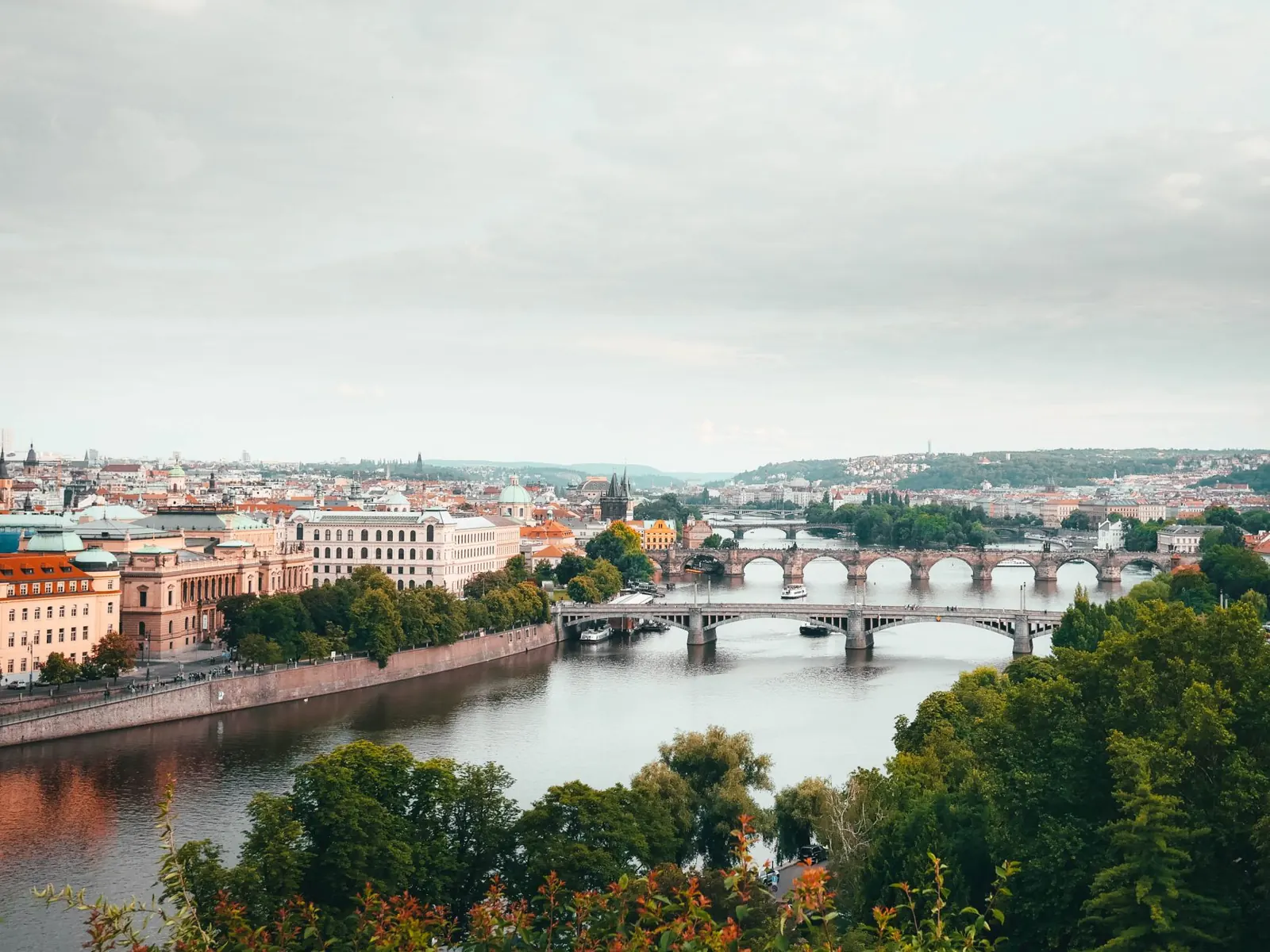
Prague at dawn: seeing the postcard city without the crowd
The magic of Prague lies in the hours before the day truly begins. The city transforms from a stage set into a living neighbourhood. If you can manage an early start, you will witness a side of the capital that few ever see. The Charles Bridge, usually a sea of heads and selfie sticks, is empty. You can walk across it in silence, touching the baroque statues that line the sides. The stone feels cold under your fingers. The air is crisp. It is a rare moment of connection with the history beneath your feet.
Head toward the Old Town Square once the sun is up. The square is typically swarming with people by nine in the morning. By arriving before then, you can stand in the centre and appreciate the Gothic spires without jostling for space. The astronomical clock tower looms overhead, silent and imposing. You can read the inscriptions on the buildings. You can hear the echo of your own footsteps on the cobblestones. The light is soft, perfect for photography, but more importantly, it allows for clear thinking.
Crowds build steadily after breakfast. By midday, the narrow streets leading away from the square become congested. The noise level rises. The sense of place diminishes. Plan your morning walk to cover the major sights first. Then, as the sun climbs higher and the throngs arrive, move to the quieter districts. This strategy preserves your energy and your sanity. It allows you to experience the city at a human pace.
Use the early hours to orient yourself. Note the layout of the streets. Identify the main thoroughfares. Understand how the hills slope toward the river. This mental map will serve you well when you wander later in the day. The city is compact, but the terrain is uneven. Knowing the topography helps you navigate efficiently. You will find that the best moments are often the quietest ones.
3 Of Europe's Hidden Gems That You Need To Visit offers further inspiration for seeking out less crowded destinations in the region.
Castle Hill and Mala Strana
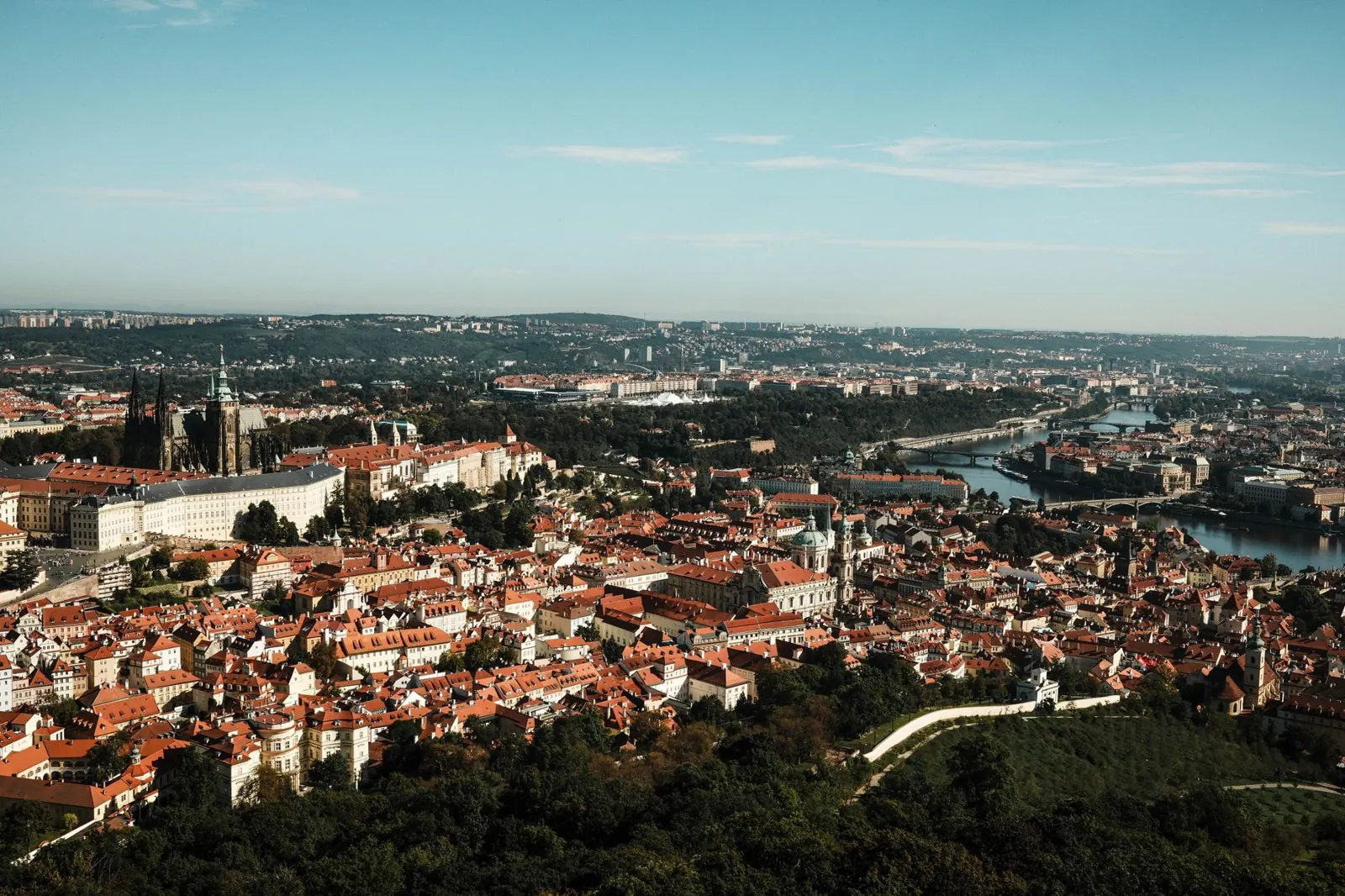
The Castle Hill dominates the skyline. It is a logical destination for any visitor, but it requires strategy. The climb up from the river is steep. You have two main options: the direct route via the steep stairs or the longer, gentler path along the castle walls. The stairs are faster but exhausting. The wall path offers better views and a more relaxed pace. Choose based on your energy levels and footwear.
Once you reach the upper level, the scale of the complex becomes apparent. The cathedral is the centrepiece. Its spires pierce the sky. Inside, the stained glass windows cast colourful patterns on the stone floor. The atmosphere is solemn. Respect the silence. The courtyards surrounding the cathedral are quieter than the main nave. They offer spots to rest and observe the city below.
Below the castle lies Mala Strana, the Lesser Town. This area is a maze of narrow streets and small squares. It is less commercialised than the Old Town. You will find small galleries, antique shops, and quiet courtyards. The gardens here are a highlight. They are often tucked away behind high walls. Look for the signs. They provide a peaceful retreat from the urban noise.
The terraces along the river bank are excellent for lunch. You can sit and watch the boats pass by. The view of the castle from the opposite bank is spectacular. However, the best views are from within the castle grounds themselves. Look for the golden lane. It is a row of small houses at the base of the fortress. It is crowded, but worth a quick look. For a more immersive experience, spend time in the smaller churches and chapels scattered throughout Mala Strana.
Booking tickets in advance is advisable for the castle complex. It saves time and guarantees entry. However, do not rush. The joy of this area is in the wandering. Get lost in the lanes. Notice the details in the architecture. The baroque facades are intricate. The colours are warm. This is a neighbourhood that rewards slow exploration.
Four Great Reasons to Visit Europe highlights the cultural richness that defines this region, of which Prague is a prime example.
Old Town and the Jewish Quarter
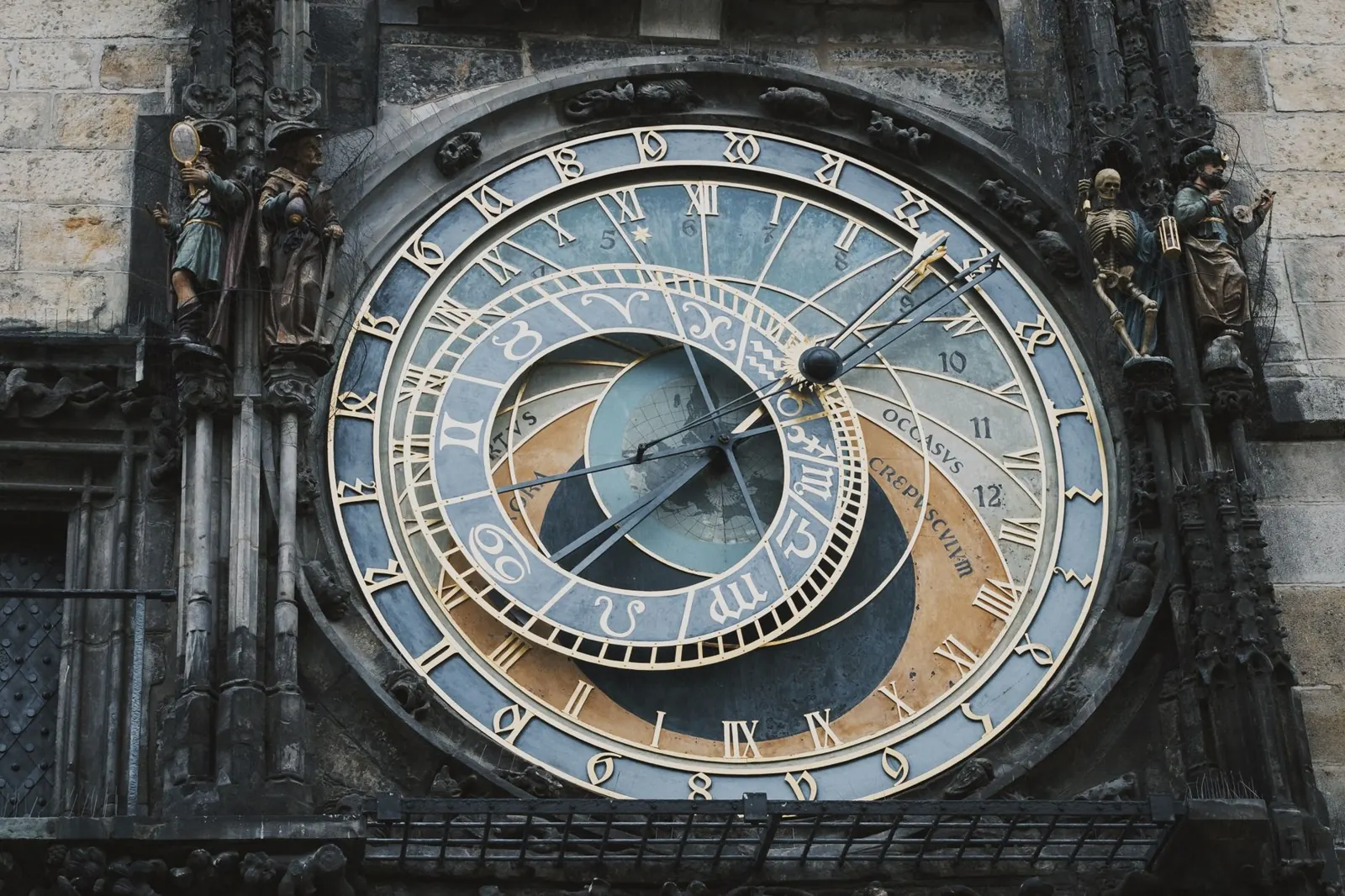
The Old Town is the historic heart of the city. It is dense with history and packed with visitors. The astronomical clock is the main attraction. Thousands gather below it each hour to watch the show. The movement is subtle. The figures appear and disappear. The show lasts only a minute. Do not expect a grand spectacle. It is a mechanical curiosity, charming but brief. Arriving early or watching from a nearby cafe window is a smarter use of time.
Beyond the clock, the Old Town is a network of narrow lanes. The streets twist and turn. The buildings lean over the pavement. The architecture spans centuries. Gothic, Renaissance, and Baroque styles blend together. This is a place for wandering without a specific destination. The joy is in the discovery. You might find a hidden courtyard, a small museum, or a quiet cafe.
The Jewish Quarter, or Josefov, is adjacent to the Old Town. It is a world apart. The streets are narrower. The buildings are closer together. The atmosphere is more introspective. The synagogues are the key sites. They are well-preserved and informative. The old cemetery is a unique site. The tombstones are stacked in layers, reflecting the density of the community over centuries. It is a powerful place. The silence here is different from the castle. It is heavier, more reflective.
Wandering is better than queuing here. The sites are close together. You can walk between them easily. Buy a combined ticket for the museums and synagogues. It is more efficient and cost-effective. However, do not feel compelled to visit every single building. Focus on the ones that interest you. The cemetery and one or two synagogues are sufficient for a meaningful visit. Rushing through the rest will leave you exhausted and overwhelmed.
The narrow lanes are best explored on foot. Leave the maps in your pocket. Allow yourself to get slightly turned around. This is a safe area, but it is easy to lose your sense of direction. The layout is deliberate. It reflects the medieval urban planning. Embrace the confusion. It adds to the sense of history.
New Town, Vysehrad and the quieter side
The New Town was planned in the fourteenth century to accommodate growth. It is wider and more open than the Old Town. The boulevards are broad. The buildings are more uniform. This area feels more modern, yet it retains its historic charm. It is a place for locals as much as tourists. You will see people walking dogs, cycling, and sitting in parks.
Vysehrad is a fortress on a river bluff. It is less visited than the castle, which makes it a significant advantage. The grounds are extensive. There are gardens, churches, and tunnels. The view of the river from the hill is stunning. The fortifications are impressive. It is a peaceful place to spend an afternoon. The air is quieter. The sounds of the city are distant.
The riverside paths are excellent for walking. They connect the different districts. You can walk along the water for miles. The paths are paved and well-maintained. They offer views of the bridges and the castles. It is a great way to see the city from a different angle. The light on the water is beautiful in the late afternoon.
Neighbourhood cafes are scattered throughout the New Town and Vysehrad. They are less touristy. The coffee is good. The pastries are fresh. The prices are reasonable. Sit outside if the weather permits. Watch the locals go about their day. This is the real Prague. It is not the postcard version. It is the living, breathing city.
A more local Prague is found in these quieter streets. The New Town has a vibrant cultural scene. There are galleries, theatres, and music venues. Look for small events. They are often advertised on community boards. You do not need to go to the major venues. The smaller spaces offer a more intimate experience.
The wider boulevards are also good for cycling. You can rent bikes easily. The terrain is relatively flat in this area. It is a pleasant way to cover ground. The city is bike-friendly. The roads are clear. The traffic is manageable. Cycling allows you to cover more distance than walking. It also gives you a sense of speed and freedom.
Hills, parks and viewpoints
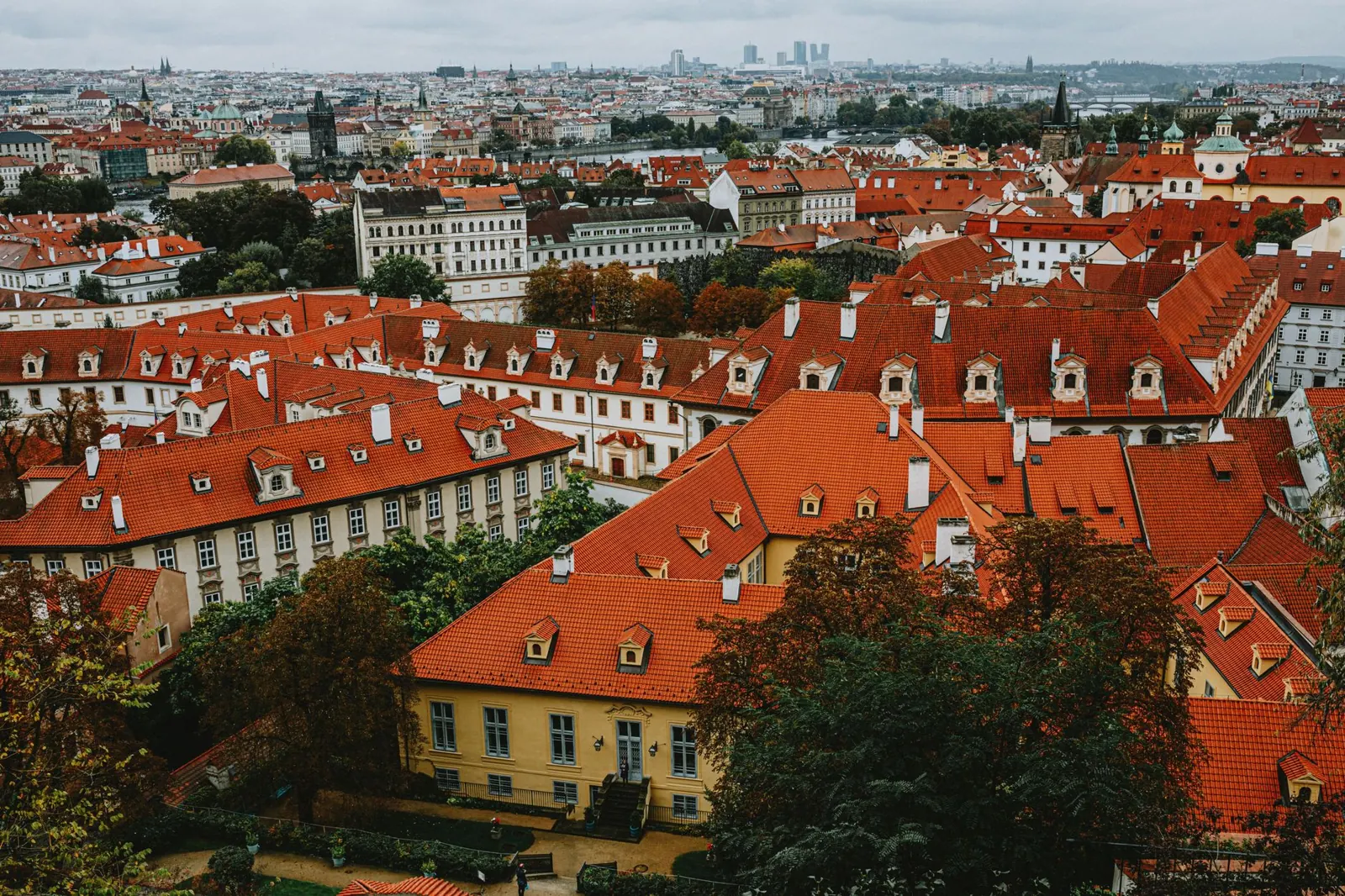
Prague is built on hills. This topography provides endless viewpoints. The city is never flat. Every climb offers a reward. The lookout towers on the hills are popular. They are often wooden or stone structures. They offer panoramic views. The climb is usually short but steep. Wear comfortable shoes. The steps can be uneven.
The gardens are another key feature. They are often attached to palaces or monasteries. They are well-kept. The plants are curated. The paths are winding. These are places for relaxation. Read a book. Eat a sandwich. Listen to the birds. The contrast between the urban noise and the garden silence is striking.
The funicular is a convenient way to reach some of the higher points. It is a short ride. It avoids the steep climb. However, walking up gives you a better sense of the city’s scale. You see the layers of the city as you ascend. You notice the changes in architecture and vegetation. It is a more immersive experience.
The monastery terraces are often overlooked. They are quieter than the public parks. The monks have maintained these spaces for centuries. They are peaceful. The views are unobstructed. You can see the entire city spread out before you. This is the best time for photography. The light is even. The shadows are soft.
Combine two views in one walk to maximise your time. Start at a lower viewpoint and walk to a higher one. The path will connect them. You will pass through different neighbourhoods along the way. This creates a narrative for your walk. It gives context to the views. You see how the city is built. You understand its layout.
Sunset is a magical time for viewing the city. The light turns golden. The shadows lengthen. The river reflects the sky. Find a spot on the hills. Sit on the grass. Watch the city transition from day to night. The lights come on. The bridges are illuminated. It is a memorable experience. Do not rush to leave. Stay until it is dark.
What to eat and drink in Prague
Czech cuisine is hearty and satisfying. It reflects the climate and the history. Dumplings are a staple. They are made from bread dough or potatoes. They are served with meat and sauce. The texture is dense. The flavour is rich. They are filling. A typical meal consists of a main dish and a side. Sharing is common.
Roast meats are central to the diet. Pork is the most common. Beef and venison are also available. The meat is often roasted slowly. It is tender. The sauces are thick and dark. They are made from meat juices and herbs. The combination of meat, dumplings, and sauce is classic. It is comfort food at its best.
The beer culture is deep. Czechs produce some of the best lagers in the world. The beer is fresh. It is served at the right temperature. The foam is thick. The flavour is crisp. Pubs are social hubs. They are crowded. They are noisy. They are fun. Order a pint and settle in. The staff are efficient. The service is quick.
Pub etiquette is straightforward. Wait for your turn to order. Do not expect table service. You pay at the bar. Then you take your drink to your table. Tipping is customary. It is usually a small percentage. Round up the bill. It is appreciated. Do not over-tip. It is not expected.
Bakeries are abundant. They offer fresh bread, rolls, and pastries. The bread is crusty. The crust is thin. The inside is soft. It is perfect for breakfast or a snack. Buy a loaf in the morning. It will last the day. The pastries are sweet. They are light. They are a treat.
Vegetarian options are available but not always prominent. Look for salads, soups, and cheese dishes. Some restaurants offer vegetarian versions of traditional dishes. Dumplings can be served with cheese or mushrooms. They are a good alternative. Ask the staff for recommendations. They are usually helpful. The cuisine is adaptable. You can find satisfying meals without meat.
Practical Prague: trams, tickets and common mistakes
Public transport is efficient and extensive. Trams are the backbone of the system. They cover the city thoroughly. The routes are clear. The stops are frequent. The trams are modern and clean. They run frequently. You rarely wait long. The metro is faster but covers less ground. It connects the major hubs. Use it for long distances.
Tickets are simple. You buy them from machines or kiosks. They are valid for a set period. Validate them immediately upon boarding. The inspectors are active. Fines are high. Keep your ticket until you exit. The system is reliable. It is safe. It is affordable.
Pickpockets are a common issue in crowded areas. The Old Town and the bridge are hotspots. Keep your bag in front of you. Do not keep valuables in your back pocket. Be aware of your surroundings. Distraction techniques are used. A group might surround you. A bump might be intentional. Stay alert.
Exchange-office traps are prevalent. Look for signs that say "zero commission". Read the fine print. Some offices charge high fees hidden in the rate. The rate might look good, but the commission is high. Use banks or reputable exchange offices. Check the rate online before you go. It is worth the extra effort.
Tourist-menu spots are often located in the main squares. The prices are higher. The quality is variable. Walk a few streets away. You will find better food and lower prices. Locals eat in the side streets. Follow them. If you see locals, it is a good sign.
Winter is cold and dark. The days are short. Pack warm layers. The city is beautiful in snow. The lights reflect on the ice. Summer is hot and crowded. The crowds are larger. The prices are higher. The atmosphere is lively. Choose your visit based on your preferences. Markets are seasonal. They appear in summer and before Christmas. They offer local crafts and food. They are worth a visit for the atmosphere.
Day trips from Prague
Prague is a hub for exploring the surrounding region. The countryside is rich in history and natural beauty. Medieval castle towns are nearby. They are well-preserved. The architecture is stunning. The streets are narrow. The castles are imposing. They offer a glimpse into the medieval period. They are less crowded than Prague. They are peaceful.
Sandstone rock towns are to the east. They are dramatic. The formations are tall and thin. The tunnels are carved into the rock. The views are spectacular. The landscape is rugged. It is a stark contrast to the urban environment. Hiking trails are well-marked. The terrain is challenging. Wear sturdy boots.
Spa towns are to the west. They are elegant. The architecture is Belle Époque. The buildings are grand. The parks are landscaped. The water is mineral. It is believed to have healing properties. The atmosphere is refined. It is a place for relaxation. The hotels are luxurious. The treatments are expensive.
Trains are the best way to reach these destinations. The network is extensive. The trains are comfortable. They run frequently. The journey is scenic. The countryside is green. The villages are charming. Book tickets in advance if you are travelling during peak season. It is not essential, but it is safer.
Realistic day plans allow time for travel and exploration. Do not rush. Spend at least half a day in each destination. Return to Prague in the evening. The city lights are beautiful at night. The transition from the quiet countryside to the vibrant city is striking. It offers a balanced itinerary. You get the best of both worlds.
Whatever else you plan, set one alarm for the first light: the bridge, the lanes below the castle and the old square belong to a different, quieter city for an hour or so, and it is the version of Prague most visitors never see.
Official sources and further reading
Opening times, entry rules and prices change, so check them on the official sites before you travel:
- Visit Europe: The European Travel Commission's guide to destinations in Europe.
- Your Europe: travel: EU rules on travel, passports, healthcare and passenger rights.
- GOV.UK: foreign travel advice: Entry rules, safety and health notices for every country, kept up to date by the UK government.