By
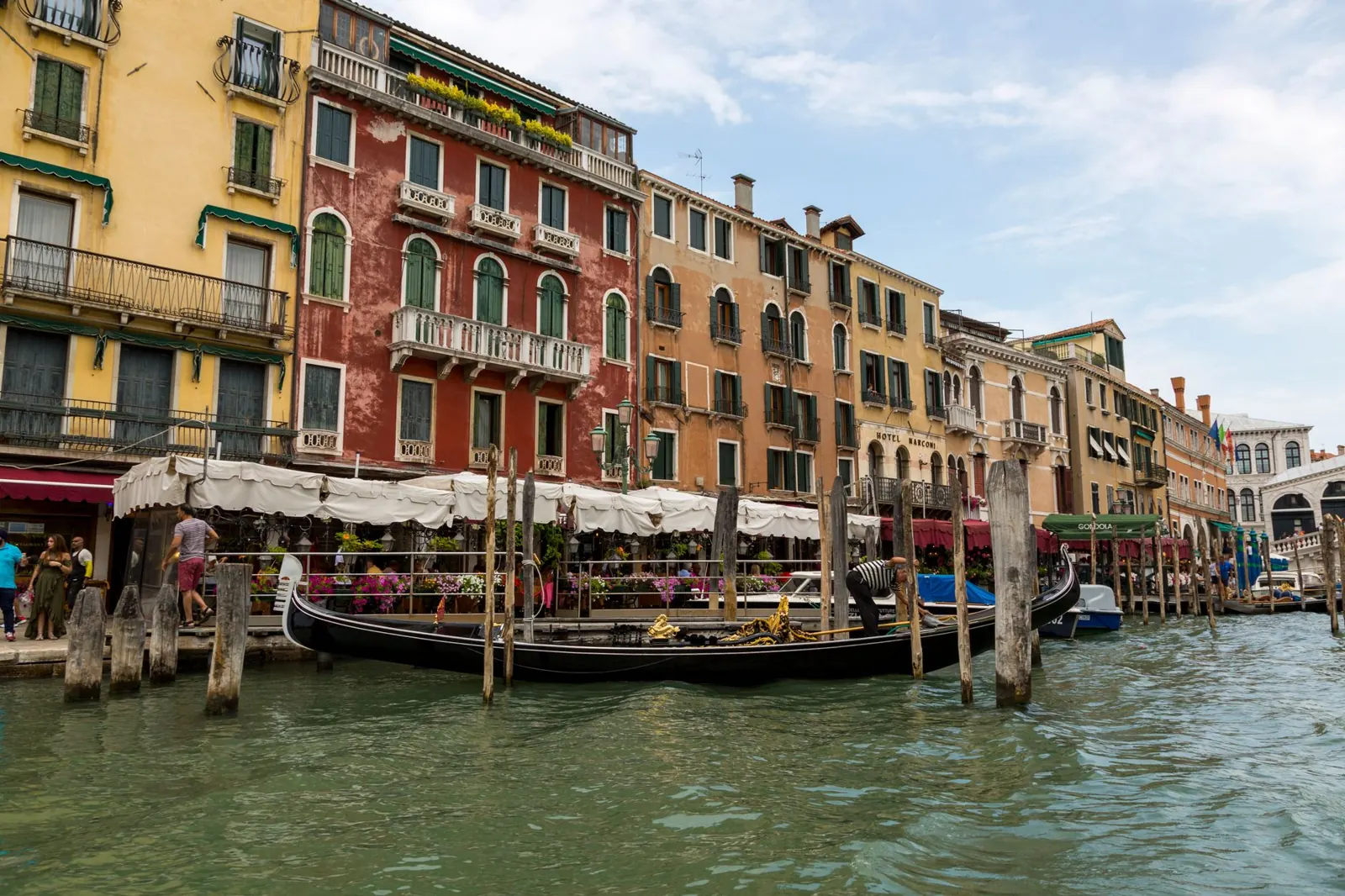
By You are standing at the end of the Rialto Bridge, and the path ahead is a slow-moving river of suitcases, selfie sticks, and sunscreen. The air smells of diesel from the water buses and warm pavement. You know this scene. It is the default setting for many visitors, but it is not the only way to experience the city. If you shift your focus from the main arteries to the quiet capillaries of the urban body, Venice reveals itself as a place of light, water, and unexpected stillness. This Venice travel guide is designed to help you navigate those quieter moments, using the local rhythm rather than fighting the tourist tide.
How to read Venice before you arrive
Understanding the layout is the first step to avoiding the crush. Venice is not a single city but a cluster of islands connected by bridges, with no roads for cars. The city is divided into six districts, known as sestieri, which spread out from the central point of San Marco. When you look at a map, you will see these districts radiating like segments of a pie. Each has its own character, from the bustling commercial heart of San Polo to the artistic flair of Dorsoduro.
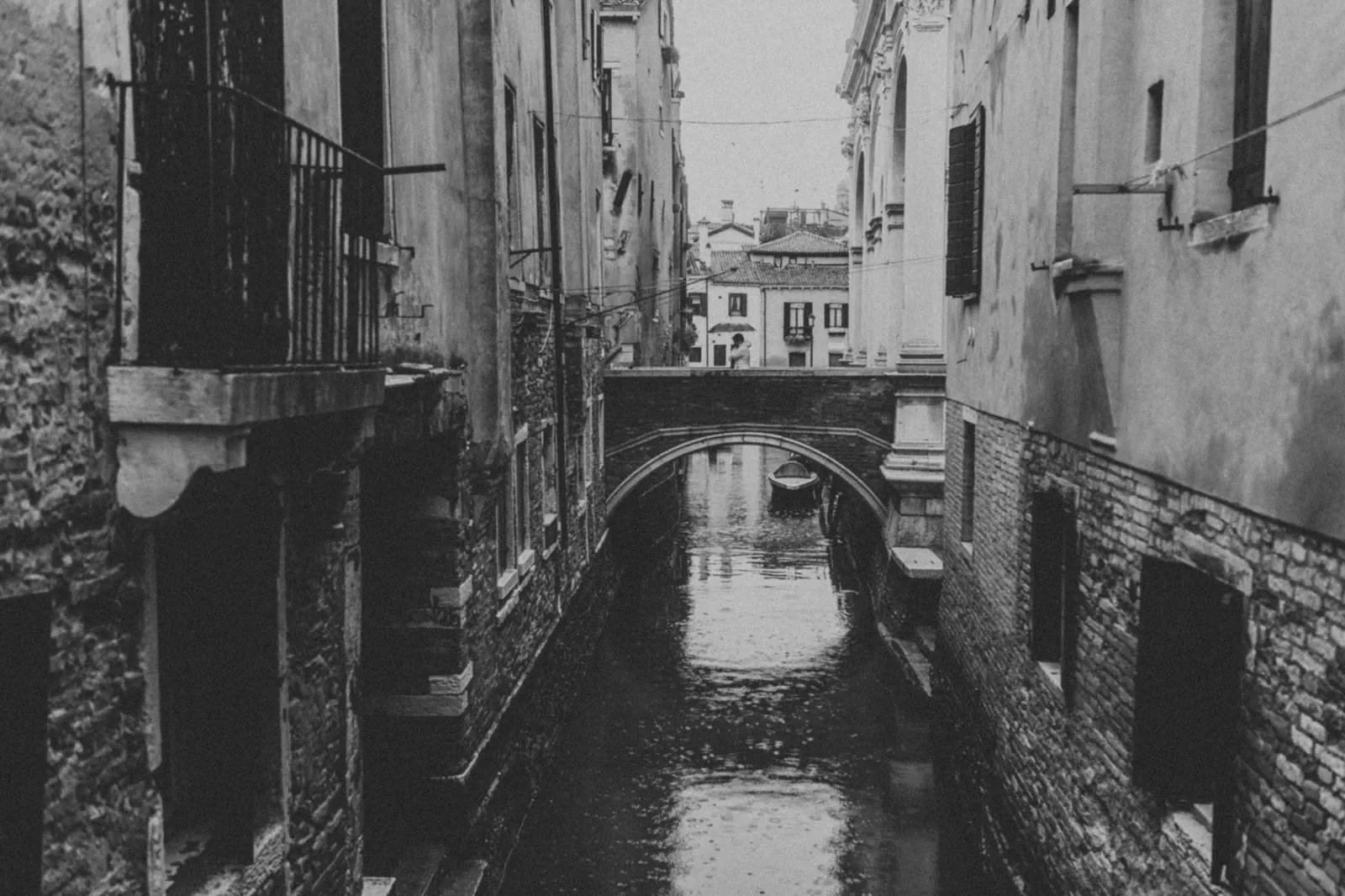
Addresses in Venice can seem chaotic if you are used to a grid system. There are no street numbers in the traditional sense. Instead, you are given a campo (square) or a canal name, followed by a number. You might see an address like "Calle della Pace, 1234." The number refers to the building, but the order can jump around as the narrow alleys twist and turn. You will get lost. In fact, getting lost is part of the experience. Do not stress if your map says you should be five minutes away and you are twenty minutes in. The detours often lead to small squares where locals drink aperitivo or where the light hits the water in a particular way.
Deciding where to stay changes how you move through the city. Staying on the mainland, in Mestre, is cheaper and easier for luggage, but you lose the magic of the early morning or late evening in the historic centre. If you stay in the old city, you gain the ability to wander when the day-trippers have left. It also means navigating bridges with heavy bags, which can be a physical challenge. Consider The Ultimate Guide to Travelling Around Europe for broader context on moving between cities efficiently.
Staying in the historic centre vs. mainland
Staying in the historic centre puts you in the middle of the action but requires you to carry your luggage over dozens of bridges. There are no taxis for bags, only water taxis or vaporetti with lifts, which cost extra. If you have mobility issues, this can be significant. Staying on the mainland means taking a train or bus into the city for your daily explorations. You save money on accommodation but spend time commuting. For a short break, the historic centre immersion is usually worth the effort.
Beating the crowds: timing, routes and what to skip
The volume of people in Venice is not constant. It follows a daily and seasonal rhythm. Day-trippers from cruise ships and nearby cities tend to arrive in the morning, peak around midday, and leave by late afternoon. If you can be in the city before 9am or after 6pm, you will see a different Venice. The light is softer, the water is calmer, and the streets are quiet enough to hear the lapping of the waves against the stone steps.
The main route for most visitors is straightforward: arrive at Santa Lucia station or the Vaporetto stop at Santa Maria del Mare, walk through the station, and head towards San Marco. This path is congested. To avoid it, you can choose a different arrival point. Some water buses stop at fewer crowded hubs. Alternatively, once you are in the city, avoid the direct path along the Grand Canal. Take a smaller canal or a side street to approach San Marco from the north or west.
Cruise ship days are the most crowded. These ships dock at the Molino Stucky pier or the Venice Cruise Terminal. On days when multiple large ships are in port, the area around Rialto and San Marco becomes dense. You can check which days are busy by looking at the port schedule, which is publicly available. If you dislike crowds, plan your major sightseeing for days with no large ships or for the early morning hours.
The entry fee system
Venice has introduced a day-tripper fee for visitors who do not stay overnight. This is designed to manage overcrowding. The fee applies on specific high-traffic days. The rules and exemptions can change, so it is essential to check the official website for the most current information before you travel. Paying the fee is usually done online or via an app, and you need to be able to show a confirmation if asked.
San Marco and the grand sights without the queue
San Marco is the most visited area, but it does not have to be a nightmare. The Basilica, the Doge’s Palace, and the Campanile are the big three. If you arrive right when they open, you can often bypass the longest lines. For the Basilica, there are two queues: one for the main church and one for the terrace and museum. The church queue is usually longer. Arriving early gives you a chance to enter the main body before the crowds build.
The Doge’s Palace requires tickets, and buying them online in advance is highly recommended. The queue for ticket collectors can be long, but the security and entry line moves faster if you have a pre-booked slot. Inside, the palace is vast. Many visitors rush to see the Bridge of Sighs, but the rooms leading up to it are equally impressive. Take your time in the Council of Ten and the prison cells.
The Campanile offers a view of the city that you cannot get elsewhere. The elevator can have a wait, but the view is worth it. If the queue is too long, consider going for sunset. The light is golden, and the crowds thin out. Do not try to see everything in one day. Pick one or two sights and enjoy them without rushing. Making The Most Of Flying Visits To Florence offers similar strategies for managing time in crowded Italian cities.
What to prioritise
If you have limited time, prioritise the interior of the Basilica for its mosaics and the Doge’s Palace for its history. The view from the Campanile is secondary unless you have clear weather. Skip the crowded squares for a moment and look up. The architecture is visible from every angle.
Dorsoduro, Cannaregio and the back lanes
While San Marco is the postcard, Dorsoduro and Cannaregio are where Venice feels like a living city. Dorsoduro is home to the Accademia Gallery and the Peggy Guggenheim Collection. It is quieter, with wider streets and a bohemian atmosphere. The canals here are narrower, and the buildings are closer together. You will find small squares where locals gather, and the noise of the city fades into the background.
Cannaregio is the largest district and was once the Jewish Ghetto. The architecture here is distinct, with synagogues and historic Jewish bakeries. The streets are less polished than San Marco but full of character. You will find small shops, traditional bacari (wine bars), and residential courtyards. This is the area to explore if you want to see how people actually live.
Local bars and bakeries
In Cannaregio, you will find osterie that have been family-run for generations. These places serve simple, high-quality food. Look for places with locals eating. The menu is often handwritten and changes daily. In Dorsoduro, you will find art students and young professionals. The bars here are lively but less touristy. Try to visit a campo in the evening. These squares come alive with conversation and music.
Boats, bridges and how to move around
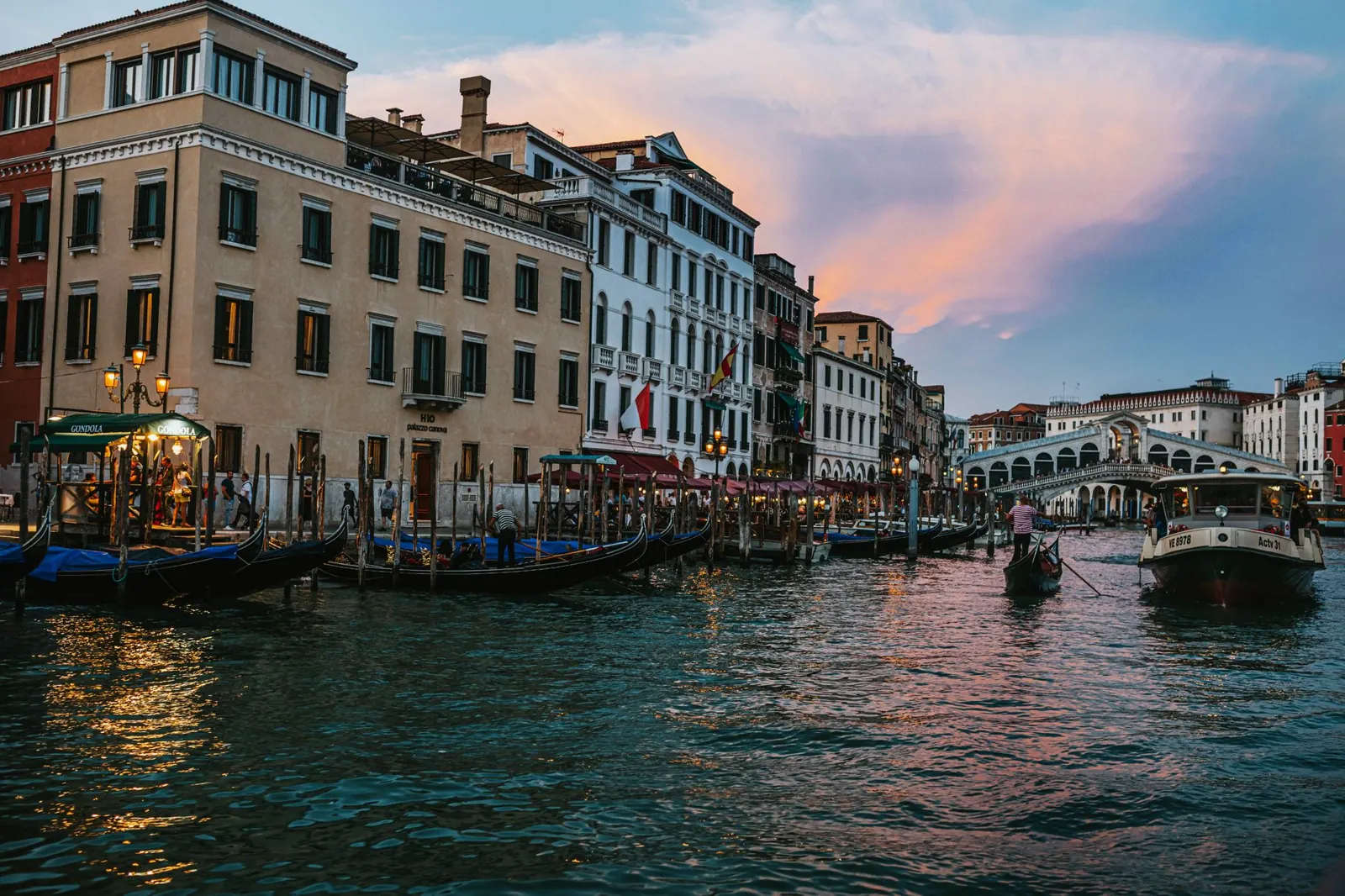
Venice is a city of water, and moving around requires understanding the vaporetto system and the pedestrian paths. Vaporetti are water buses that run along the Grand Canal and to the islands. They are the primary public transport. You buy tickets from tabacchi, newsagents, or online. A single ticket is valid for a set time, usually 75 minutes. You can transfer within that time.
Walking is the best way to see the city. The distance between major points is shorter than it appears on a map because the streets are winding. However, the bridges can be steep and narrow. If you have mobility issues, some routes are easier than others. Stick to the main canals for flatter paths.
The traghetto crossing
The traghetto is a small gondola ferry that crosses the Grand Canal at specific points. It is much cheaper than a private gondola ride and used by locals. You stand on board, and it crosses quickly. There is often a queue, but it moves fast. It is a practical way to cross the canal without waiting for a vaporetto.
Luggage and water taxis
Carrying luggage in Venice is difficult. You will need to carry it over bridges and onto vaporetti. Water taxis are expensive but convenient for luggage. They can drop you off right at your hotel’s water entrance. If you choose to use a water taxi, agree on the price before getting in. They can be pricey, so consider it only if you have heavy bags or mobility issues.
Islands of the lagoon
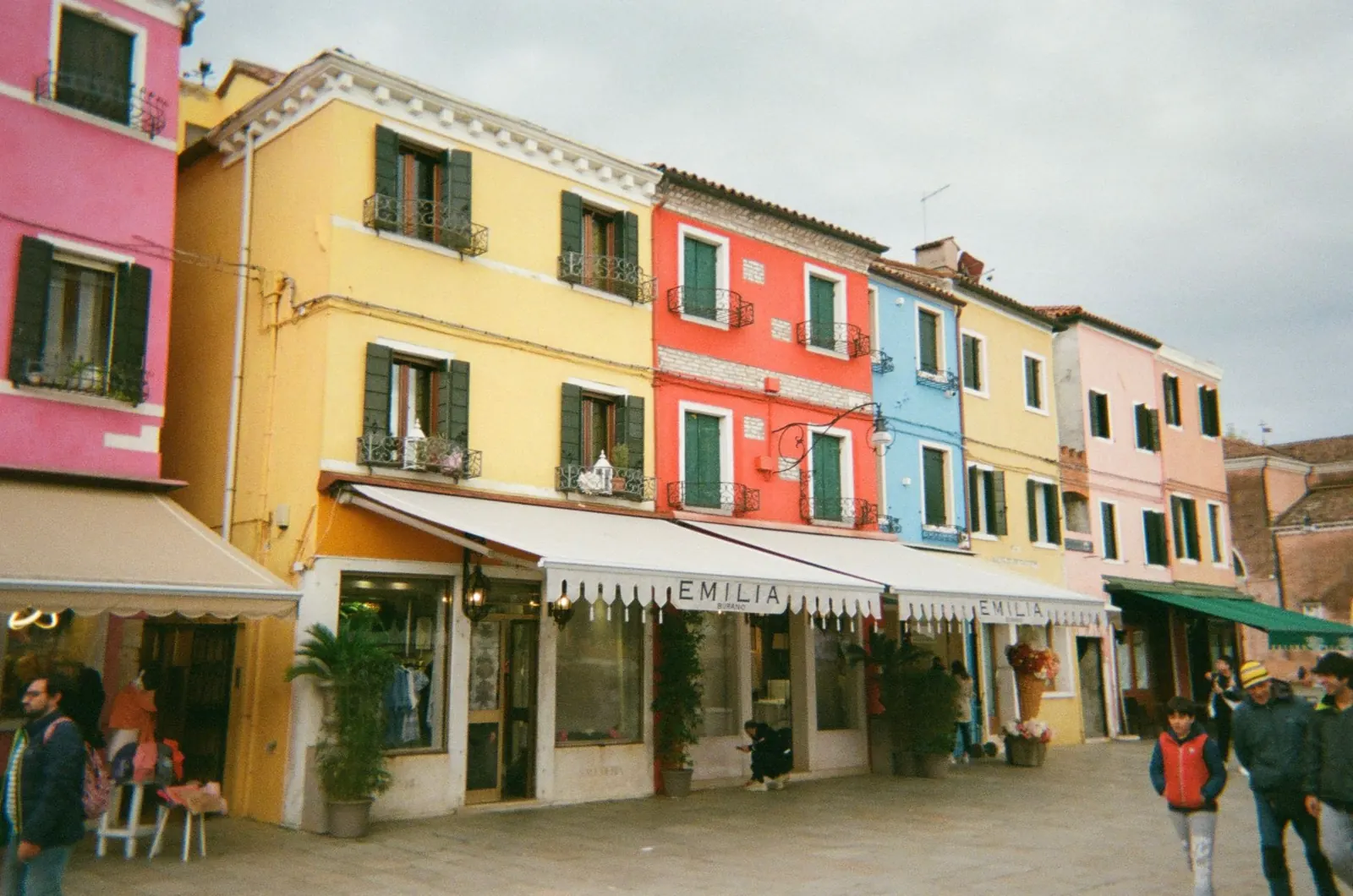
The islands around Venice offer a break from the main city. Murano is known for glassmaking, Burano for lace and colourful houses, and Torcello for its ancient cathedral. These islands are easily accessible by vaporetto.
Murano has many glass factories that offer demonstrations. You can watch artisans blow glass and then shop for pieces. The factories are spread out, so you may need to take a boat between them. Burano is picturesque, with its brightly painted houses. It is very popular, so go early in the morning or late in the afternoon to avoid the crowds.
Torcello is the quietest island. It has a Romanesque cathedral and a sparse landscape. It is a good place for a picnic and a walk. Lido is a long strip of beach islands, popular in the summer for swimming. It is less historic but offers a different experience.
Combining the islands
You can visit multiple islands in one day. A common route is Murano in the morning, Burano in the afternoon, and Torcello on a separate day. The vaporetto line connects them efficiently. Check the schedule, as frequencies drop in the evening.
What to eat and drink in Venice
Venetian cuisine is based on seafood and rice. The food is fresh and simple. Cicchetti are small snacks, similar to tapas, served in small bars. They are a great way to try multiple dishes without overeating. Common items include baccalà (salted cod), seafood crostini, and fried vegetables.
Seafood dishes like risotto al nero di seppia (squid ink risotto) and spaghetti alle vongole (clams) are staples. These are best eaten in local osterie rather than tourist traps. Look for places with a handwritten menu and a steady flow of locals.
Coffee and spritz culture
Coffee is taken standing at the bar, just like in the rest of Italy. Espresso is the standard. Spritz is a popular aperitivo, made with prosecco, soda, and a bitter liqueur like Aperol or Campari. It is a social drink, often consumed in the early evening with cicchetti. Avoid bars that have English menus displayed prominently on the street. They are often more expensive and less authentic.
Markets and avoiding tourist menus
The Rialto Market is a historic fish and produce market. It is best visited in the morning. You can buy fresh seafood to have cooked nearby or just watch the activity. Many restaurants near the market charge higher prices. Venturing a few streets away will save you money and improve the quality of food.
Practical Venice: weather, flooding and common mistakes
Venice is susceptible to acqua alta, or high water. This usually happens in the autumn and winter months, particularly November through January. Wooden walkways are erected in flooded squares to help pedestrians. Be careful on these boards, as they can be slippery and uneven. Summer months are hot and crowded, with the air thick with humidity.
Packing the right shoes is crucial. You will be walking on cobblestones and bridges. Avoid high heels or thin soles. Comfortable, sturdy walking shoes are best. Also, bring a light rain jacket, as weather can change quickly.
Pickpockets and bag tips
Pickpockets are active in crowded areas like the vaporetti and San Marco. Use a cross-body bag with a zipper kept in front of you. Do not leave phones or wallets in back pockets. Be aware of distractions, such as someone bumping into you or asking for directions.
Accommodation tips include booking early, especially for peak seasons. Rooms can be small, so check the size before booking. Consider staying in a pensione (guesthouse) for a more local experience. Four Great Reasons to Visit Europe highlights the importance of timing your visit to avoid crowds and high prices.
Common mistakes
The simplest plan is to see the big sights early, get properly lost in the afternoon and be back on the water at dusk. Venice is at its best in the hours the day trippers are not there.
Official sources and further reading
Opening times, entry rules and prices change, so check them on the official sites before you travel:
- Italia.it: Italy's official tourism portal.
- GOV.UK: foreign travel advice: Entry rules, safety and health notices for every country, kept up to date by the UK government.