Wandering through the cobbled lanes of Shoreditch or pushing through the throngs of Borough Market, you quickly realise that London is not just a city of history and commerce, but a place defined by what it serves. The sheer volume of options can be paralyzing. One moment you are deciding between a centuries-old pub and a hyper-modern tasting menu; the next, you are navigating the chaotic charm of street food stalls where the line snakes around the block. The key to enjoying the capital’s culinary scene is not to try everything, but to understand the landscape. This guide cuts through the noise, offering a practical roadmap to finding the best food in London without getting lost in tourist traps or missing out on local favourites.
Why London Is a Global Culinary Capital
London’s reputation as a culinary powerhouse is no accident. It stems from a population that is among the most diverse in the world, bringing authentic flavours from every corner of the globe. Unlike other cities that might specialise in one or two cuisines, London offers genuine authenticity alongside innovation. You can find dishes that have not been adapted for foreign palates, sitting side-by-side with avant-garde interpretations of traditional classics.
This diversity creates a food scene that rivals Paris and New York, but with a distinct London twist. The city does not just import food; it adapts it. Indian cuisine has evolved into something uniquely British, while Caribbean and West African flavours have become deeply embedded in the local diet. This blend of heritage and innovation means that the best food in London is often found in the unexpected places, away from the main tourist arteries.
Setting out on a culinary journey here means expecting variety. You might start with a traditional British breakfast and end with a Japanese-inspired dessert. The scale is vast, but that is part of the appeal. Whether you are seeking high-end gastronomy or a quick, cheap bite that tastes like home, London delivers. Understanding this diversity helps you plan your days better, ensuring you do not waste time searching for a specific flavour when it is likely just a few streets away. For those planning their broader itinerary, checking out Top 10 Places To Visit In London can help you align your food stops with sightseeing, minimising travel time and maximising enjoyment.
Where to Base Yourself for the Best Eats
Location is the single most important factor in a foodie trip. London is huge, and traffic can be unpredictable. Choosing the right neighbourhood to stay in or to focus your exploration on can make the difference between a stressful day of transit and a relaxed day of dining. Different areas have different food identities, and clustering your visits saves both time and money.
Soho is the heart of the action. It is dense, vibrant, and packed with restaurants ranging from high-end bistros to casual eateries. The concentration of venues here is unmatched, making it ideal for those who want to walk from one meal to the next without worrying about transport. However, it can be noisy and crowded. If you prefer a slightly more relaxed atmosphere but still want central access, consider Popular Neighbourhoods To Explore In London like Bloomsbury or Marylebone, which offer a mix of historic charm and excellent dining options.
Shoreditch and East London offer a different vibe. This area is known for its creative energy, street art, and innovative food halls. It is less about traditional fine dining and more about trendsetting, artisanal, and often more affordable options. The food scene here is constantly evolving, with new pop-ups and concept stores opening regularly. It is perfect for travellers who want to see the modern, youthful side of the city.
Southbank and the area around the Thames provide a scenic route for dining. Many restaurants here have views of the river, offering a beautiful backdrop for meals. The proximity to major attractions like the Tate Modern and the London Eye makes it convenient, though you may encounter more tourists. For a comprehensive view of where to eat, consider exploring a guide like A Food Lover’s Guide To New York City to compare the density and style of dining districts, as London’s approach to clustered dining areas shares similarities with Manhattan’s neighbourhood-specific food cultures.
The Ultimate Guide to London’s Street Food Markets
Street food in London has moved far beyond basic sausages and chips. It is now a sophisticated, diverse, and highly competitive sector. Visiting these markets is not just about eating; it is about experiencing the city’s cultural mix. However, these places can be chaotic. Knowing how to navigate them efficiently is key.
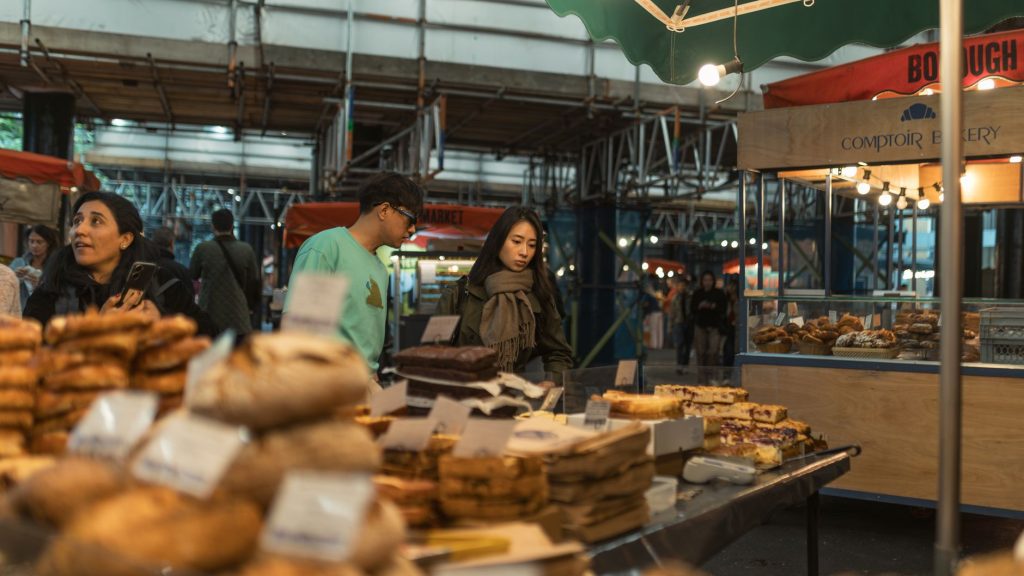
Borough Market is the most famous, located just south of London Bridge. It is a sensory overload of smells and sights. The best time to visit is early in the morning on weekdays. By midday, the crowds become overwhelming, and the quality of service can drop. Focus on the cheese and charcuterie stalls in the centre. Look for vendors who are clearly rotating their stock, indicating freshness. Avoid the stalls with the longest queues if you are in a hurry, as the wait often outweighs the benefit.
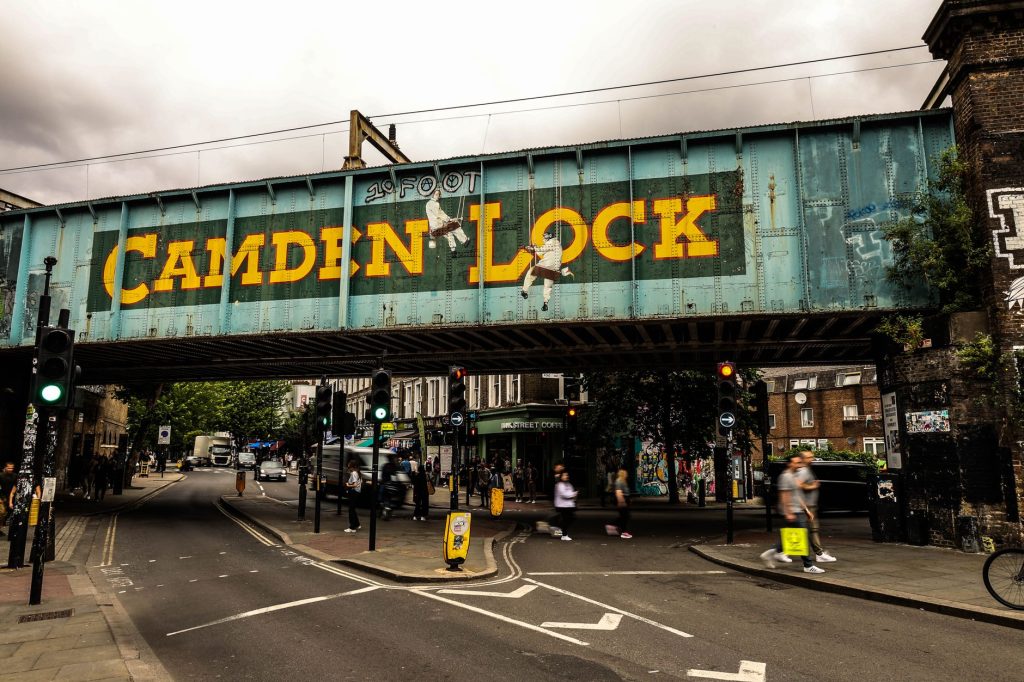
Camden Market is another iconic destination, spread across several lots. It is less about high-end ingredients and more about variety and fun. You will find everything from Nigerian jollof rice to Korean tacos. The atmosphere is lively and loud. Go on a weekend if you want energy, but be prepared for crowds. Voodoo Ray’s is a staple here, known for its thin-crust pizza slices. It is a quick, satisfying option that captures the casual spirit of the market.
Maltby Street Market, tucked under the railway arches near Borough Market, offers a more curated experience. It is smaller and often quieter, with a focus on artisan producers. This is a better option if you want to take your time and talk to the vendors. The food here tends to be slightly more refined, with many stalls offering premium ingredients.
When visiting any market, keep a few practical tips in mind. Bring cash for smaller stalls, though most now accept cards. Wear comfortable shoes, as you will be standing and walking on uneven surfaces. Do not expect to sit down; most markets are designed for walking and eating on the go. If you want a more structured experience, consider joining a London food tours group, which can provide context and help you navigate the chaos with ease.
Traditional British Pubs and Sunday Roasts
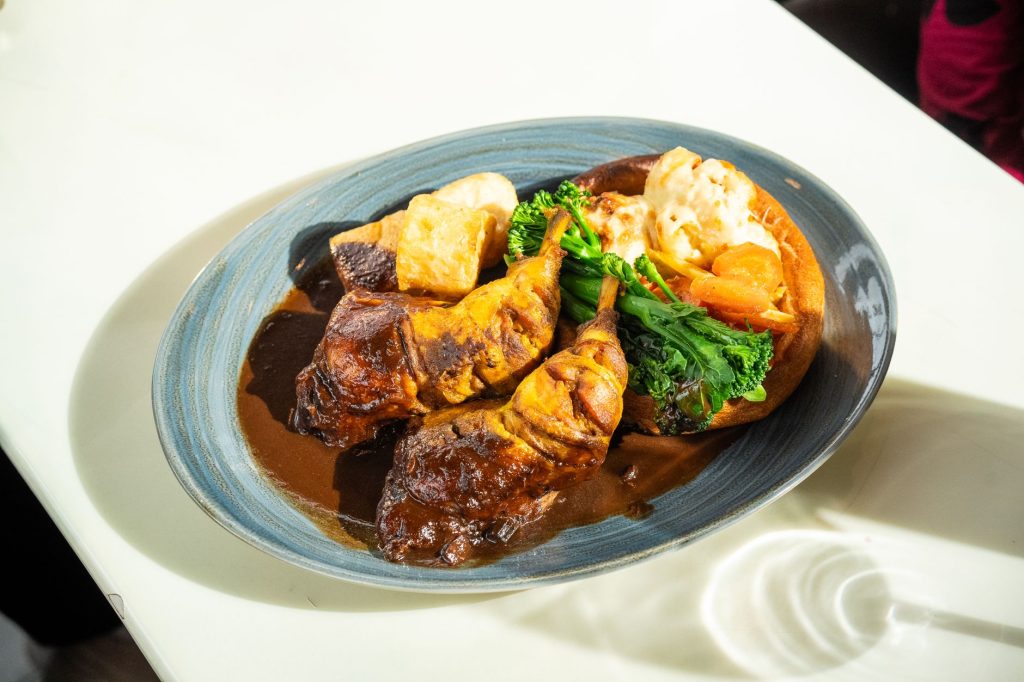
The pub is the backbone of British social life. It is not just a place to drink; it is a community hub. For a visitor, experiencing a traditional pub is essential to understanding the culture. The best food in London often includes a proper Sunday roast, a meal that has been a staple for centuries.
The Sunday roast typically consists of roast meat, roast potatoes, seasonal vegetables, and Yorkshire pudding, served with gravy. It is a hearty, comforting meal. The best pubs for this experience are often older, independent establishments with a history. Look for places that have a fireplace, wooden beams, and a crowd that includes locals rather than just tourists. The Spaniards Inn in Hammersmith is a historic example, offering a rustic atmosphere and a menu that has remained largely unchanged for decades.
Ordering like a local is straightforward but requires attention. When you arrive, you may need to find a table yourself if there is no hostess. If the pub is full, you might be asked to join a queue. This is normal. Once seated, order your food and drink. In many traditional pubs, you pay at the bar after your meal. Be prepared to carry your drinks back to your table.
Not all pubs serve food, and those that do may have limited menus. Look for signs indicating "food served" or "daily specials." The menu will often change daily, especially for Sunday roasts, which may feature different meats like beef, chicken, lamb, or vegetarian options like cheese and onion pie.
Pintxos, a Basque-style snack, have also become popular in some modern British pubs, offering a small-plates style of dining. This is a more social way to eat, suitable for groups. It allows you to try a variety of flavours without committing to a full meal.
To find a good pub, avoid those immediately next to major tourist attractions unless you are prepared for higher prices and a more generic menu. Walk a few streets away into residential areas. The London fine dining scene often intersects with pub culture in high-end gastropubs, which offer a higher quality of food in a relaxed setting.
Modern Indian and Curry House Mile
Indian cuisine is deeply integrated into London’s identity. It is not just a foreign cuisine; it is a British one. The city has a rich history of Indian migration, which has resulted in a food scene that is both authentic and innovative. Brick Lane is the historic centre of this scene, but the influence extends across the city.
Brick Lane is known for its curry houses, which have been serving dishes like chicken tikka masala for decades. The dish itself is a product of London, created to suit British tastes while retaining Indian flavours. The area is vibrant, with a mix of old and new establishments. You will find traditional curries alongside modern interpretations that use local ingredients.
When dining in Brick Lane, be aware that the area can be tourist-heavy. The restaurants closest to the main road often cater to tourists, with menus available in multiple languages and large portions. To find the best experience, venture slightly off the main road into the side streets. Here, you will find smaller, family-run restaurants that offer more authentic flavours.
Reservations are highly recommended for popular spots. Places like Gymkhana, located in Mayfair, offer a more refined take on Indian cuisine. It is a fine-dining establishment that serves dishes inspired by the British Raj era. The food is sophisticated, with a focus on presentation and technique. Booking well in advance is essential, as tables fill up quickly.
The broader curry scene in London includes areas like Southall and Ealing, which have large Indian communities and offer some of the most authentic food in the city. These areas are less touristy and provide a glimpse into the daily lives of London’s Indian population. The food here is often more affordable and more varied, with regional specialties that you might not find in central London.
Understanding the difference between "Indian" and "British-Indian" cuisine is useful. Traditional Indian meals often involve a variety of small dishes, while British-Indian meals tend to feature larger portions of curry with rice or naan bread. Knowing what you prefer can help you choose the right restaurant. For a deeper dive into food cultures, comparing notes with a guide like A Food Lover’s Guide To New York City can highlight how different cities adapt immigrant cuisines into their own identity.
Fine Dining and Michelin-Starred Experiences
London is home to some of the world’s most acclaimed restaurants. The city’s fine dining scene is diverse, offering everything from classic French elegance to modern European innovation. Dining here is an experience, often involving multiple courses and a high level of service.
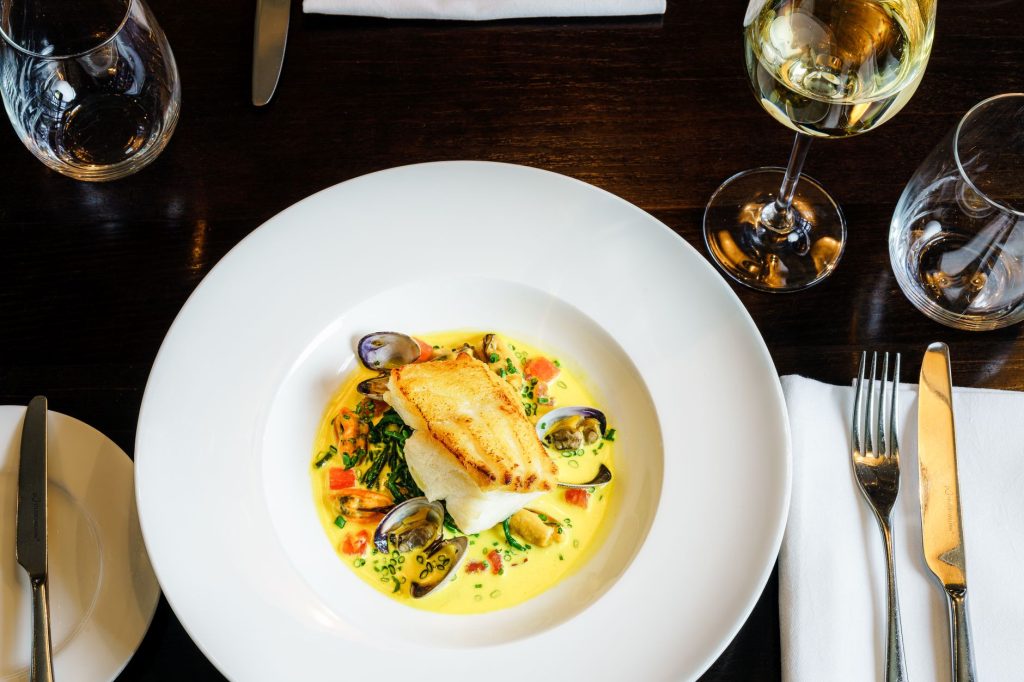
The best food in London in this category often comes in the form of tasting menus. These menus are curated by the chef to showcase their skills and seasonal ingredients. They typically consist of seven or more courses, with wine pairings available. Tasting menus are a way to experience the full range of a chef’s creativity. À la carte options are also available, but they may not offer the same level of cohesion or surprise.
Booking is critical.
When booking, be flexible with your timing. Lunch services are often easier to secure than dinner services and are significantly cheaper.
Dress codes vary. Some restaurants are formal, requiring jackets or smart casual attire. Others are more relaxed. Check the restaurant’s website for specific guidelines. Tipping is customary, usually around ten to fifteen percent, unless a service charge is already included.
The cost of fine dining is substantial, but it is an investment in an experience. The service is attentive, the food is exceptional, and the atmosphere is designed to impress. For those looking to save money, consider looking for set menus or early-bird specials, which many high-end restaurants offer to attract customers during quieter periods.
Vegetarian and Vegan Food in London
London is a global leader in plant-based dining. It is not just a trend; it is a established part of the culinary landscape. Vegan and vegetarian options are not an afterthought; they are often the focus of innovative restaurants that create dishes specifically for plant-based diners.
The Gate is a well-known vegetarian restaurant that has been serving high-quality food for years. It offers a wide range of dishes, from hearty mains to delicate desserts. The food is creative and satisfying, proving that plant-based cuisine can be luxurious. Amass is another standout, offering a seasonal menu that changes regularly. The food is vibrant and flavourful, using fresh, local ingredients.
When dining out, it is easy to find vegan options in most restaurants. Even traditional pubs and Indian curry houses often have dedicated vegan dishes. Look for labels like "vegan" or "vegetarian" on menus, which are now standard practice.
The quality of vegan food in London is high. Restaurants are not just substituting meat with vegetables; they are using plant-based ingredients to create new flavours and textures. This approach results in dishes that are interesting and satisfying, rather than just "light" alternatives.
For those with dietary restrictions, London is a welcoming city. Staff are generally knowledgeable about allergies and dietary needs. It is always good to inform the restaurant of any specific requirements when booking.
The variety of vegan food extends to street food as well. Many markets and food trucks offer vegan burgers, bowls, and desserts. This makes it easy to eat well on the go, without sacrificing flavour or convenience.
Practical Tips: Costs, Booking, and Etiquette
Navigating the costs and etiquette of dining in London can be confusing for first-time visitors. Understanding the norms helps you avoid surprises and ensures a smooth experience.
Costs vary widely. A pub lunch is generally affordable, offering good value for money. Fine dining, on the other hand, can be expensive. Tasting menus in top restaurants can cost significantly more than à la carte options. However, many high-end restaurants offer lunch menus at a lower price point, providing a similar experience for less money.
Booking is essential for popular restaurants. Walk-ins are possible, but you may face long waits or be turned away. Use online booking systems or call ahead, especially for dinner services. For street food markets, no booking is needed, but expect queues during peak times.
Tipping is customary but not always mandatory. In restaurants, a service charge of ten to fifteen percent is often added to the bill. If it is not, leaving a tip is appreciated. In pubs and cafes, tipping is less common, but rounding up the bill is a nice gesture. Always check the bill to see if a service charge is included.
Etiquette is generally relaxed. Punctuality is appreciated, but a few minutes’ lateness is usually acceptable. If you are running late, call the restaurant to let them know. Dress codes vary, so check in advance. In formal restaurants, smart casual or formal attire is expected. In casual venues, jeans and a t-shirt are fine.
Payment methods are widely accepted. Credit and debit cards are standard, and contactless payments are common. Cash is still used in some places, but it is less necessary than in the past.
Avoiding Common Foodie Mistakes in London
Even with the best intentions, visitors can make mistakes that detract from their dining experience. Being aware of these pitfalls helps you avoid them.
One common mistake is eating in tourist traps. Restaurants near major attractions like the Tower of London or Buckingham Palace often have lower quality food and higher prices. The view might be great, but the food may not be. To avoid this, walk a few blocks away from the main attractions. Look for restaurants with locals dining inside.
Another mistake is ignoring seasonal menus. Many high-quality restaurants change their menus based on seasonal availability. Eating out of season might mean missing out on the best ingredients. Ask the server about the seasonal specials, as these are often the most flavourful and fresh options.
Failing to check for temporary closures is also common. Many restaurants close on Mondays or Tuesdays, or for holidays. Always check the restaurant’s website or social media for updates before you go, especially during holiday periods.
Missing out on brunch culture is another error. Brunch is a significant part of London’s food scene, with many cafes and restaurants offering special menus on weekends. It is a great way to start the day and try a variety of dishes.
Finally, do not be afraid to explore beyond the centre. Some of the best food in London is found in outer boroughs like Peckham, Dalston, and Camden. These areas offer diverse cuisines and a more local feel, often at lower prices.
By keeping these tips in mind, you can navigate London’s food scene with confidence. The city offers endless opportunities for delicious meals, from street food to fine dining. Plan your days wisely, book ahead, and be open to new experiences. The best food in London is waiting for you, just a short walk away.