By
By You step off the tram onto a cobblestone street that slopes upward, the air cool and damp against your skin. Ahead, the white stone walls of a fortress rise above the trees, catching the late afternoon light. Behind you, the wide, brown river stretches out, dotted with tour boats and ferries carrying people across the water. This is Budapest. It is a city built on contrasts, where the steep, quiet hills of one side meet the flat, bustling avenues of the other. Navigating it requires a bit of strategy, but the reward is a landscape that feels both grand and intimately human. Whether you are here for a weekend or a longer stay, understanding how the city is structured will save you time and help you avoid the crowds that cluster around the most famous sights. This Budapest travel guide breaks down exactly how to move through the city, from the morning mist on the river to the neon glow of the evening bars.
One city, two banks: Buda and Pest explained
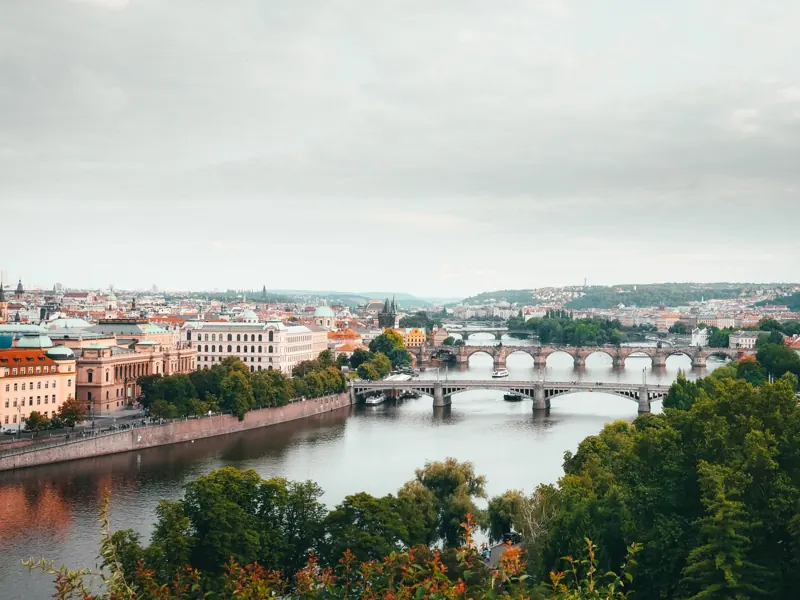
Budapest is not just one continuous urban sprawl. It is a union of three cities that merged long ago, but the most important division remains between the two banks of the Danube. The river acts as a natural divider, creating two distinct experiences. On the west side lies Buda, defined by hills, historic fortifications and a more relaxed, residential atmosphere. On the east side is Pest, which is flat, grid-like and packed with cafes, shops and nightlife. The two sides are connected by several iconic bridges, each with its own character and traffic flow.
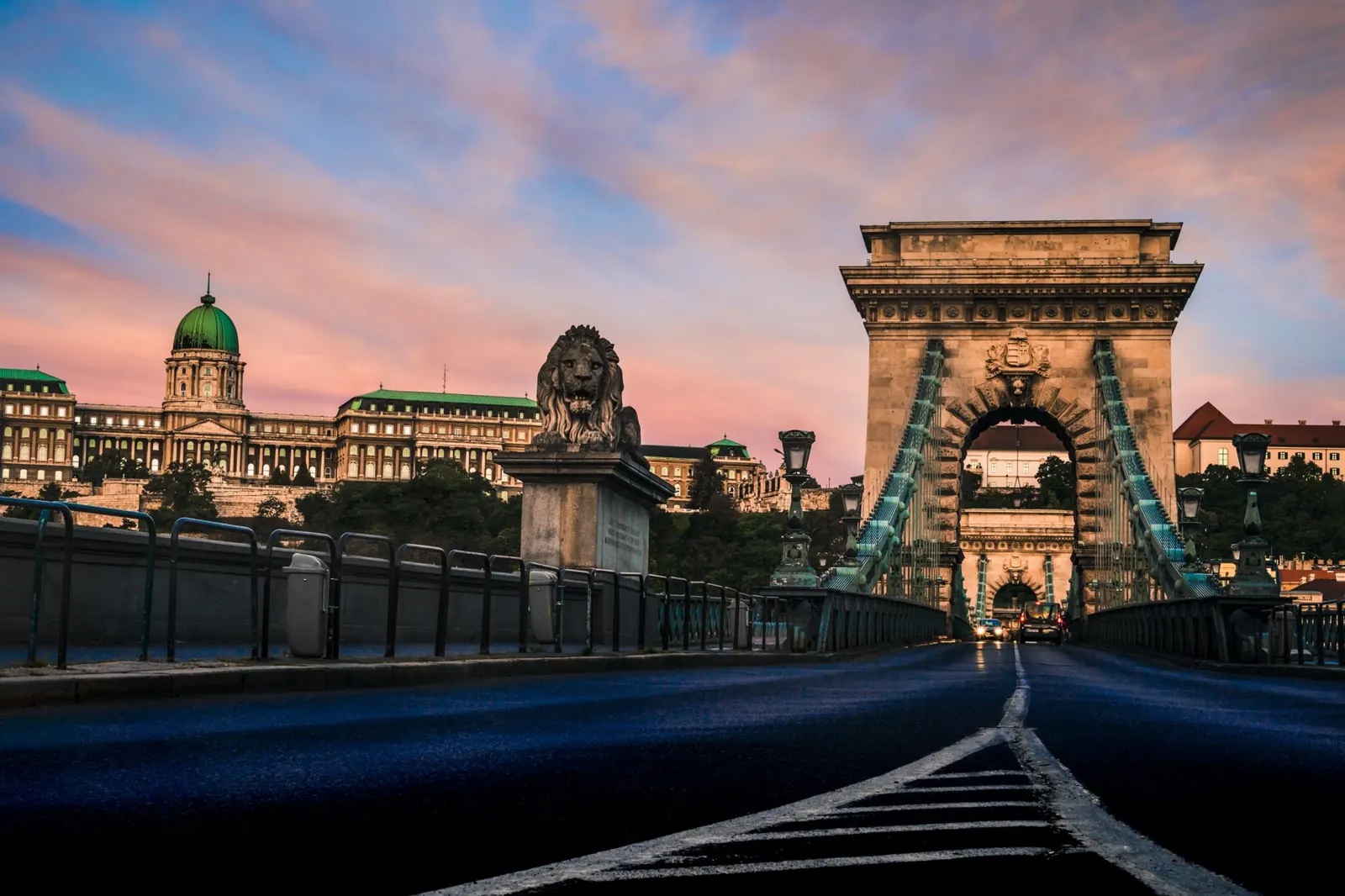
Deciding where to stay depends largely on what you prioritise. Buda offers quieter nights and stunning views, but you will likely need to climb steep streets or rely on public transport to reach the main attractions. Pest is the hub of activity. Most restaurants, bars and major landmarks are located here, making it the more convenient base for first-time visitors who want to maximise their time. The bridges are not just functional; they are landmarks in their own right. Crossing them at dusk offers some of the best views of the illuminated Parliament building and the castle district.
Getting between the two banks is straightforward, but it requires planning. The trams and buses that cross the bridges can get crowded during rush hour. If you want to avoid the commute, consider staying on one side and using a river ferry for sightseeing during the day. The ferries are slower than the bridges but offer a unique perspective of the city’s skyline. For those looking to extend their journey beyond the capital, the wider region offers plenty of other destinations. You might find inspiration in 3 Of Europe's Hidden Gems That You Need To Visit as you plan your broader itinerary.
Buda: castle hill, bastion terraces and quiet lanes
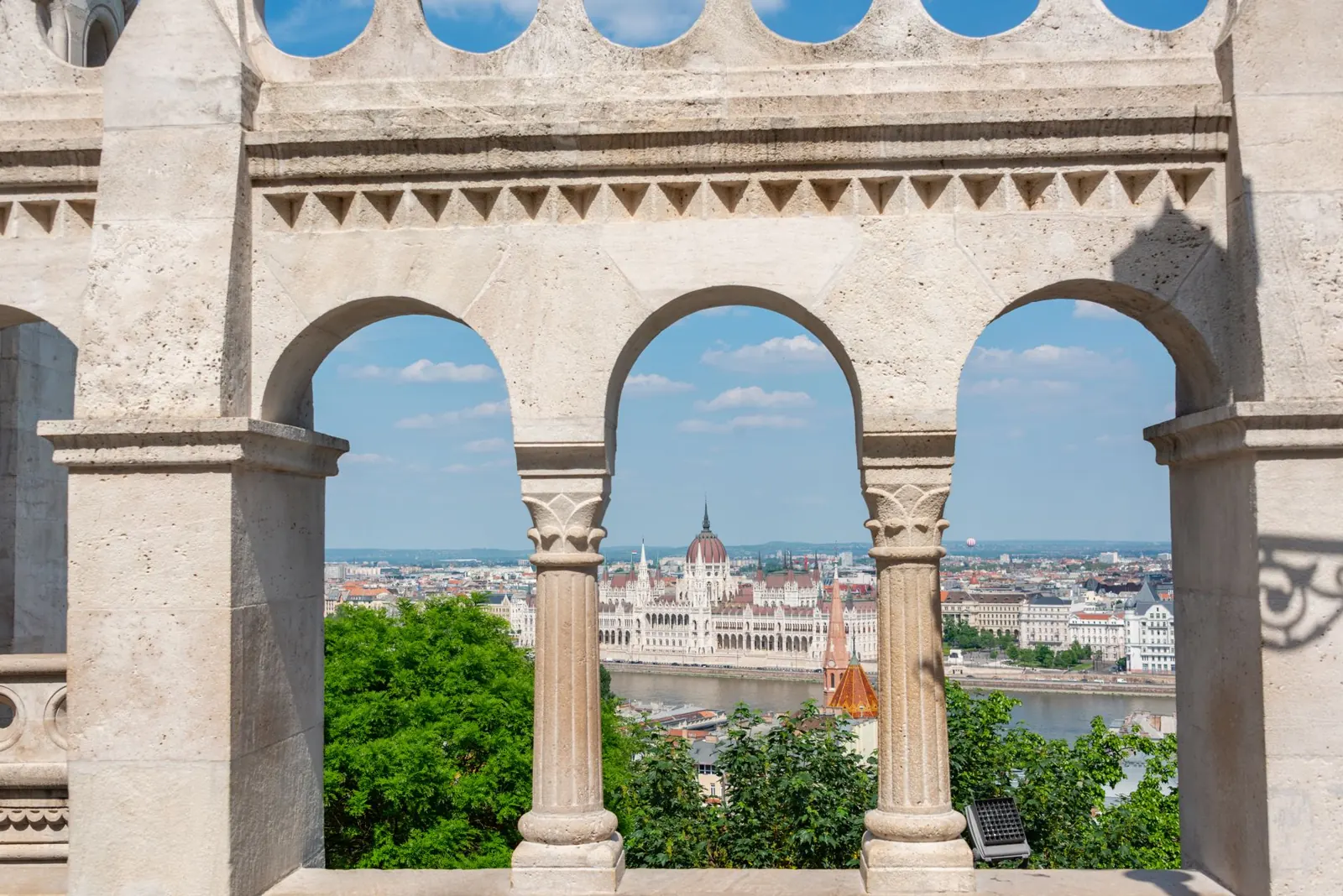
Buda is the historic heart of the city, perched on a ridge that dominates the skyline. The Castle District is a preserved medieval zone with narrow streets, baroque buildings and historic churches. It is visually stunning but can be overwhelming if you try to see everything in one go. The most famous attraction is the Fisherman’s Bastion, a terrace of white turrets that offers panoramic views of the Parliament building and the river. It is incredibly popular, meaning the crowds can be dense. To avoid the worst of the throngs, arrive early in the morning or later in the evening when the day-trippers have left.
The Buda Castle itself is a massive complex housing several museums and galleries. The architecture is impressive, but the interior can feel repetitive if you are not a history enthusiast. If you prefer open spaces and views, the bastions and the surrounding parks are often more rewarding. The funicular railway, or hill railway, is a historic funicular that climbs up the hill from the Chain Bridge. It is a quick and efficient way to reach the top, but it is often packed with tourists. Walking up the stairs nearby is a viable alternative for those who want to save money and enjoy a bit of exercise.
Beyond the main tourist trail, Buda has quiet lanes and residential neighbourhoods that feel worlds away from the crowds. The Buda Hills to the west offer hiking trails with clear markers. These walks are well-signed and lead to viewpoints that are far less visited. The path along the riverbank is also pleasant for a leisurely stroll, especially in the early morning. The light hits the Danube differently here, and the silence is a welcome break from the city noise. If you are planning to explore further afield after your city break, understanding how to navigate complex transport networks is useful. You can find tips on managing travel logistics in The Ultimate Guide to Travelling Around Europe.
Pest: boulevards, the parliament and grand cafes
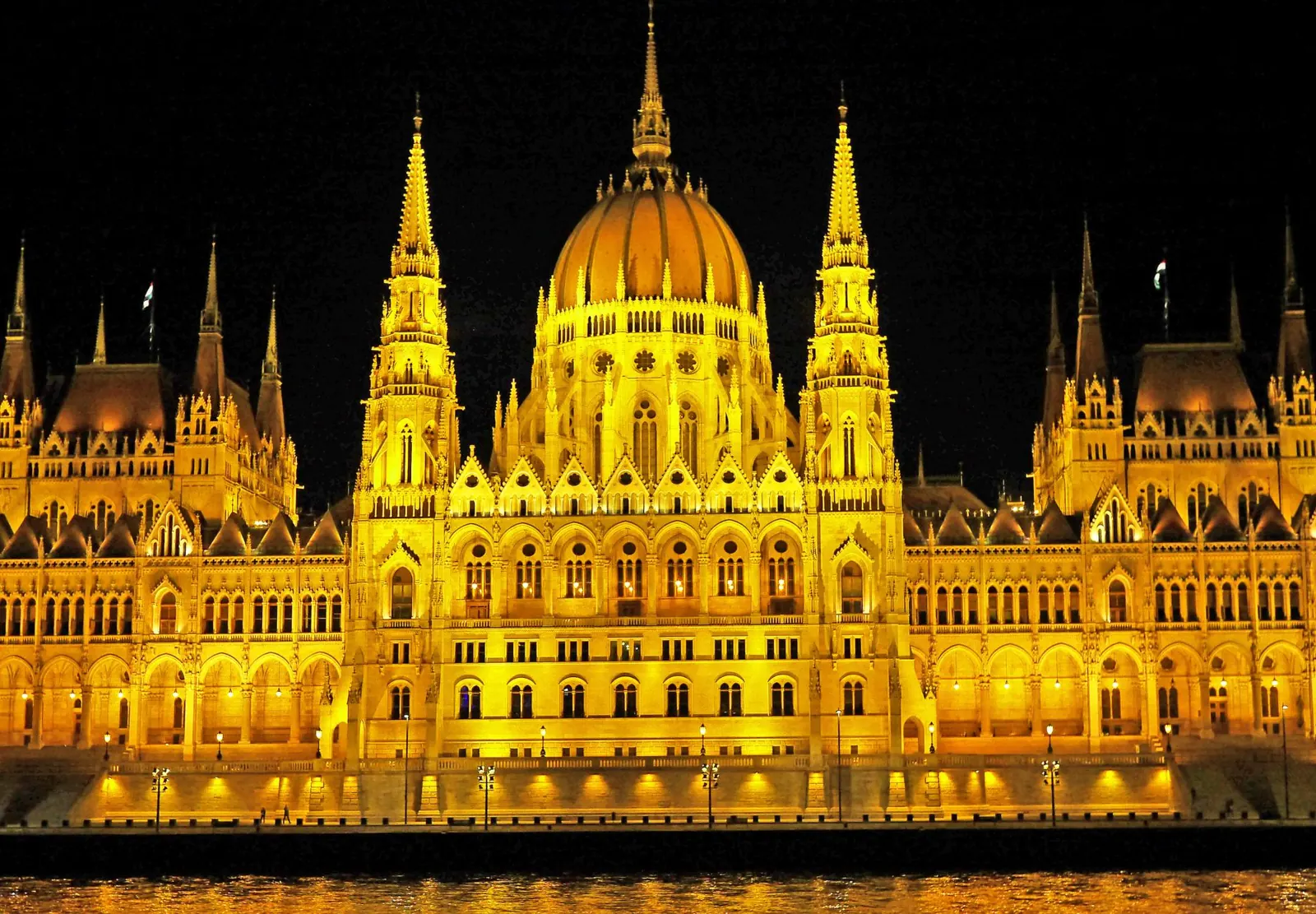
Pest is the commercial and cultural engine of the city. The main artery is the Grand Boulevard, a wide ring road that circles the inner city. It is lined with grand buildings, theatres and upscale shops. Walking along this boulevard gives you a sense of the city’s imperial past. The Hungarian Parliament Building is the most recognizable landmark in Pest. It sits directly on the riverbank and is visible from many points across the city. The exterior is worth a look from the outside, but if you want to go inside, you must book tickets in advance. The interior tours are extensive and take several hours, so plan accordingly.
The St Stephen’s Basilica is another key site, located near the boulevard. It is a massive church with a central dome that can be climbed for a view of the city. The acoustics inside are remarkable, often featuring organ concerts. Checking the schedule for performances can add a cultural dimension to your visit. For a more local experience, the Great Market Hall is essential. It is a large indoor market where you can buy food, souvenirs and crafts. The ground floor has fresh produce and meats, while the upper floors offer dried spices, souvenirs and prepared foods. It is a sensory overload in the best possible way.
Coffeehouse culture is central to Pest’s identity. The city has many historic cafes that have been operating for over a century. These are not just places to drink coffee; they are social hubs. You can sit for hours, reading newspapers or people-watching. The architecture is ornate, with marble tables and velvet chairs. Shopping in Pest is concentrated along specific streets, with a mix of high-end boutiques and independent shops. The area around the opera house is particularly elegant. If you are looking for reasons to visit such a well-connected destination, consider Four Great Reasons to Visit Europe as part of your broader travel planning.
Thermal baths: how they work and what to expect
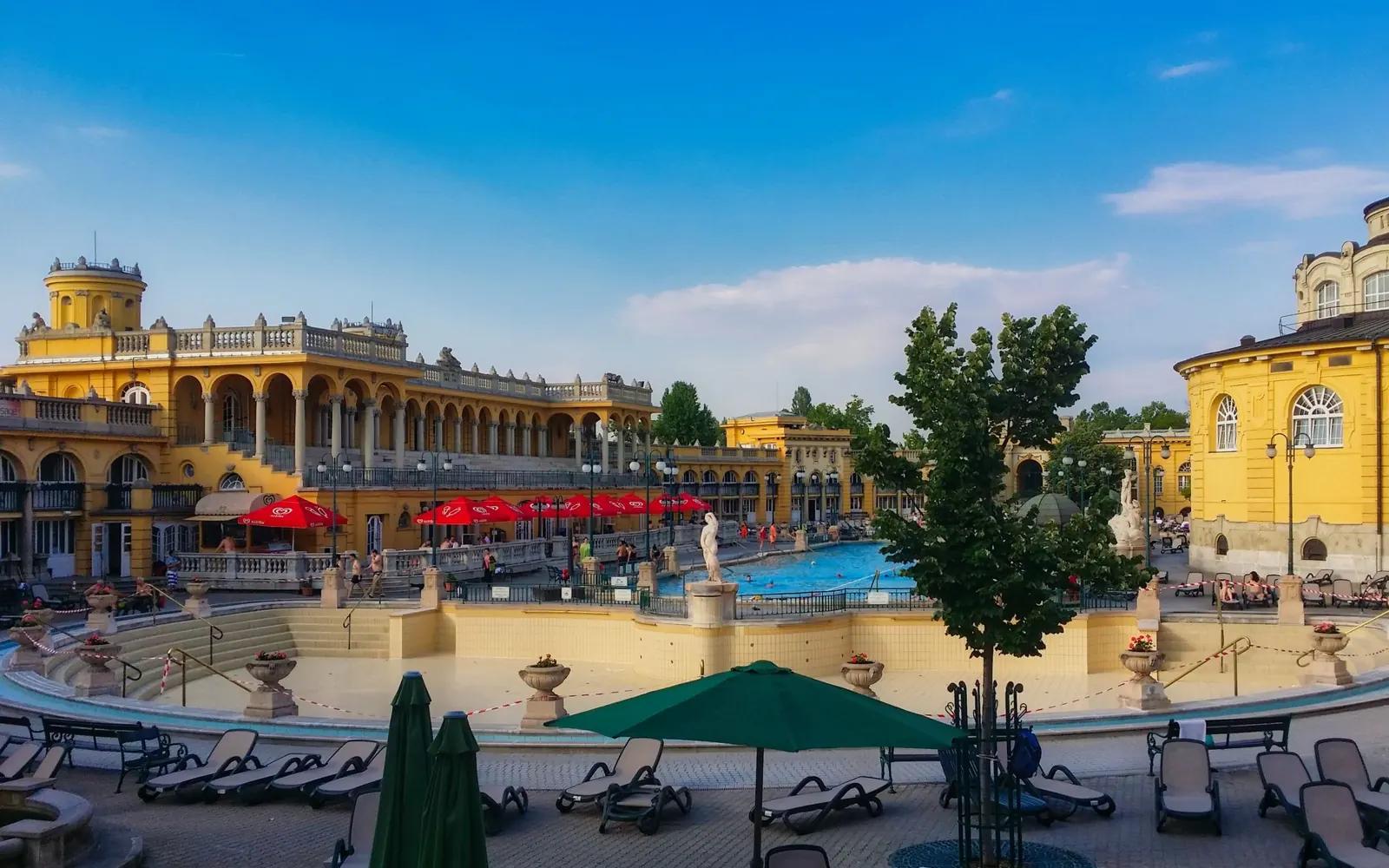
Thermal bathing is not just a tourist activity in Budapest; it is a way of life. The city sits on a rich aquifer, with hot water rising from deep underground. Historically, the Turks and Romans both built baths here, and the modern complex is built on these foundations. There are two main types of baths: the grand historic ones and the neighbourhood pools. The grand baths are large, ornate complexes with multiple pools, saunas and steam rooms. They are visually spectacular, with domed ceilings and tiled walls. However, they can be crowded and noisy.
The neighbourhood baths are smaller, more utilitarian and often preferred by locals. They are less about the spectacle and more about the therapeutic benefits of the hot water. If you want to escape the crowds, these are the better option. They are also generally cheaper and easier to navigate. When you arrive at any bath, you will need to follow a specific routine. You must bring your own towel and a flip-flop. Flip-flops are essential because you will be walking on wet floors and moving between different temperature zones. You will also need a small bag for your valuables.
Locker systems vary, but most modern facilities use electronic tokens or key cards. You buy a ticket at the counter, receive a token for your locker and a wristband for entry. The etiquette is simple: shower before entering the pools. The water is hot, often around body temperature or warmer, so it can take a few minutes to adjust. Start with the warmest pools and work your way down to cooler ones. There is usually a cold plunge pool at the end. You do not need to stay for hours. Thirty minutes to an hour is sufficient to reap the benefits without becoming fatigued. Check the official website for the specific rules of the bath you choose, as policies on towels and lockers can change.
Ruin bars and the evening scene
After dark, Pest transforms. The Jewish Quarter, located in the centre of Pest, is the home of the ruin bar scene. These are bars set up in abandoned, often derelict buildings. The owners have added colour and creativity to the crumbling walls, courtyards and rooftops. The concept started in the early 2000s as a way to revitalise neglected spaces. Today, it is a defining feature of Budapest’s nightlife. The atmosphere is eclectic, with mismatched furniture, fairy lights and a mix of old and new architecture.
The most famous ruin bars are large and can get very loud. They often feature live music, DJs and dance floors. If you prefer a quieter evening, there are many smaller bars in the side streets that serve wine and craft beer. The Jewish Quarter is also home to synagogues, synagogues and historical sites that are open in the evening. Walking the streets at night reveals a different side of the city. The lighting is softer, and the crowds are more relaxed.
Safety is generally good in the main tourist areas, but standard precautions apply. Keep an eye on your drink and your belongings. Some bars in the most popular spots can be expensive, so check the prices before you order. Tipping is customary, usually around ten percent, but check the bill to see if it is already included. The scene is diverse, with options for all tastes. You can find jazz clubs, wine bars and even rooftop bars with views of the city. The key is to explore the side streets rather than sticking to the main thoroughfares. You will find hidden gems that offer a more authentic experience.
What to eat in Budapest
Hungarian cuisine is hearty and flavourful, relying heavily on paprika, meat and root vegetables. Goulash is the most famous dish, but it is often a stew rather than a soup. It is served with dumplings or noodles. If you want a lighter version, look for "leves," which is the local term for soup. There are many varieties, including bean soups and fish soups. The flavour profile is rich and spicy, but not necessarily hot. Paprika is used generously, so if you have a sensitivity, ask for it to be reduced.
Street food is a major part of the culinary scene. Lángos is a deep-fried flatbread topped with sour cream, cheese or other ingredients. It is cheap, filling and widely available at markets and street stalls. Chimney cake, or kürtőskalács, is a sweet pastry baked on a rotating cylinder and coated in sugar and nuts. It is popular with tourists but also enjoyed by locals as a dessert. The market halls offer a wide range of local products. You can buy fresh meats, cheeses and preserved goods. It is a great place to sample regional specialties.
Coffee and cake culture is equally important. The grand cafes serve pastries like dobos cake and somlói galuska. These are rich, layered desserts that pair well with strong espresso or tea. Reading a menu can be confusing if you do not speak the language, but most places have English options. Look for words like "leves" for soup, "főzelék" for vegetable stew and "pörkölt" for meat stew. If you are planning a trip to explore more of the continent, understanding how to navigate different food cultures is helpful. You can read more about international travel experiences in 3 Of Europe's Hidden Gems That You Need To Visit.
Practical Budapest: trams, tickets and common traps
Public transport in Budapest is extensive and efficient. The metro, tram and bus networks cover the entire city. The most useful lines for tourists are the metro lines and the trams that run along the major boulevards. You can buy tickets at kiosks, machines or via apps. It is important to validate your ticket when you first use it, especially if you are using a paper ticket. You must stamp it in the machine on the platform or in the vehicle. Failure to do so can result in a fine, even if you have a valid ticket.
Taxis are widely available, but not all are reliable. The biggest trap is unmarked taxis that pick you up at tourist spots or airports. They often charge inflated rates. To avoid this, use a reputable ride-hailing app or ask your hotel to call a car. If you take a traditional taxi, make sure the meter is running and the rate is displayed. Exchange offices can also be tricky. Many advertise "zero commission" but offer poor exchange rates. Look for signs that show the exact rate and any fees clearly. Avoid exchange offices in the main tourist squares unless you are sure of their reputation.
Seasonal crowds vary significantly. The summer months are the busiest, with long queues at major attractions. The winter months are quieter but colder. The best time to visit depends on your preferences. If you want warm weather and outdoor dining, go in summer. If you prefer fewer crowds and a cozy atmosphere, go in the shoulder seasons. The city is well-connected to the rest of Europe, making it easy to combine with other destinations. You can find more advice on multi-city trips in The Ultimate Guide to Travelling Around Europe.
Day trips from Budapest
Budapest is a great base for exploring the surrounding region. The Danube Bend is a popular destination, offering a scenic drive or train ride upriver. The towns along the bend have historic centres, castles and wine cellars. Eger is a notable stop, known for its baroque architecture and thermal baths. It is a day trip that combines history, relaxation and good wine. The region is also known for its volcanic soil, which produces excellent wines. Visiting a wine cellar is a common activity, with many offering tastings and tours.
Lake Balaton is another option, though it is further away. It is the largest lake in Central Europe and a popular summer destination. It is a longer journey, so it is better suited for a multi-day trip. The medieval hill-top fortress of Visegrád is a closer option. It offers stunning views of the river and a well-preserved palace. The ruins are extensive and the hike to the top is rewarding. The boat services on the Danube are scenic and offer a different perspective of the landscape.
A good first day runs from a morning on the castle hill to an afternoon soak in a thermal bath and an evening in the courtyards of the old Jewish quarter. Keep the second day for whichever bank you liked more.
Official sources and further reading
Opening times, entry rules and prices change, so check them on the official sites before you travel:
- Visit Europe: The European Travel Commission's guide to destinations in Europe.
- Your Europe: travel: EU rules on travel, passports, healthcare and passenger rights.
- GOV.UK: foreign travel advice: Entry rules, safety and health notices for every country, kept up to date by the UK government.