By
By You step out of the shadowed archway and the heat hits you instantly, a physical weight that slows your breathing and shortens your stride. It is mid-afternoon, and the city has gone still. The cobblestones radiate warmth, and the streets are quiet, save for the distant clatter of a horse-drawn carriage or the faint strum of a guitar drifting from a closed courtyard door. This is the rhythm of Seville. To fight it is to exhaust yourself; to move with it is to discover the city’s true character.
This Seville travel guide is not about ticking off monuments in a frantic dash. It is about understanding the flow of the day, knowing where to find shade, when to eat, and how to experience the late-night energy that only emerges after the sun dips below the horizon. Whether you are planning a short break or an extended stay, the following sections will help you navigate the city’s layout, its culinary habits, and its architectural treasures with confidence and ease.
Why Seville runs on a different clock
The day in Seville is divided into two distinct acts, separated by a long, lazy midday pause. This rhythm is dictated by the sun and has been for centuries. Understanding this cycle is the single most important factor in planning your days here. If you try to sightsee from ten in the morning until eight at night without adjusting, you will spend most of your time squinting and sweating.
The midday pause
Between late morning and early evening, the temperature rises sharply. Most shops, smaller museums, and even some larger attractions close or reduce their hours. Locals retreat indoors, often for a long lunch or a siesta. This is not a failure of productivity; it is a survival strategy. Use this time wisely. Instead of wandering aimlessly in the direct sun, seek out the cool interiors of the great monuments, enjoy a leisurely lunch in a shaded terrace, or simply rest in a park. The afternoon quiet is an opportunity to see the city in a more relaxed, local light.
Morning and evening energy
The day truly begins early. The first few hours after sunrise are cool and pleasant, perfect for walking. Light falls softly on the white-washed walls, and the streets are relatively empty. This is the ideal time for photography and wandering through the older districts. As evening approaches, the heat breaks. The air cools, and the city wakes up again. Streets fill with people heading to dinner, and terraces come alive with conversation. The late-night atmosphere in Seville is vibrant but relaxed. People stay out late, often well past ten o’clock, enjoying drinks and small plates in the plazas.
Planning your schedule
Structure your day around these natural rhythms. Start early with your main sightseeing. Take a break during the hottest part of the day. Return to the streets in the late afternoon or early evening. This approach minimises physical strain and maximises your enjoyment. You will find that moving at a slower pace allows you to notice details you would otherwise miss: the texture of ancient stone, the scent of orange blossoms, the way light filters through wrought-iron balconies.
The cathedral, the tower and the royal palace
Three monumental landmarks cluster together in the heart of the city, forming a historic core that is both impressive and overwhelming. They are close enough to walk between, which makes them convenient, but their proximity also means they can be crowded. Navigating them requires a bit of strategy, especially if you are visiting during the peak season.
The cathedral and Giralda
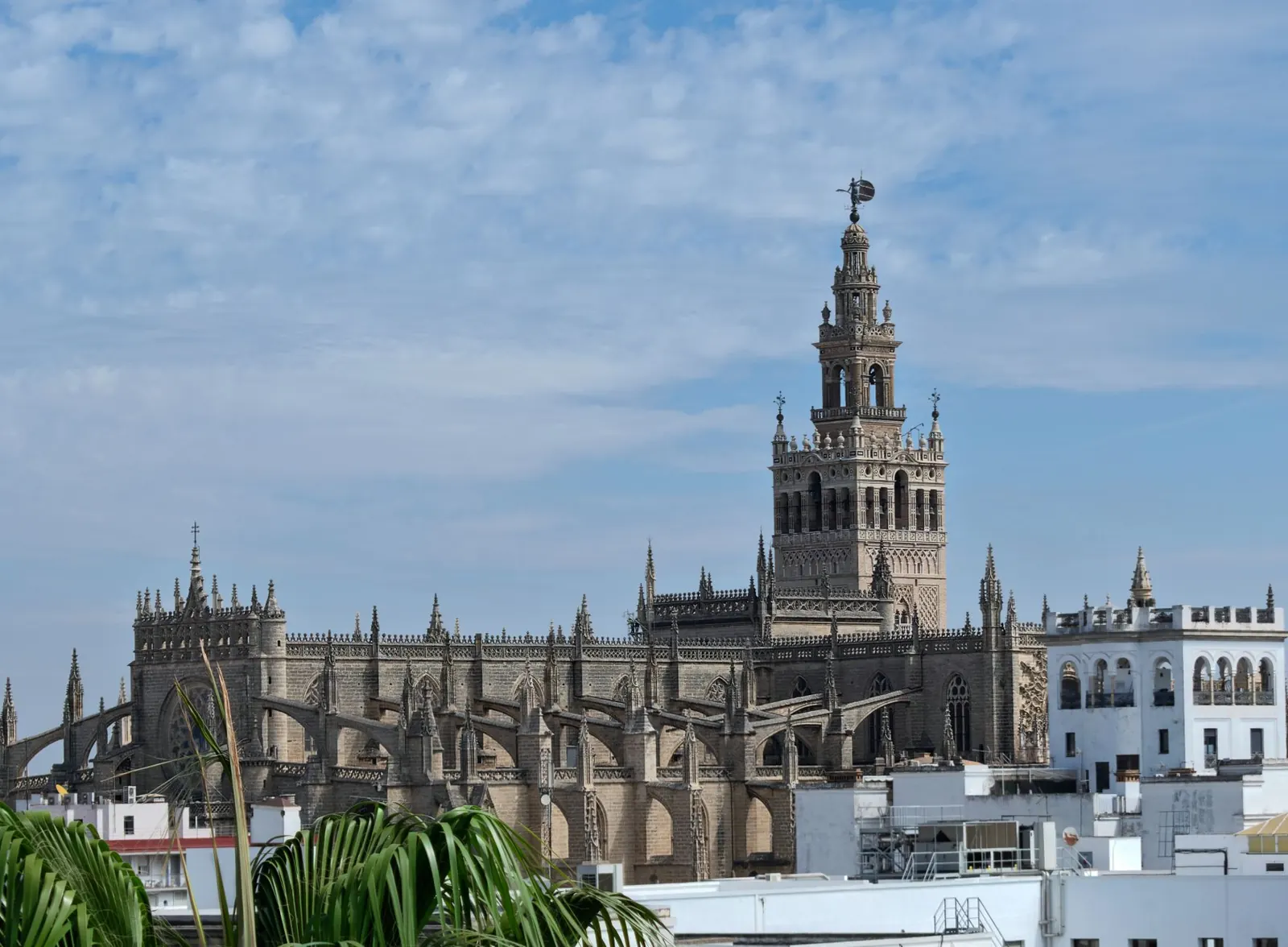
The cathedral is a vast Gothic structure that dominates the skyline. Inside, the scale is staggering, and the atmosphere is solemn. The Giralda tower, originally a minaret, stands adjacent to it. Climbing the Giralda offers some of the best views of the city. The ramp inside the tower, originally designed for horses, makes the ascent relatively gentle compared to spiral staircases. However, the climb can still feel long in the heat.
The Royal Palace
Just beyond the cathedral walls lies the Royal Palace. The exterior is impressive, but the interior gardens and courtyards are where the real magic lies. The mix of Mudéjar architecture, with its intricate tilework and wooden ceilings, is unique. The gardens are a sanctuary of shade and water features, offering a cool retreat from the busy streets outside.
Managing crowds and tickets
Queues can form quickly, particularly for the Giralda and the palace gardens. To avoid disappointment, check the official websites for opening times and ticket availability before you go. These details can change, so verifying closer to your date is essential. If you have limited time, prioritise the palace gardens for their beauty and the cathedral for its historical significance. The Giralda offers great views, but if you are short on energy, the cathedral’s interior alone is worth the visit.
Practical tips
Visit early in the morning or later in the evening to avoid the largest crowds. Wear comfortable shoes, as you will be walking on stone floors and possibly uneven surfaces. Dress modestly, as these are active places of worship and heritage sites. Keep your belongings secure in the crowded areas.
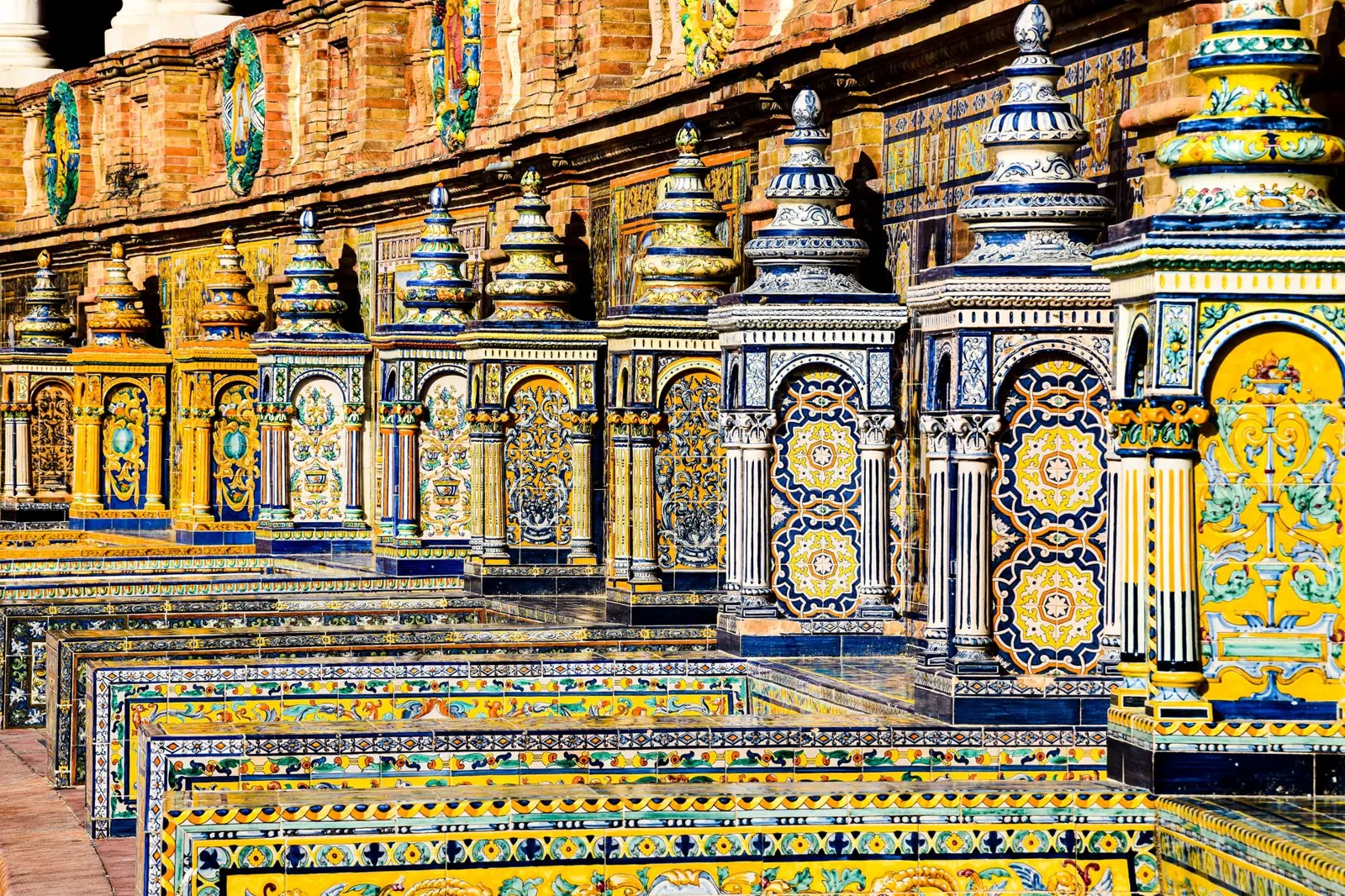
Santa Cruz and the old Jewish quarter
This district is a maze of narrow lanes, hidden squares, and whitewashed walls adorned with climbing plants and orange trees. It was once the Jewish quarter, and traces of its history are visible in the architecture and street layout. The area is intimate and atmospheric, but it can also feel touristy if you follow the main thoroughfares too closely.
Wandering the lanes
The best way to explore Santa Cruz is to get lost. The streets are narrow and winding, with no clear grid pattern. Turn down every interesting alley you see. You will discover small plazas with benches, quiet courtyards, and local shops selling ceramics and textiles. The orange trees, planted along the streets, provide dappled shade and a pleasant scent, especially in spring.
The courtyards
Courtyards are central to Sevillian life. Many are private, but some are open to the public or visible through gates. Look for the famous patio competitions held in May, where residents compete to decorate their courtyards with flowers and water features. Even outside of the competition, these spaces offer a glimpse into the domestic architecture of the city. The contrast between the bright exterior walls and the cool, planted interiors is striking.
Avoiding the crowds
The main streets, such as Calle Mateos Gago, can be busy with tour groups. To escape the throng, move sideways into the smaller lanes. The further you go from the cathedral, the quieter it becomes. Look for signs pointing to smaller squares or hidden entrances. These areas are often quieter and offer a more authentic feel.
Practical advice
Wear shoes with good grip, as some cobblestones can be uneven or slippery. Be mindful of your belongings in crowded spots. Respect the privacy of residents; some courtyards are private homes. Take your time to look up as well as down; the wrought-iron balconies and window details are often as beautiful as the ground-level views.
Across the river: Triana and the Guadalquivir
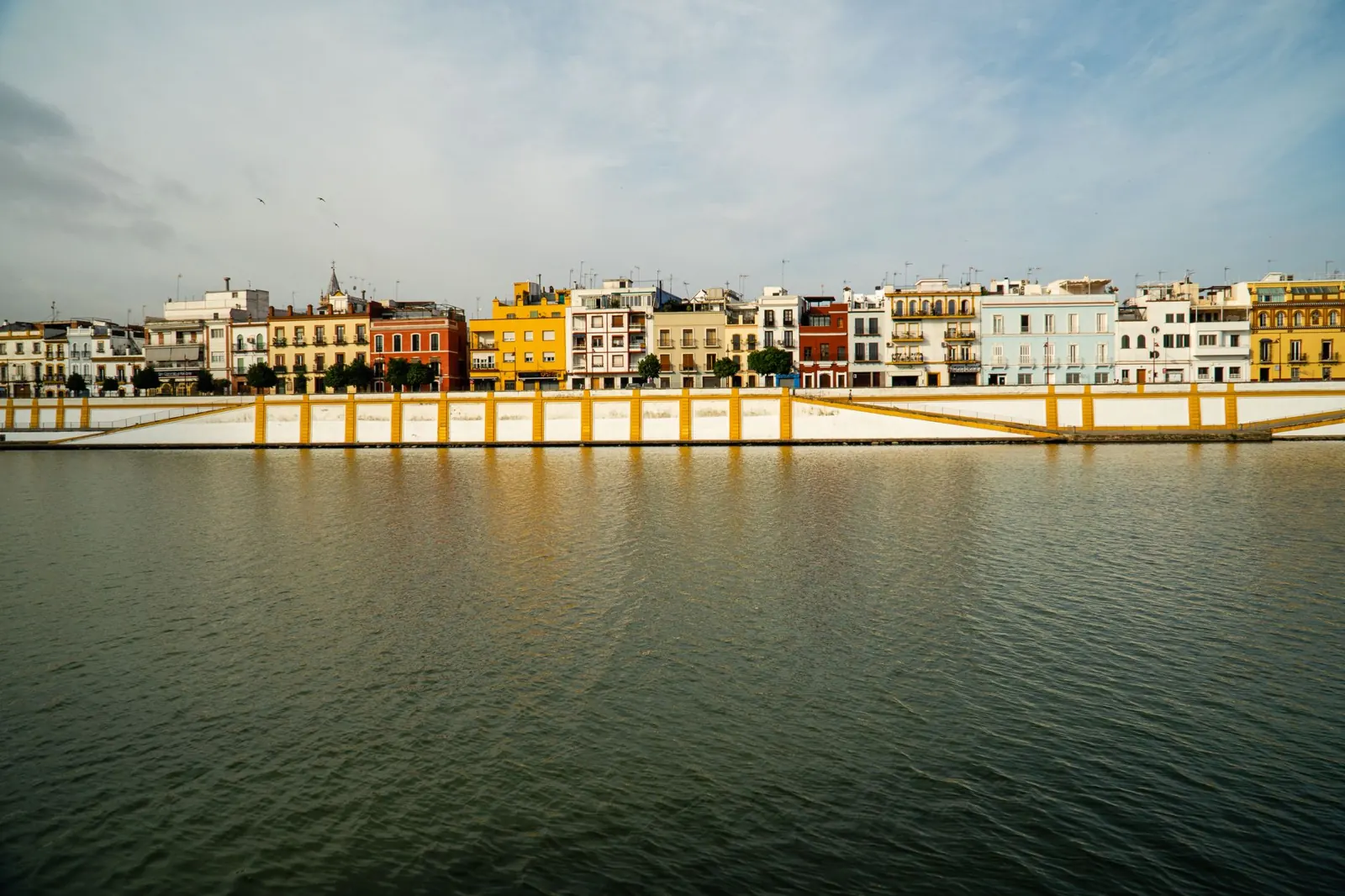
Crossing the bridge from the city centre, you enter Triana, a district with a distinct identity. Historically home to potters and bullfighters, it has a bohemian, working-class feel. The streets are wider, the buildings are lower, and the atmosphere is more laid-back. The Guadalquivir river runs alongside it, offering scenic views and a place to escape the urban heat.
The pottery tradition
Triana is famous for its ceramics. You will see tiles, plates, and decorative pieces displayed in shop windows and courtyards. The tradition of pottery here dates back centuries. While you can buy souvenirs, the real interest lies in watching the craft. Some workshops allow you to see the process, from clay preparation to painting. It is a testament to the enduring artisanal spirit of the city.
The market and riverside
The market is a vibrant place, filled with the sights and smells of fresh produce, meats, and spices. It is a great place to sample local foods or buy ingredients for a picnic. The riverside promenade is perfect for a walk. The views of the city skyline from the south bank are particularly striking at sunset. The area is shaded by trees and has plenty of benches, making it a popular spot for locals to relax.
Evening atmosphere
Triana comes alive in the evening. The streets fill with people heading to tapas bars and restaurants. The area is known for its lively, authentic dining scene. The energy is less polished than in the city centre, more grounded and communal. It is a great place to experience local life.
Getting there and back
The bridge is pedestrian-friendly and offers good views of the river. You can also take a tram or bus, but walking is the best way to soak in the atmosphere. Be prepared for some hills if you venture further inland. The riverside is flat, but the upper streets can be steep.
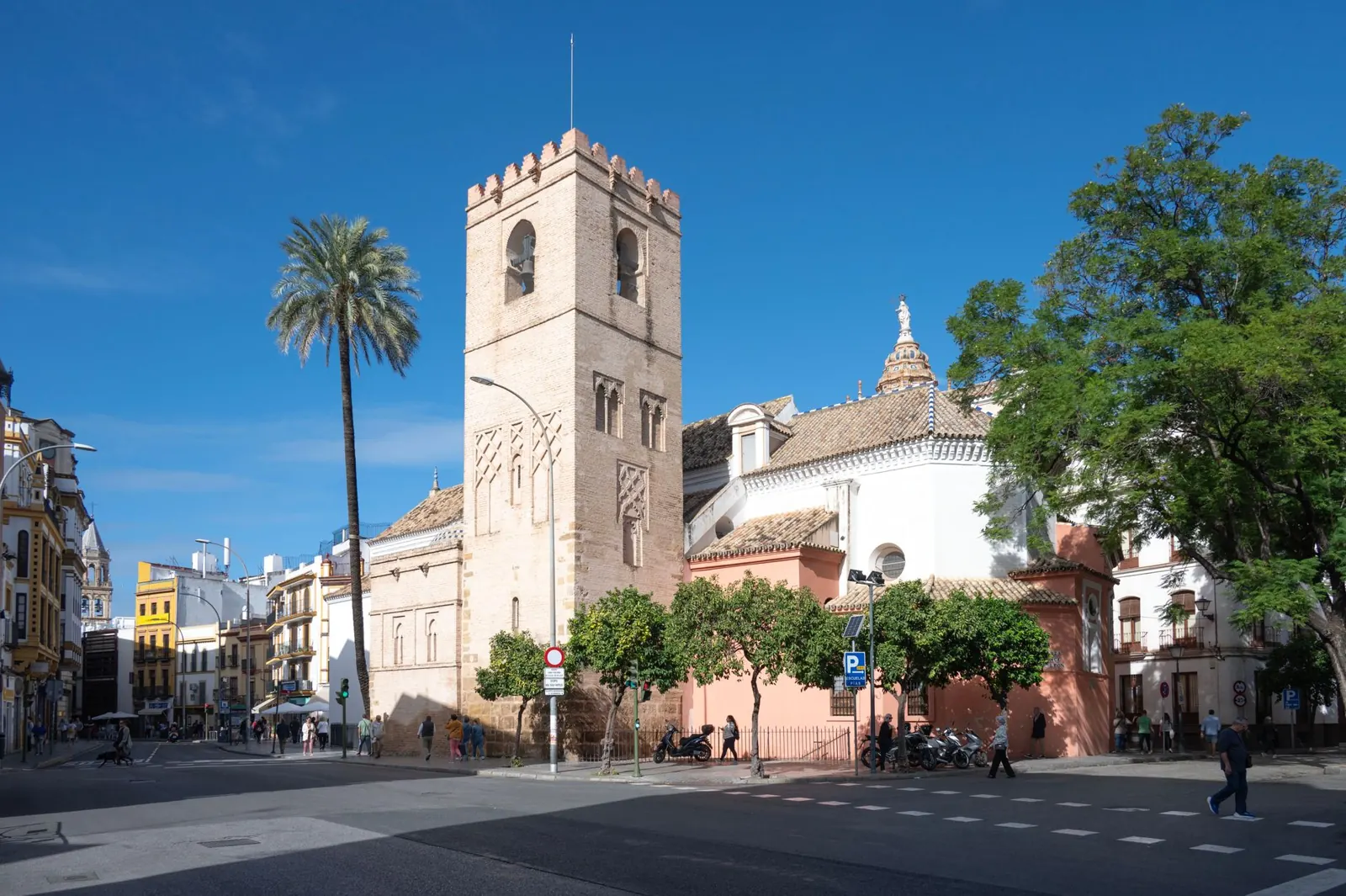
Plazas, parks and shade: where to cool down
Seville is a city of squares and green spaces, designed to provide respite from the sun. These areas are not just decorative; they are functional social hubs where people gather to escape the heat and enjoy each other’s company. Knowing where to find shade is crucial for a comfortable visit.
The big parks
The city has several large parks that offer extensive shade and water features. These spaces are ideal for a long walk or a quiet picnic. They are well-maintained and often have cafes and restrooms. The trees are mature and provide deep shade, making these areas significantly cooler than the surrounding streets. Look for areas with fountains or ponds, as the water adds a cooling effect.
The semicircular plaza
One of the most iconic spaces is a large, semicircular plaza lined with tiled alcoves. It is a masterpiece of Mudéjar architecture, with intricate tilework and horseshoe arches. The space is shaded by the surrounding buildings and trees, making it a cool place to sit and people-watch. It is often used for events, but even on quiet days, it is a pleasant spot to rest.
The mushroom-shaped structure
Another notable landmark is a large, mushroom-shaped wooden structure with a viewing platform. The design is modern and striking, contrasting with the historic surroundings. The platform offers elevated views of the park and the river. It is a popular spot for photos and for taking in the wider landscape. The shade provided by the structure’s canopy makes it a comfortable place to stop, even on warmer days.
Shaded routes and water habits
When planning your walks, try to stick to shaded routes. Many streets are lined with trees, but some open squares can be exposed. Carry water with you, even if it feels cool. The dry heat can lead to dehydration faster than you expect. Drink regularly, and avoid alcohol during the hottest parts of the day. Look for public fountains where you can refill your bottle.
Finding calm
The parks and plazas are also places of calm. Listen to the sound of water, the rustle of leaves, and the distant chatter of people. These spaces offer a mental break from the visual intensity of the city. Use them to recharge before heading back into the busier streets.
Tapas and flamenco without the tourist traps
Seville’s food and music scenes are world-renowned, but they can be pricey and over-commercialised if you do not know where to look. The key is to follow the locals, avoid the main squares, and understand the customs of dining and listening.
How tapas ordering works
Tapas are small plates of food, meant for sharing. The order can vary by region, but in Seville, you typically order individual plates to share among the group. You can also order a "raciones," which are larger portions for one or two people. The variety is vast, from fried fish to stuffed peppers to cold meats. Do not be afraid to ask for recommendations; locals are usually happy to suggest their favourites.
Typical dishes and drinks
Common tapas include fried anchovies, gambas al ajillo (prawns in garlic oil), and salmorejo (a cold tomato soup). Vermouth is a popular aperitif, often served with an orange slice and olive. Sherry is the local wine, and it pairs well with many of the dishes. When ordering, speak slowly and clearly. If you are unsure of the pronunciation, ask for the Spanish name.
Spotting real flamenco
Flamenco is more than a performance; it is a cultural expression. There are two types: the staged show for tourists and the live performance in a smaller venue. The staged shows are often elaborate, with costumes and choreography, but they can feel formulaic. The live performances, known as "peñas," are more intimate and authentic. The artists are closer to the audience, and the energy is more intense. Look for venues that are not on the main tourist streets. Ask locals for recommendations, or look for places with small crowds and a focus on the music rather than the spectacle.
Small venues and late hours
Many of the best flamenco venues are small and do not have large signs. They often start late, with performances beginning well after nine o’clock. Dinner and drinks are part of the experience, so arrive hungry and thirsty. The atmosphere is lively, with clapping and shouting of encouragement ("¡Olé!") from the audience. It is a participatory experience, not a passive one.
Avoiding the traps
Avoid venues with large groups of people standing outside, waiting to be seated. These are often geared towards tourists. Look for places that look busy with locals. Check the menu for prices before you sit down. Some places add a cover charge, which is normal, but it should be clear. Do not be afraid to walk past a few places to find the right fit.
Practical Seville: heat, timing and getting around
Seville is a walkable city, but the heat and the layout can make navigation challenging. Understanding the best times to visit and how to get around will make your trip smoother and more enjoyable.
Walking and transport
Most of the main sights are within walking distance of each other. The city centre is compact, and walking is the best way to experience it. However, the streets can be uneven, and the heat can be exhausting. Use public transport, such as trams or buses, if you need to cover longer distances or if you are tired. The trams run along the river and connect the city centre with the southern districts. They are efficient and offer good views.
Seasons and weather
Spring and autumn are the most comfortable times to visit. The weather is mild, and the crowds are manageable. Summer is very hot, with temperatures often soaring. If you visit in summer, plan your activities for the early morning and late evening. Stay indoors during the afternoon. Winter is mild but can be rainy. It is a good time for sightseeing if you do not mind the occasional shower.
Festivals and crowds
Festivals can add to the atmosphere but also increase crowds and prices. The Spring Fair and Holy Week are major events. If you are visiting during these times, book accommodation and restaurants well in advance. The city will be busier, and prices will be higher. However, the energy is electric, and the experience is unique.
Safety basics
Seville is generally safe, but pickpocketing can be an issue in crowded areas. Keep your belongings close, especially in markets and on public transport. Avoid displaying expensive jewellery or cameras. The streets are well-lit at night, but stick to main roads if you are walking alone late. The local police are helpful, and tourist information centres can provide advice.
Getting around efficiently
Map out your route the night before to avoid getting lost. Use landmarks to orient yourself. If you are unsure, ask for directions. Locals are generally friendly and willing to help. Remember that some streets are one-way, so pay attention to signs. If you are using a bike, be cautious of pedestrians and traffic. Bikes are a good way to cover more ground, but they require skill and awareness.
Day trips from Seville
Seville is a great base for exploring the surrounding region. There are several interesting destinations within a short distance, each offering a different experience. Whether you are interested in history, nature, or culture, there is something nearby.
White hill towns
The white villages of Andalusia are perched on hills, with whitewashed houses and stunning views. They are often quiet and picturesque, offering a glimpse into rural life. The journey involves winding roads and steep climbs, so drive carefully. These towns are perfect for a half-day trip if you want to escape the city heat and see traditional architecture.
Ancient Roman ruins
Nearby, you can find the remains of a Roman city. The ruins are well-preserved and offer a fascinating look into the ancient world. The site includes a theatre, temples, and public buildings. It is a great opportunity to see Roman engineering and design up close. The site is often less crowded than the major cities, allowing for a more relaxed visit.
Moorish cities by train
You can also take a train to visit other Moorish cities. The journey is scenic, and the destinations offer a different perspective on Islamic architecture and history. These cities have their own unique character, with grand mosques and palaces. The train ride itself is a pleasant way to see the countryside.
The sherry towns
The sherry region is famous for its wine production. You can tour bodegas, learn about the blending process, and taste different types of sherry. The landscape is flat and open, with views of the vineyards. This is a good trip for wine enthusiasts. The bodegas are often located in small towns, adding to the charm of the visit.
Planning your day trips
Decide how many days you have and what interests you most. You can combine a few short trips into one day, or spend a full day at one location. Consider the weather and your energy levels. Some trips involve a lot of walking, while others are more relaxed. Book tickets in advance if possible, especially for popular bodegas or ruins. Bring water and sunscreen, as the sun can be strong.
Logistics
Check the train schedules or bus times before you go. Public transport can be less frequent on weekends or holidays. If you drive, be aware of parking restrictions in the towns. Some areas have limited space, so arrive early. Ask your hotel or host for local tips on the best routes and times to visit.
Final thoughts
A day trip adds depth to your Seville experience. It shows the diversity of the region and provides a break from the city’s pace. Whether you choose the hills, the ruins, or the vineyards, you will return with new memories and a broader understanding of Andalusia.
For more inspiration on how to structure your trip, you might find The Ultimate Guide to Travelling Around Europe useful for planning logistics. If you are considering other destinations, Four Great Reasons to Visit Europe highlights the broader appeal of the continent. And if you ever need a break from the heat, Palma done in a day offers a contrasting coastal experience.
Start the day early, keep the middle of it for shade and a long lunch, and let the evening carry you from one small bar to the next. Seville rewards the visitor who stops fighting its clock.
Official sources and further reading
Opening times, entry rules and prices change, so check them on the official sites before you travel:
- Spain.info: Spain's official tourism portal.
- GOV.UK: foreign travel advice: Entry rules, safety and health notices for every country, kept up to date by the UK government.