By
By You are standing on a rocky outcrop, wind whipping your jacket, looking out over a sea of green ridges that stretch toward the horizon. Below you, a wooden church with a distinctive onion dome sits quietly in a valley, smoke rising from a chimney. This is the moment that draws people to the region. It is not just about the view; it is about the feeling of being in a place that feels ancient, resilient, and deeply connected to the land.
For many travellers, the Carpathian Mountains represent a shift from the polished tourist hubs of Western Europe to something more raw and authentic. The landscape here is defined by long forested ridges, high open meadows, and villages that seem to grow out of the earth. Getting here requires a bit more planning than a standard city break, but the payoff is a landscape that rewards patience and curiosity. Whether you are looking to tackle a demanding ridge hike or simply wander through a village where time moves slower, understanding the local context is key to enjoying the experience. This guide breaks down what you need to know before you go, how to move through the terrain, and how it fits among other off-the-beaten-path ideas such as those in Looking for Your next Big Adventure? Add These to Your Travel Bucket List.
Before you go: check the current situation
Traveling to this region currently involves a layer of uncertainty that you must manage proactively. The security situation is not static; it can change with little notice depending on military activity in the surrounding areas. Before you book flights or accommodation, you need to check the latest advice from your own government’s foreign travel office. These updates will tell you which oblasts are currently safe for leisure travel and which areas might have restricted airspace or active conflict zones nearby. Do not assume that because the mountains are far from the front lines, they are immune to disruption. Air raid sirens can still sound in major towns, and infrastructure like power and internet may fluctuate.
Insurance is no longer optional; it is essential. Standard holiday policies often exclude war zones or areas under a "do not travel" advisory. You need a policy that specifically covers medical evacuation, trip cancellation due to security events, and emergency repatriation. Read the fine print carefully to ensure your destination is covered.
Transport arrangements are also subject to change. Border crossings can experience delays, and train or bus schedules may be altered with short notice. If you are driving, check road conditions for mountain passes, which can be affected by weather or military vehicle movements. Being honest about this uncertainty helps you pack appropriately and mentally prepare for a trip that might require flexibility. You are not just packing for hiking; you are packing for potential disruptions. Keep digital and physical copies of your documents, have a backup power source, and stay updated on local news apps. This is not about fear; it is about being informed so you can make the most of your time there.
What the Carpathians are like
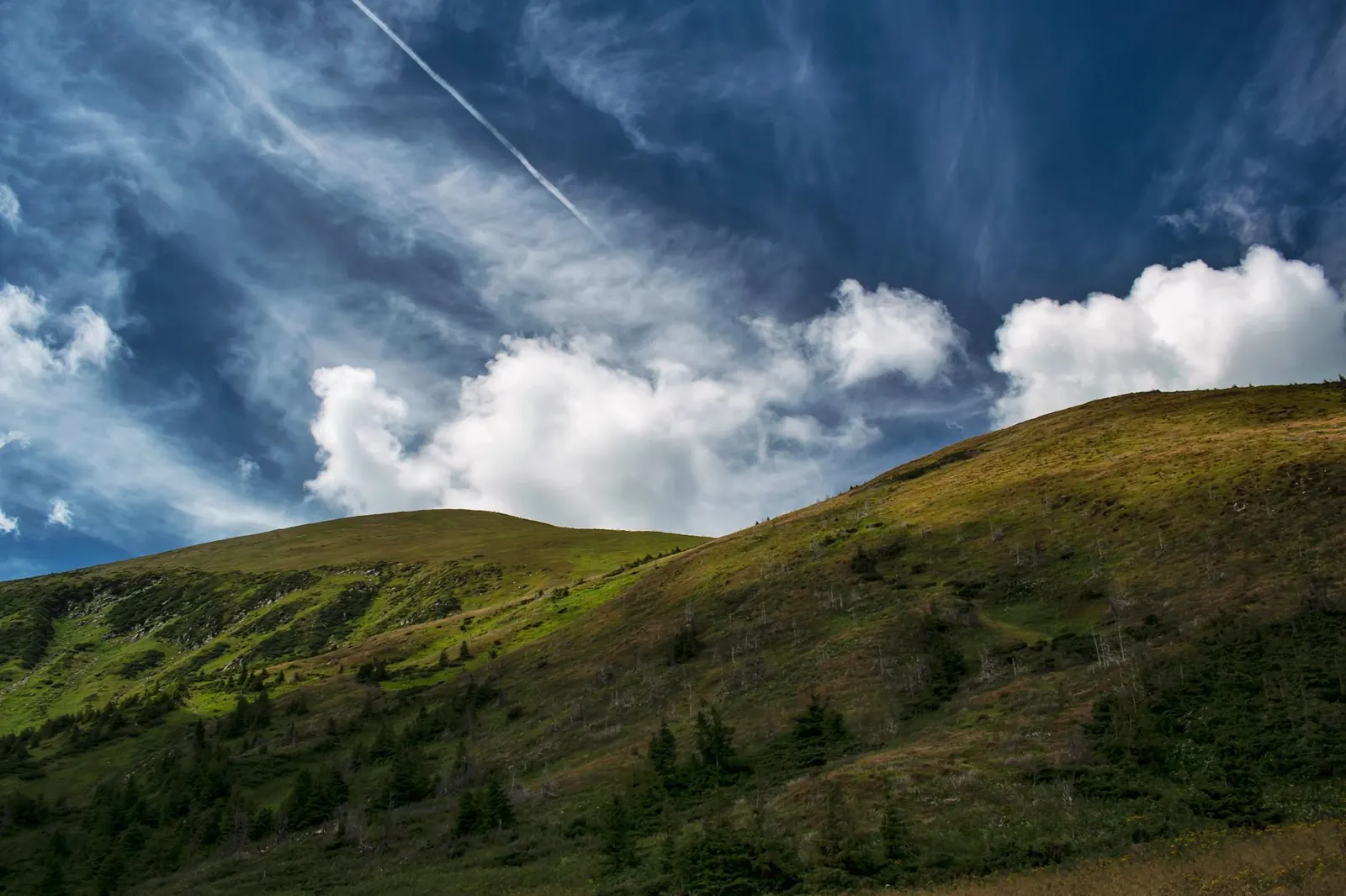
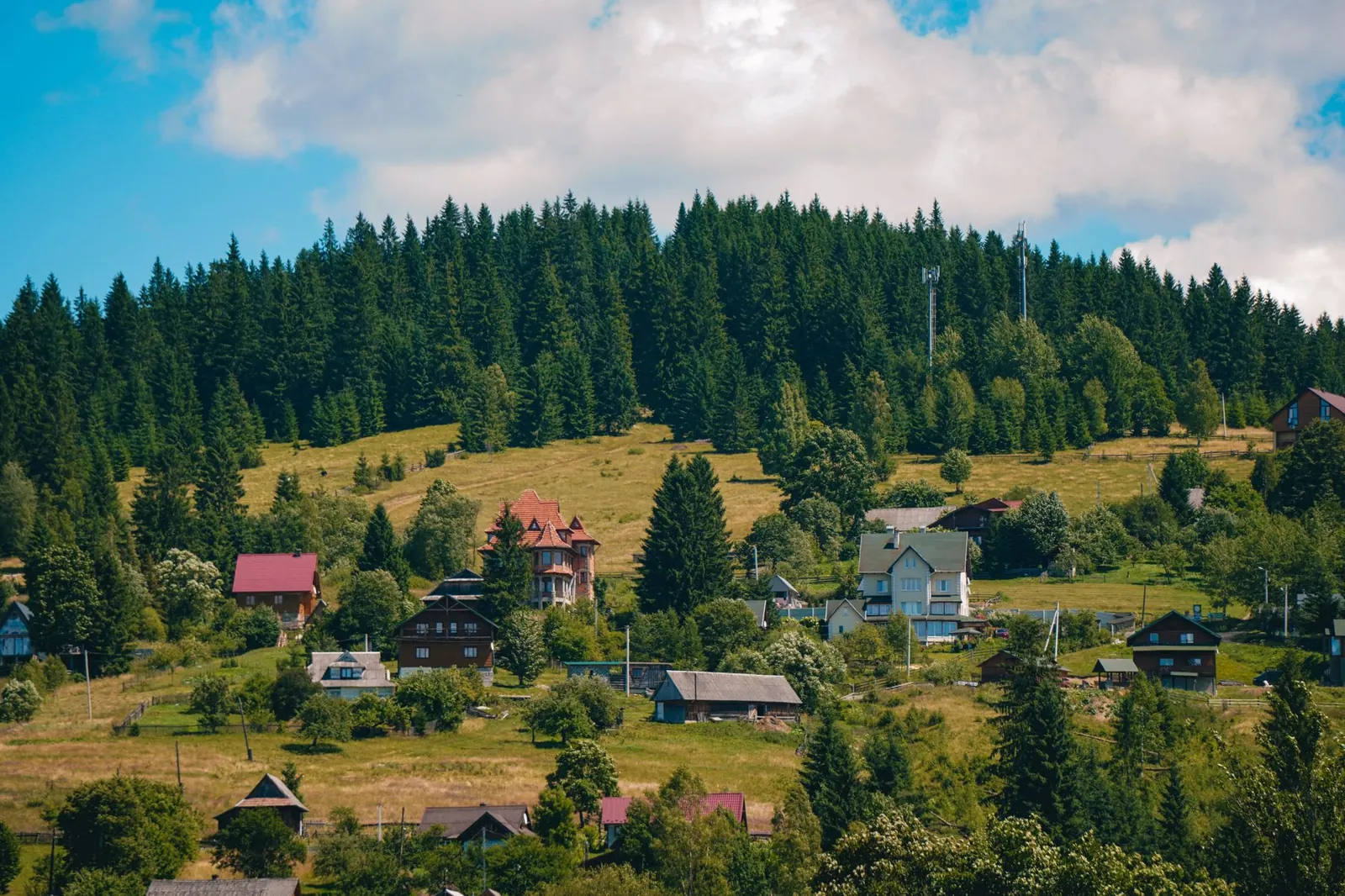
The Carpathian Mountains form a distinct arc across central and eastern Europe, but the Ukrainian section has its own character. Unlike the jagged, limestone peaks of the Alps, these mountains are older, softer, and more rounded. They are covered in dense beech and fir forests that climb steeply from the valleys. The higher elevations open up into vast alpine meadows, often referred to as "polonyny," which are lush in summer and starkly beautiful in winter. This contrast between dark forest and bright sky is a defining feature of the range.
The villages here are not just stops on a map; they are living communities. You will see wooden houses with carved window frames and steep roofs designed to shed heavy snow. The architecture is functional yet artistic, built to withstand harsh winters. The character of the range is one of quiet resilience. The air is crisp, smelling of pine resin and damp earth.
Seasons dictate the rhythm of life here. Summer is the peak time for hiking, with long days and warm evenings. Autumn brings vibrant colours and cooler air, perfect for forest walks. Winter transforms the landscape into a snow-covered wonderland, but it also brings isolation and cold. Spring can be muddy and unpredictable, with melting snow making trails slippery. The weather in the mountains changes quickly. A sunny morning can turn into a foggy, cold afternoon within hours. This variability is part of the charm but requires respect. You are not in a controlled environment; you are in a natural one.
Hiking: ridges, peaks and the main routes
Hiking in the Carpathians is a physical and mental challenge that rewards those who prepare well. The highest peak in the Ukrainian Carpathians is Hoverla, which stands at a significant altitude. Reaching the summit involves a steady climb up rocky terrain, often through mist. The ridge routes are the highlight for many hikers, offering panoramic views that stretch for miles. These trails are marked with painted blazes on trees or rocks, but the markings can be faded or overgrown in less popular areas.
Navigation is easier with a good map and compass, or a reliable offline map app on your phone. Relying solely on a phone can be risky if the battery dies or the signal drops in deep valleys. Always carry a physical map as a backup. Weather changes rapidly in the highlands. Fog can roll in quickly, reducing visibility to just a few metres. If you are caught in fog, stay on the trail and do not attempt to shortcut through the trees.
What to pack includes sturdy hiking boots with good ankle support, a waterproof jacket, and layers for temperature regulation. Even in summer, the wind at the summit can be biting. Bring enough water and high-energy snacks. Mountain huts are available along major routes, offering basic accommodation and meals. They are simple, often with shared dormitories and communal areas. Booking ahead is wise during peak season, as they fill up quickly.
Mountain safety basics include telling someone your route, starting early to avoid afternoon storms, and knowing the signs of hypothermia. The terrain can be rocky and uneven, so watch your step. If you are not an experienced hiker, stick to the well-marked trails and avoid venturing into the deep forest without a guide. The beauty is in the journey, but the mountains demand respect.
Lakes, waterfalls and forest walks
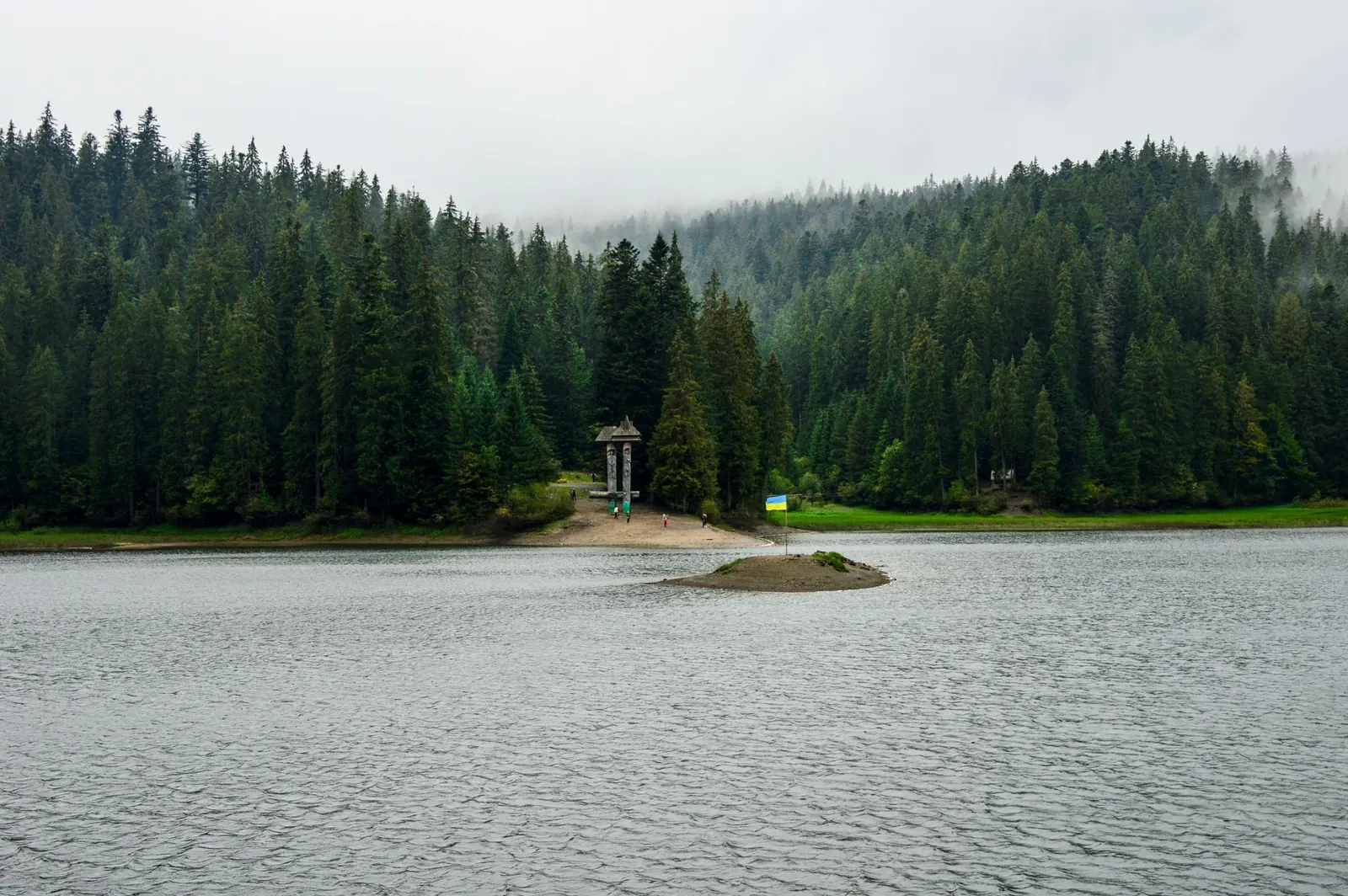
Not every day needs to be a summit push. The Carpathians offer numerous lakes, waterfalls, and forest walks that are perfect for a more relaxed pace. Mountain lakes, often called "plitvice" or "yablunets" in local contexts, are clear and cold, nestled in glacial basins. They are stunning to visit, especially in the early morning when the water is still and the reflections are perfect. However, swimming is often too cold and the weather can be unpredictable, so bring a towel and a change of clothes if you plan to dip in.
Alpine pastures are home to grazing sheep and cows, and the air here smells of milk and hay. Walking through these meadows is peaceful, with the sound of cowbells providing a gentle soundtrack. Waterfalls are scattered throughout the lower elevations, some easily accessible from village roads, others requiring a short hike. River canyons offer dramatic scenery, with steep cliffs and rushing water. These areas are great for photography and quiet contemplation.
For non-hikers or those looking for a half-day break, there are many easy trails. These paths are wide, well-maintained, and suitable for families. They often lead to viewpoints or historical sites like old wooden churches. The forest floor is soft with moss and fallen leaves, making for a comfortable walk. These walks allow you to experience the biodiversity of the region, with diverse flora and fauna. It is a chance to slow down and observe the details of the landscape, from tiny wildflowers to the texture of ancient bark.
Villages, wooden churches and mountain culture
The villages of the Carpathians are the heart of the region’s identity. The Hutsul culture, indigenous to these highlands, is vibrant and preserved. You will see traditional crafts being made: wood carving, pottery, and embroidery. These are not just souvenirs; they are part of a living tradition. Craft markets in towns like Yaremche or Kolomyia offer a chance to buy authentic items directly from artisans. The prices may vary, so it is worth asking about the story behind each piece.
Folk music is everywhere. You might hear bandura players in a square or see a traditional dance performance during a festival. The hospitality of the locals is legendary. Invitations to share a drink or a meal are common, and refusing is often seen as impolite. Engaging with locals adds depth to your trip. Learning a few phrases in Ukrainian goes a long way.
Wooden churches and bell towers are architectural treasures. Built without nails, using interlocking wood joints, these structures are marvels of engineering. They often feature intricate carvings that tell biblical stories or depict local legends. Visiting these churches is a way to understand the spiritual and cultural history of the region. Be respectful when entering; dress modestly and speak softly. Photography may require permission, so always ask.
Respectful behaviour includes supporting local businesses, buying local food, and participating in customs with an open mind. The villages are not museums; they are homes. Try to blend in, speak quietly, and appreciate the simplicity of mountain life.
What to eat and drink in the mountains
Food in the Carpathians is hearty, seasonal, and deeply rooted in tradition. Corn-based dishes are a staple, especially in the form of polenta or mlyntsi. These are served with various toppings, from sour cream to fried onions. Cheeses and sheep products are abundant. Sirets, a salty white cheese, is a local favourite, often eaten with bread or added to salads. The quality of dairy is high, thanks to the fresh grass the animals graze on.
Forest mushrooms are a seasonal delicacy. In autumn, foraging for mushrooms is a popular activity, and restaurants feature them in soups and stews. Herbal teas are also common, made from local herbs like chamomile, mint, or thyme. They are soothing and help with digestion after a heavy meal.
Hearty soups, such as borscht or mushroom soup, are comfort food at its best. Mountain cafes and guesthouses serve these dishes with pride. The portions are generous, reflecting the hard work of mountain life. When dining out, look for places that use local ingredients. Many guesthouses offer "table d'hôte" meals, where you are served a set menu of traditional dishes. This is often the best way to experience the local cuisine.
Drinking culture includes horilka, a strong spirit similar to vodka, often infused with herbs or peppers. It is usually served before a meal as a digestif. Pair it with pickled vegetables or smoked fish. The combination of local spirits and fresh food is a highlight of the culinary experience. Remember to eat slowly and enjoy the company. Food here is about community and sustenance, not just taste.
Winter in the Carpathians
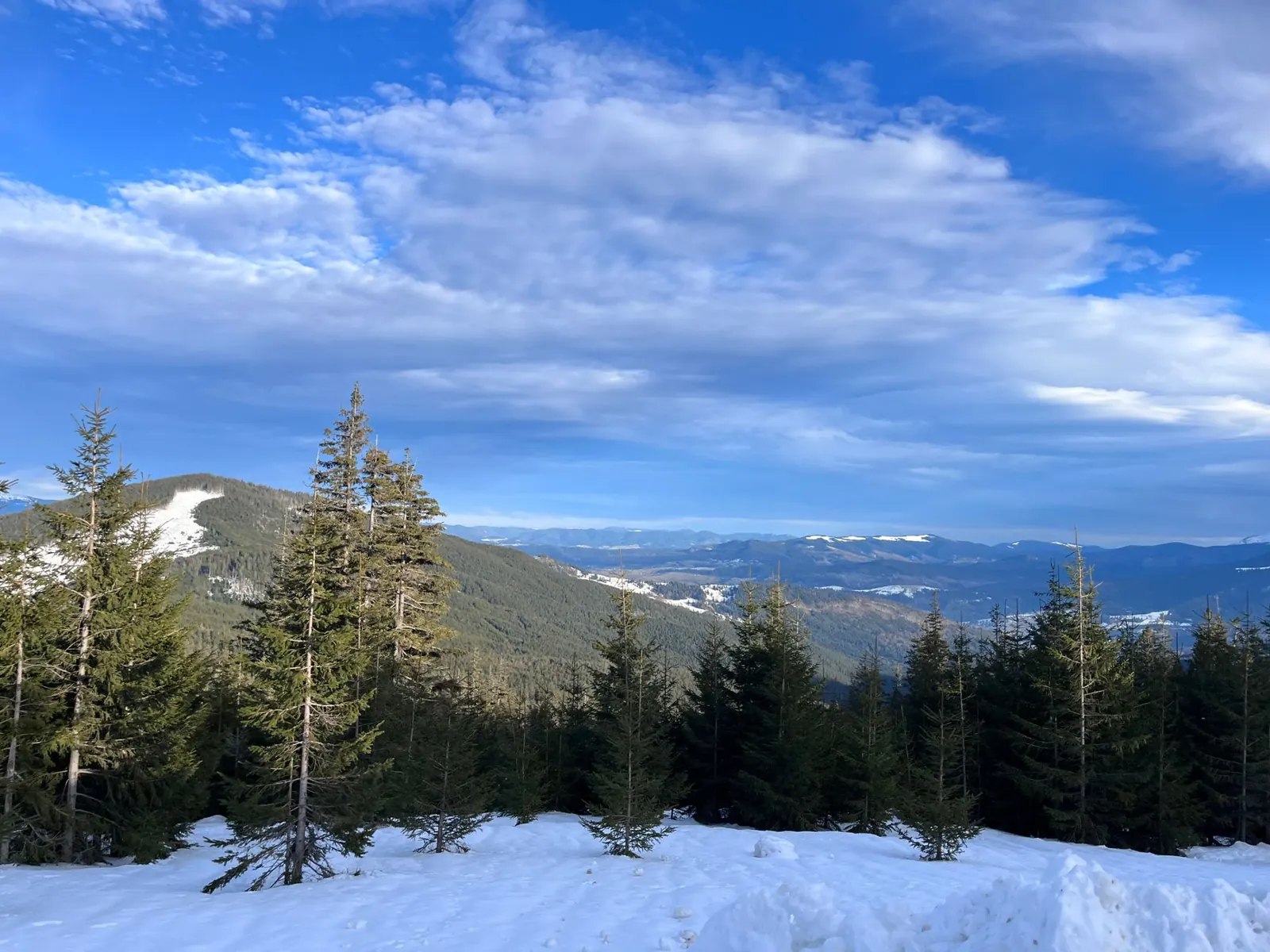
Winter transforms the Carpathians into a different world. Ski areas are active, with slopes that cater to both beginners and experienced skiers. The snow reliability can vary from year to year, depending on temperatures and precipitation. Some higher-altitude slopes retain snow longer, while lower areas may rely on artificial snowmaking. Check the current conditions before booking, as early or late season trips might have limited coverage.
Cabins and lodges are cozy retreats after a day on the slopes. They offer warm drinks, hearty meals, and comfortable beds. The atmosphere is lively, with people sharing stories of their runs. Village winter festivals add to the charm. These events often feature traditional music, dancing, and food stalls. It is a chance to experience the local culture in a festive setting.
Driving in snow requires caution. Roads can be icy and narrow, especially in mountain passes. If you are not used to driving in winter conditions, consider hiring a local driver or guide. They know the roads and the weather patterns. Safety is paramount. Carry snow chains if you are driving, and check the weather forecast daily.
Winter hiking is also possible, but you need proper gear. Snowshoes or crampons can be helpful. The trails are quieter, and the scenery is pristine. However, the days are shorter, and the temperature drops quickly. Plan your routes carefully and start early. The silence of a snow-covered forest is magical, but it requires respect for the elements.
Practical advice: transport, language and guesthouses
Getting around the Carpathians requires a mix of public transport and private arrangements. Trains and buses connect major towns, but schedules can be infrequent and slow. For more flexibility, hiring a local driver or guide is often the best option. They can navigate the winding mountain roads and provide local knowledge. Mobile signal can be patchy in remote areas, so download offline maps and save important numbers.
Cash and cards: While cards are accepted in larger towns and hotels, smaller guesthouses and markets often prefer cash. Carry Ukrainian Hryvnia in small denominations. Language basics: English is spoken in tourist areas, but learning a few Ukrainian phrases is appreciated. Words like "thank you," "please," and "hello" go a long way.
Staying in a village guesthouse is an authentic experience. Rooms are simple but clean, and the hosts are often warm and welcoming. Breakfasts are homemade, featuring local produce. It is a great way to support the local economy. When booking, read reviews to ensure the place is reliable. Communication is key; if there is an issue, address it politely and promptly.
For more tips on navigating Europe, see The Ultimate Guide to Travelling Around Europe. If you are looking for other unique destinations, consider 3 Of Europe's Hidden Gems That You Need To Visit.
Whenever you do go, go slowly: stay in a village long enough to walk out of it on foot, listen to the people who live there about the weather and the trail, and leave the plan loose.
Official sources and further reading
Opening times, entry rules and prices change, so check them on the official sites before you travel:
- GOV.UK: foreign travel advice: Entry rules, safety and health notices for every country, kept up to date by the UK government.
- GOV.UK: foreign travel insurance: What travel insurance should cover and how to choose a policy.