 By
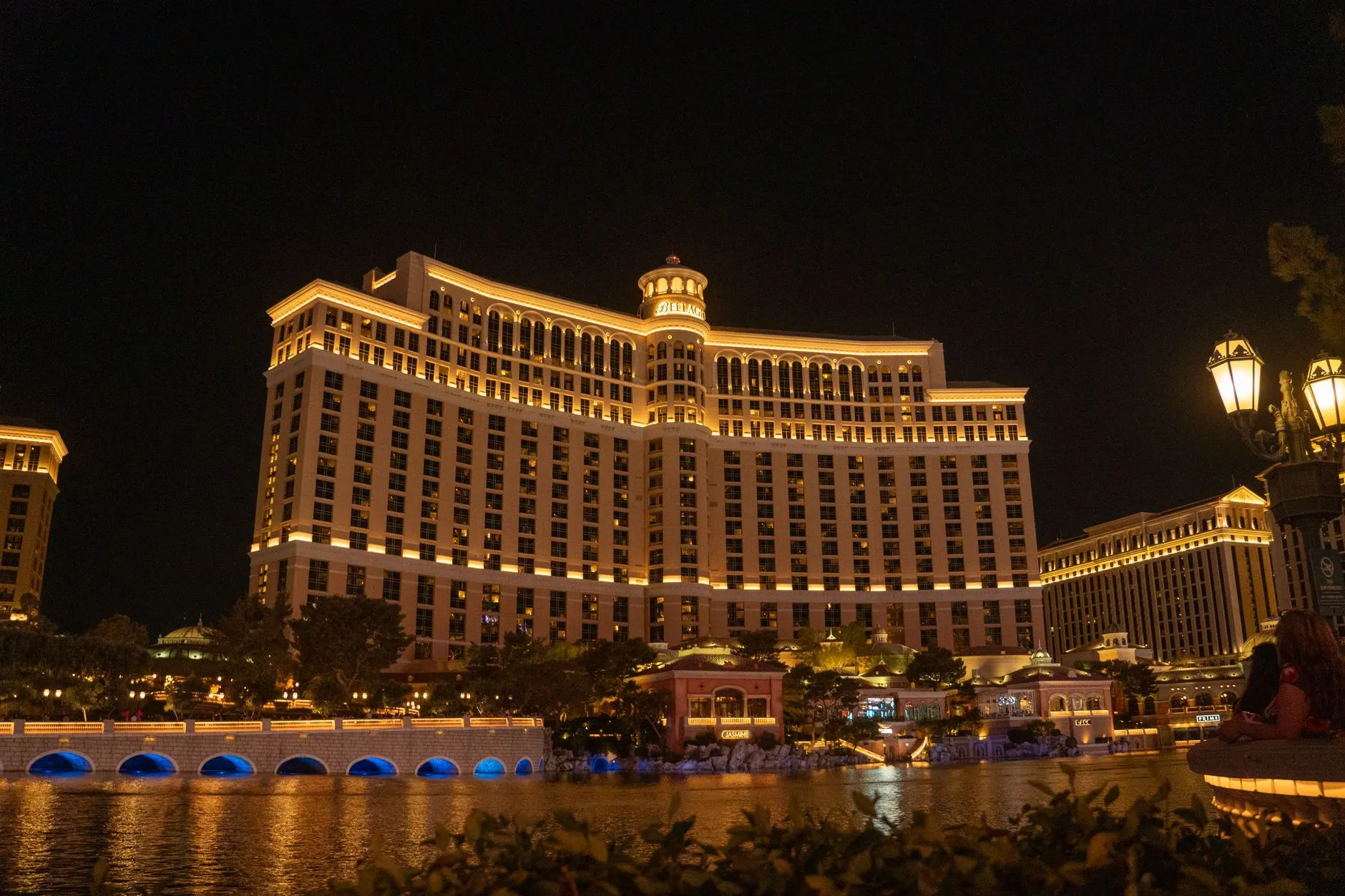
The flight from the UK was long, the check-in queue was longer, and now you are towing a suitcase across a casino floor at what your body insists is the middle of the night. The room has marble, a deep bath and a sofa. It also looks onto a car park roof, and by noon the next day the bass from a pool party is coming up through the floor.
That is how a luxury stay in Las Vegas usually goes wrong. Hotels at the top of the market are not short of marble. What separates them is which tower you are in, which way the window faces, how far you walk to reach the outside world and what gets added to the bill. This guide does not rank properties, because rooms, ownership and standards shift often. It shows you how to judge any of them.
What the most luxurious hotels really deliver
Every large resort on the Las Vegas Strip looks lavish from the lobby. The real top tier is defined less by decoration than by how much of the city's friction it removes. At this level, your money tends to buy:
- A separate arrival: a private check-in lounge or dedicated desk, away from the main queue.
- A route around the crowd: a private lift lobby, a key-controlled floor or a side entrance clear of the gaming floor.
- A named person: a butler, host or suite concierge who solves problems before you reach the front desk.
- Space that is genuinely separate: a door between bedroom and living area, a second bathroom, a table you could really eat at.
- Protected leisure: a guests-only pool, a reserved cabana, or a lounge with food and drinks through the day.
Some things are harder to buy. A top-floor suite does not shorten the walk to the pavement or thin the crowds once you are on it. The grandest villas are often not on public sale at all, because many are held for high-value casino players and offered by invitation.
Decide which benefits you would actually use. If you are still shaping the wider trip, Create The Perfect Luxury City Break: 3 Steps helps you work out where the money should go first.
Four kinds of luxury stay, and how they differ
It is more useful to sort hotels by how they are built, because the layout determines your daily routine.
The non-gaming tower inside a large resort
This is a hotel within a hotel: its own lobby, its own lifts, often a calmer spa or lounge, and no slot machines in sight, with the wider resort's restaurants and shows close by. But non-gaming describes the tower, not the complex. You may share pools and walkways with everyone else, and reaching the main restaurants can still mean crossing the casino.
The all-suite tower
Every room is sold as a suite, which suits people who want floor space without paying for a top category. The catch is the word itself. In Las Vegas a suite can mean one large open-plan room with a sofa and a step down into a lounge area. If one of you wants to sleep while the other watches television, ask whether there is a door that closes.
The resort with a private entrance
Some high-end sections of large resorts have their own driveway and lobby, so you step out of a car and go almost straight to the lift. This works beautifully if you travel everywhere by car or taxi. It does much less for anyone planning to walk the Strip, since the entrance may sit at the far side of the complex.
The quiet off-Strip property
A few high-end hotels have no casino or keep it small, some a short ride from the Strip and others out towards the western edge of the valley and Red Rock Canyon. You get easier parking, calmer pools and proper sleep. The trade-off is that every evening out needs a car, a ride-hail or a shuttle, which takes real time when the shows are starting. Being away from the crowds does not guarantee escaping a resort fee either.
Views, floors and noise: choosing the right room
Many complaints about expensive rooms come down to orientation. Two rooms in the same category and tower can feel like different hotels.

Strip-facing and fountain-facing rooms
A Strip view gives you the moving lights you flew for, along with more glare at the window and more street noise on lower floors. Remember which side of the road you are on. A tower on the east side looks west, across the boulevard to the mountains, and takes the afternoon sun and the sunset. A tower on the west side looks east, and the morning sun arrives early, so check the curtains are blackout.
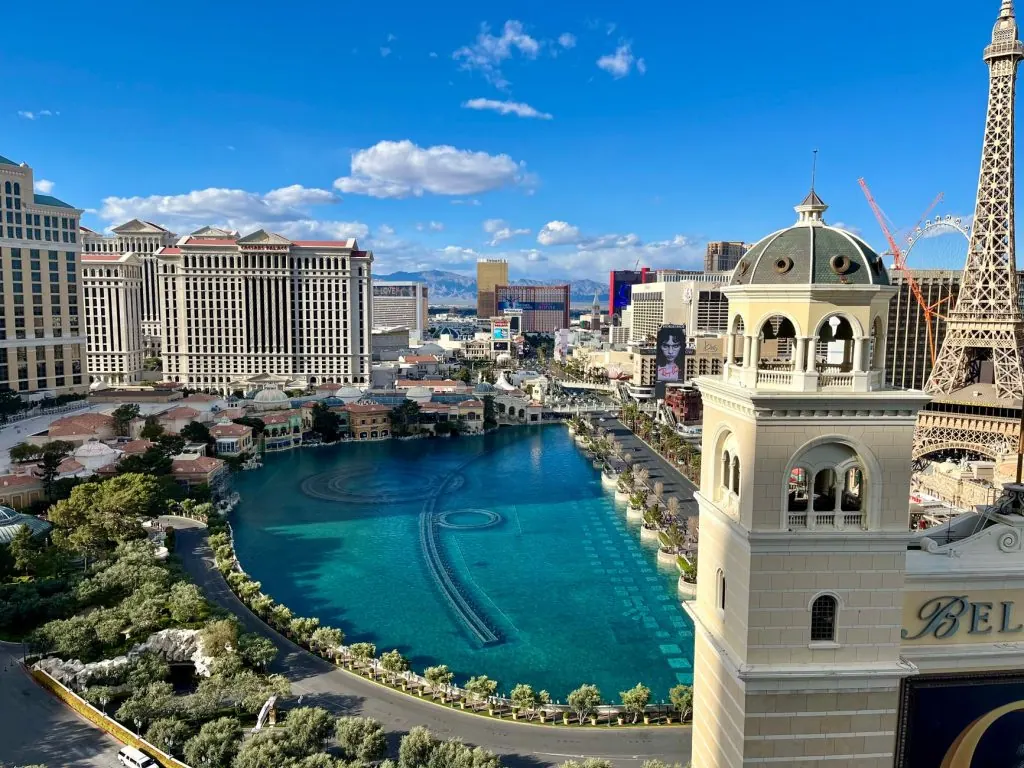
The Bellagio Fountains are on the west side of the Strip and are a free public attraction you can watch from the pavement. Weigh that before paying extra for a fountain-facing room. From a high window you get the patterns and the scale, but not the music and spray at close range, and a partial view can mean a sliver of water seen at an angle. The schedule varies and shows can be suspended in strong wind, so check before planning an evening around them.
Mountain-facing rooms
These are usually cheaper, darker and quieter, which matters when jet lag has you sleeping badly. A motorway and a freight railway run behind the resorts on that side, so low floors may pick up the sound. On the other side of the Strip, some rooms look towards the airport or over rooftops, and a label such as city view can cover almost anything.
The noise map
- Pool decks: daytime DJ parties can carry bass into the floors above, especially at weekends in the warmer months.
- Nightclubs and bars: rooms above or beside them can hear thumping until very late.
- Building work: resorts here refurbish constantly, so read recent guest reviews for mentions of drilling or closed pools.
Smoke is the other surprise for British visitors. Smoking is still allowed on many casino floors in Nevada, and it can drift into adjoining corridors and shops. If that bothers you, favour a tower or entrance that avoids the floor altogether.
Distance: the Strip is further than it looks
From your window, the neighbouring resort looks close enough to throw a bread roll at. Then you try to walk there. The buildings are so large that the eye misjudges them, and the route is rarely direct. Getting out can mean crossing a casino, a shopping arcade and a long forecourt, and crossing the road usually means going up to a pedestrian bridge at a major junction.
Before booking, study the hotel's floor plan and a satellite map to see how far your tower is from the public pavement, the pool, and the taxi and ride-hail pick-up, which is often in a separate zone or on a garage level. A central address means less if your tower sits at the back of a huge complex.
The Las Vegas Monorail runs along the eastern side of the Strip, behind the resorts. It avoids the traffic, but stations are set well back from the road, so you may face a long indoor walk at each end, and it does not reach the west side directly, Downtown or the airport. Check current stations and tickets on the official website.
Ride-hailing and taxis fill the gaps, though traffic thickens when shows finish and at weekends. If you want to see Fremont Street, with its pedestrian mall and giant overhead light canopy, give it a whole evening instead of squeezing it between other plans.
Reading the true price: fees, tax and the calendar
Two hotels that look close on a comparison page can end up far apart at check-out, so compare final totals, never headline rates.
What gets added
- Resort fee: a mandatory nightly charge, usually said to cover things like Wi-Fi and gym access. US rules on displaying these fees have tightened, but it may still be itemised separately from the room rate, and on some UK package holidays it is paid locally at the hotel.
- Room tax: added on top, so go to the last booking screen before comparing.
- Parking: self-parking and valet may be charged separately at Strip resorts.
- Minibars: some use sensors that charge you when an item is lifted, so ask for one to be emptied if you want the fridge, and check whether the water in the room is complimentary.
These are the kinds of costs covered in Unexpected Holiday Expenses. If the sums make you question the whole idea, Visiting Las Vegas On A Budget Is Doable shows the other way of doing the city. A premium standard room with a clear view can also be a better buy than a low-grade suite looking at a wall.
Midweek, weekends and conventions
Room rates here behave more like airline fares than hotel tariffs. Sunday to Thursday is usually much cheaper than Friday and Saturday, and weekends may carry a minimum stay. That gap can move you up a whole room category on the same budget.
The exception is a convention week. A large trade show can push midweek rates above a normal weekend and fill breakfast rooms with lanyards. Major sporting weekends, big concerts, New Year and racing events that close roads near the Strip do the same. The city's official tourism and convention authority publishes an events calendar, so check your dates against it, and if a rate looks oddly high, try moving the trip by a week.
Loyalty and upgrades
Many resorts belong to large groups with shared, free loyalty programmes, and perks such as late check-out are often tied to booking direct. A specific request, such as a higher floor or a room away from the pool, stands a better chance than a vague plea for an upgrade.
Pools, cabanas and spas: what to book ahead
Hotel pools in Las Vegas are run almost like separate businesses, with their own rules, seasons and price lists.
Seasons and access
A common trap is choosing a hotel for its pool in the cooler months. Outside the warm season, resorts may close some pools, shorten the hours or leave one heated pool open, and party-style day clubs may shut altogether. Check what will be open on your dates on the official website, and ask whether entry is limited to guests with a key card or wristband.
Adults-only pools and day clubs
The label covers very different things. An adults-only pool may be a quiet retreat, or a DJ-led day club with an entry charge and a queue, and some are European-style pools where topless sunbathing is allowed. Many set an entry age of 21, so carry photo ID such as your passport.
Cabanas and daybeds
A cabana gives you shade, seating and dedicated service, which matters on a hot afternoon. Popular dates sell out and pricing often changes by day of the week. Before paying, ask:
- Is the price a rental charge, a food and drink minimum, or both?
- Are tax, service charge and gratuity included?
- How many people does it cover, and can friends from other hotels join you?
- Where is it? Next to the speakers or the main walkway, it will not feel private.
- What is the refund policy if wind or a storm closes the pool?
A daybed is a cheaper way to secure shade.
Spa access fees
Resort spas often charge a separate day fee for the steam rooms, saunas, plunge pools and lounges, and the resort fee often does not cover it. Some waive the charge when you book a treatment, and some top room categories include it. Check too whether a service charge is added automatically or a tip is expected. An early slot on your first full morning works well, since jet lag has you awake anyway and the thermal rooms are quiet.
Restaurants, shows and the casino floor
A common mistake is choosing a hotel because of a famous restaurant or production. Most resort restaurants and theatres are open to anyone with a reservation or a ticket, so you can sleep in one building and eat in another. Choose the room for the room.

Book the restaurants that matter before you travel, particularly for weekends and convention weeks. Ask about dress codes, and take a light layer because air conditioning runs hard.
Comps and player cards, plainly explained
A player card is a free loyalty card from the casino. Insert it when you play slots or hand it to the dealer at a table, and your play is tracked. Comps, meaning complimentary rooms, meals, drinks or show tickets, are offered on that record. They are not winnings. They are calculated largely on how much you bet and for how long, because every casino game has a built-in house edge and over time the house expects to come out ahead.
So treat comps as a small rebate on entertainment you were going to pay for anyway, never as a reason to play longer. A free night is not free if you lose more than the room would have cost.
Setting a limit
Gambling is entirely optional here. If you do play, treat it as a paid activity, not a way to make money:
- Decide what you can afford to lose beforehand, and take that amount in cash.
- Leave your bank cards in the room safe, and avoid casino cash machines, which can carry steep fees.
- Stop when the money is gone, and do not chase losses.
The legal age for gambling and drinking in Nevada is 21. If gambling stops feeling like fun, the National Gambling Helpline in the UK offers free and confidential support.
The UK traveller's stay: jet lag, heat and money
Jet lag
Las Vegas is usually eight hours behind the UK, so you will flag early in the evening and wake long before dawn. Book early dinners for the first two nights and save late shows for later. Use the wide-awake mornings for a walk along the empty Strip or a drive out of town. Many flights home leave later in the day, so ask about late check-out, luggage storage and using the pool or spa after leaving your room.
Desert heat and dry air
Summer here is seriously hot, and the pavements store that heat into the evening. The dry air is deceptive, because sweat evaporates so quickly that you may not notice how much fluid you are losing. Carry water even for short walks, and do not swap it for cocktails by the pool. Indoors, the air conditioning dries you out further, so pack lip balm and a heavy moisturiser, and ask housekeeping whether a humidifier is available. Spring and autumn are more comfortable for walking, while winter evenings get properly cold.
Tipping, tax and payment
Tipping is part of how staff are paid here, not an optional reward, so carry small dollar notes and budget for it as you would for meals. Norms keep moving, so check current guidance before you go.
- Housekeeping: leave something daily, since different staff may clean your room.
- Bell staff and valets: tip when bags arrive or the car comes back.
- Bars and restaurants: a tip is expected, but first check for an automatic gratuity, which is common at pools and for larger groups.
- Dealers and cocktail servers: tipping is customary, including for drinks served free while you play.
Shelf and menu prices normally exclude sales tax, so the total at the till will be higher than the label. Hotels also place a hold on your card at check-in to cover incidentals. On a UK debit card that can tie up real money until after you leave, so use a credit card if you can. When a card machine offers to charge you in pounds, choose dollars and let your own card provider convert.
Getting out of the resort
After days of indoor spaces, a change of scale helps. The scenic drive at Red Rock Canyon is close to the city, and its entry arrangements can change by season, so check the official website. Valley of Fire has red sandstone formations and very little shade, and some trails may close in extreme heat. The Hoover Dam, on the Nevada and Arizona border, is an easy half-day. For more on the city beyond the hotel, read Why You Should Visit Las Vegas On Your Next Holiday.
Five questions to send before you pay
- Does my room category have a door between the bedroom and the living area?
- Exactly what does the window overlook, and is any part of the view partial?
- Can you place me away from the pool deck and nightclubs?
- What is the final total including resort fee, tax and parking, and what does the fee include?
- Can I get from my room to the street without crossing the casino floor?
Email those questions to the hotel's reservations team, and book the property that answers them clearly and in writing.
Official sources and further reading
Opening times, entry rules and prices change, so check them on the official sites before you travel:
- Visit Las Vegas: The official Las Vegas tourism site.